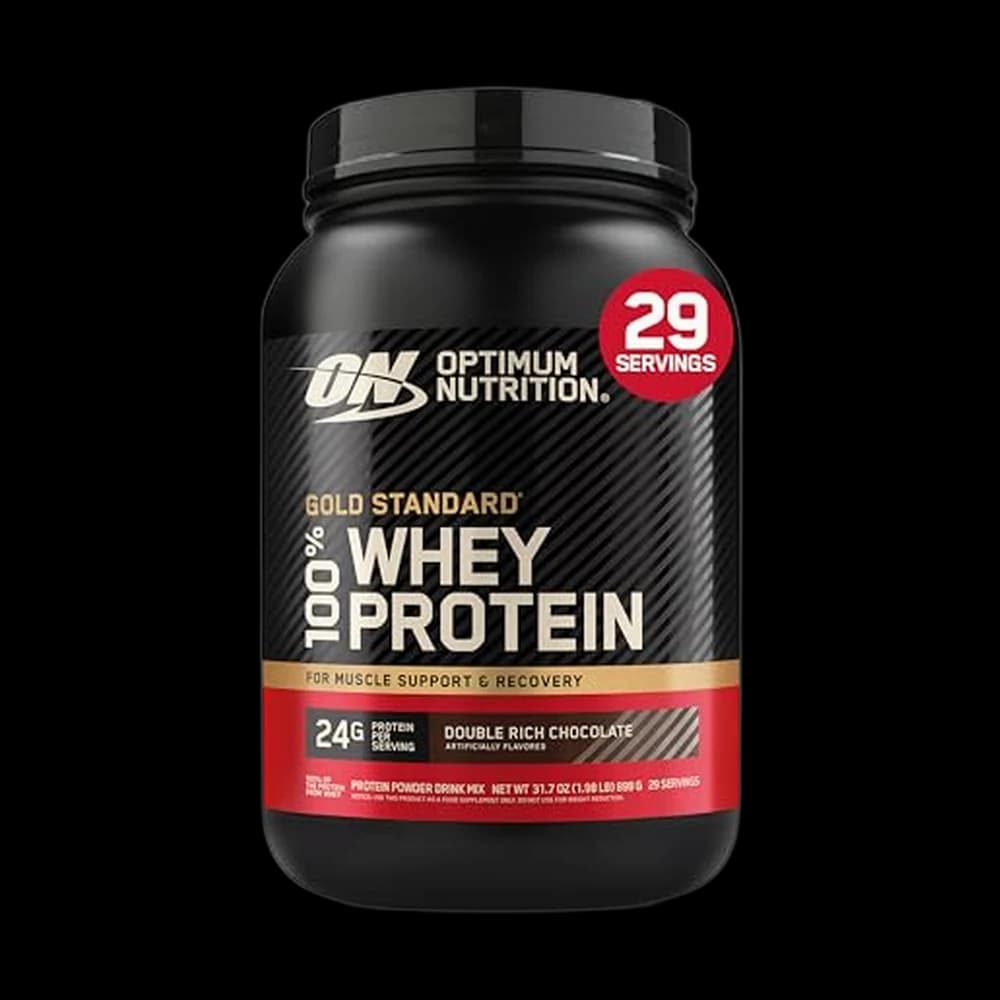
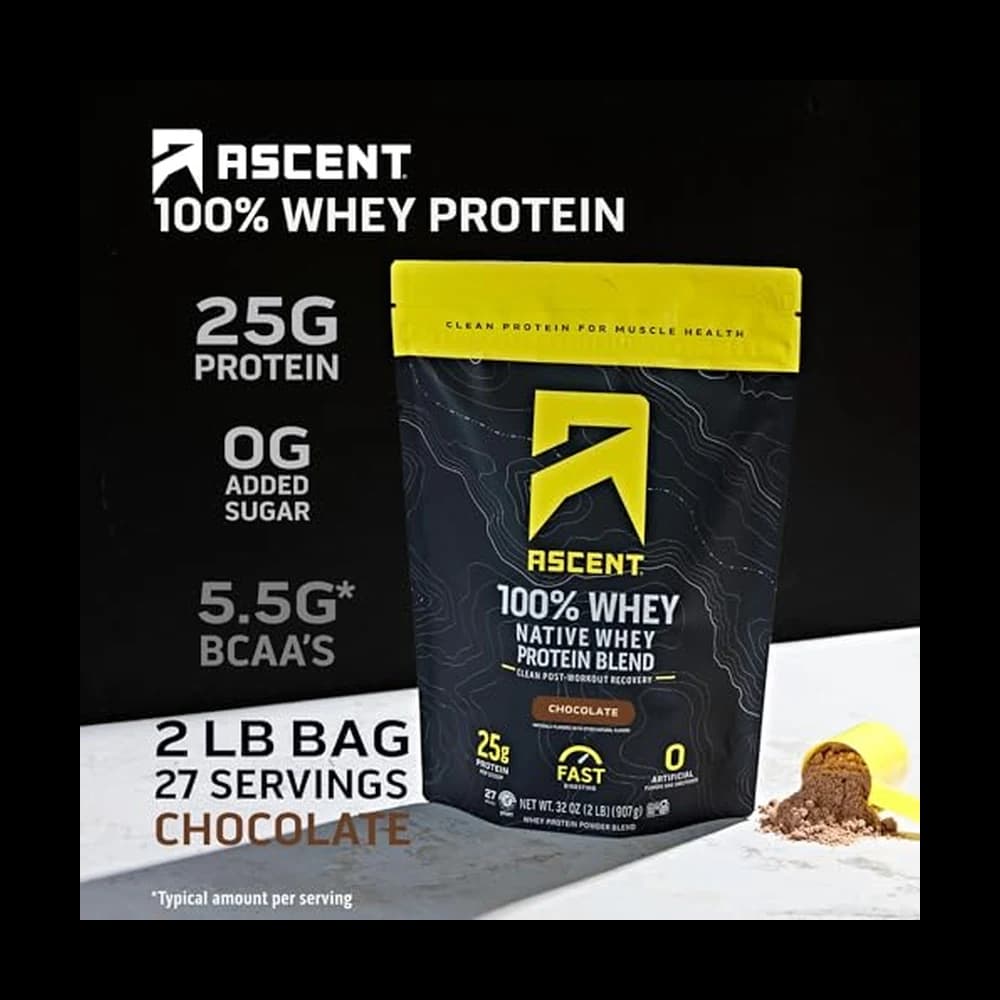
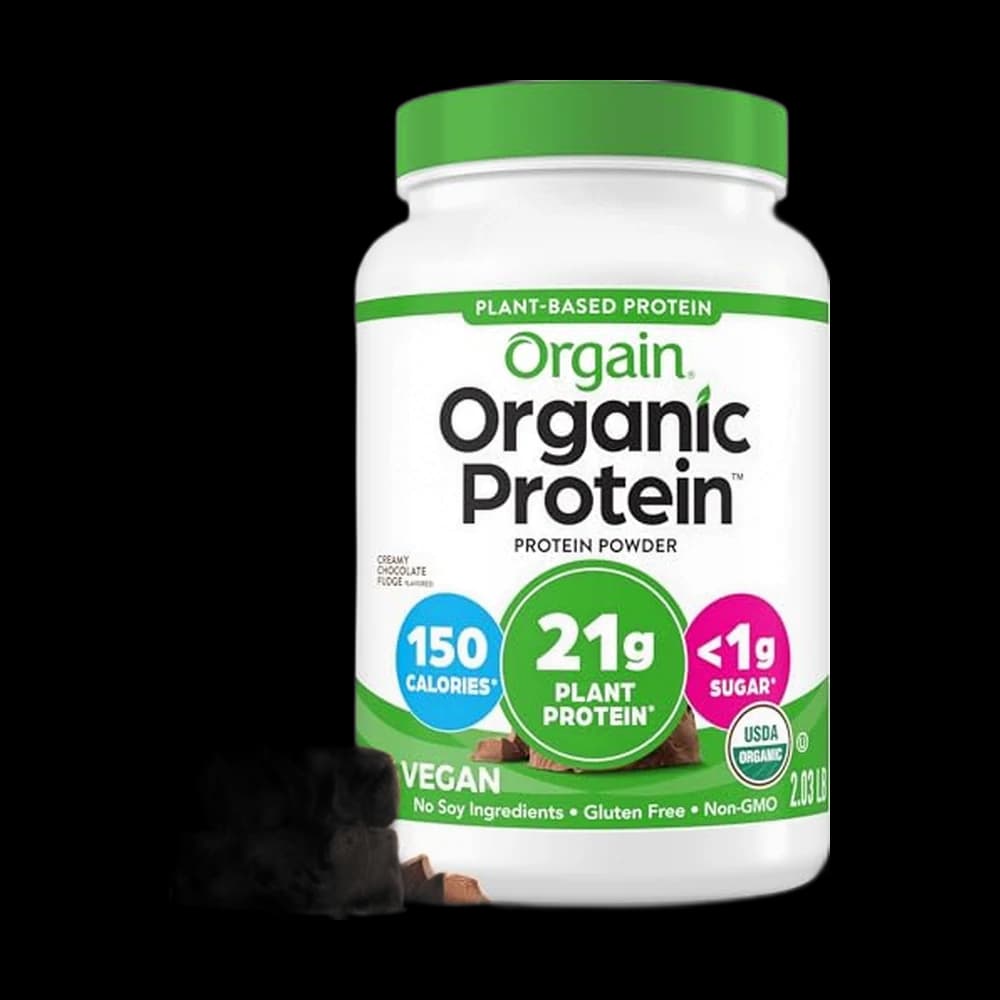
Stages 1-4
Protein Powders
Whey isolate, clear whey, plant blends and unflavored powders, compared on protein per scoop and per comfortable fluid ounce.
Gear & Pantry · Independently chosen
Twenty categories, one published method. We compare labels, specifications and what owners consistently report — we do not test products, and every pick is scored with the same LeanScore formula. Categories are tagged with the stage they matter most in, because week two and month ten need different things.
All 20 categories shown
Has picks that state
These match only what a listing states. A pick whose listing says nothing either way is hidden while a chip is on — that is a gap in the label, not a verdict on the product.
LeanFed may earn a commission from links on this page; it never changes a ranking. Full disclosure.
Stages 1–4
Protein you can finish when a full meal is out of reach — powders, ready-to-drink shakes, bars, snacks and breakfasts, ranked by protein per comfortable volume rather than per scoop.
Stages 1-4
Whey isolate, clear whey, plant blends and unflavored powders, compared on protein per scoop and per comfortable fluid ounce.
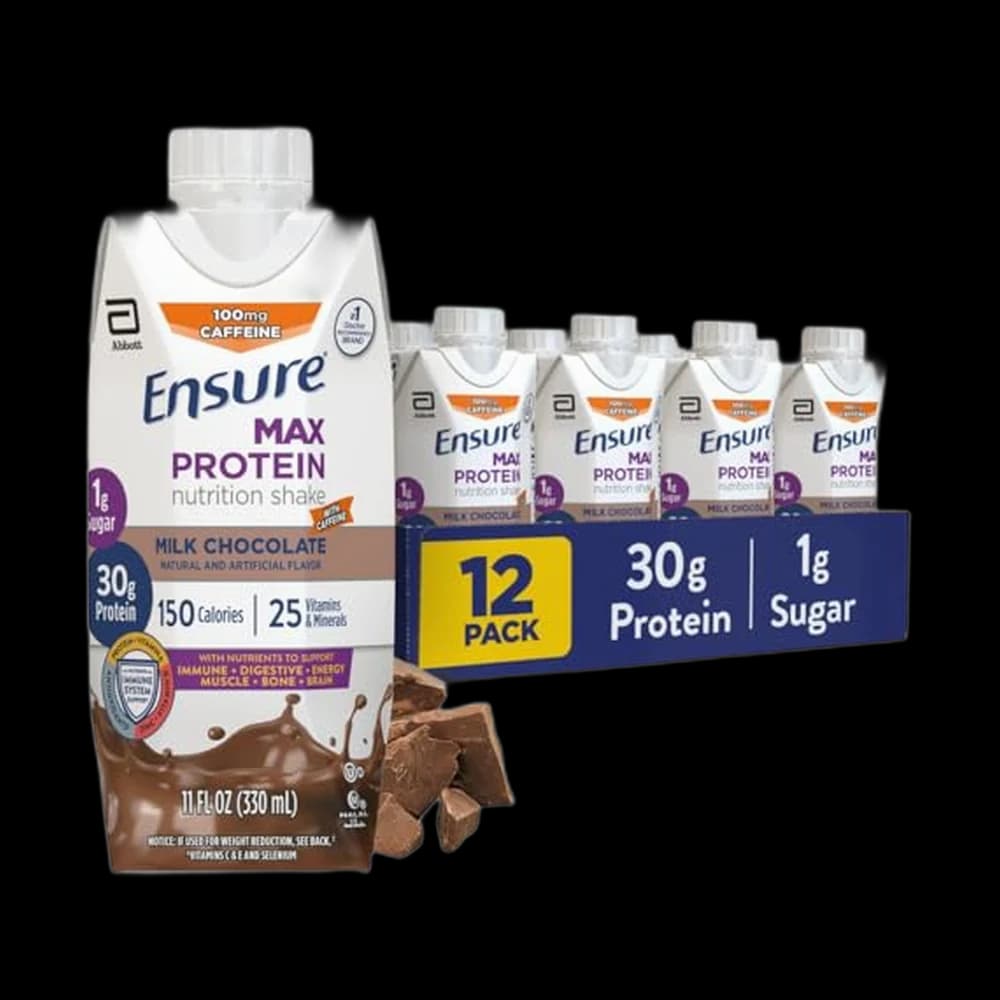
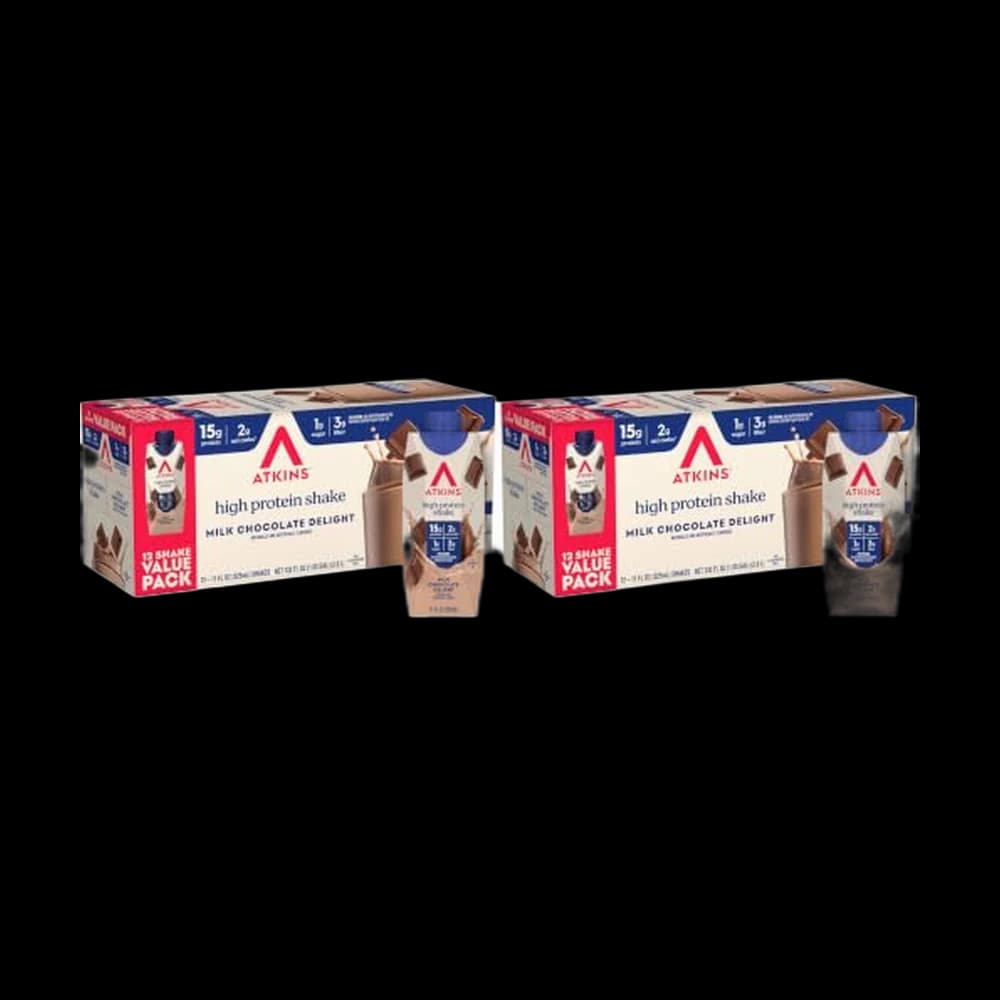
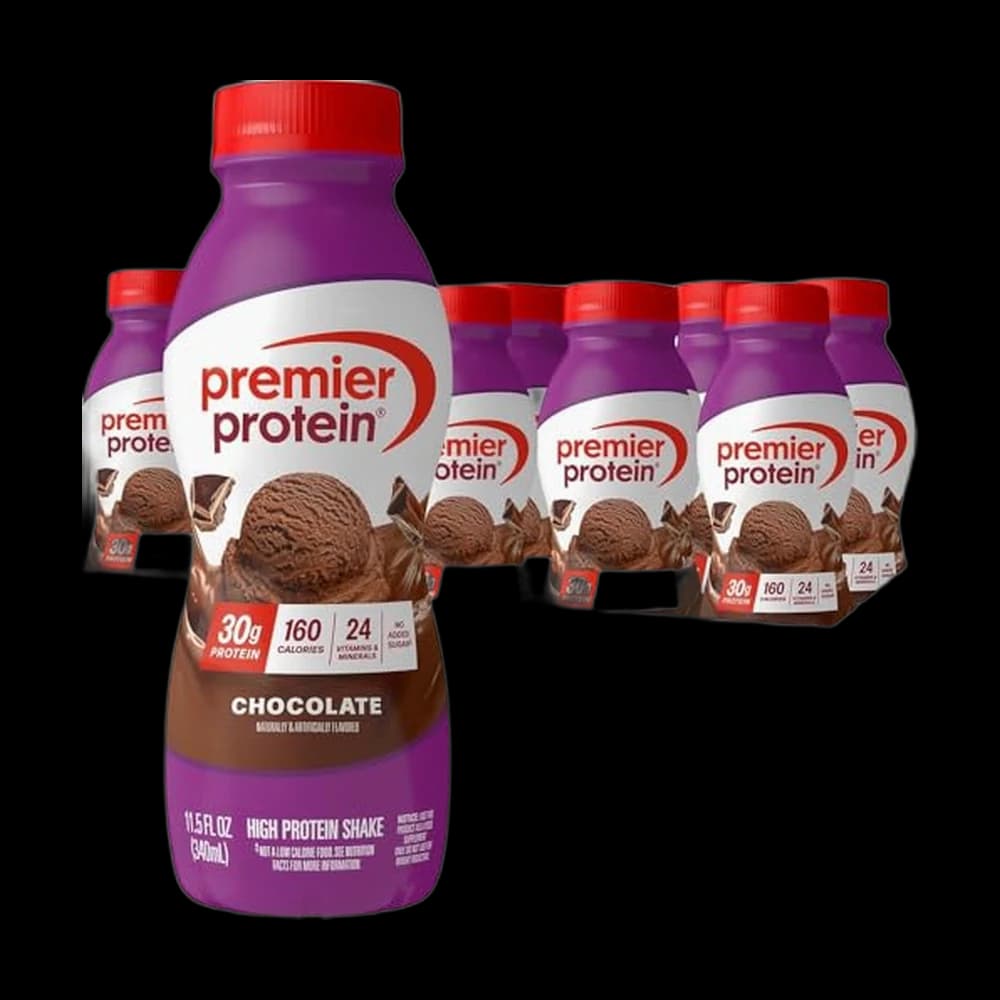
Stages 1-3
Shelf-stable and refrigerated bottles, compared on protein per 8 fl oz so you can see which ones ask the least of your stomach.
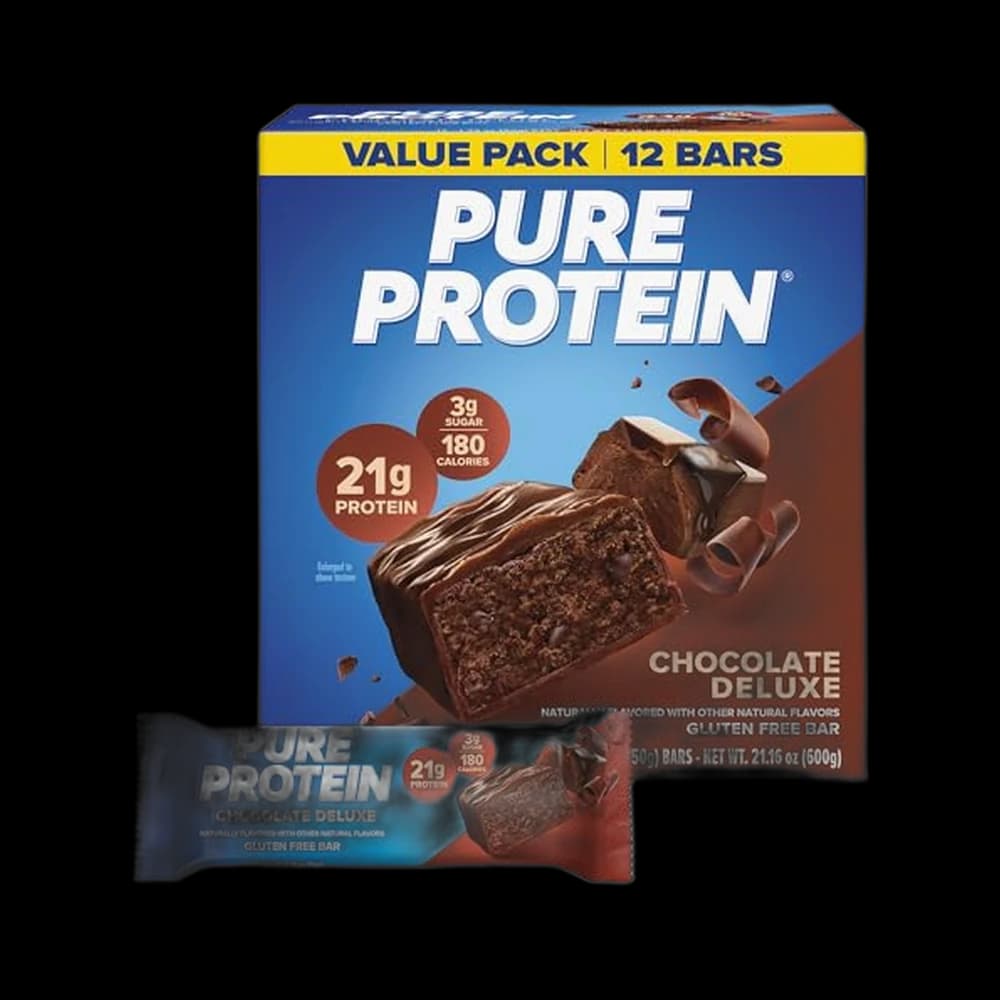
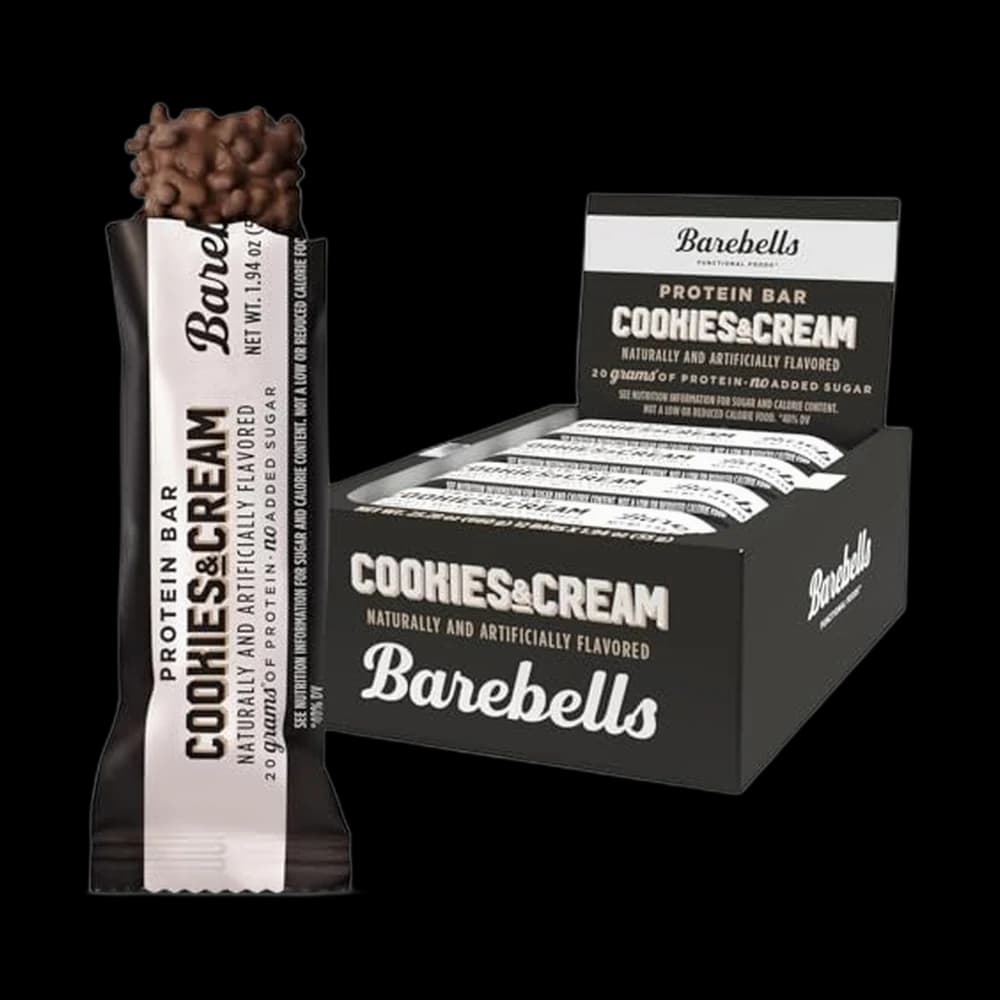
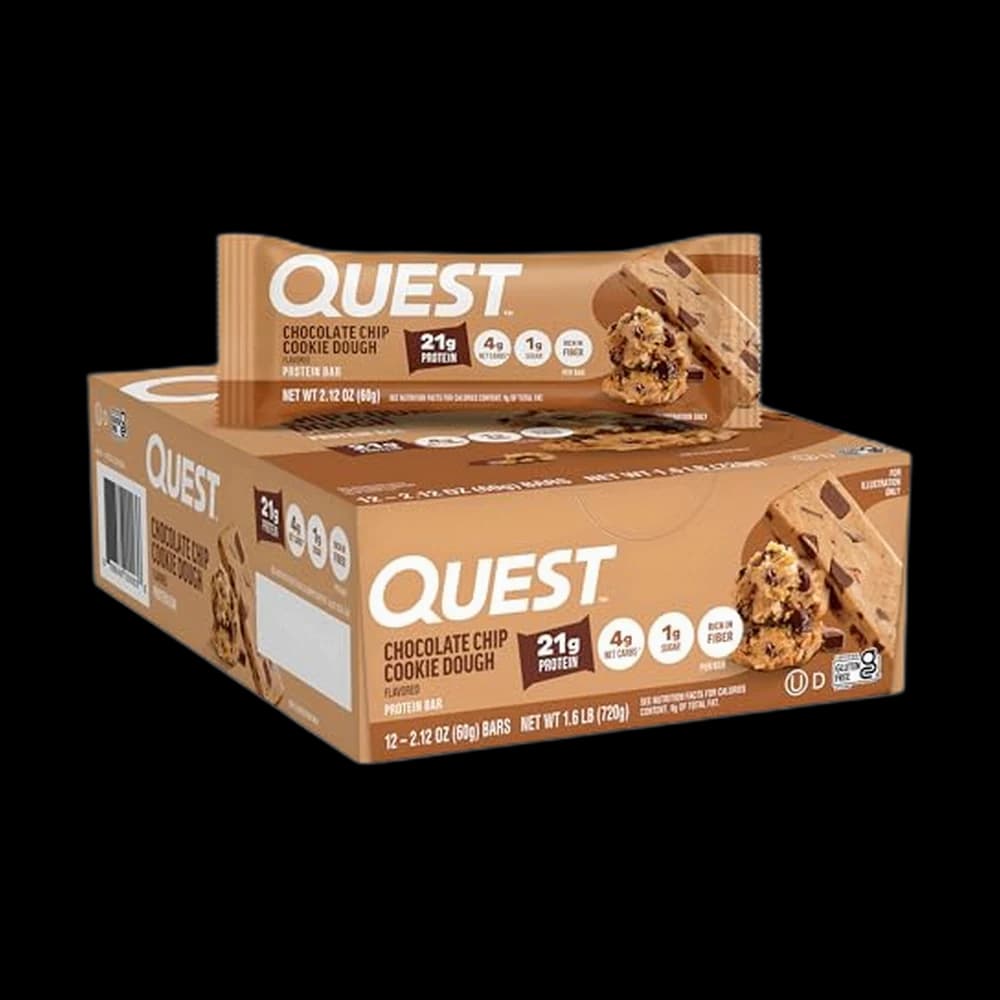
Stages 1-4
Bars ranked on protein per calorie, fiber, and whether a small appetite can finish one in a sitting.
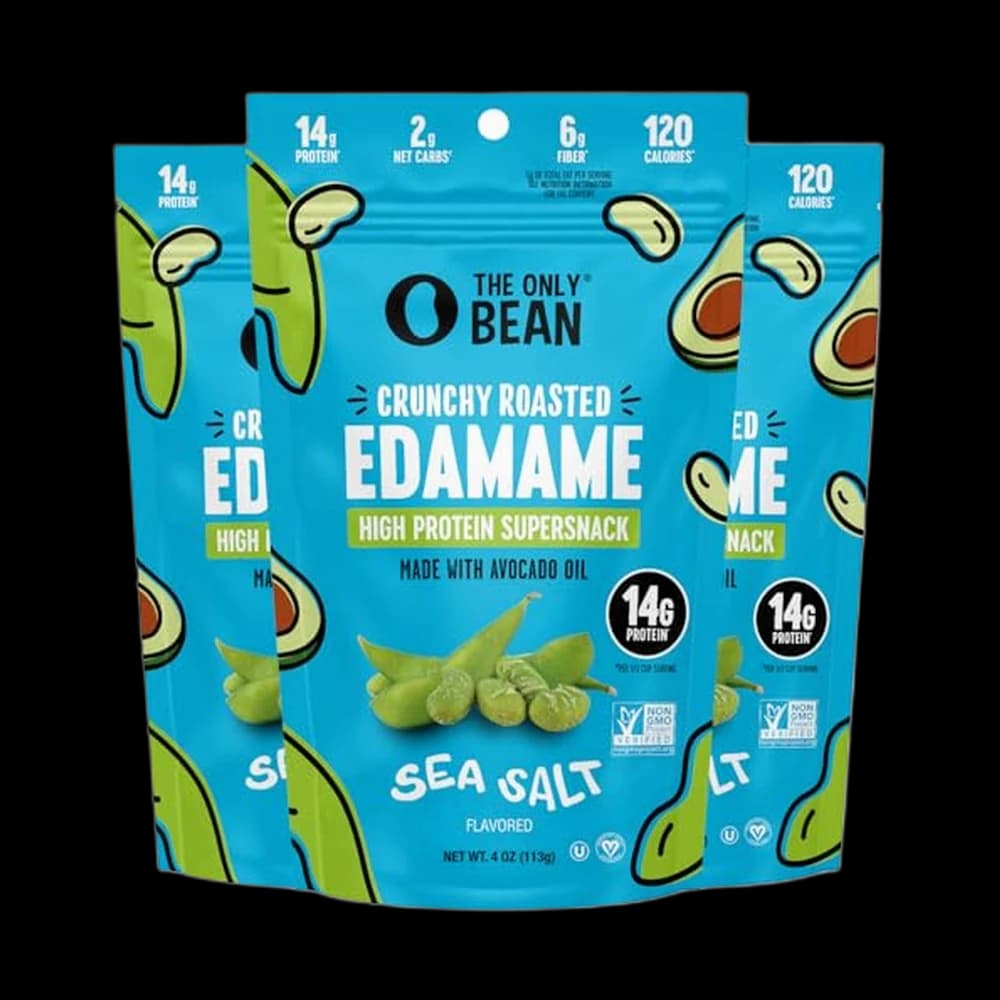
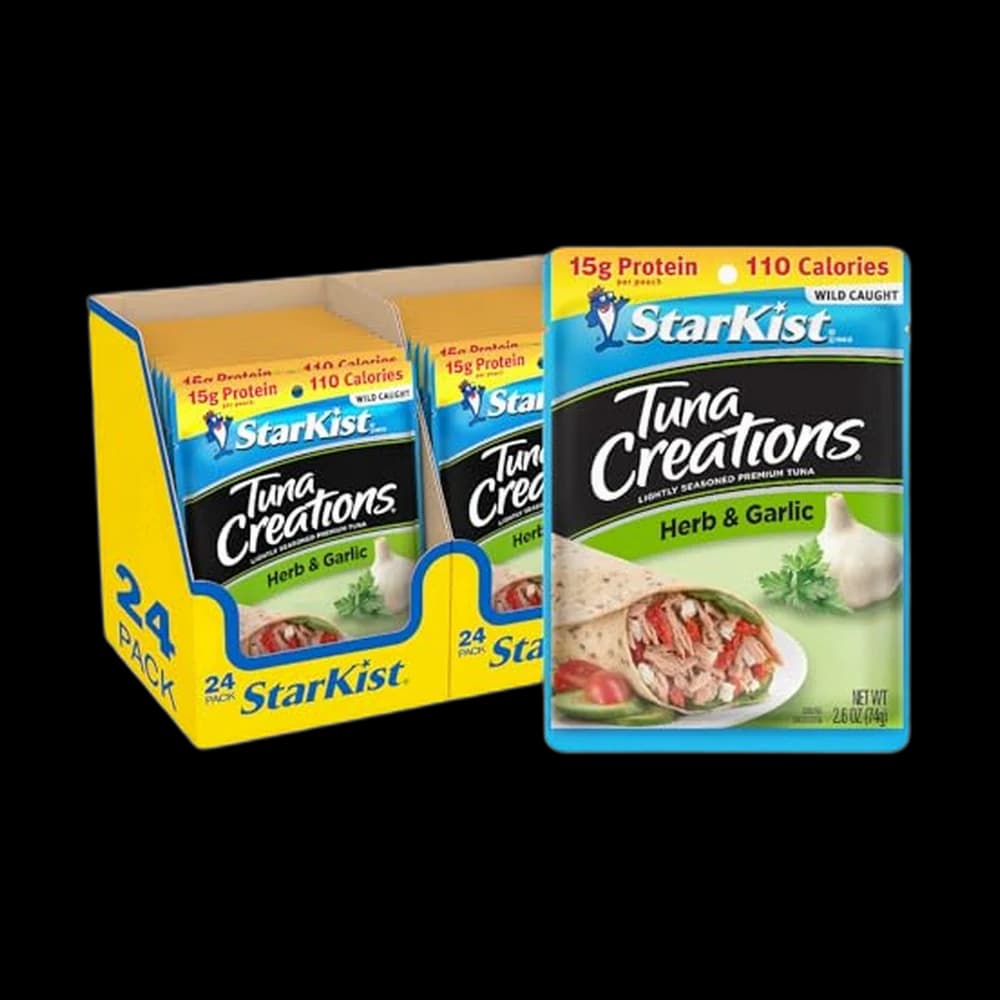
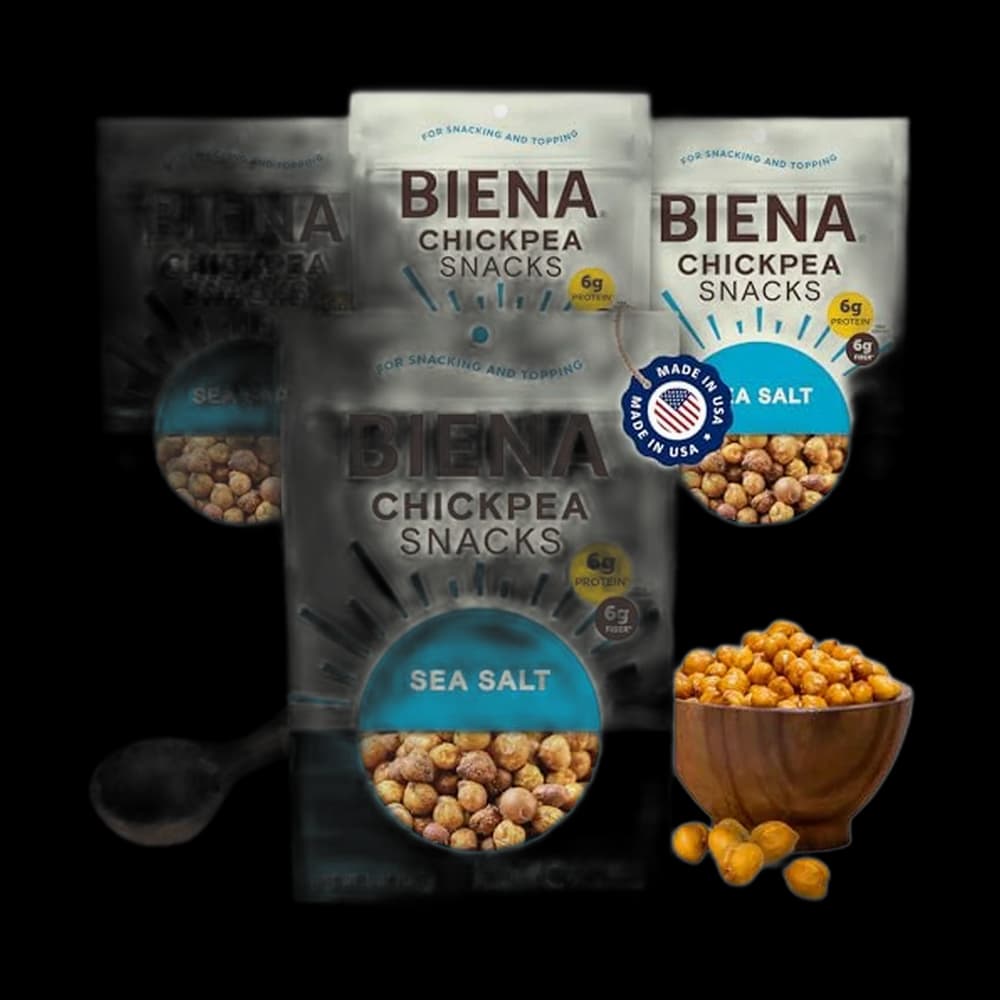
Stages 1-4
Meat sticks, seafood pouches, roasted legumes and portioned nuts, compared on protein per 100 calories and sodium.
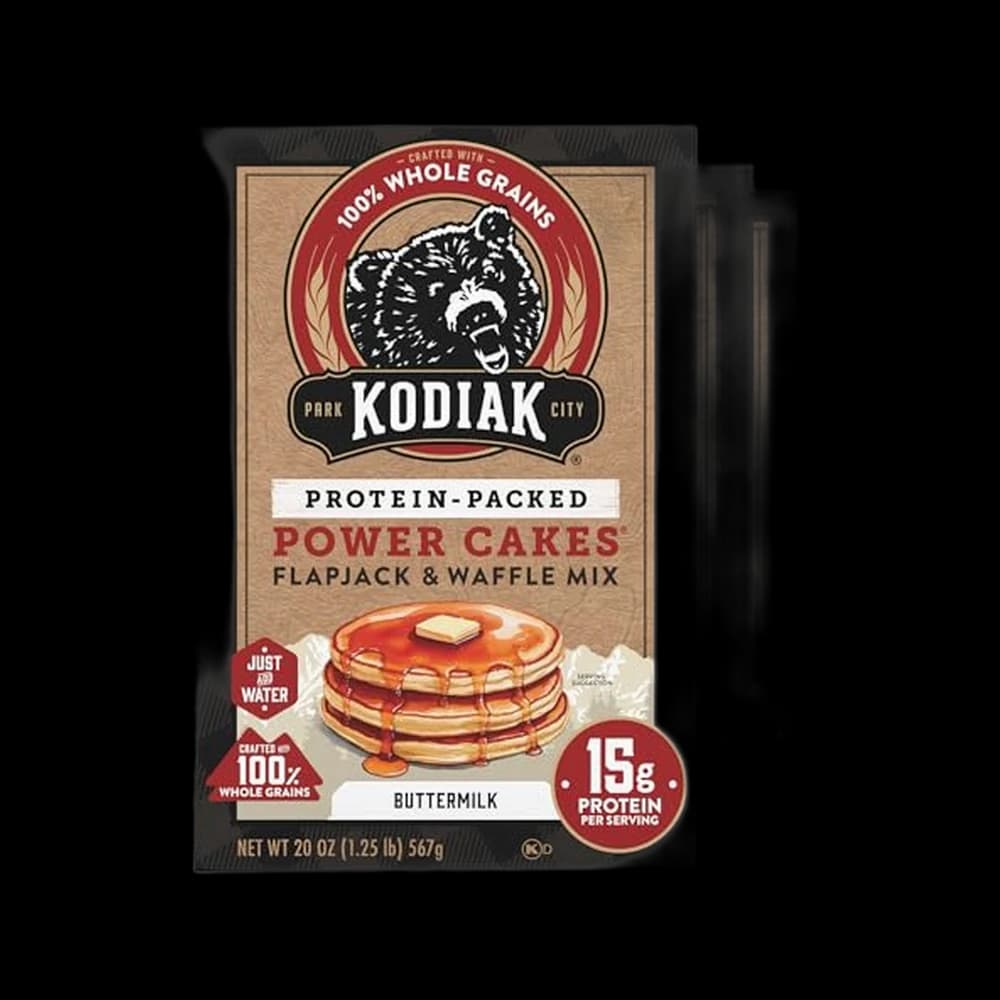
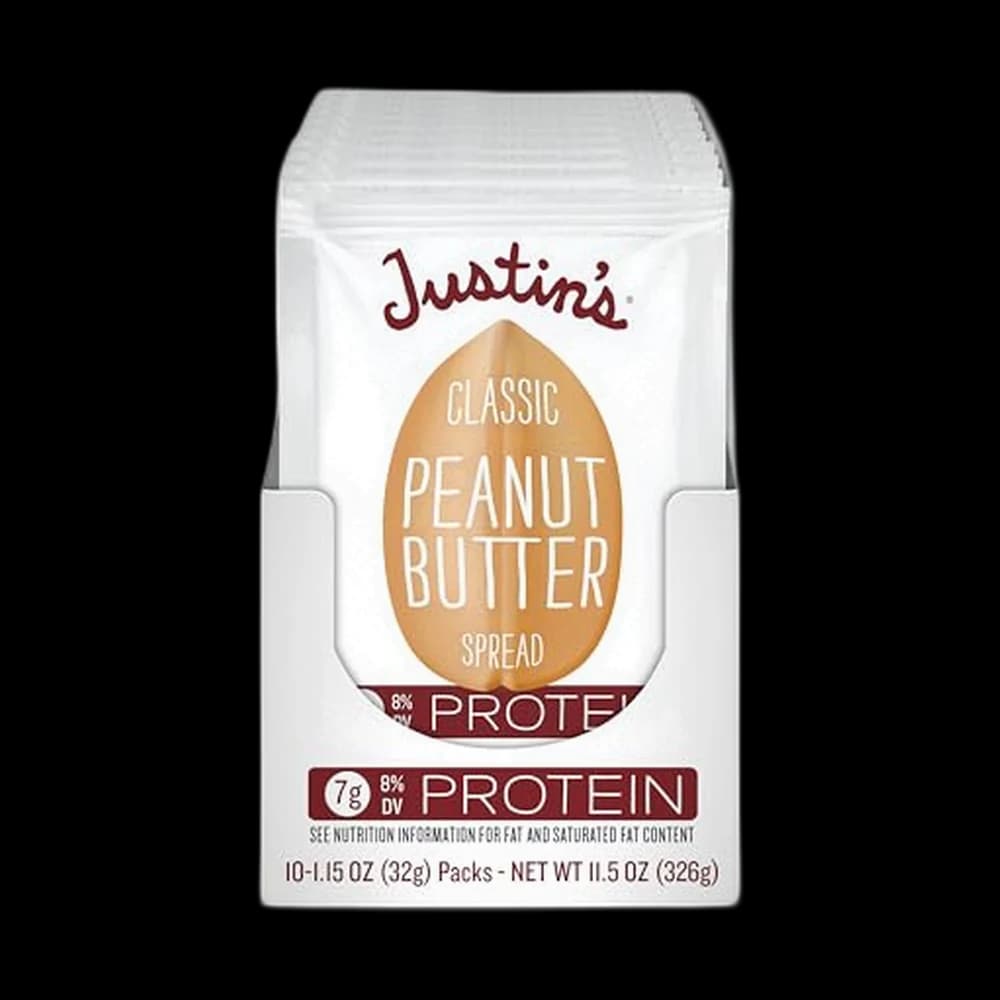
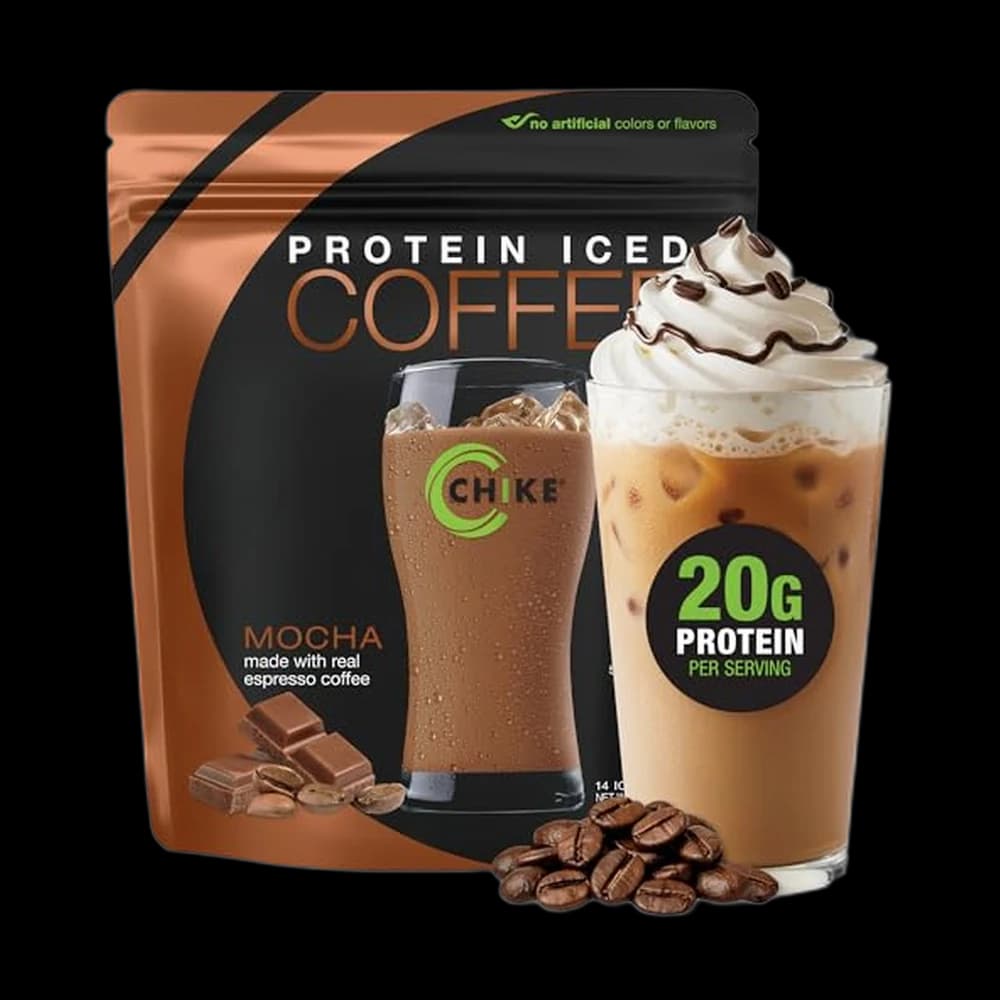
Stages 2-4
Oatmeal cups, pancake mixes, cereals and nut butters that put protein in the first meal of the day.
Stages 1–4
Fiber, electrolytes, broths and ginger comfort. This is the department we write most carefully: these products may help with comfort and intake, and none of them treat a side effect.
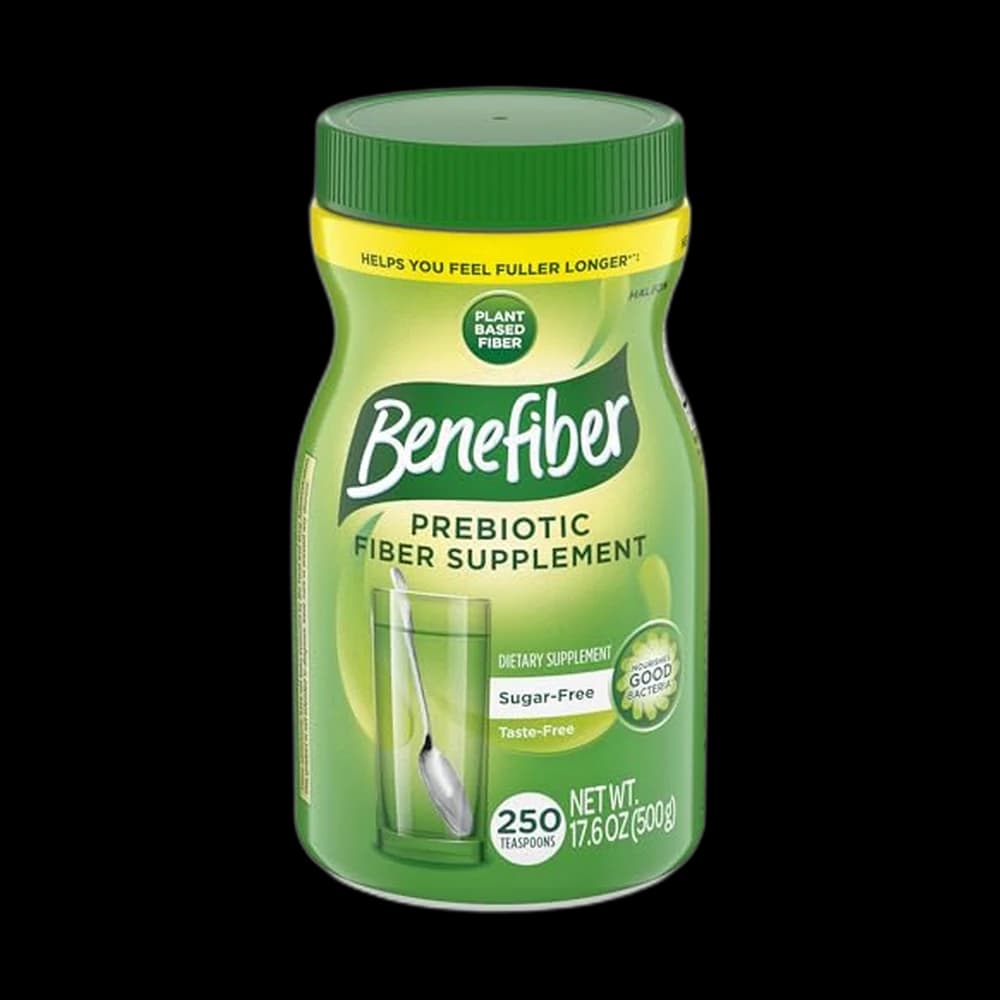

Stages 1-4
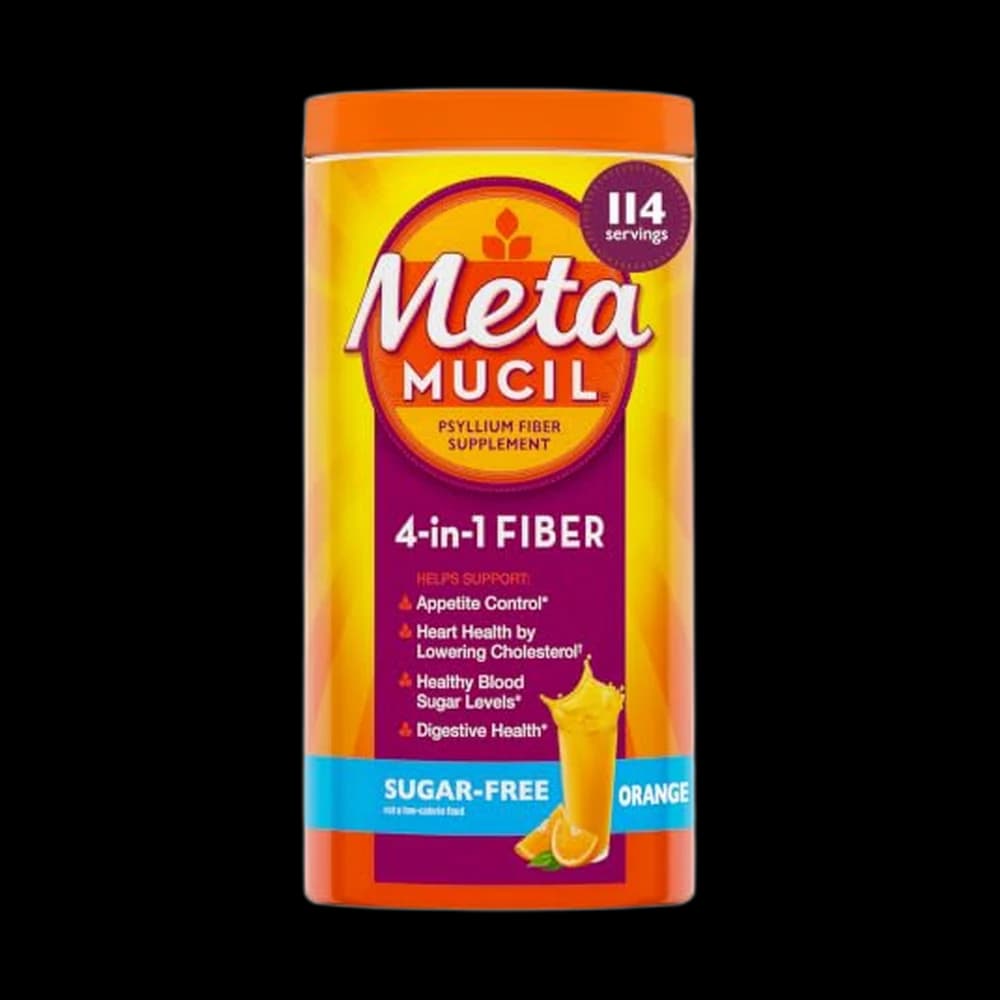
Psyllium, wheat dextrin, methylcellulose and PHGG, compared on fiber type and grams per serving. Food first; add fiber gradually, with fluid.
Stages 1-4
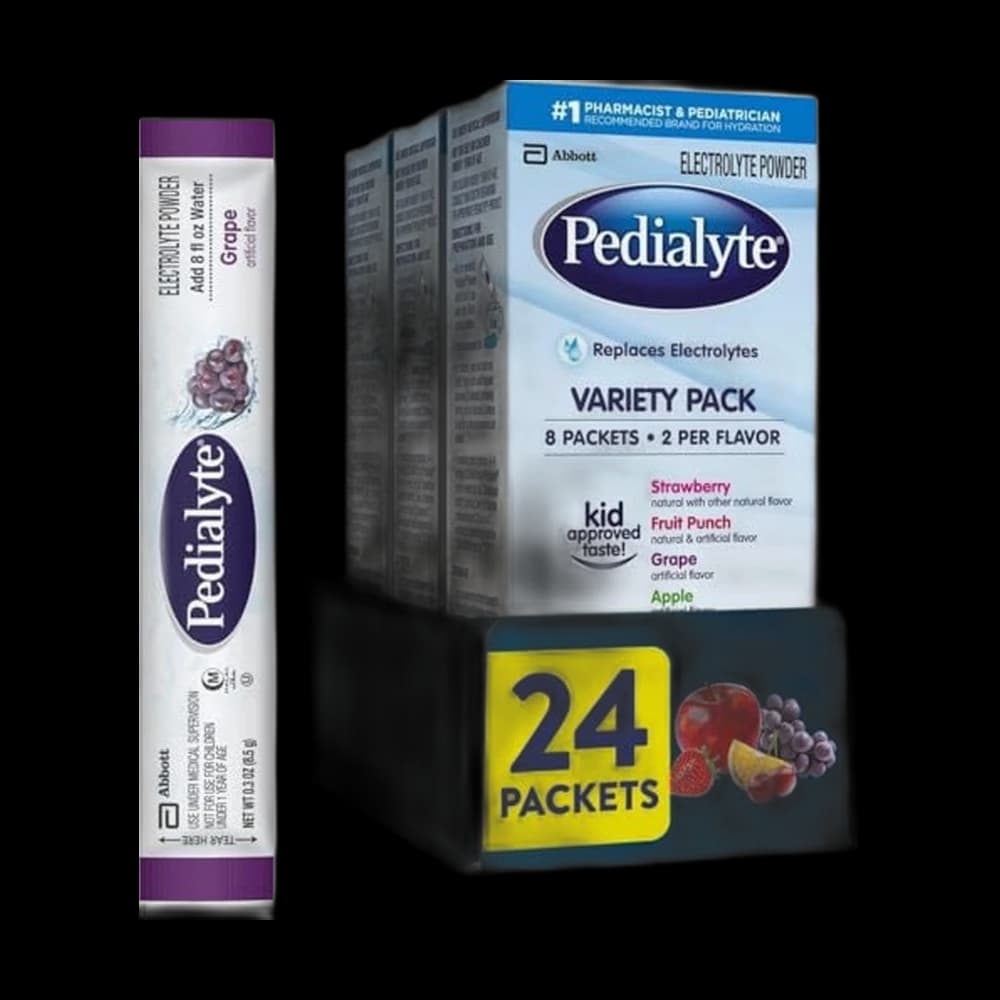
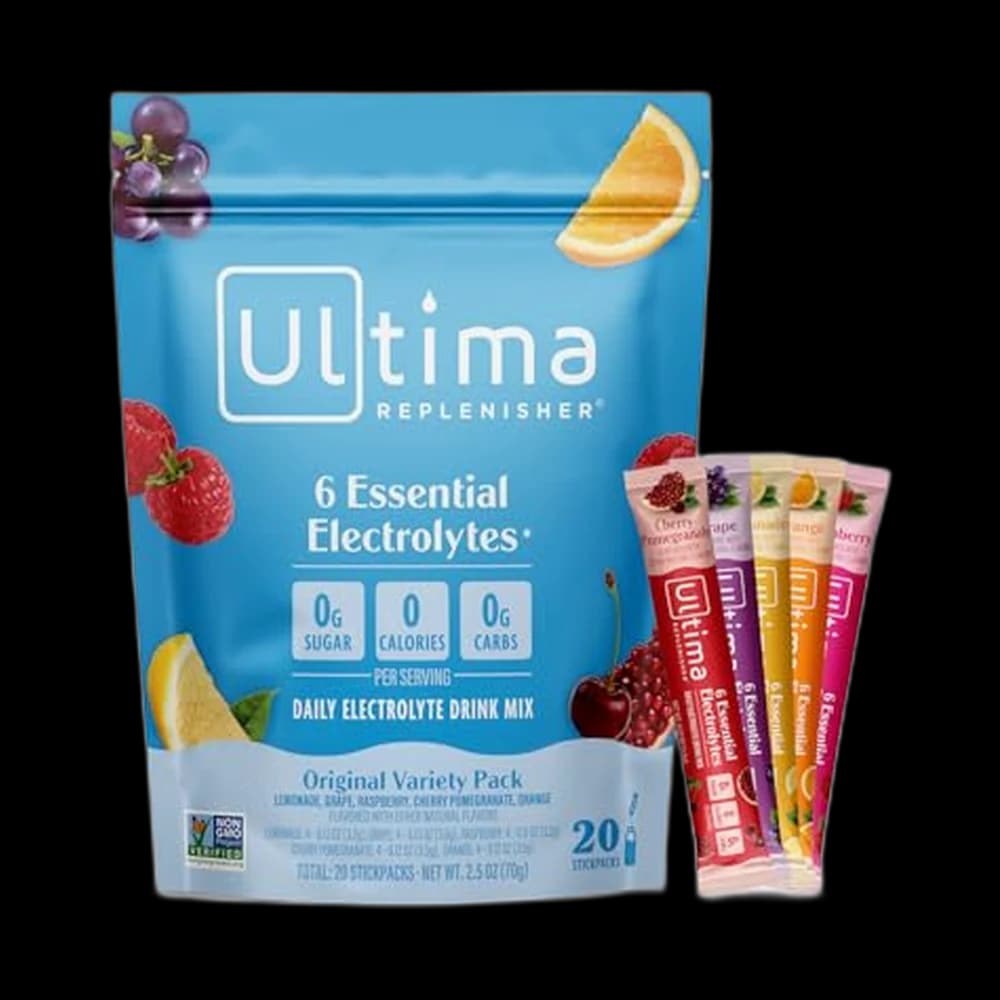
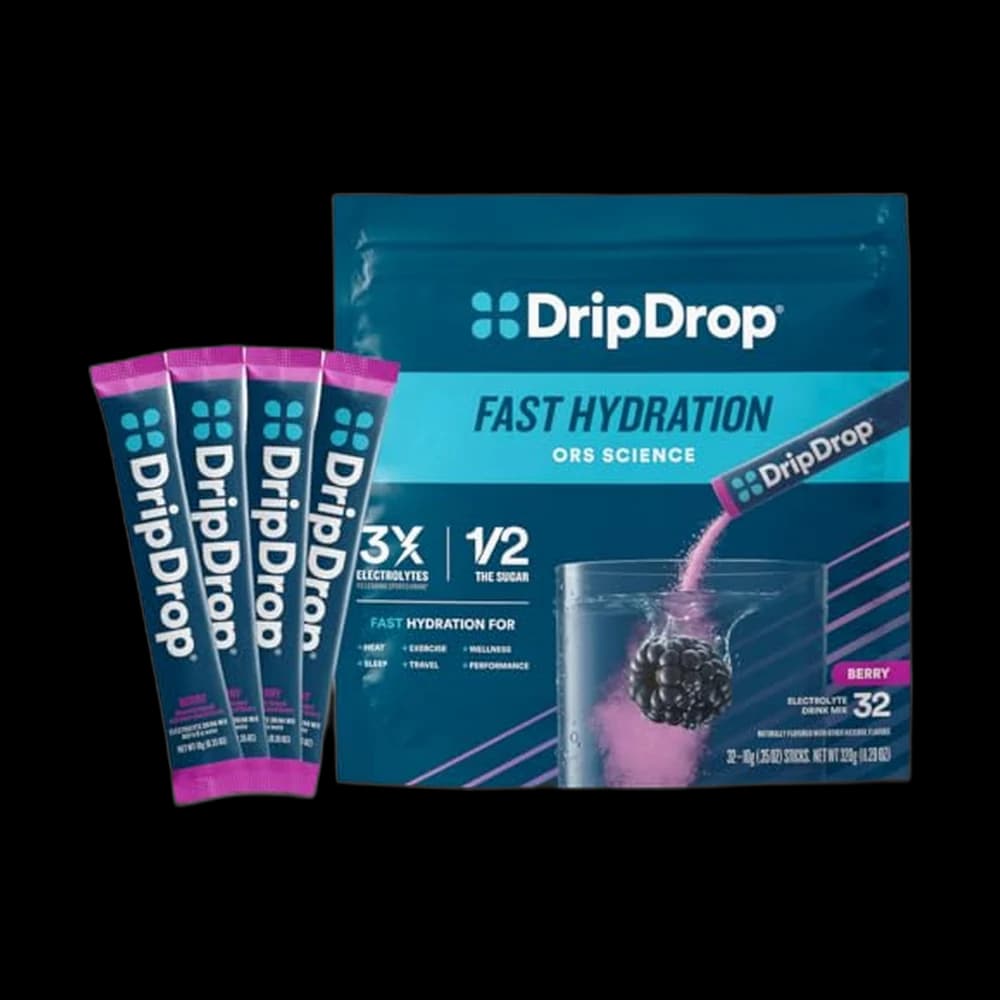
Low-sugar powders, tablets and oral rehydration salts. Sodium and potassium per serving are on the table; kidney, heart, blood-pressure or diabetes conditions mean ask your clinician first.
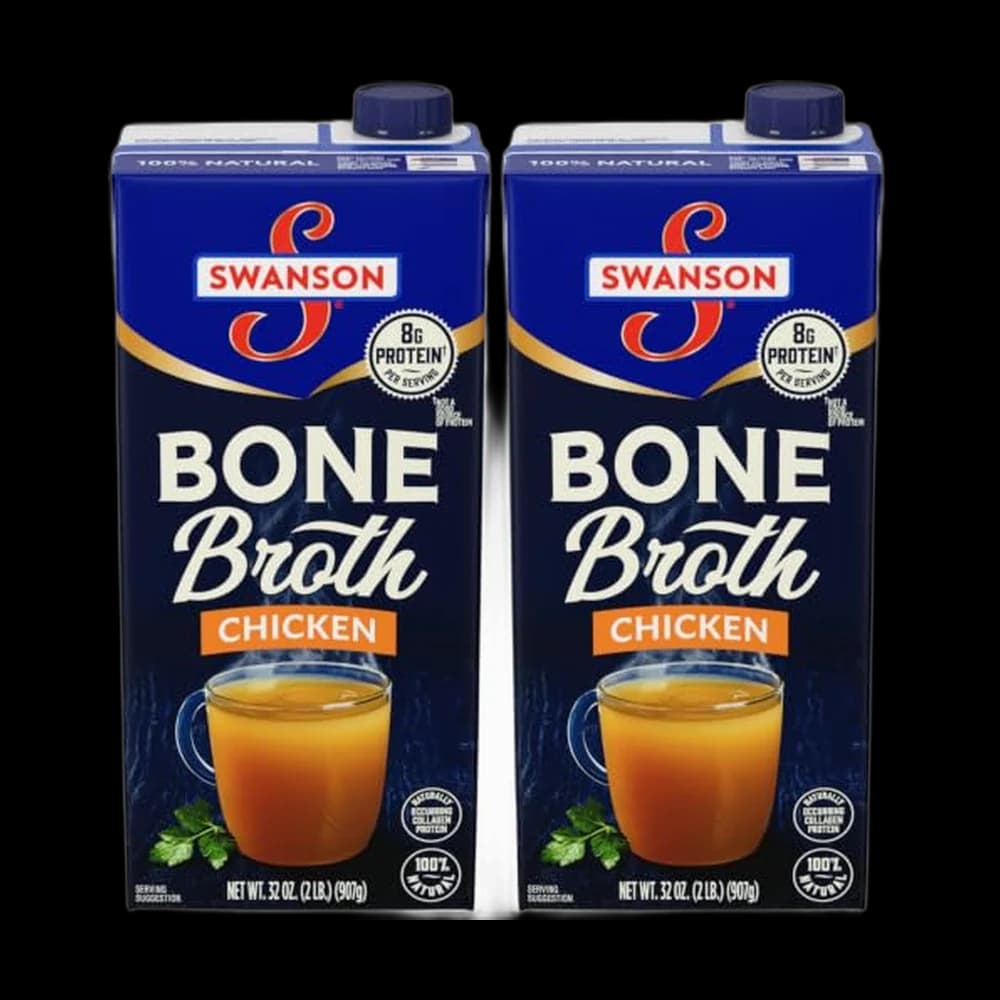
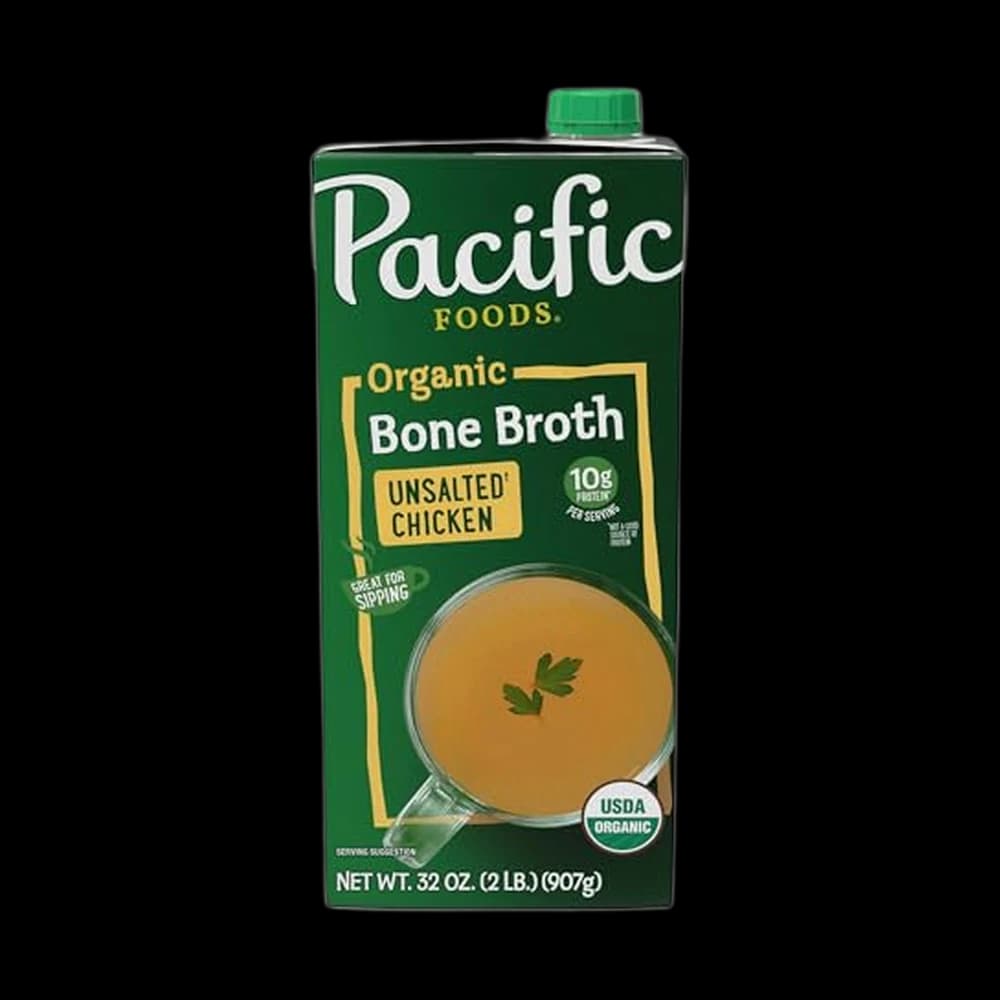
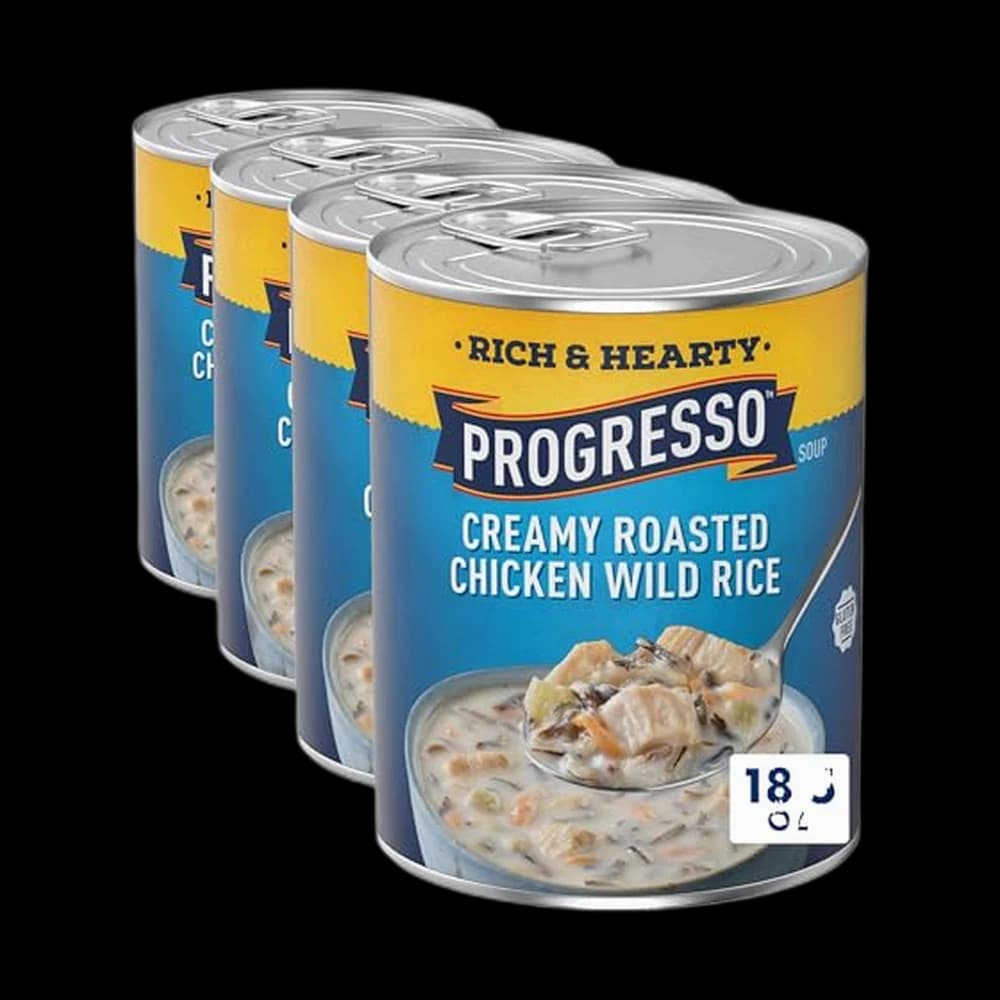
Stages 1-3
Bone broths, broth powders and higher-protein soups for days when a mug is all you can manage. Sodium is on the table.

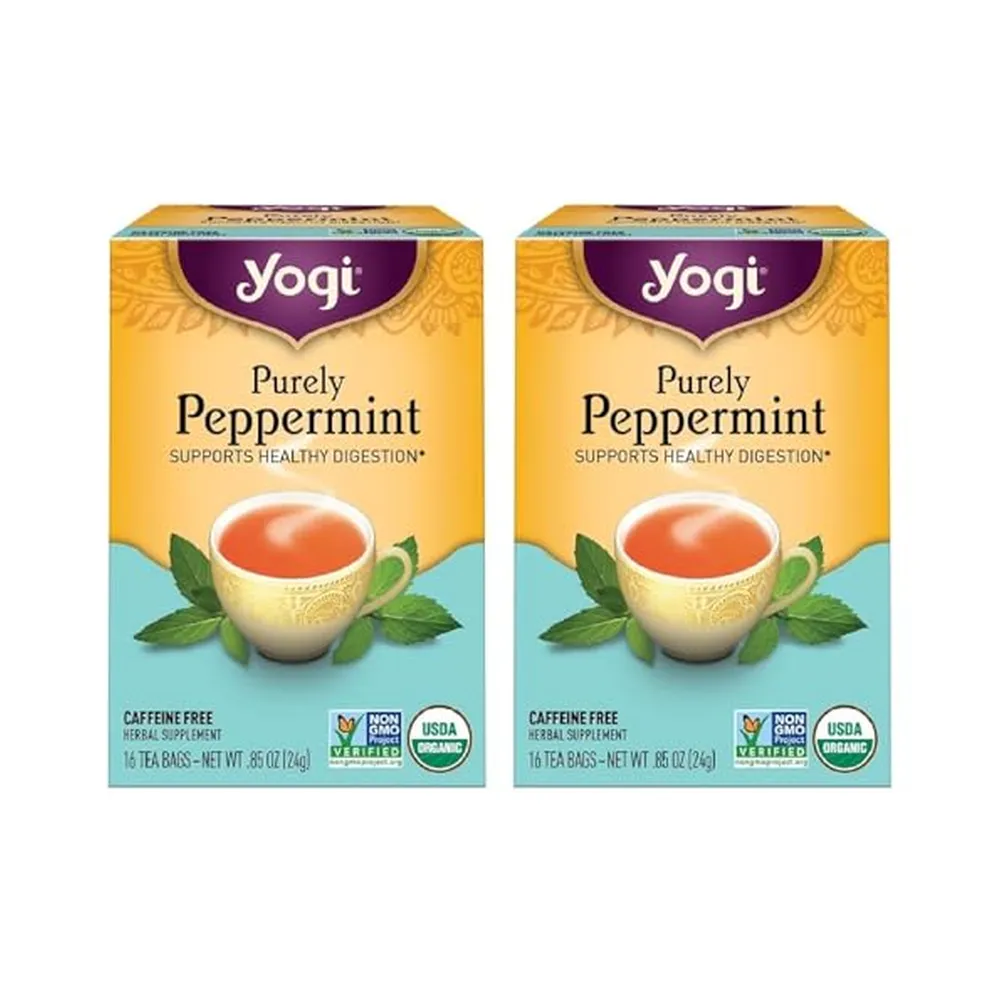
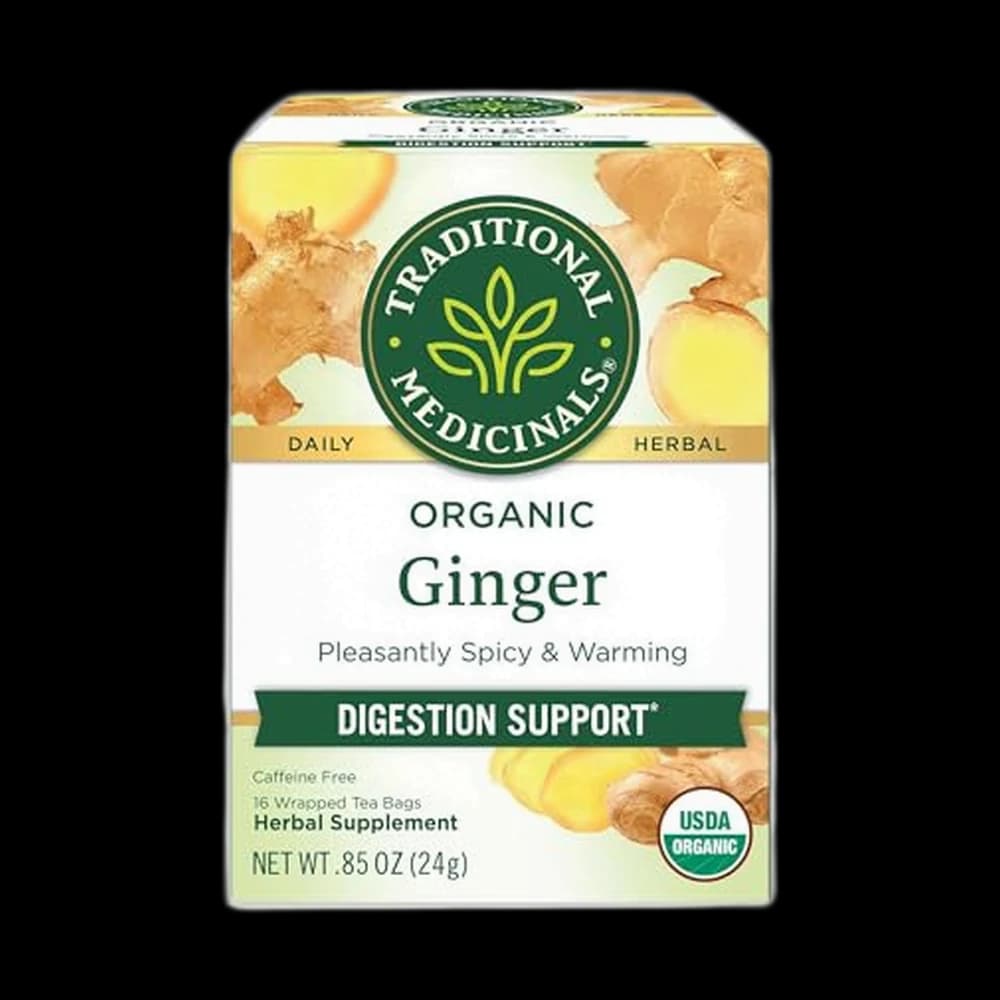
Stages 1-2
Ginger chews, teas and lozenges people reach for when food feels wrong. Comfort items, not treatments — persistent or severe symptoms go to your prescriber.
Stages 0–4
The 4–8 oz kitchen. Containers that hold what they claim, blenders that beat powder clumps, bottles you will actually sip from, and a scale to stop the guessing.
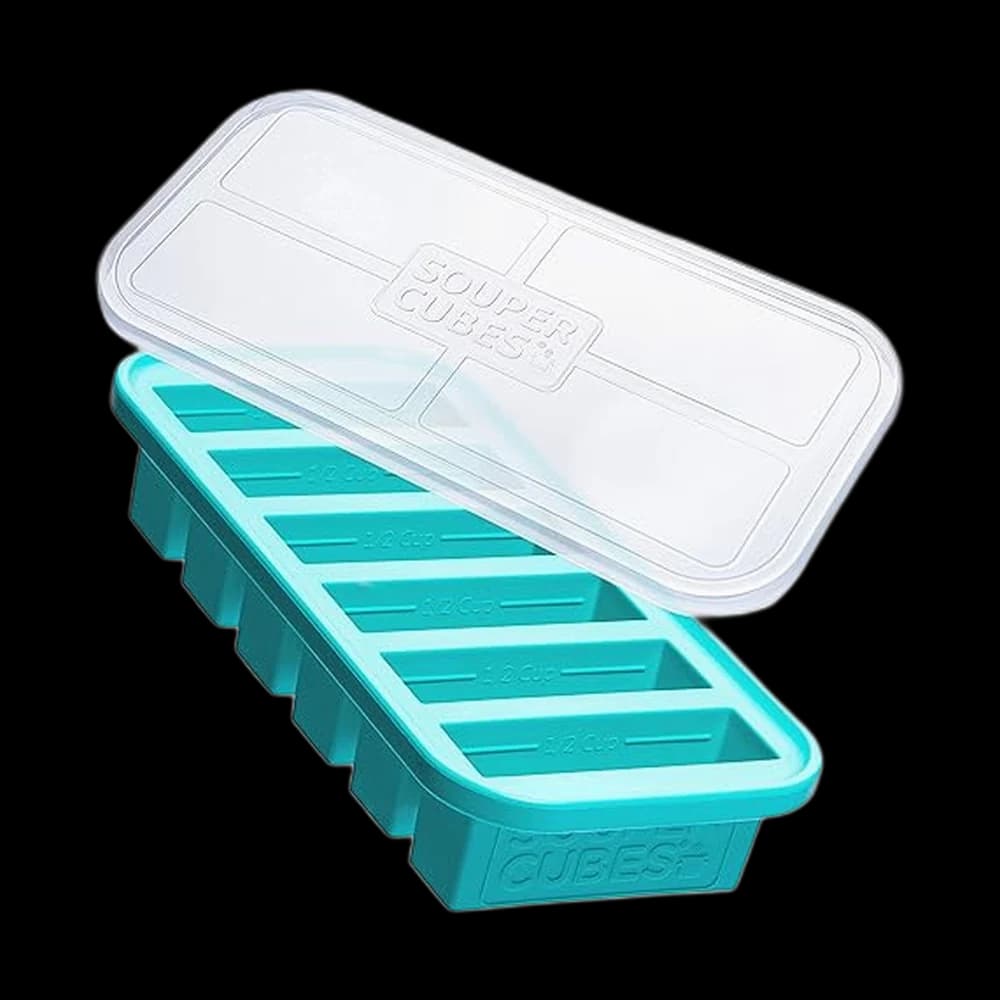
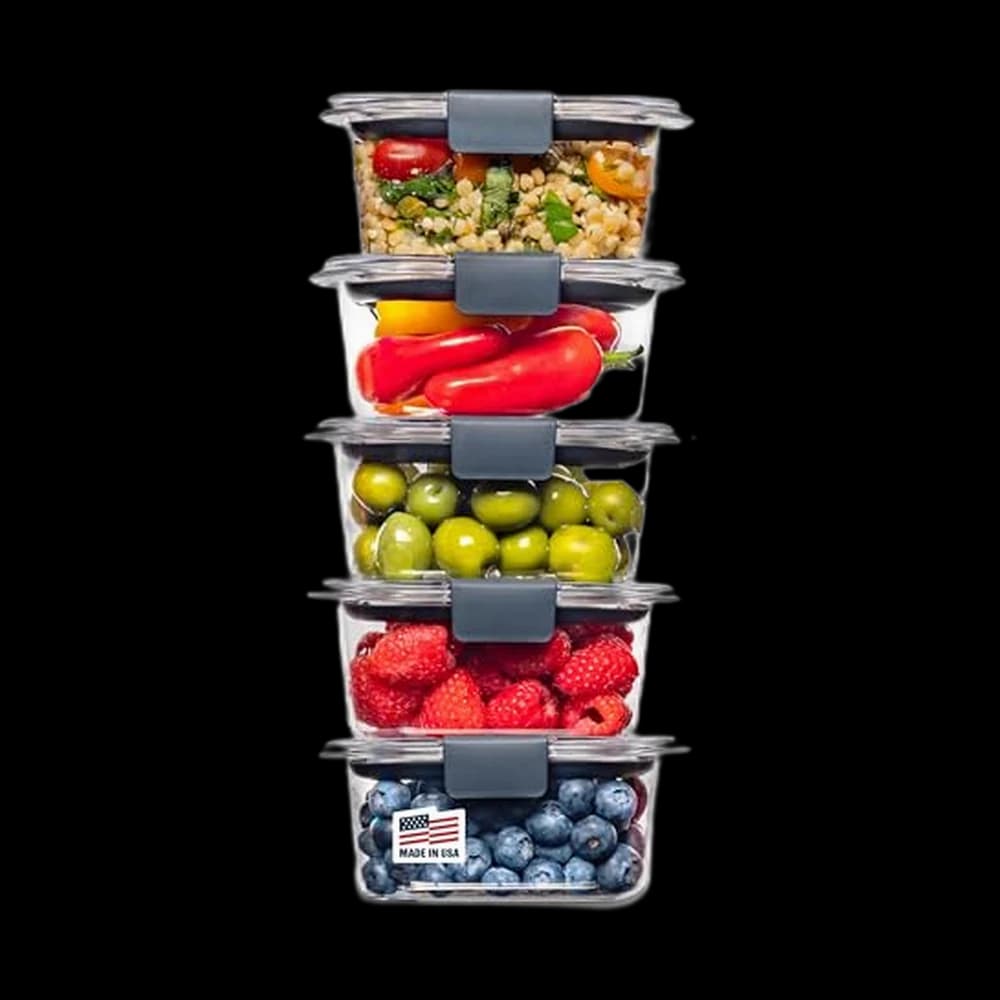
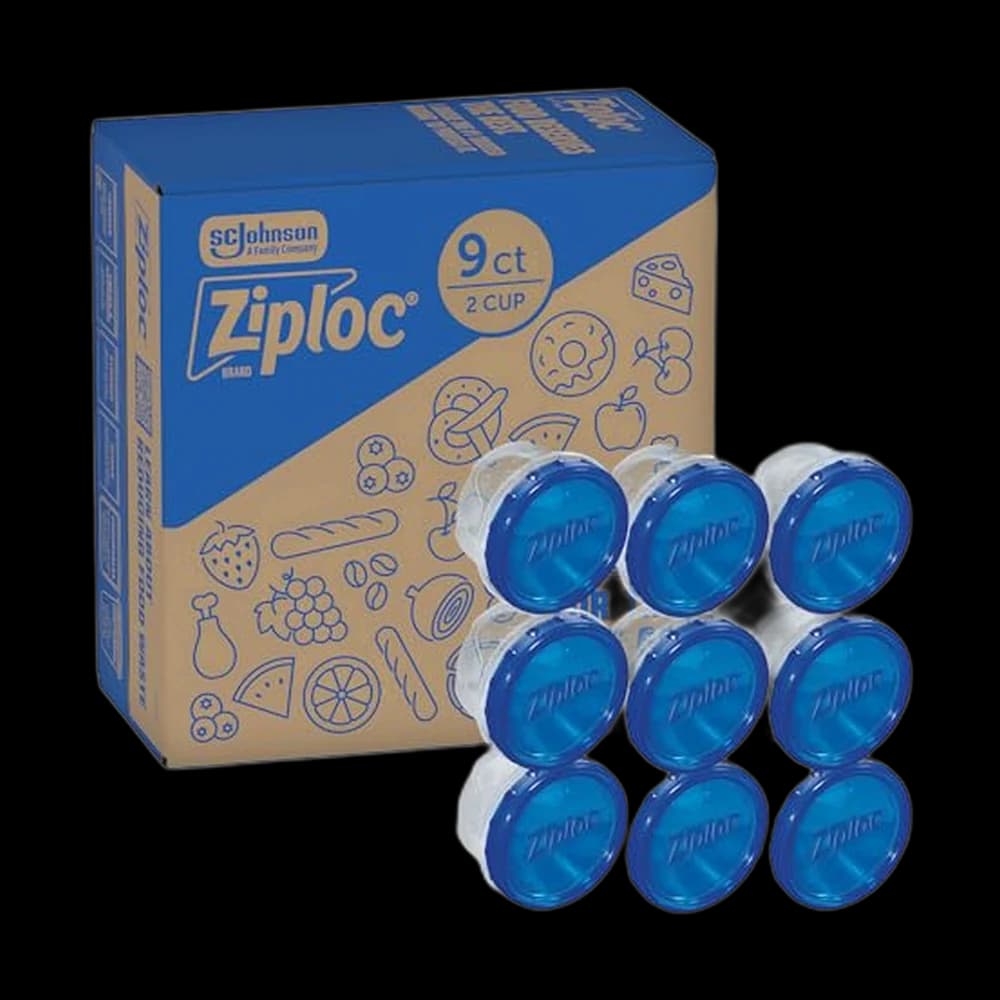
Stages 1-4
4 to 8 oz containers, divided snack boxes and freezer trays, compared on true capacity, leak resistance and freezer safety.
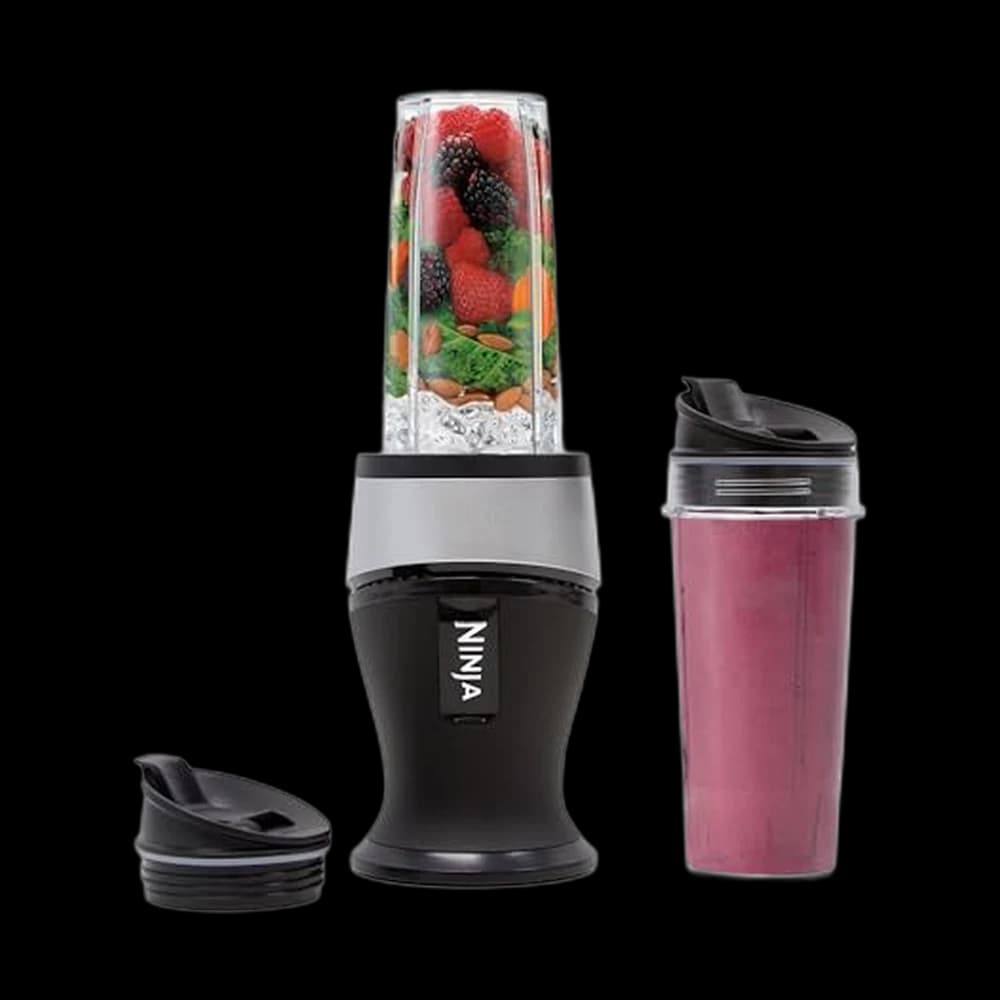
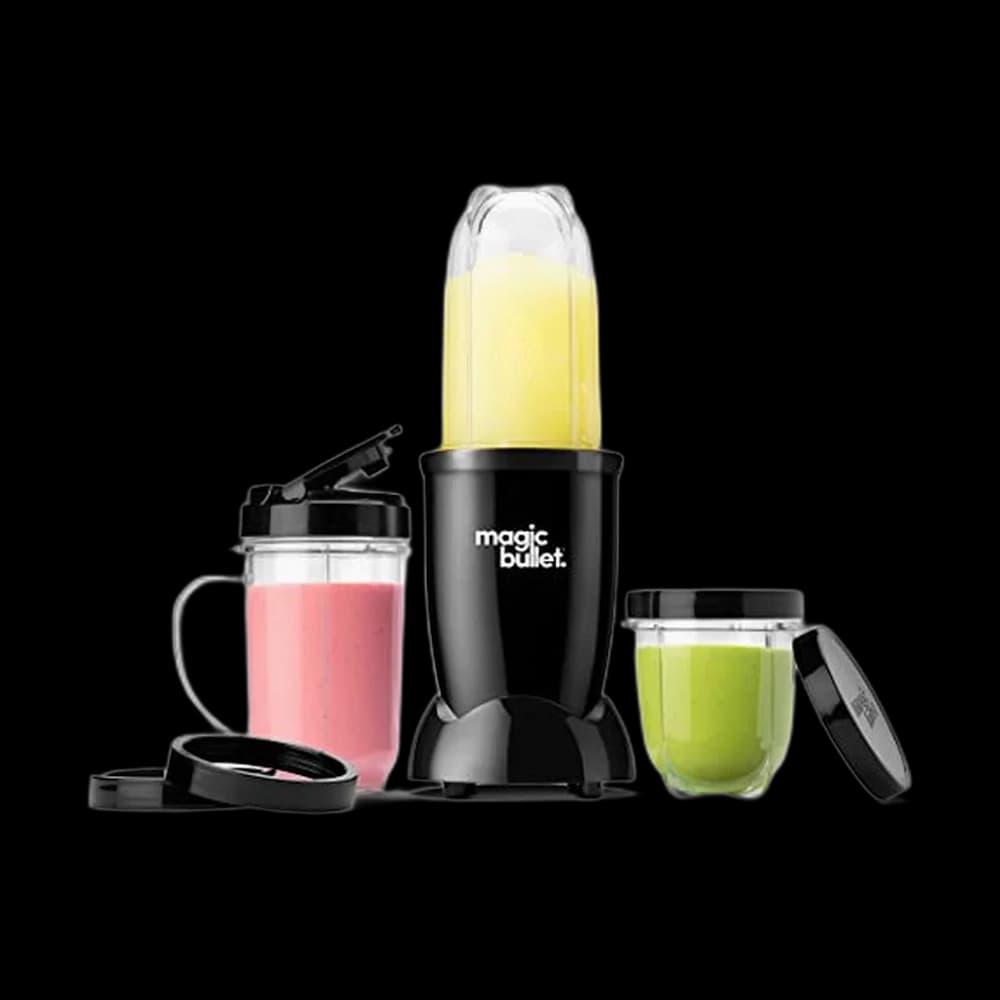
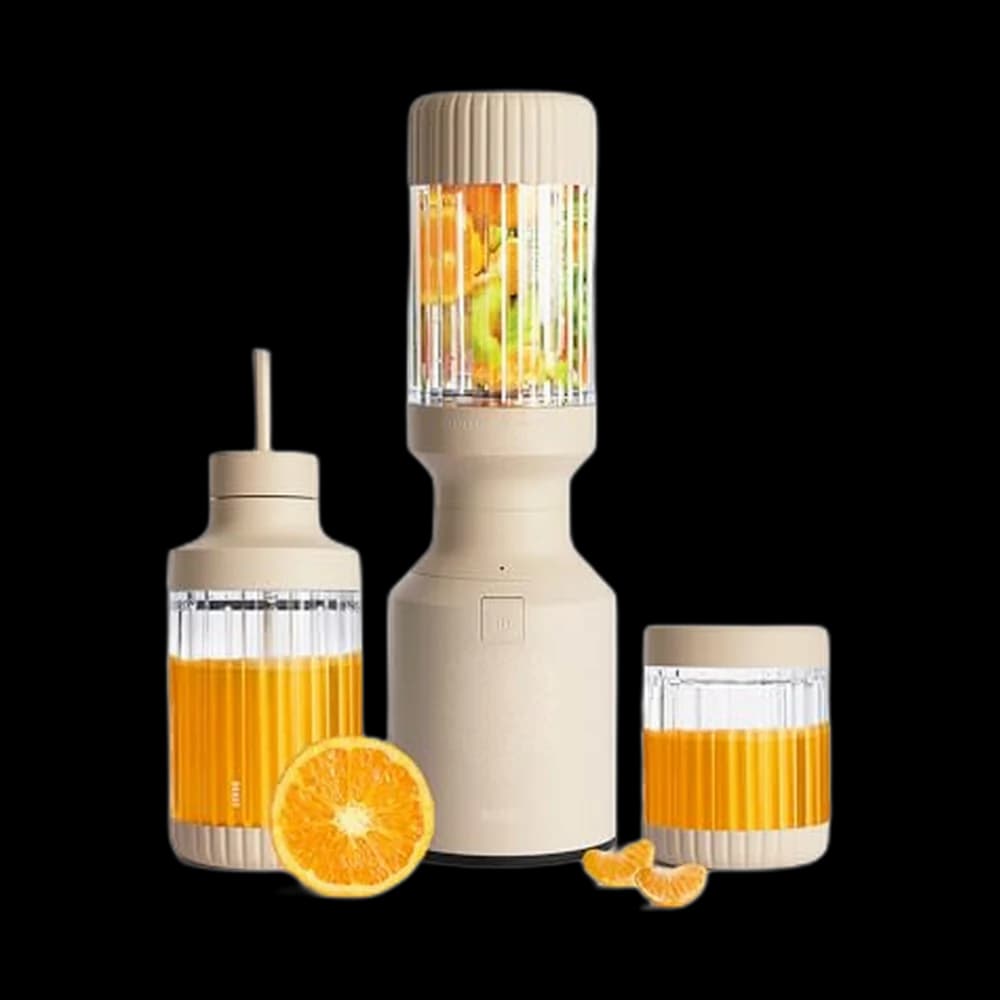
Stages 2-4
Personal and portable blenders judged on powder clumping, noise and how many parts you have to wash.
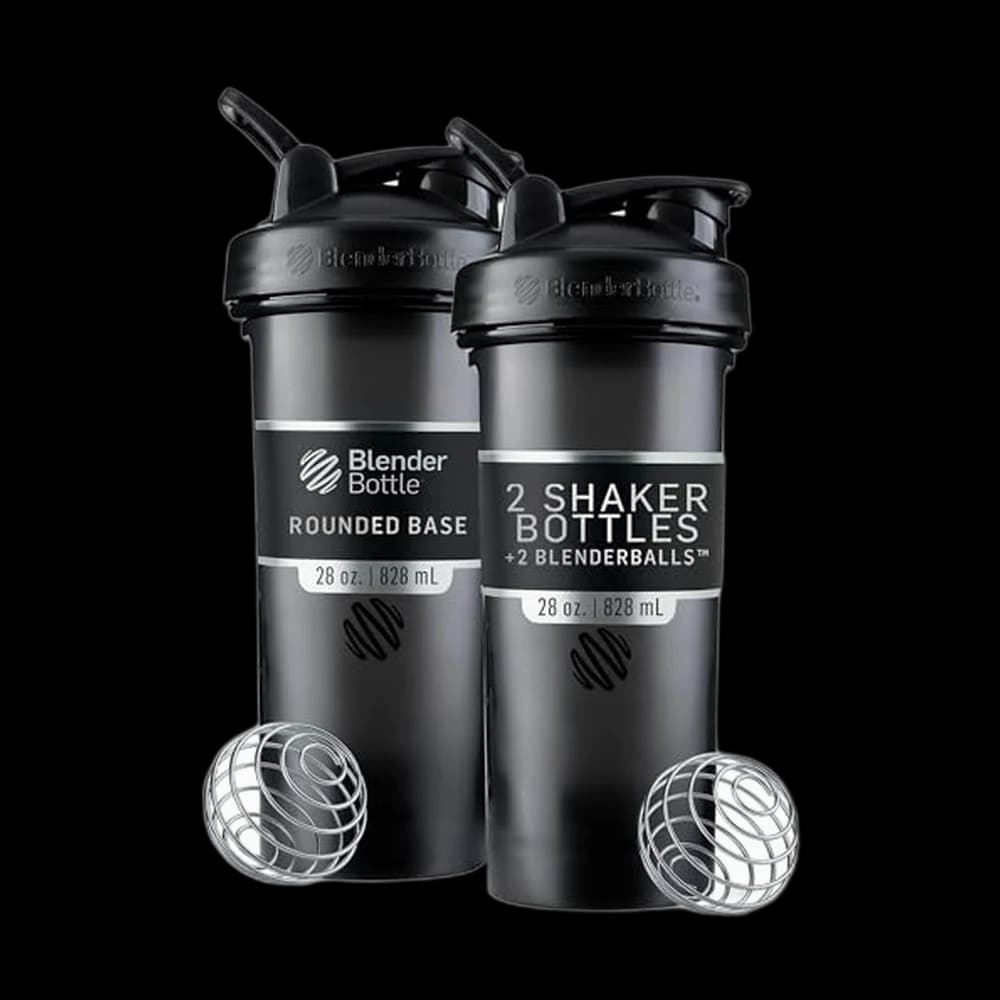
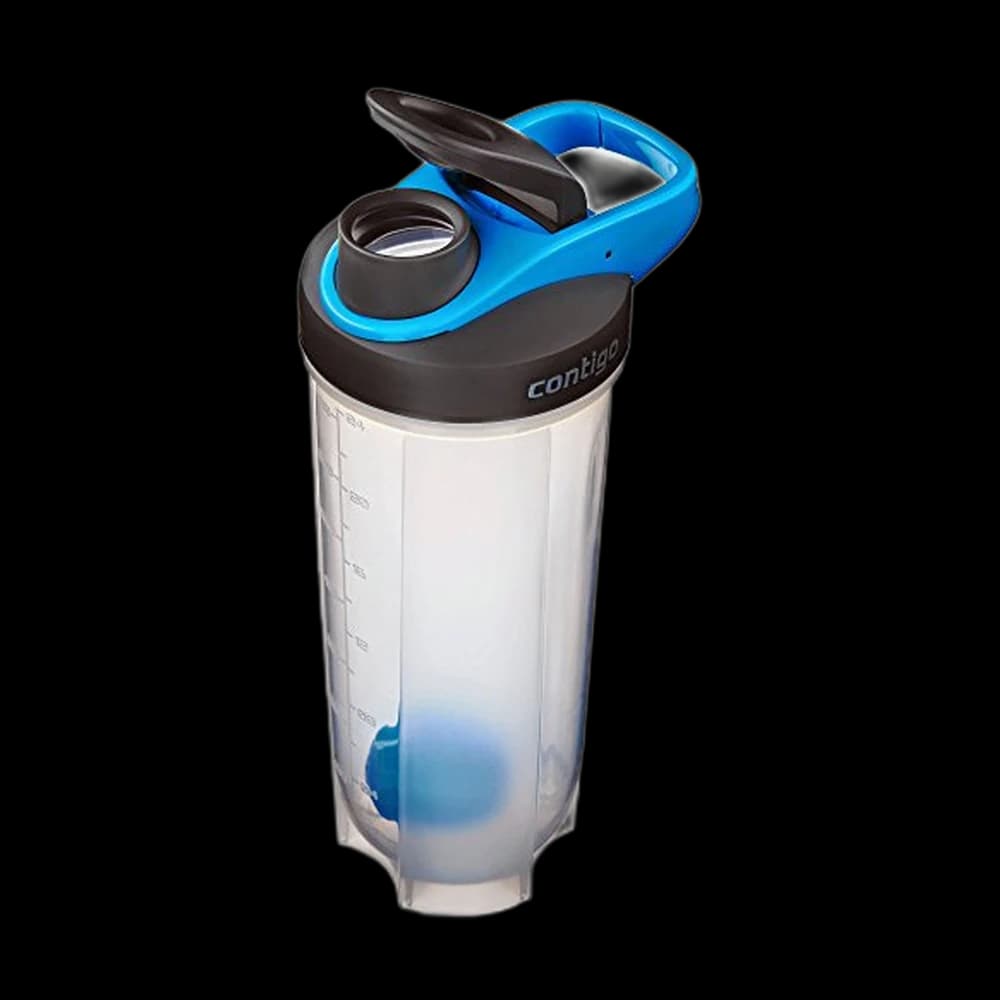
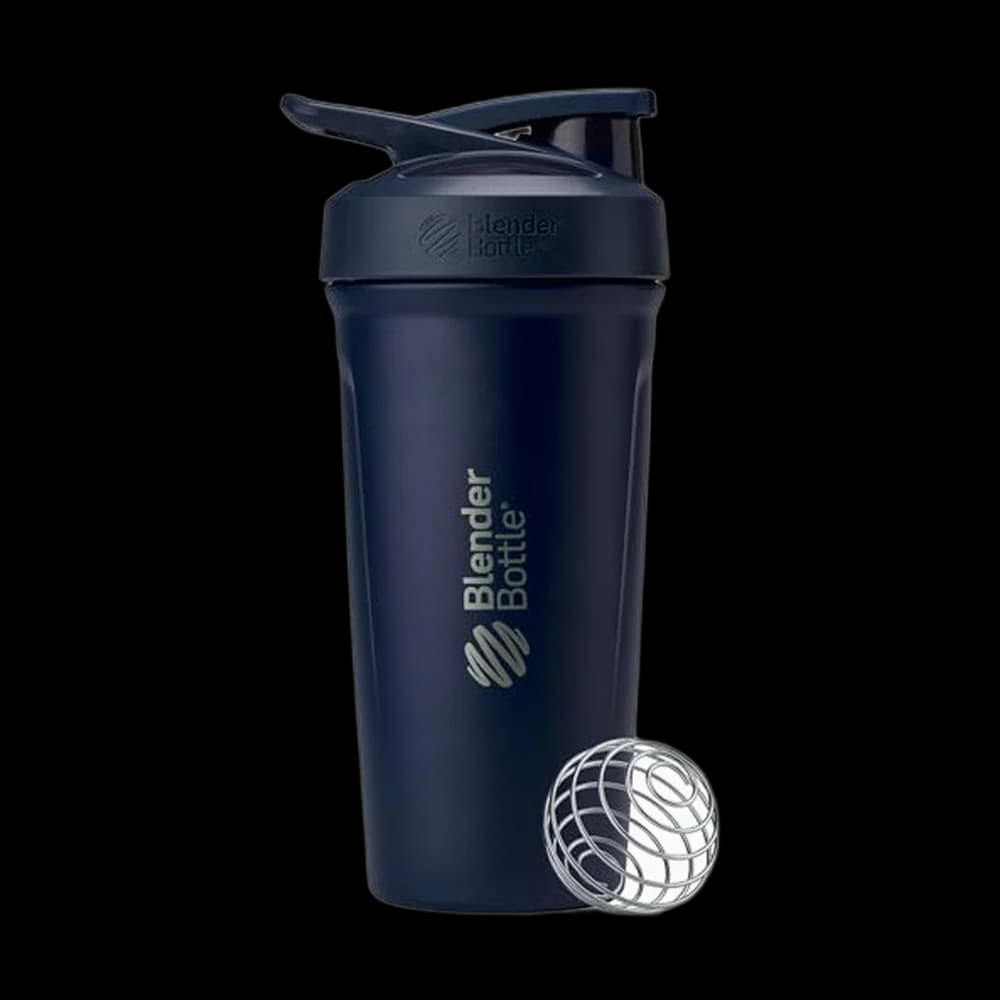
Stages 1-4
Agitator type, leak resistance, ounce markings and dishwasher tolerance — the difference between a shake you drink and one you smell for a week.
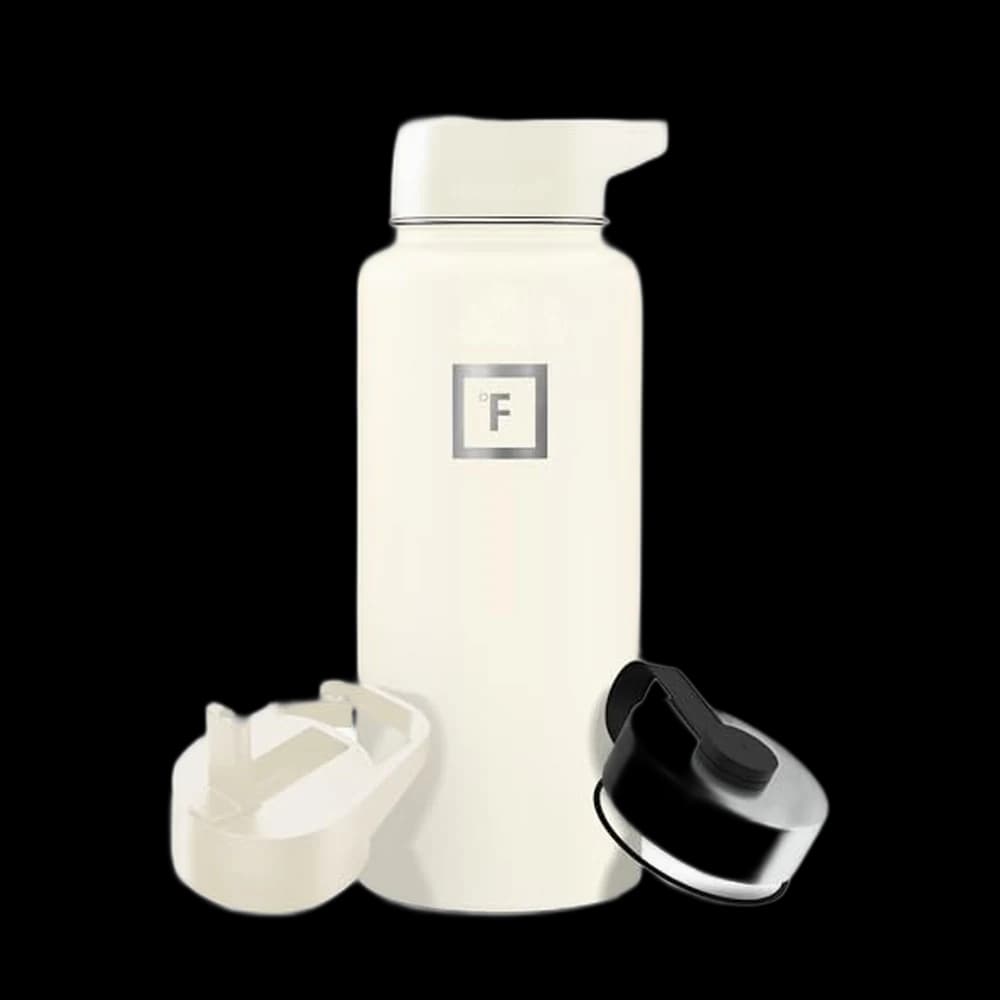
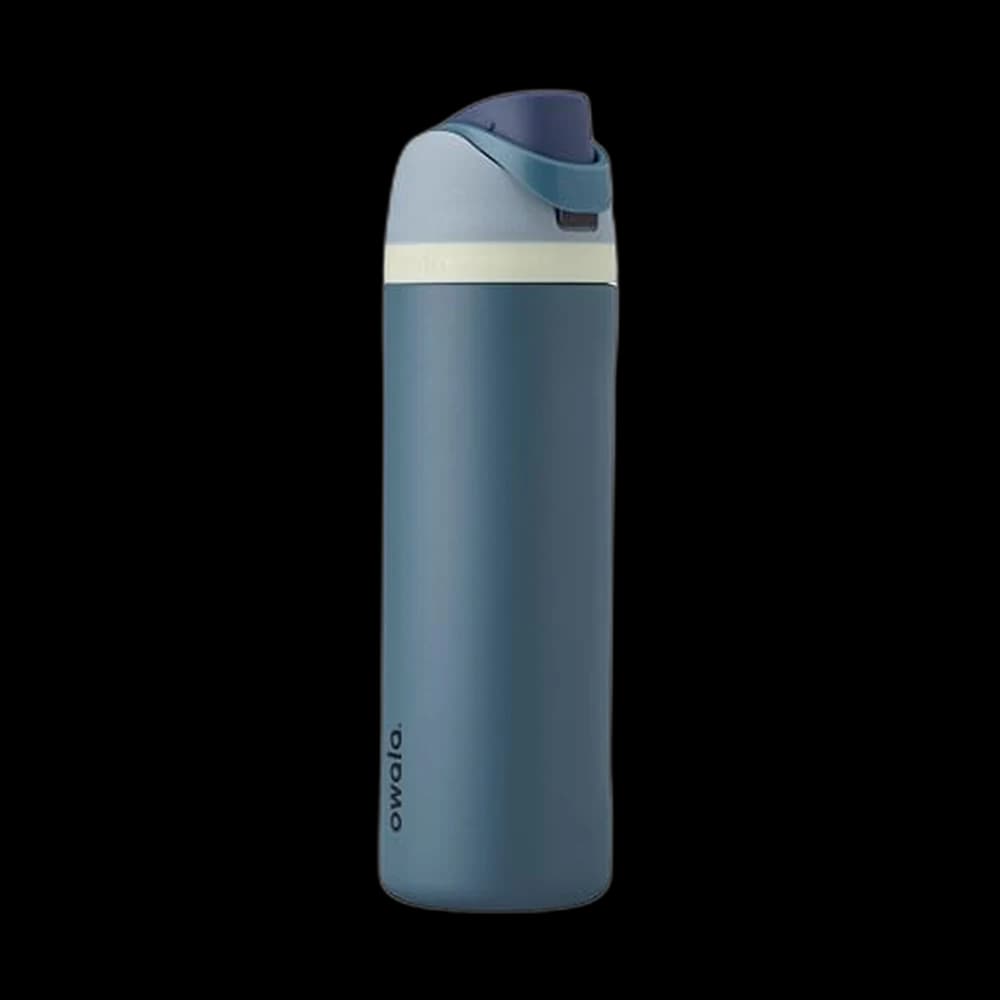
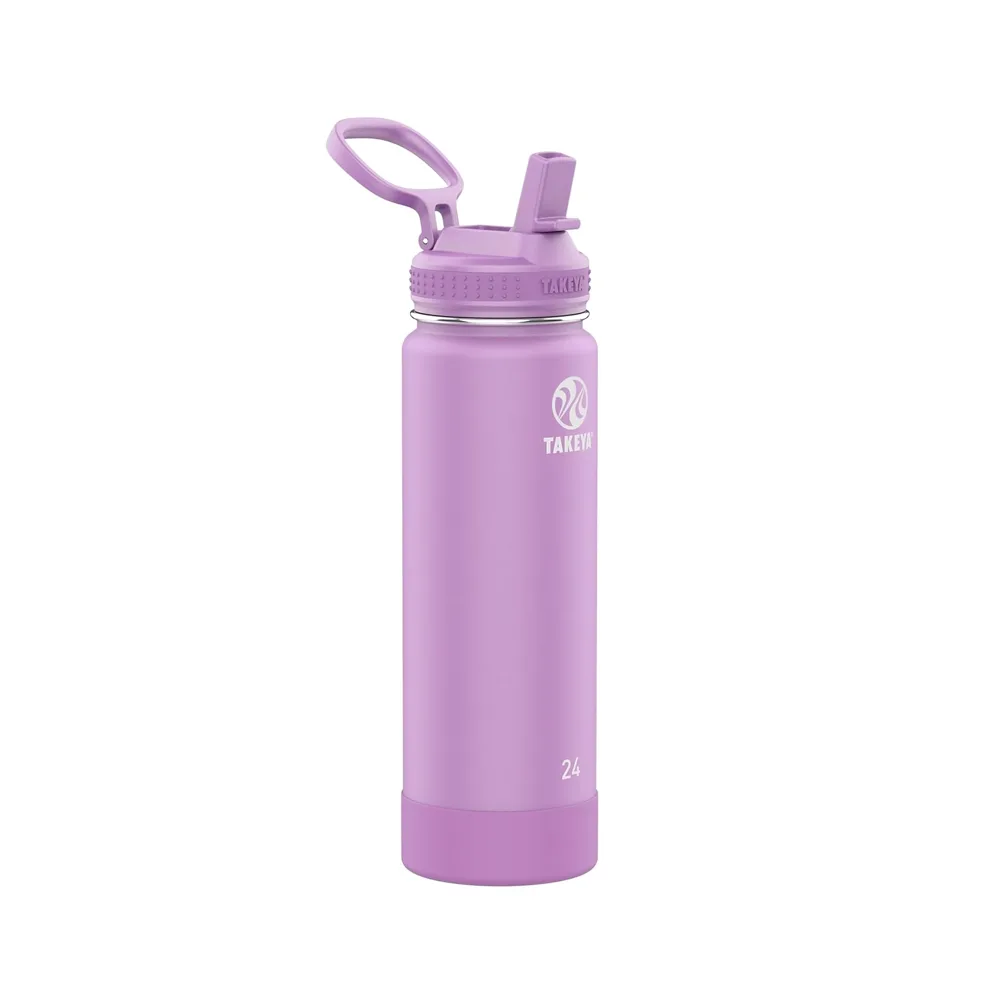
Stages 0-4
Straw lids, time markers and insulated bodies, judged on one-handed sipping and whether they fit a cup holder.
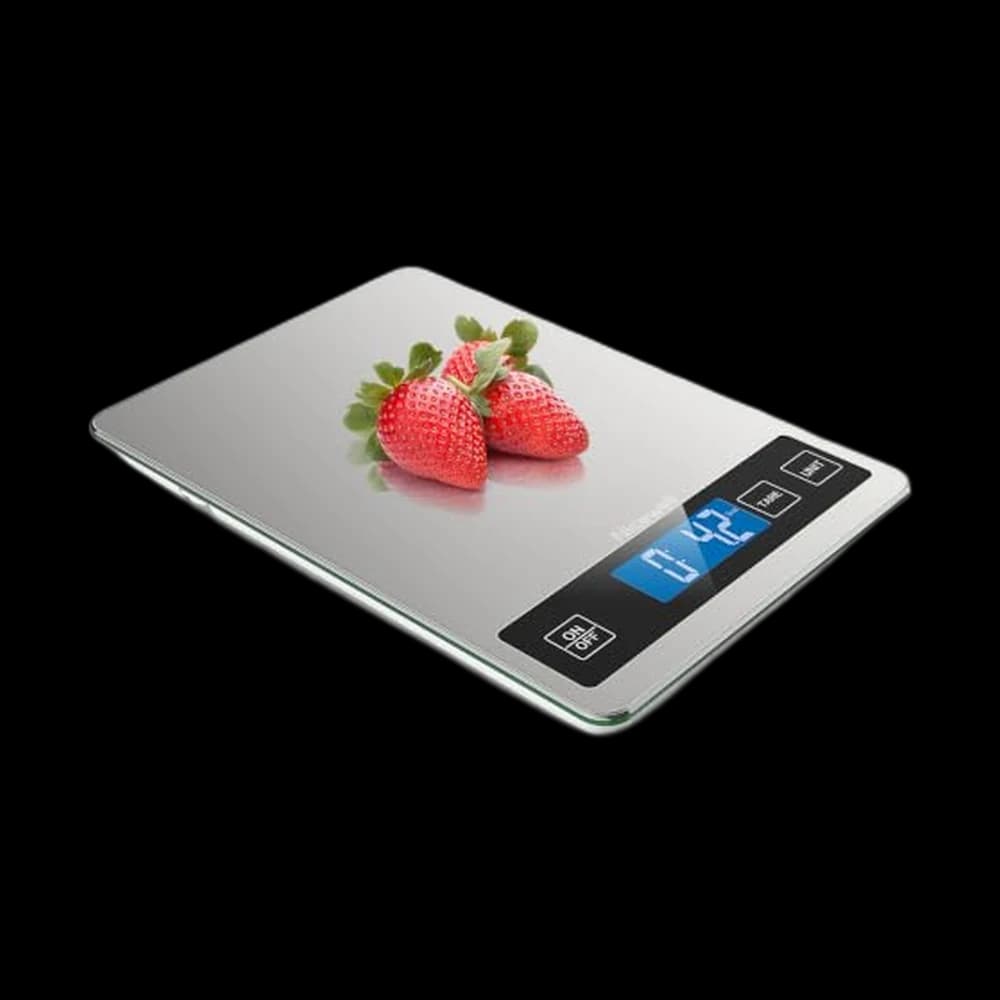
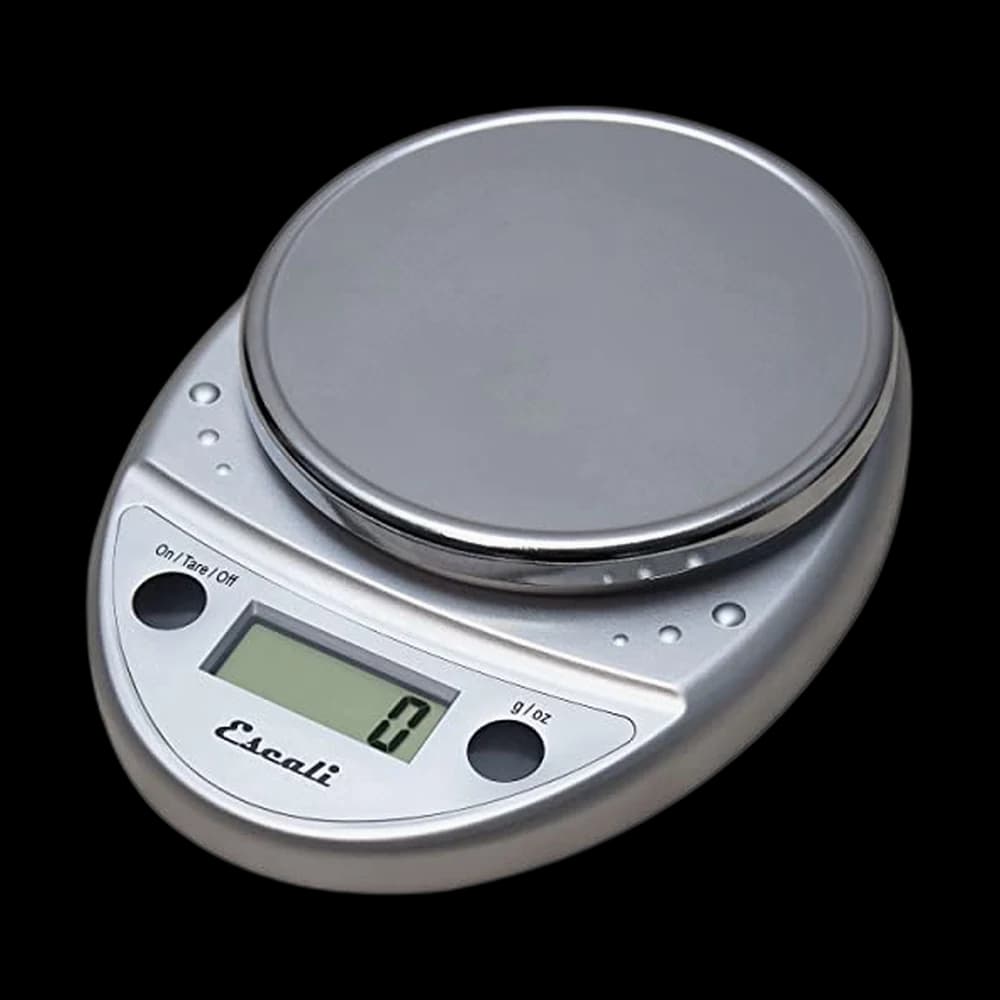
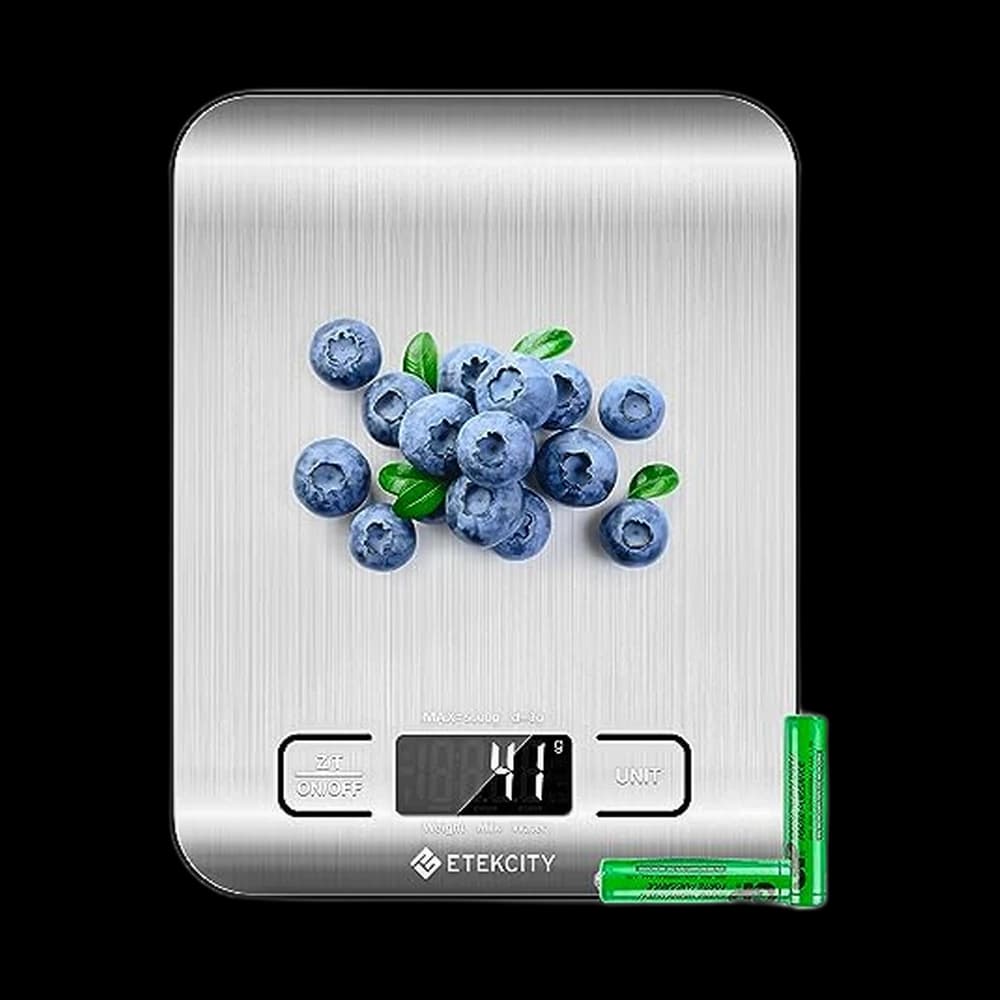
Stages 2-4
Digital food scales compared on capacity, increment, tare behaviour and how readable the display is with a bowl on top.
Stages 1–4
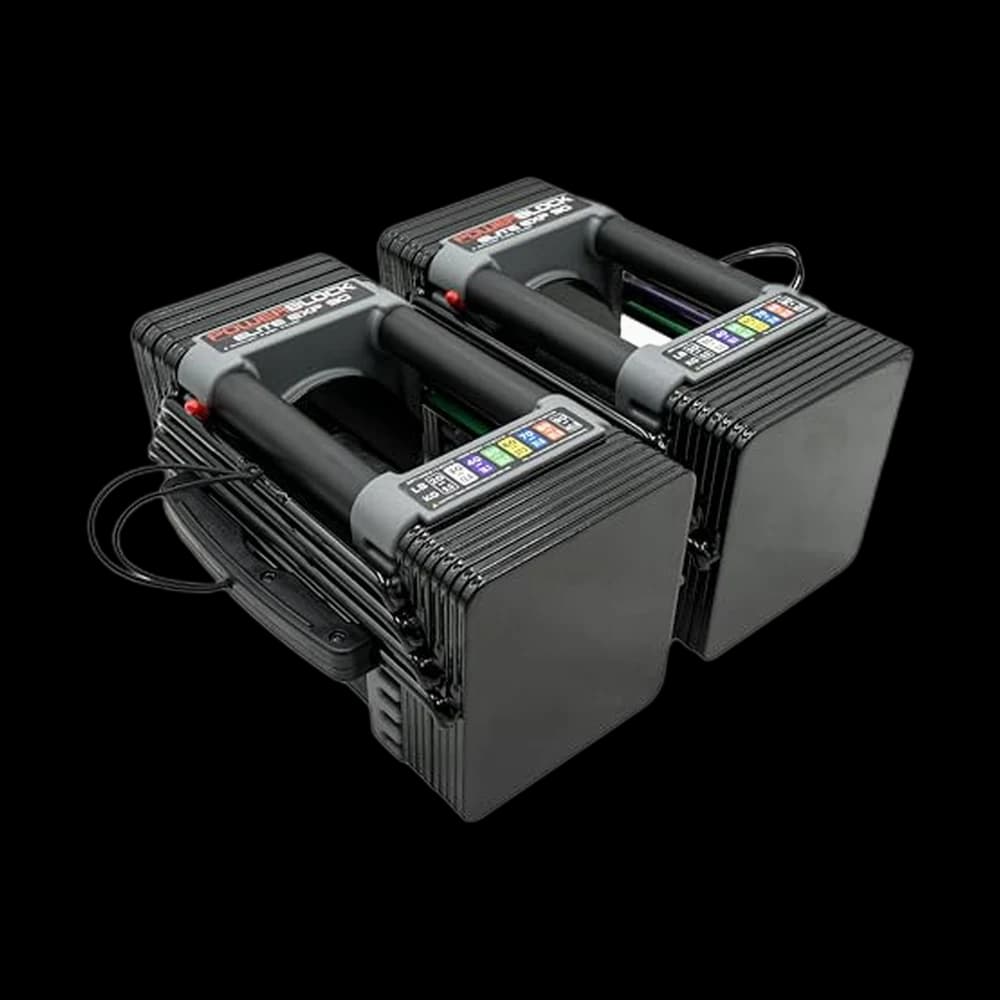
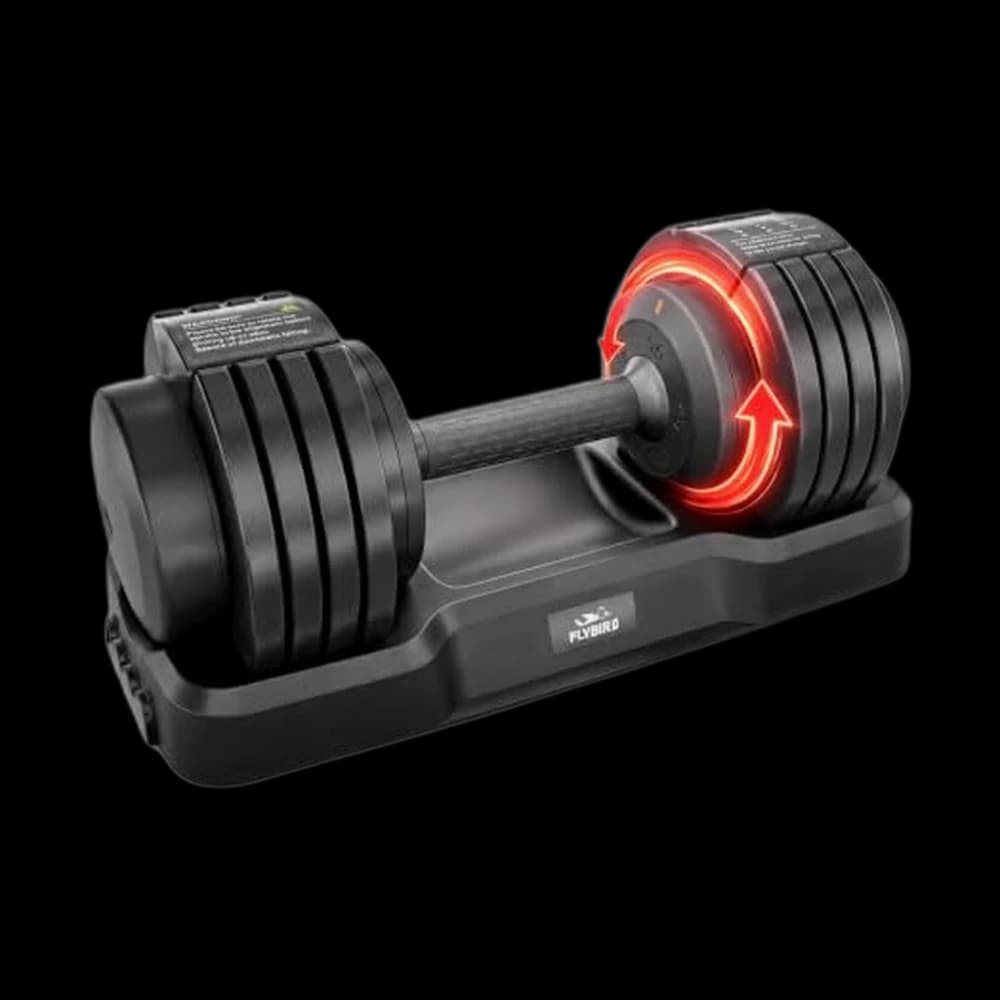
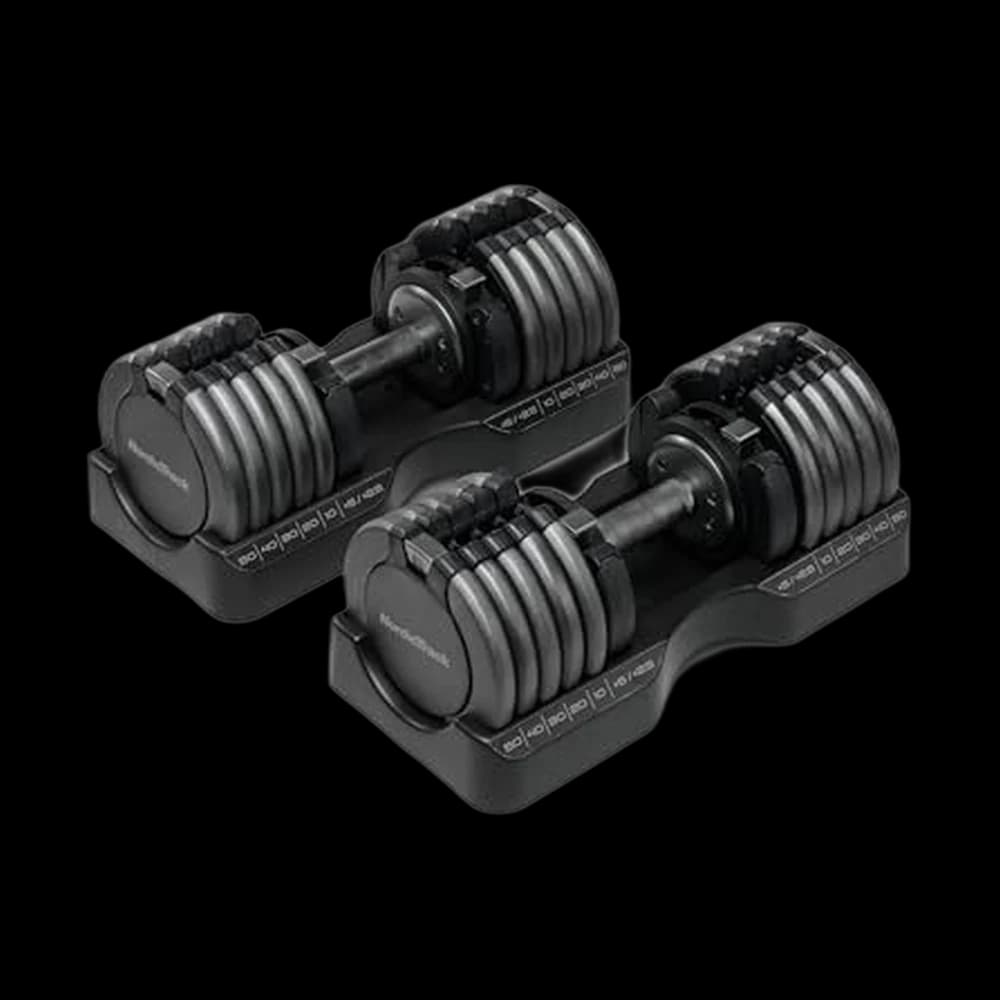
Keeping muscle is the job here. Adjustable dumbbells, bands, walking pads and trend-tracking scales — chosen for someone starting out, not for a home gym build.
Stages 3-4
Increment size, top-end load, how fast they change and how much floor they eat — for someone doing their first structured strength work.
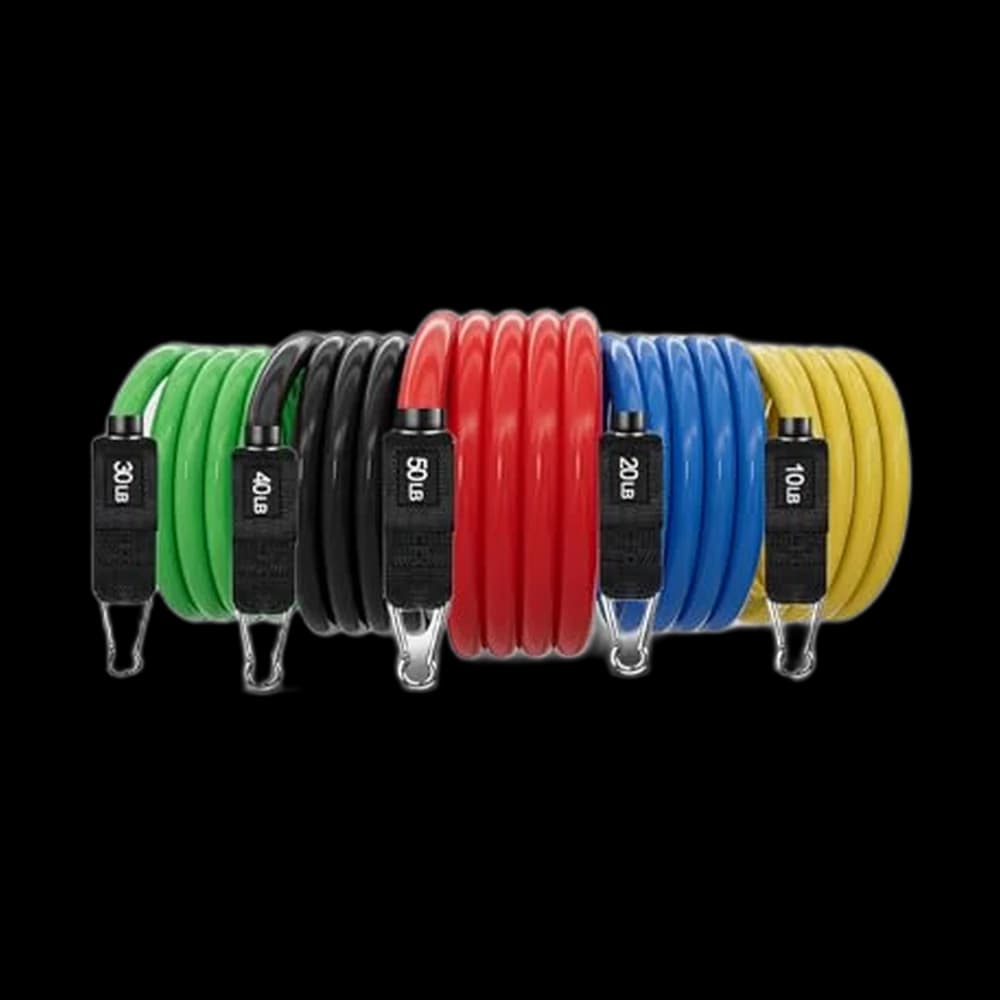
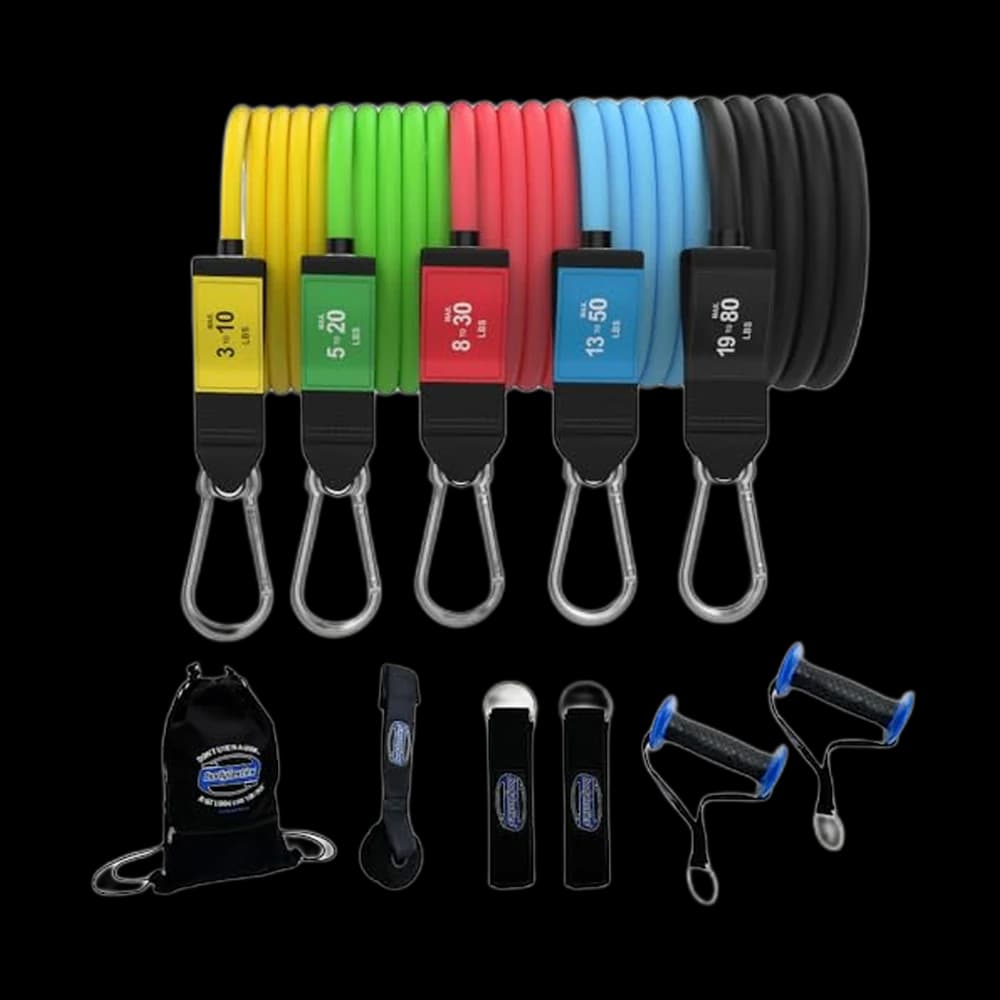
Stages 1-4
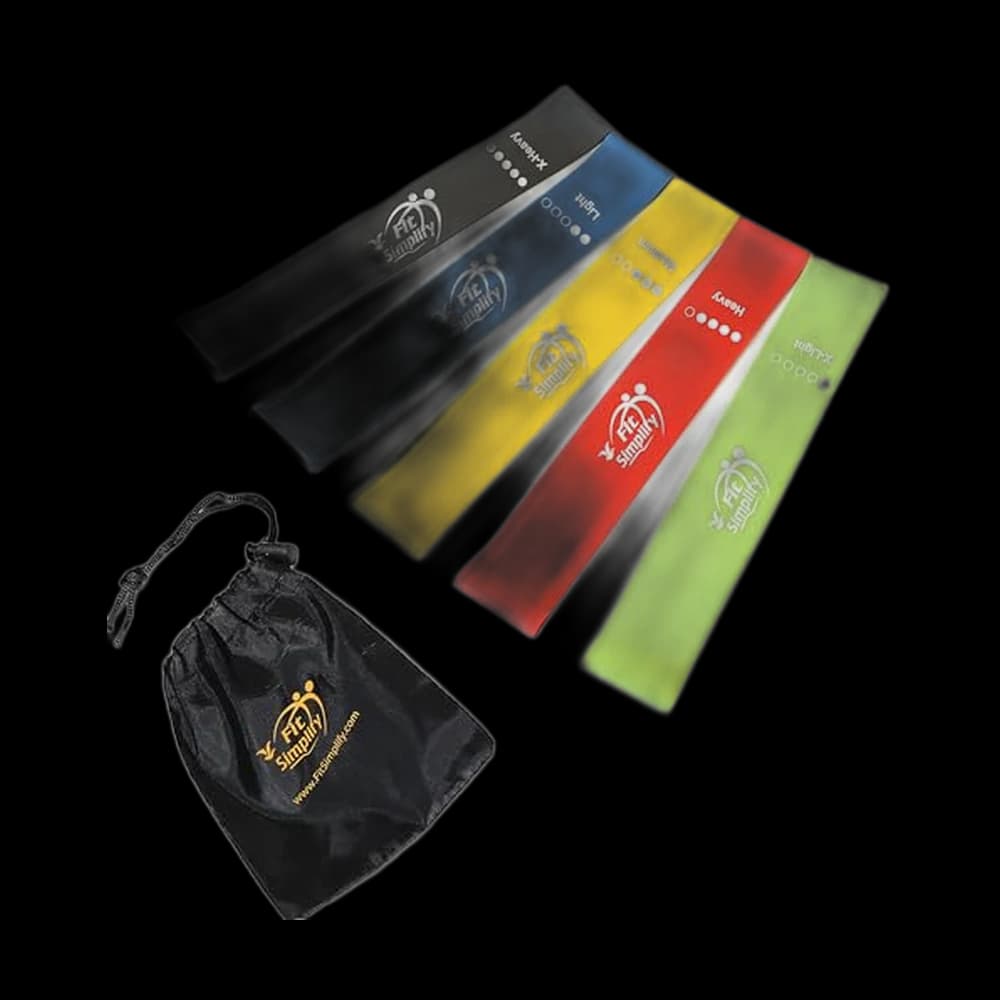
Loop sets and stackable tube sets, judged on labelled resistance, anchor quality and whether the handles survive.
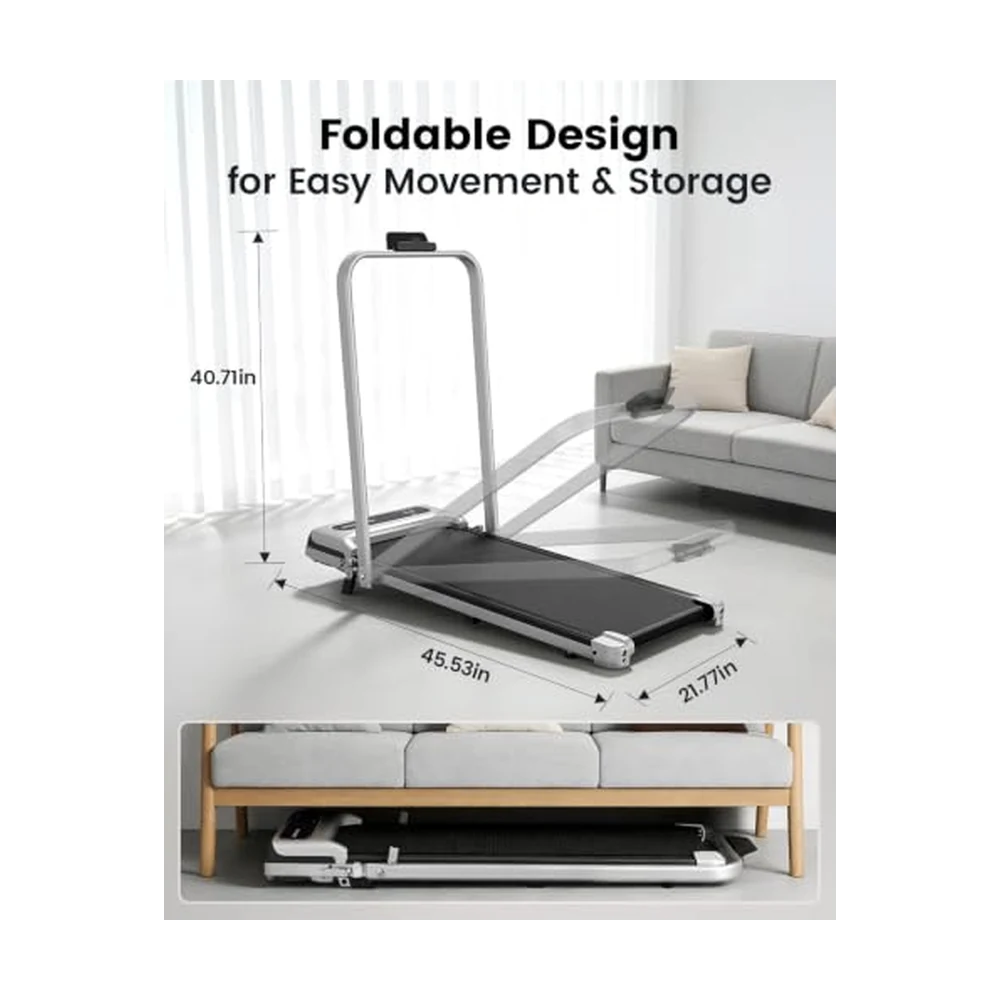
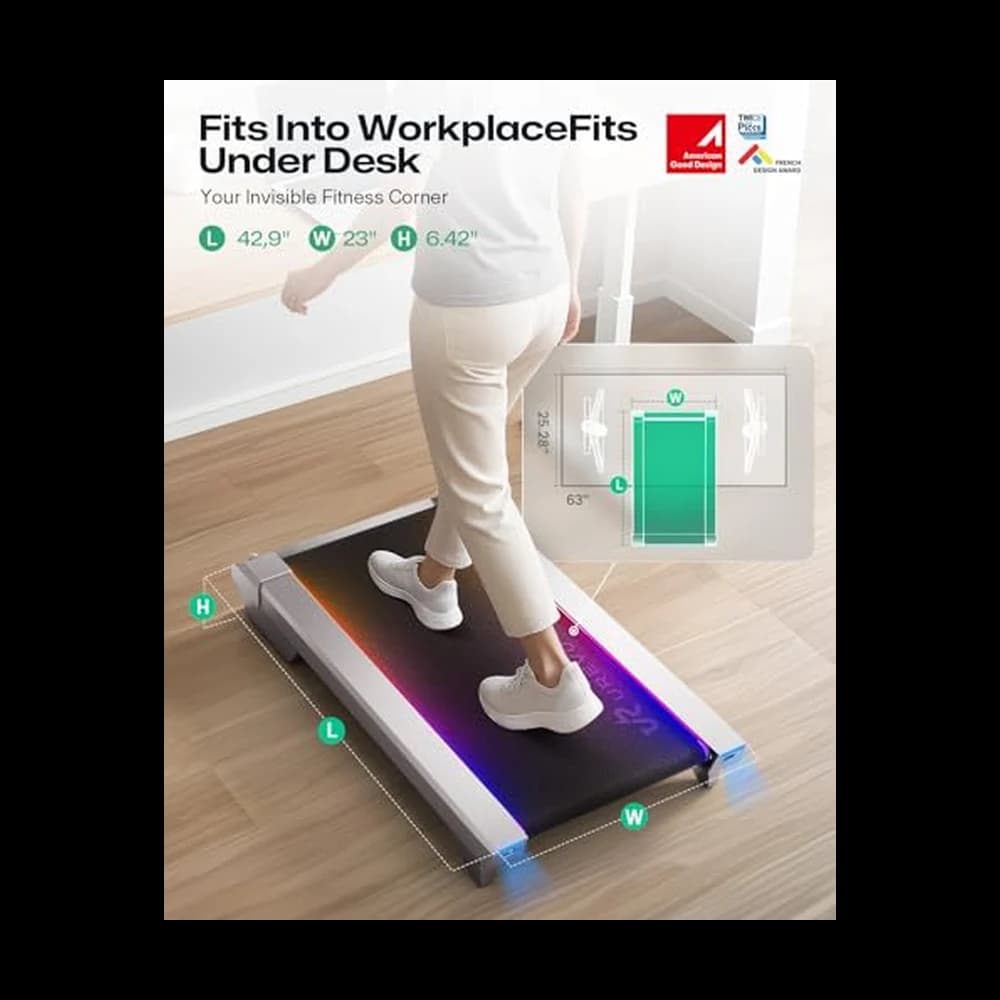
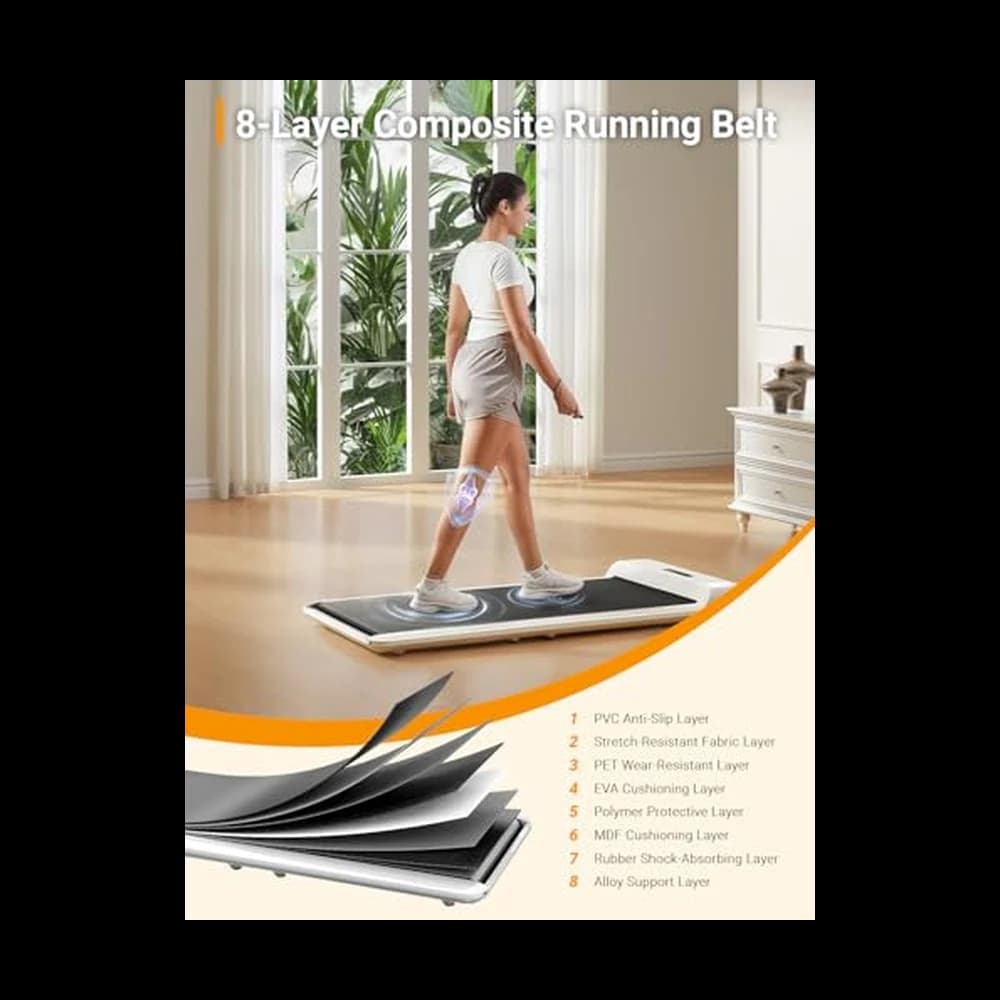
Stages 2-4
Under-desk treadmills compared on weight capacity, deck length, noise and stored thickness. Movement is for strength and habit, not a weight-loss promise.
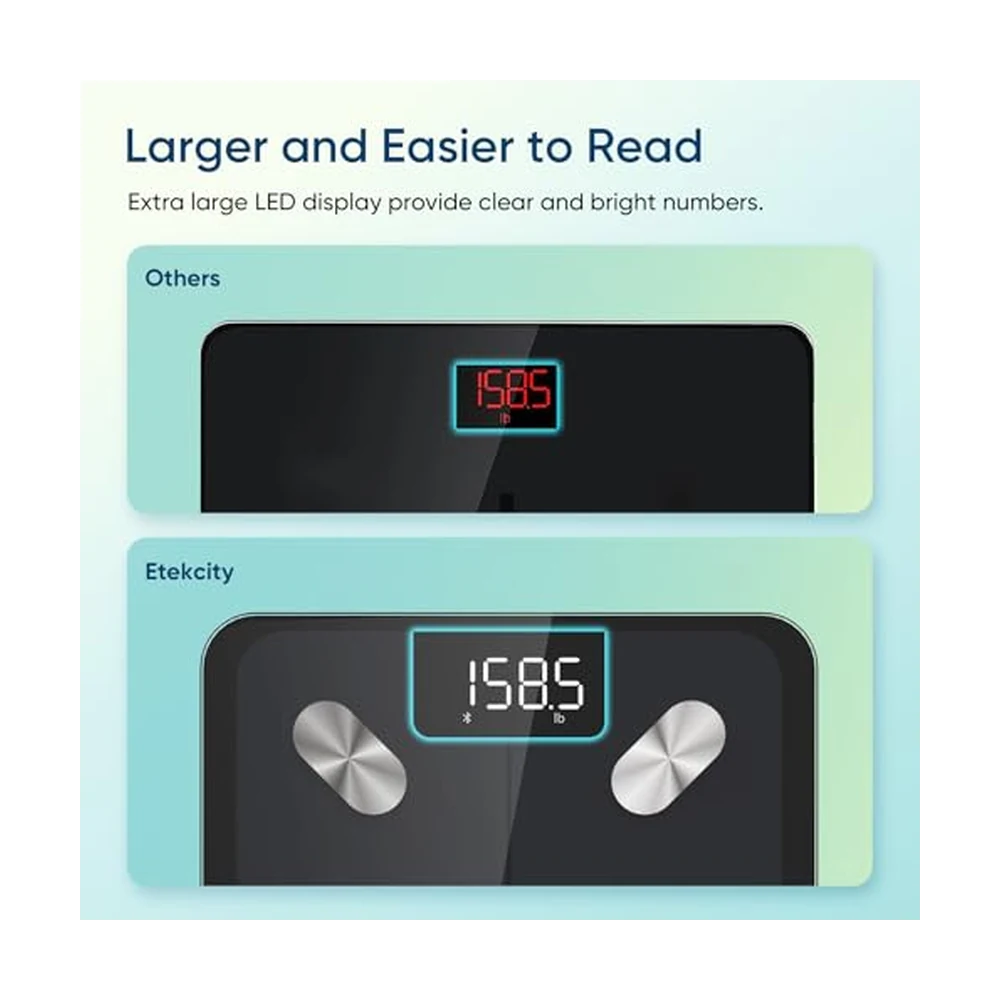
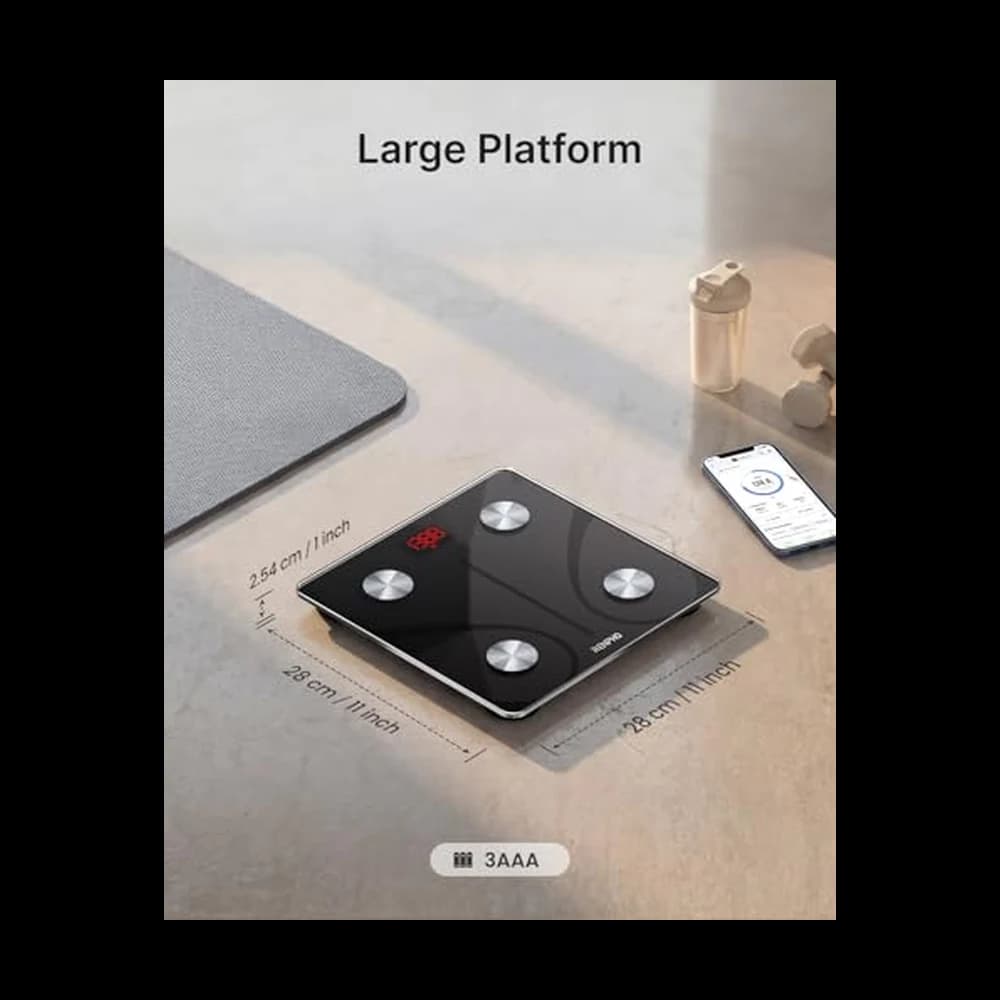
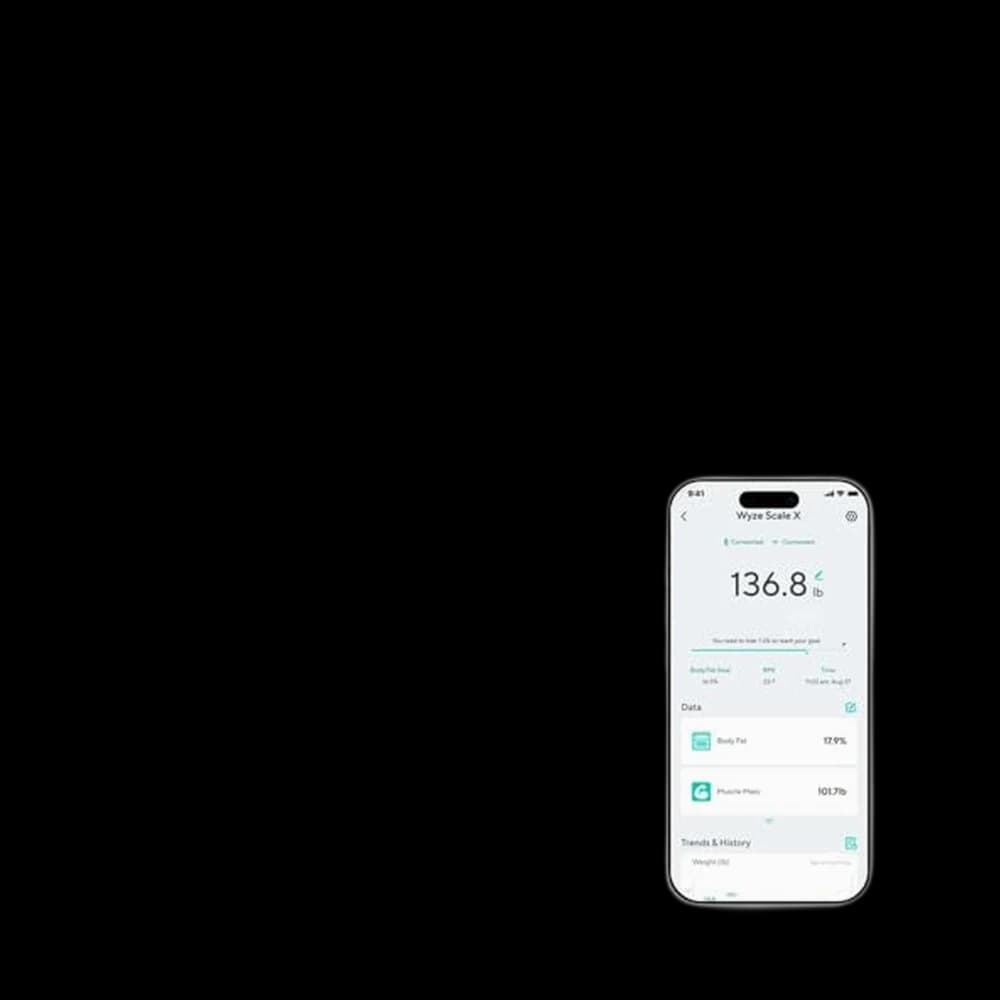
Stages 3-4
Weight-trend scales with app history. Body-composition readings are estimates from bioimpedance — useful as a trend line, never a measurement of muscle.
Stages 1–4
Sharps disposal and taking your medication with you. Storage guidance is always quoted from your own product's current label, never generalised across brands.
Stages 1-4
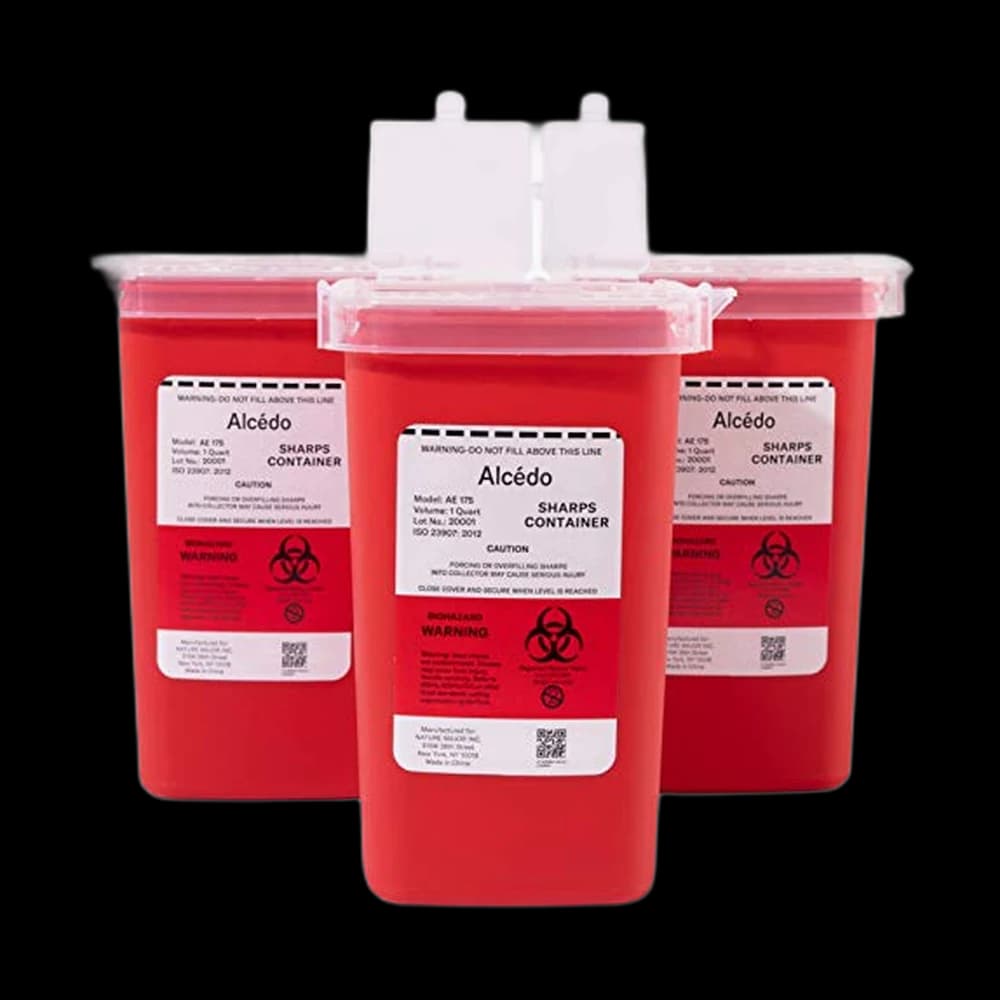
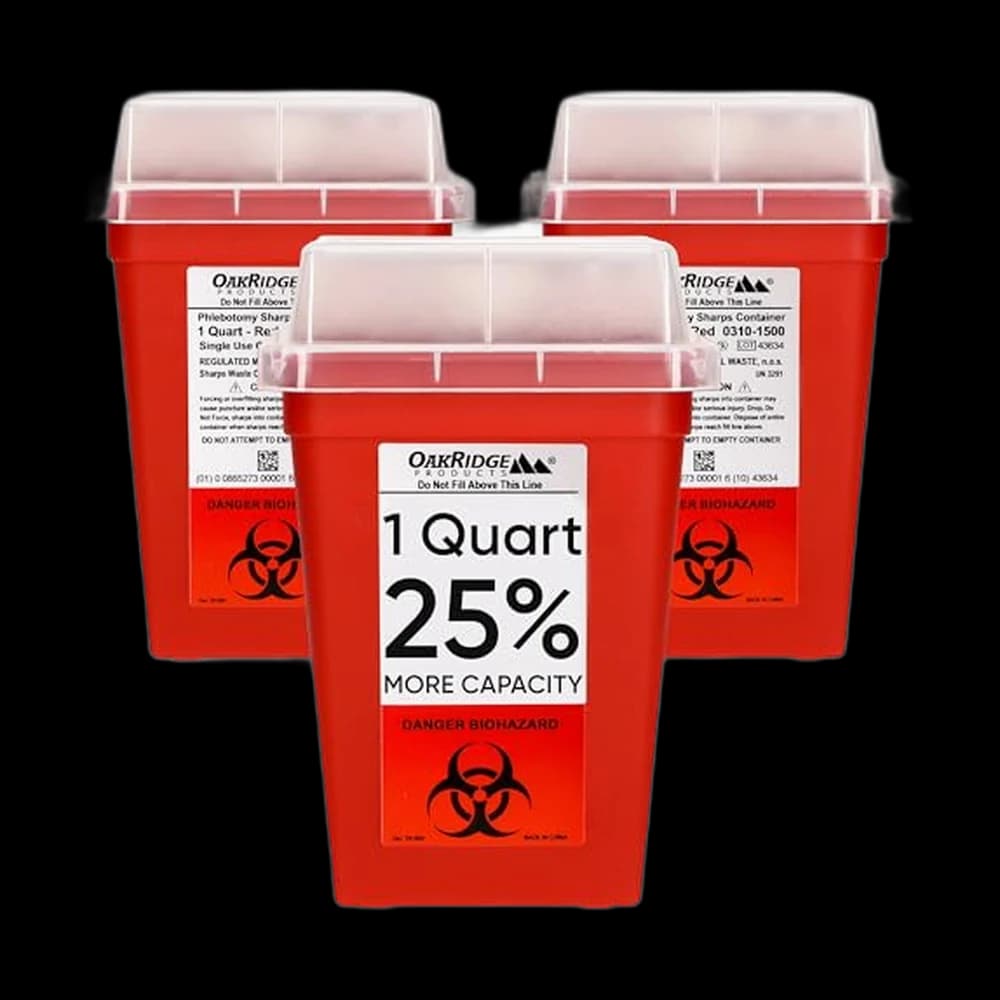
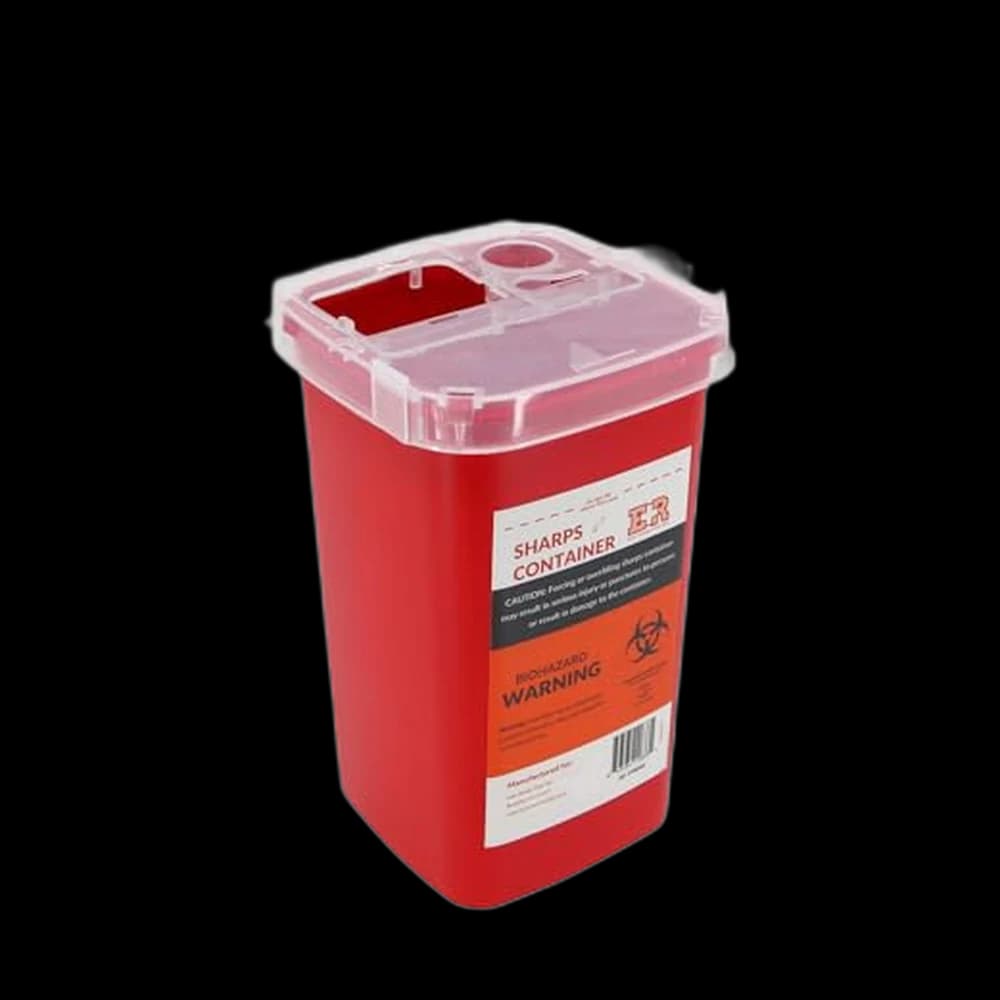
Home and travel sharps disposal. Look for an FDA-cleared container with a fill line and a locking lid, and check your state or county disposal rules — they differ.
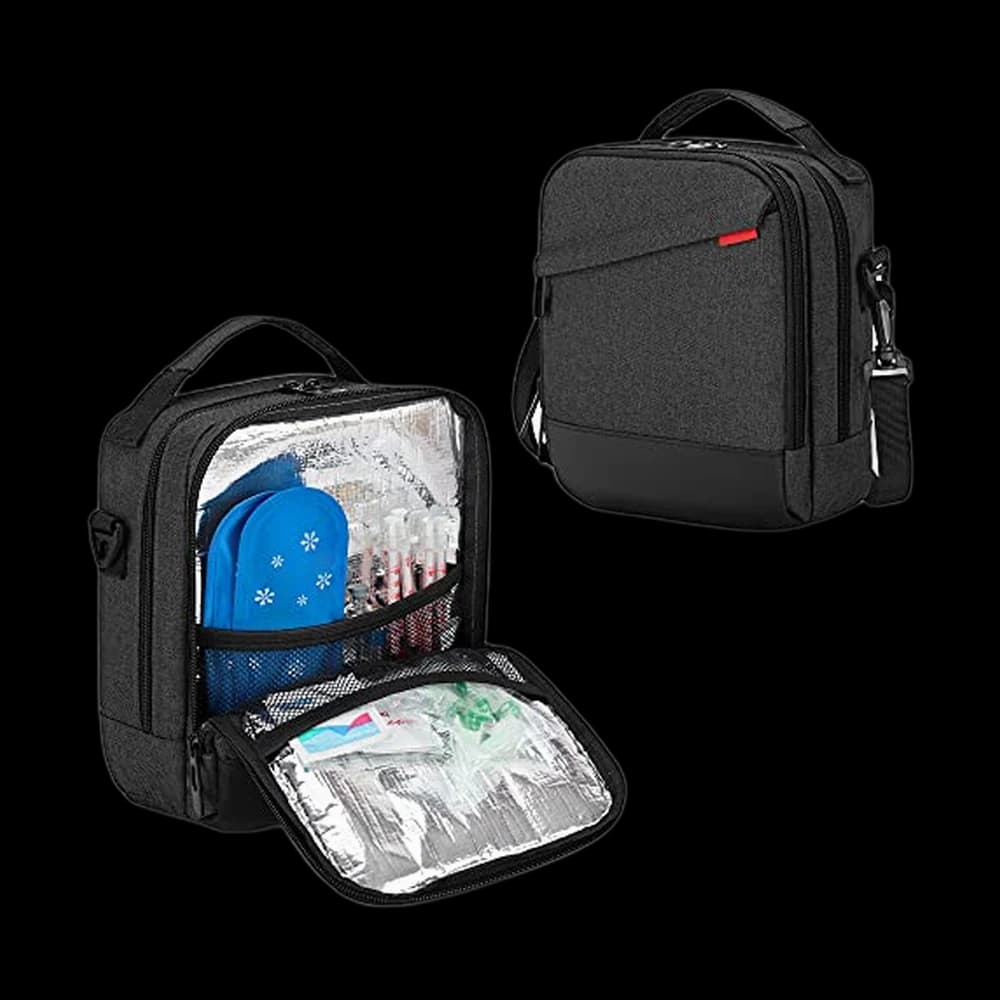
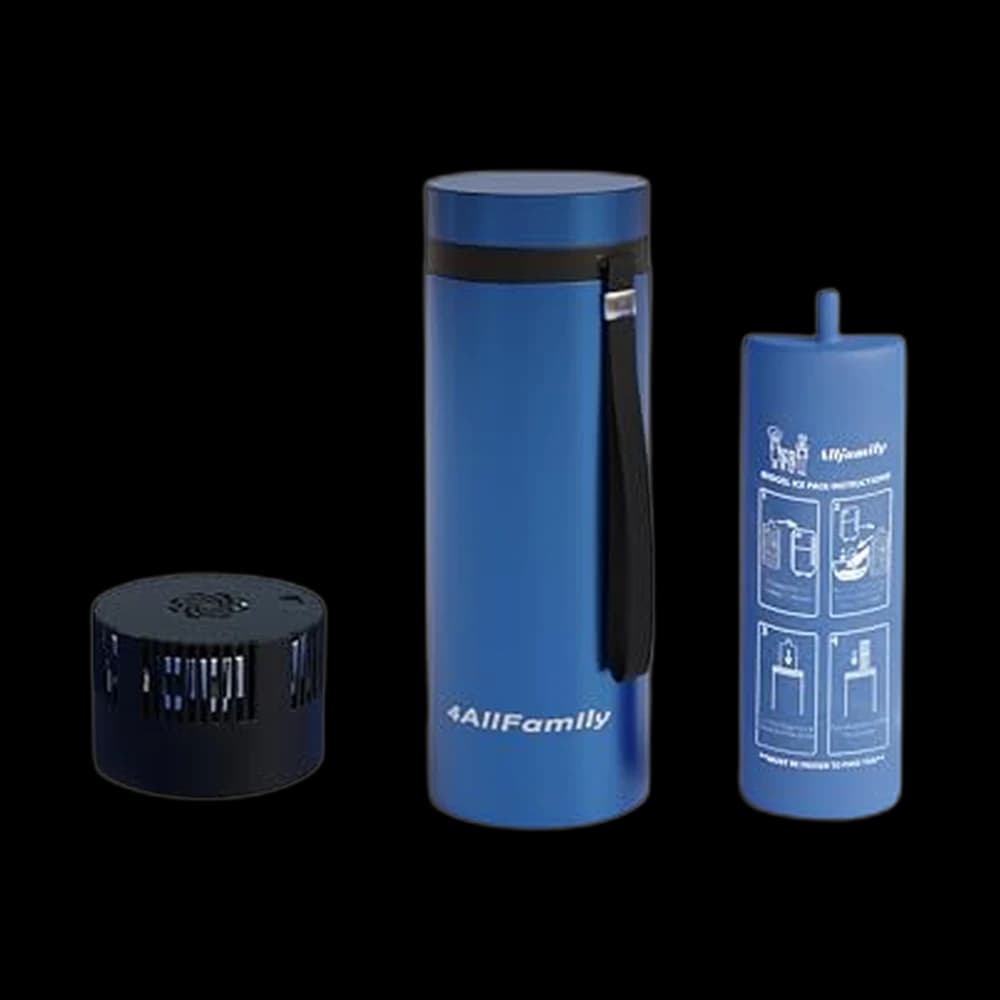
Stages 1-4
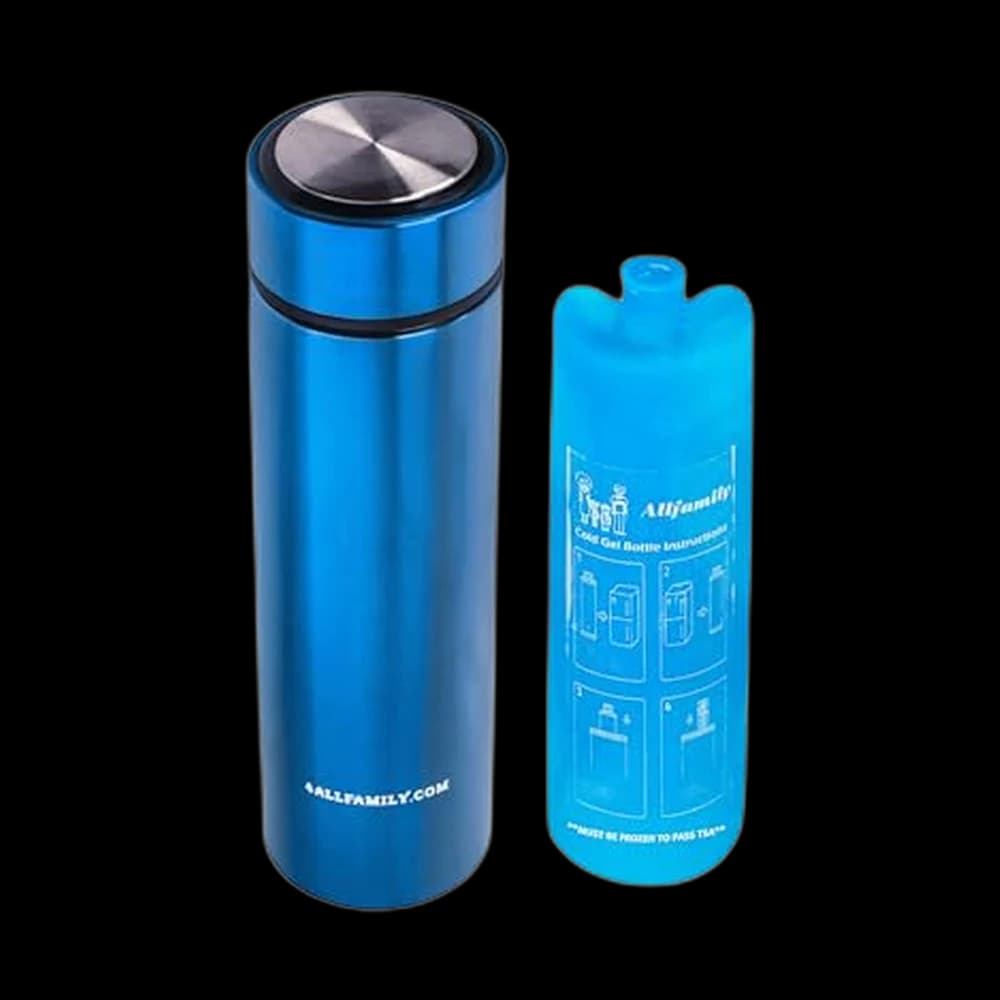
Insulated cases, temperature indicators and medical travel bags. Storage requirements are brand- and presentation-specific — read your own label, and never freeze.
Where readers go next
Pantry
Ready-to-Drink Protein Shakes
Shelf-stable and refrigerated bottles, compared on protein per 8 fl oz so you can see which ones ask the least of your stomach.
Pantry
Fiber Supplements
Psyllium, wheat dextrin, methylcellulose and PHGG, compared on fiber type and grams per serving. Food first; add fiber gradually, with fluid.
Gear
Small-Meal Containers
4 to 8 oz containers, divided snack boxes and freezer trays, compared on true capacity, leak resistance and freezer safety.
The LeanScore is 72% what owners consistently report and 28% value for money, computed the same way in every category and published in full on our methodology page. It is not a lab result, not a nutrition rating, and not a judgement about whether a product suits your body. Prices and availability move; check them on the listing.