Tools
Sip schedule planner
Updated September 2026
Enter the goal your clinician set and it becomes your next three sips — small amounts, more often, instead of glasses you cannot face.
Before the numbers
Has a clinician set limits on your protein, fluid, sodium or potassium?
We never ask for a condition and never store one — this is one of three words kept in this browser, and you can clear it on your device page. Nothing below is hidden either way.
The fluid amounts below are general reference figures from published sources and from product labels. They are not a target, they are not personalised, and nothing here adjusts them for age, kidney function, heart or blood-pressure conditions, pregnancy or anything else. A clinician is the only person who can set a number for you.
Emergency — go nowStop and call, don't plan
A sipping plan is for ordinary days. Contact your prescriber, an urgent care clinic, or emergency services now if you have:
Read the red flagsHide the detail
- Vomiting you cannot stop, or you cannot keep any fluid down.
- Signs of dehydration — very dark urine or barely passing any, dizziness or feeling faint when you stand, a racing heart, confusion.
- Severe or persistent abdominal pain, especially pain that goes through to your back.
- Symptoms of an allergic reaction, or any sudden vision change.
Dehydration on top of reduced intake can get serious quickly. Nothing on this page is medical advice, and nothing here replaces that call.
Your day
Required, and there is no default on purpose — see “why there is no default goal” below.
A starting point for the two times below, nothing more. If you work nights, the plan runs across midnight and the times stay in order — set your own if none of these is your day.
The plan stops an hour before this, so you are not drinking your way into a broken night.
Two optional settings: bottle size, and which end of the day is harder
Optional. Adding it marks where a refill lands.
Why there is no default goal here
Because we do not know you, and a fluid target is not a one-size number. It moves with body size, kidney and heart conditions, blood pressure medication, diuretics, the weather, how much you are losing to vomiting or diarrhea, and how much fluid is already coming from food. Filling in a friendly-looking round number would be inventing a clinical instruction, so the field starts empty. Ask your prescriber or dietitian what your number is and put theirs in.
Honest caveats
- This is a timer, not a treatment. It divides a number you supplied by the hours you supplied. It has no opinion about whether that number is right for you.
- The plan assumes an ordinary day. Illness, heat, exercise, vomiting or diarrhea change what your body needs, and that is a conversation with your prescriber, not an adjustment slider here.
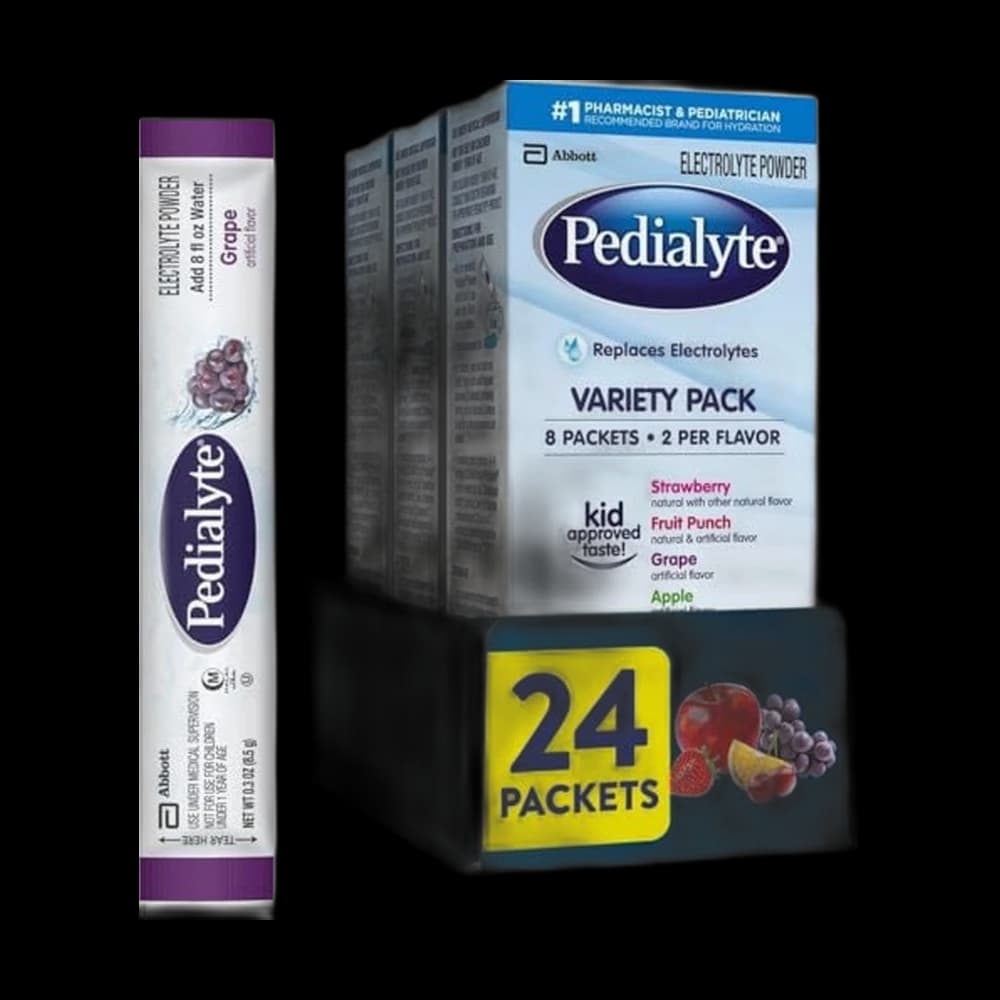
- Some electrolyte and rehydration products carry meaningful sodium or potassium, which matters if you have kidney, heart or blood pressure conditions. Read the label and check with your clinician before making one of them a daily habit.
- The nausea setting only shifts when the volume lands. It is a comfort tweak, not a remedy, and it does not treat nausea.
- Fluid is harder than it sounds when your stomach empties slowly and anything filling competes with food. The fix people keep landing on is not a bigger bottle — it is smaller amounts, more often.
Taking the list to an appointment? Questions for your prescriber
Gear that helps: Water bottles for frequent small sips · Electrolyte drinks, labels compared · Broths and soups
Read next
LeanFed may earn a commission from links on this page; it never changes a ranking. Full disclosure.
Gear for smaller, steadier sips
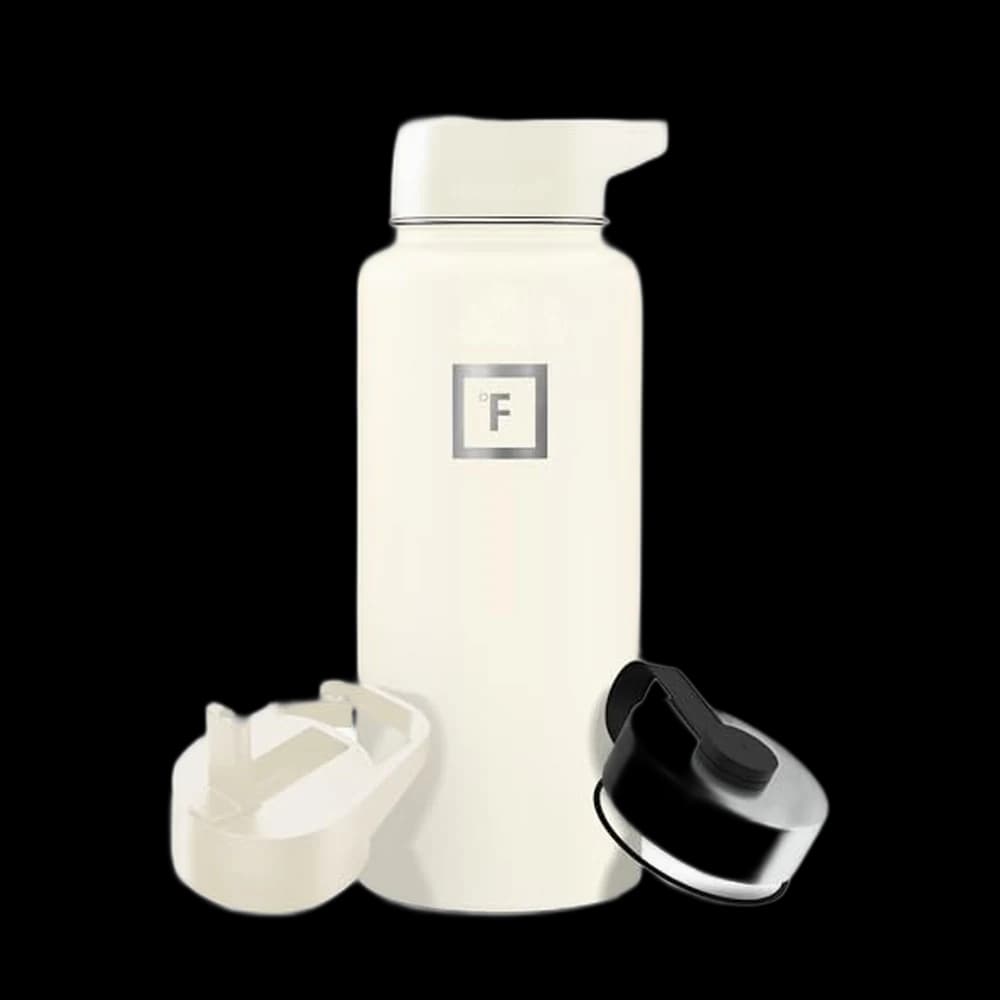
- Iron Flask Wide Mouth Bottle, 32 oz4.7$22.99