LeanFed

Protein & Food · Stages 1-4

High-Protein Snacks

5 researched · scored on one published method

Meat sticks, seafood pouches, roasted legumes and portioned nuts, compared on protein per 100 calories and sodium.

Quick answer

The winner in this category is a shelf-stable, complete-protein snack sold in single portions at roughly 10 g or more of protein per 100 calories and a sodium figure you can live with — tuna or chicken pouches and lean meat sticks lead on that arithmetic, with roasted edamame as the plant-based option that actually competes. Keep at least one savory option even if you currently prefer sweet, because that preference is the one most likely to flip.

Why this is ranked first: Ranked first on the category's own criterion, protein per 100 calories, where roasted edamame is one of the densest shelf-stable options here.

Narrow this shelf

All 5 picks shown

Narrows “Every pick, reviewed” further down this page. The podium and the comparison table always show the full ranking.

Dietary statements

These match only what a listing states. A pick whose listing says nothing either way is hidden while a chip is on — that is a gap in the label, not a verdict on the product.

Before the numbers

Has a clinician set limits on your protein, fluid, sodium or potassium?

We never ask for a condition and never store one — this is one of three words kept in this browser, and you can clear it on your device page. Nothing below is hidden either way.

The protein figures on this shelf are general reference figures from published sources and from product labels. They are not a target, they are not personalised, and nothing here adjusts them for age, kidney function, heart or blood-pressure conditions, pregnancy or anything else. A clinician is the only person who can set a number for you.

Before the picks

How to choose high-protein snacks

You are eating in small increments rather than in meals, and you need protein that requires no cooking, no plate and no decision. This category is for the desk drawer, the car and the handbag: jerky and meat sticks, tuna and chicken pouches, roasted edamame and chickpeas, and single-serve nuts and cheese.

What to check on the label

  1. Protein per 100 calories. Lean jerky, tuna pouches and roasted edamame sit high; nuts and cheese sit far lower because most of their calories are fat.
  2. Sodium per serving, read as a percent Daily Value. The Daily Value for sodium is less than 2,300 mg per day, and a single serving of jerky or a meat stick can take a visible bite out of that.
  3. Portion size as sold. A snack that comes in a 1 oz pack is a snack; a resealable 8 oz bag is a portioning decision you have to make every time.
  4. Shelf stability and whether it needs a fridge, a can opener or a fork.
  5. Protein completeness. Meat, fish, dairy and soy are complete; nuts and most legumes contribute protein but are not equivalent gram for gram.
  6. Texture and effort to chew. Dry, tough jerky is a real barrier for some people on these medications; softer meat sticks and pouches are not.
  7. Cost per 20 g of protein, which in this category ranges enormously between a tuna pouch and a boutique meat stick.

You may not need to buy anything

Skip the salty end of this aisle if you have been told to watch sodium for blood pressure, kidney or heart reasons — jerky and meat sticks are dense in it. Skip pre-portioned snack packs generally if you are fine portioning food yourself, since the packaging premium in this category is steep.

Food first, always. Nothing on this page treats, prevents or cures a side effect, and anything that touches your medication — dose, timing, whether to take something alongside it — is your prescriber's call. The Path is free and has no products in it.

Narrow the shelf first

Filter the full shelf by price, dietary statements and what the label actually says, before you read a single pick.

Go to the filters

LeanFed may earn a commission from links on this page; it never changes a ranking. Full disclosure.

The podium

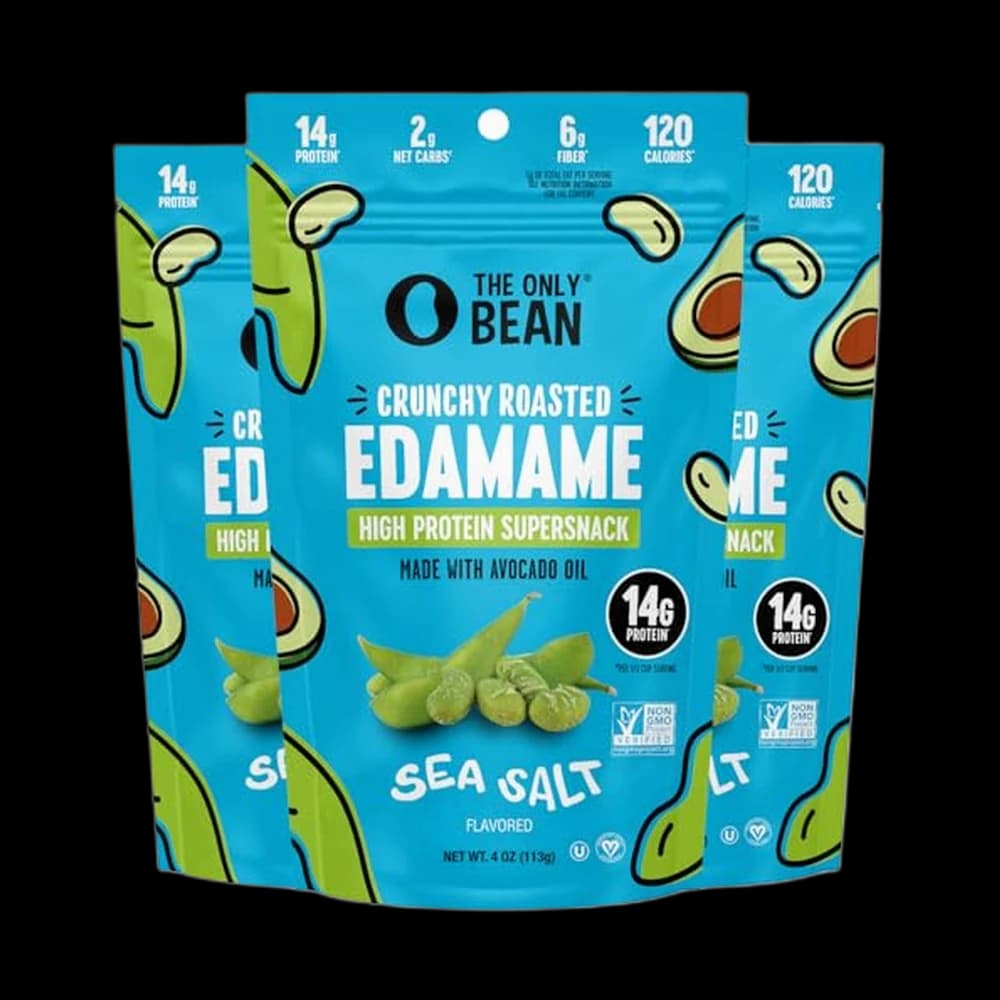
The pickThe Only Bean Crunchy Roasted Edamame Beans (Sea Salt)The Only Bean Crunchy Roasted Edamame Beans (Sea Salt)

The pick: Editorial rank #1 — LeanScore order unless a note below says otherwise

Crunchy plant protein with real fiber attached.

4.5 (7,433) · $12.57 · LeanScore 86

— cost per serving not stated on the listing

Why this is ranked first: Ranked first on the category's own criterion, protein per 100 calories, where roasted edamame is one of the densest shelf-stable options here.

Why this one leads: It carries the highest LeanScore on this shelf (86 against 79 for the next-highest-scoring pick here), and it is the least expensive of the picks here. Prices move — check the listing before you decide.

Dried edamame packs come up as a high-fibre option that is satisfying to eat slowly, with the caveat posters add themselves that protein per pouch is modest.

Paraphrased from r/Zepboundsource

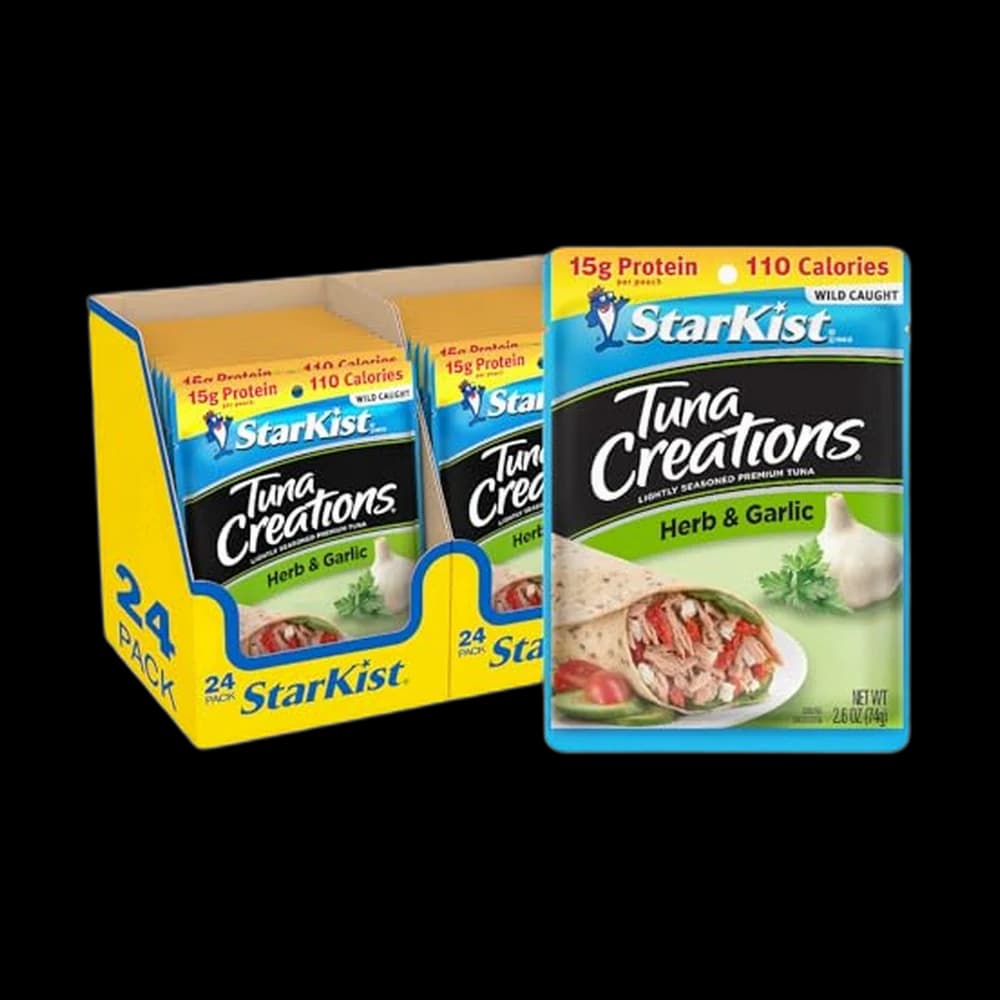
Runner-upStarKist Tuna Creations Herb and Garlic, 2.6oz Pouch, 24-PackStarKist Tuna Creations Herb and Garlic, 2.6oz Pouch, 24-Pack

Runner-up: Second in the editorial ranking

A no-drain pouch that turns any salad into a meal.

4.6 (2,127) · $23.76 · LeanScore 79

about $1.32 per 20 g protein

Shelf-stable tuna and chicken pouches get kept specifically for aversion days, because nothing has to be cooked and there is no cooking smell.

Paraphrased from r/Mounjarosource

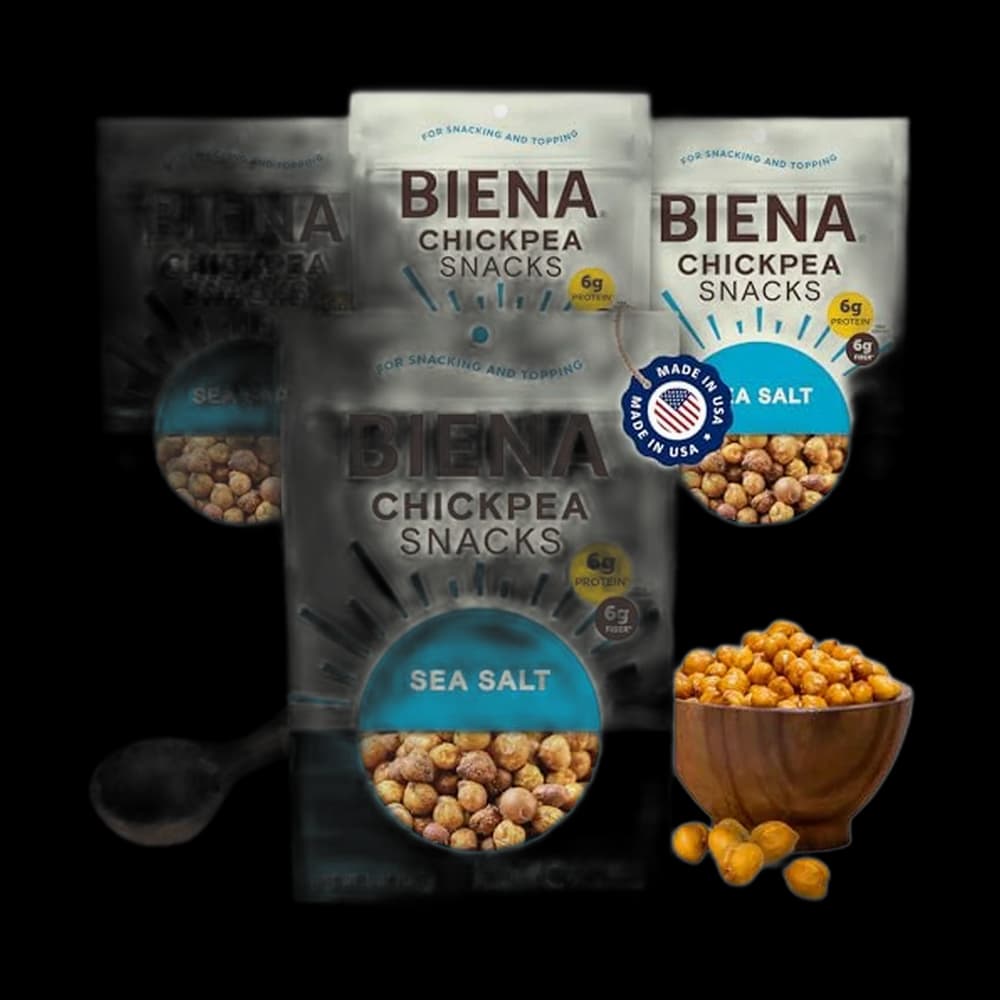
Also worth itBIENA Chickpea Snacks Crunchy Roasted ChickpeasBIENA Chickpea Snacks Crunchy Roasted Chickpeas

Also worth it: Third in the editorial ranking — not the cheapest here

The salty-crunchy craving, answered with legumes.

4.4 (1,638) · $14.27 · LeanScore 78

— cost per serving not stated on the listing

Once taste changes, salty and savoury snacks are what people reach for and dessert-flavoured protein stops working.

Paraphrased from r/Zepboundsource

At a glance

Side-by-side comparison

Prices & ratings checked Aug 22, 2026

№1 · Top pickThe Only Bean Crunchy Roasted Edamame Beans (Sea Salt)

4.5 · $12.57 · LeanScore 86

Why this is ranked first: Ranked first on the category's own criterion, protein per 100 calories, where roasted edamame is one of the densest shelf-stable options here.

Cost per serving
— not stated on the listing
Protein/serving
14 g
Calories
120
Sodium
230 mg
Serving size
1 serving per label
Pack size
3 × 4 oz bags
Format
Roasted legume

LeanScore is 72% owner satisfaction and 28% value, computed the same way in every category and published in full on our methodology page. It is not a lab result and not a nutrition rating. Rows are in editorial rank order, which is LeanScore order unless a note under the top row explains why we ranked it differently — the two are separate things and we never silently reorder one to match the other. Worked out from the listing's own numbers: the price we last checked, divided by the servings the label states, then scaled to 20 g of protein where protein per serving is stated. Where a listing doesn't state servings or protein, we show a dash rather than an estimate. The italic lines under a pick are paraphrased consensus from public forum threads — never quotes, never usernames — and each one links the thread it came from. LeanFed may earn a commission from links in this table; it never changes a ranking.

The full shelf

Every pick, reviewed

Filter by what the listings actually state. A pick that says nothing about a dietary point is hidden while that filter is on — that is a gap in the label, not a verdict on the product.

Back to the filters ↑

The Only Bean Crunchy Roasted Edamame Beans (Sea Salt)

The Only Bean

The Only Bean Crunchy Roasted Edamame Beans (Sea Salt)

Crunchy plant protein with real fiber attached.

4.5(7,433)$12.57LeanScore 86

— cost per serving not stated on the listing

StarKist Tuna Creations Herb and Garlic, 2.6oz Pouch, 24-Pack

StarKist

StarKist Tuna Creations Herb and Garlic, 2.6oz Pouch, 24-Pack

A no-drain pouch that turns any salad into a meal.

4.6(2,127)$23.76LeanScore 79

about $1.32 per 20 g protein

BIENA Chickpea Snacks Crunchy Roasted Chickpeas

BIENA

BIENA Chickpea Snacks Crunchy Roasted Chickpeas

The salty-crunchy craving, answered with legumes.

4.4(1,638)$14.27LeanScore 78

— cost per serving not stated on the listing

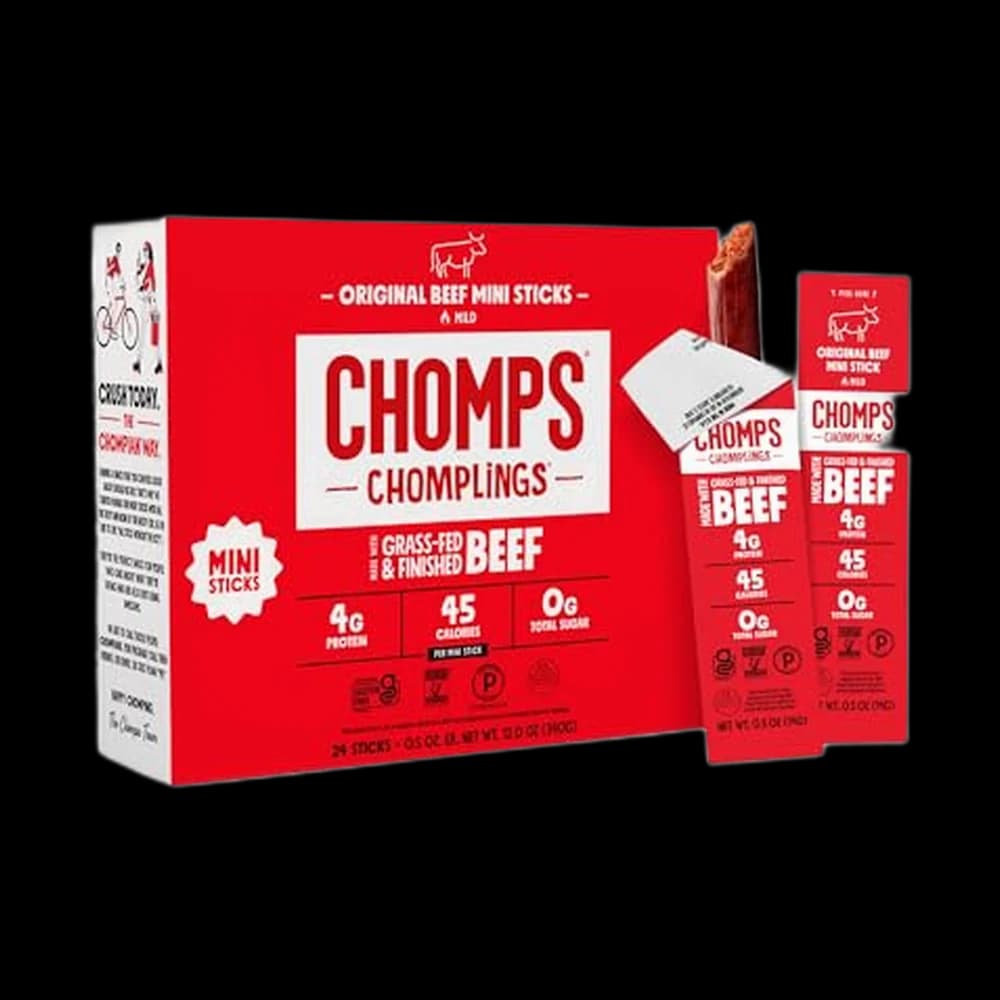
Chomps Original Beef Chomplings, Grass-Fed & Finished, 24ct,…

Chomps

Chomps Original Beef Chomplings, Grass-Fed & Finished, 24ct,…

Shelf-stable protein that needs no plate and no appetite.

4.6(3,527)$27.61LeanScore 76

about $5.75 per 20 g protein

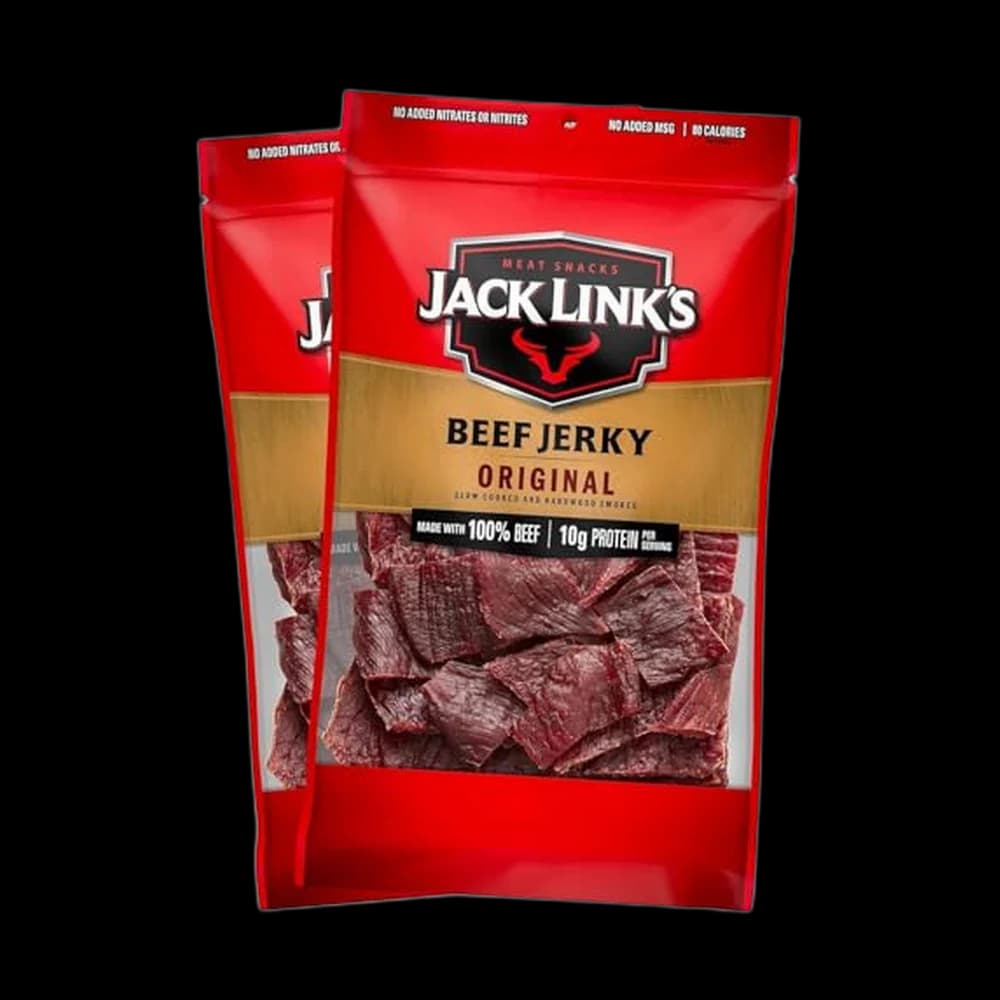
Jack Link's Original Beef Jerky Multipack

Jack Link's

Jack Link's Original Beef Jerky Multipack

Widely stocked jerky; watch the sodium column.

4.6(10,592)$24.93LeanScore 75

— cost per serving not stated on the listing

Price we last checked ÷ servings stated on the label. A dash means the listing doesn't state it.

Applies toUnited States listings. Every price, rating and link on this page comes from the US store of the affiliate retailer we use, and nutrition labelling rules differ between countries.

How to pick one, in fullThe long-form buying guide for this shelf.Show

Sort the aisle by protein per 100 calories

This is the one calculation that reorders the snack shelf, because the packages are all sized differently. Divide protein grams by calories and multiply by 100.

  • High (roughly 12 to 20): tuna, salmon and chicken pouches; lean jerky; low-fat cottage cheese cups; high-protein yogurt drinks.
  • Middle (roughly 6 to 11): meat sticks with more fat, roasted edamame, string cheese, roasted chickpeas.
  • Low (under 5): nuts, most crackers, most "protein" chips.

None of these are bad foods. But if the job is "get protein into a small window", the top band does that job and the bottom band mostly does not.

Then check the sodium line

Read the % Daily Value, not the milligram count — the Daily Value for sodium is less than 2,300 mg per day. Jerky, meat sticks and savory snacks are among the biggest contributors of sodium in the American diet, and on a day when you also have broth and an electrolyte drink, three sources stack quickly. If you have been told to watch sodium for blood pressure, kidney or heart reasons, this is the line to check before the protein one.

Buy the portion, not the bag

A resealable pound of jerky asks you to make a portioning decision every time you open it, on days when decisions are exactly what you have least of. Single-serve packs cost more per ounce and are worth it here for the same reason a small bottle beats a large one.

Rule of thumb: stock at least one savory option, one soft option and one that needs no chewing at all. Taste and texture preferences move around on these medications, and a drawer that only holds one kind of thing fails on the day that thing stops appealing.

Do not forget the fridge

Shelf-stable is convenient, but refrigerated options — cottage cheese cups, high-protein yogurt drinks, hard-boiled eggs sold in packs — frequently beat the shelf-stable aisle on protein per calorie and cost far less per gram. The trade-off is only that they have to be where you are.

Nothing in this category treats or prevents anything. These are foods that may make hitting a protein target more practical when appetite is small. Your target itself is a conversation for your prescriber or a dietitian.
What the communities keep sayingParaphrased patterns from public forum threads, with the threads linked.Show

communityAugust 2026Paraphrased from public threads, read on that date. Not measured data — these forums give us no vote counts.

Jerky, cheese sticks and hard-boiled eggs are the three names that never stop appearing

Across r/Zepbound, r/Mounjaro and r/Ozempic snack threads, these three come up in almost every list. The common reasoning is that they need no preparation and can be eaten in very small amounts without feeling like a meal.

Tuna and chicken pouches are the go-to when nothing sounds good

Posters in r/Mounjaro describe keeping shelf-stable fish and chicken pouches specifically for aversion days, because they can be eaten straight from the packet with no cooking smell involved. Cooking odors are mentioned repeatedly as a trigger.

Savory beats sweet once taste changes

A recurring theme in r/Mounjaro and r/Zepbound is craving only salty or umami foods, with dessert-style protein snacks becoming unappealing. Pickles, olives, sardines and deli meat show up as the substitutes people actually reach for.

Roasted edamame and lupini beans are the plant options people rate

Dried edamame and lupini bean snack packs come up in r/Zepbound and r/Mounjaro as low-calorie, high-fiber options that are fun to eat slowly. The caveat posters add themselves is that the protein per pouch is modest.

Cottage cheese and high-protein yogurt cups outrank most packaged snacks

Single-serve cottage cheese and high-protein yogurt cups are recommended constantly across all five subs, usually on the grounds of protein per calorie and the fact that a small cup is a realistic portion. Texture aversion is the counter-argument that occasionally appears.

Paraphrased consensus from 53 threads · r/Mounjaro, r/Zepbound · August 2026. We summarise what comes up repeatedly and link the threads — we never quote or identify anyone, and these forums don't give us vote counts, so treat this as the shape of the conversation rather than a measured majority.

Threads we read ↓
Mistakes that keep coming up, and how we choseThe recurring buying errors, and the method behind this shelf.Show
  • Buying by protein grams and ignoring sodium. Two meat sticks and a cup of broth can add up faster than people expect.
  • Treating nuts as a protein snack. Nuts are a fat-dominant food with some protein; useful for calories, weak for a protein target.
  • Stocking only sweet options. When sweetness turns unappealing — which happens often — a drawer full of sweet snacks becomes a drawer full of nothing.
  • Buying big resealable bags for portion control. A large bag asks you to decide every single time; single-serve packs decide once.
  • Forgetting perishables exist. Refrigerated cottage cheese cups and yogurt drinks often beat shelf-stable options on protein per calorie, they just need a fridge.

How we chose: We compared published nutrition panels across the main snack formats, calculated protein per 100 calories and recorded sodium as a percent Daily Value so the salty options are visible rather than hidden. Owner reviews were read for recurring themes about texture, portion size and packaging. We do not taste products and we make no claim about flavor.

Sources & research (5)Show
  1. 1label2021FDA — Interactive Nutrition Facts Label: Sodium (October 2021)
  2. 2gov2024FDA — Sodium in Your Diet
  3. 3govUSDA FoodData Central — nutrient data for foods and branded products
  4. 4label2021FDA — Interactive Nutrition Facts Label: Protein (October 2021)
  5. 5label2021FDA — Interactive Nutrition Facts Label: Sugar Alcohols (October 2021)Source for sugar alcohols being incompletely absorbed and fermented in the large intestine, for the gas, bloating and diarrhea note, for the sorbitol and mannitol laxative-effect label statement, and for when listing is voluntary versus required.

The tag says what kind of source a link is; the year is the revision or publication year the page itself states, and is left off where the page states none. Every URL here was opened and read — a source list proves a page loads, not that it says what we claim, so we check the second part by hand.

What we didn't pickResearched, catalogued, and held back — with the recorded reason for each.Show

Options we researched and catalogued but left off the list above, with the reason each one is being held back.

  • Blue Diamond Almonds Low Sodium Lightly Salted Snack Nuts, 100…Held back from the ranking. The portioning is genuinely useful, but a 100-calorie almond pack carries roughly 3-4 g of protein, so it does not belong in a list ranked on protein per 100 calories. Listed here so the omission is visible rather than silent.

Read alongside

Guides for buying High-Protein Snacks

We do not test products — we compare labels, specifications and owner reviews. Prices and ratings shown are the most recent values we pulled from affiliate retailers and refresh on a recurring cycle; confirm the current price and read the product's own label before buying. See how we score.