LeanFed

Recipes

Twelve recipes for a small appetite

Every card carries two numbers: the protein, and the volume it finishes at. On a small appetite the second one decides whether the first one ever gets eaten.

Nothing here takes more than three steps, and nothing here needs a recipe card propped against a jar. They are small on purpose: a two-thirds-cup bowl, a six-round plate, a half-cup cube out of the freezer. If you want the arithmetic on what a container of protein costs you per twenty grams, that lives in the protein-per-dollar tool.

What your label saysWhere the protein numbers come from

Each figure is the total of typical label values for the ingredients named, computed from standard portions and rounded down to the nearest gram. They are not a measurement of the bowl you make, and brands differ — a kefir, a ricotta and a bone broth can each vary by several grams a cup. Read your own label, or look the food up in USDA FoodData Central, which is the database those labels are checked against.

These are recipes, not a nutrition plan. No protein target on this site is ours to set — that is a number to get from your clinician.

LeanFed may earn a commission from links on this page; it never changes a ranking. Full disclosure.

01

Sippable

Protein you drink, in a glass rather than a bottle, so it can be finished across an hour.

Cold coffee, one scoop

26g protein

Typical label values

10 fl oz

Finished volume

Ingredients

  • 6 fl ozcold brew or chilled brewed coffee
  • 1 scoop (about 30 g)vanilla whey isolate powder
  • 2 fl ozmilk of your choice
  • 3 cubesice

Method

  1. 1Put the coffee and milk in the cup first, powder on top — powder onto liquid clumps far less than liquid onto powder.
  2. 2Shake or blend for fifteen seconds, then add the ice.

Why it works on a small appetite. Ten ounces is a glass, not a bottle. It attaches protein to a drink that is already part of the morning, and it stays drinkable at the back of the fridge for an hour.

Kit for this: Shaker bottles
Kefir and frozen berry sipper

10g protein

Typical label values

8 fl oz

Finished volume

Ingredients

  • 6 fl ozplain kefir
  • 1/4 cupfrozen blueberries or raspberries
  • 1 tbsp (12 g)chia seeds
  • a pinchground cinnamon

Method

  1. 1Blend the kefir and frozen berries for twenty seconds — the frozen fruit does the chilling, so no ice and no dilution.
  2. 2Stir in the chia and leave it five minutes if you want it thicker, or drink it straight away if you do not.

Why it works on a small appetite. Tart and cold, with no powder texture. The chia lets you choose the thickness after the fact, which matters when the same drink is easy one day and heavy the next.

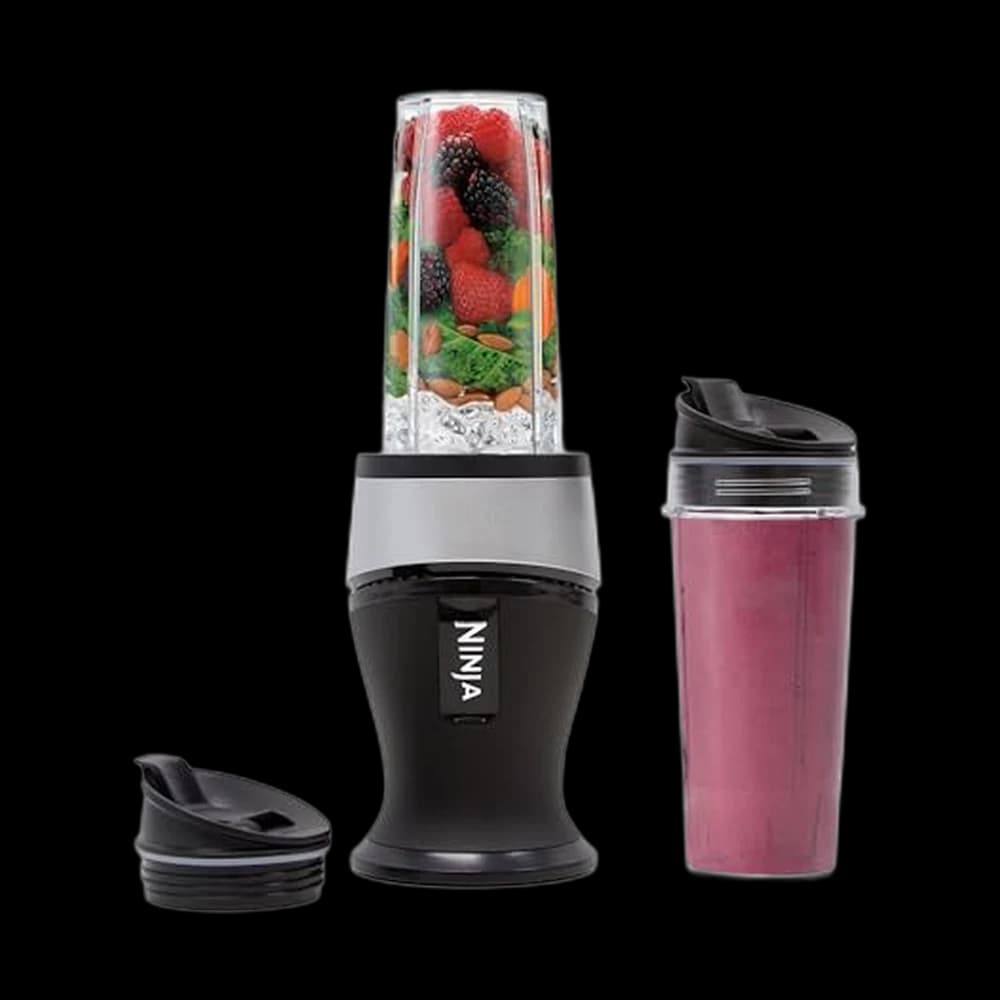
Kit for this: Mini blenders

Savory broth cup

9g protein

Typical label values

8 fl oz

Finished volume

Ingredients

  • 8 fl ozbone broth (typical label: 9 g protein per cup)
  • 1 tspwhite miso paste
  • 1 squeezelemon
  • 1 tbspsliced spring onion

Method

  1. 1Heat the broth to just below a simmer, then take it off the heat before stirring the miso in — boiling flattens it.
  2. 2Add the lemon and spring onion in the mug, not the pan.

Why it works on a small appetite. Savory, warm and drinkable, for the stretch of the day when nothing sweet is tolerable and a fork is too much to organise.

02

Spoonable

Soft, cold or warm, eaten with a teaspoon out of a small bowl.

Greek yogurt, peanut butter, oats

18g protein

Typical label values

about 2/3 cup

Finished volume

Ingredients

  • 1/2 cup (140 g)plain nonfat Greek yogurt
  • 1 tbsp (16 g)peanut butter
  • 1 tbsprolled oats
  • 1/2 tsphoney or maple syrup, optional

Method

  1. 1Warm the peanut butter for ten seconds so it stirs in instead of sitting in a lump.
  2. 2Fold everything through the yogurt and eat it cold, straight from the pot you mixed it in.

Why it works on a small appetite. It is two thirds of a cup and it eats slowly — the oats and the peanut butter give a teaspoon something to work against, so it lasts longer than the volume suggests.

Kit for this: Small meal containers

Cottage cheese, tomato, olive oil

12g protein

Typical label values

about 2/3 cup

Finished volume

Ingredients

  • 1/2 cup (113 g)2% cottage cheese
  • 2 tbspdiced ripe tomato
  • 1 tspolive oil
  • a pinchflaky salt and cracked pepper

Method

  1. 1Salt the tomato on its own for two minutes and tip away the water it gives up, or the bowl goes thin.
  2. 2Spoon the cottage cheese into a small bowl, top with the tomato, then the oil and pepper last.

Why it works on a small appetite. Savory and cold, with no cooking and no smell — the two things that most often decide whether a plate gets made at all.

Kit for this: Small meal containers

Warm ricotta with lemon

10g protein

Typical label values

about 1/2 cup

Finished volume

Ingredients

  • 1/3 cup (82 g)part-skim ricotta
  • 1 tsptoasted pine nuts or chopped almonds
  • 1/2 tsphoney
  • 1 pinchlemon zest

Method

  1. 1Warm the ricotta in a small bowl for twenty seconds — just to take the fridge off it, not to cook it.
  2. 2Zest the lemon over the top, then the honey and the nuts.

Why it works on a small appetite. Half a cup, soft, barely sweet, and warm without being a meal. It is the smallest thing on this page that still counts as eating something.

03

Three-bite plates

A plate that is honestly three bites, assembled in the time it takes to boil a kettle.

Two-egg plate

14g protein

Typical label values

one small plate

Finished volume

Ingredients

  • 2 largeeggs
  • 1 tbspgrated parmesan
  • 2cherry tomatoes, halved
  • 1 tspbutter or olive oil

Method

  1. 1Scramble the eggs low and slow, off the heat while they are still glossy — dry eggs are the ones that get left.
  2. 2Fold the parmesan through at the end and put the tomatoes on the side, not on top.

Why it works on a small appetite. Two eggs is a genuinely small plate that carries fourteen grams. Soft-scrambled it needs no chewing, which is what usually decides whether the last third gets eaten.

Tuna pouch on cucumber

16g protein

Typical label values

six rounds

Finished volume

Ingredients

  • 1 pouch (2.6 oz)tuna in water (typical label: 15 g protein)
  • 1 tbspplain Greek yogurt
  • 6 roundscucumber, cut thick
  • 1 tspchopped dill or chives
  • a squeezelemon

Method

  1. 1Fork the tuna with the yogurt and lemon — yogurt rather than mayonnaise keeps it cold and light on the tongue.
  2. 2Pile it onto the cucumber rounds and eat them with your fingers.

Why it works on a small appetite. Six separate bites rather than one bowl, so stopping after four is a normal thing to do rather than a decision about waste.

Kit for this: Small meal containers

Turkey and cheddar rolls

13g protein

Typical label values

three rolls

Finished volume

Ingredients

  • 2 ozsliced turkey breast
  • 1/2 ozcheddar, cut into thin batons
  • 3 leavesbasil or baby spinach
  • 1/2 tspwholegrain mustard, optional

Method

  1. 1Lay a leaf and a baton of cheddar on each turkey slice, smear of mustard if you want it.
  2. 2Roll tight and cut each roll in half so it is six short pieces rather than three long ones.

Why it works on a small appetite. Nothing is cooked and nothing is hot, so there is no cooking smell and no waiting. It travels in a pocket of a bag and survives a work morning.

04

Freezer cubes

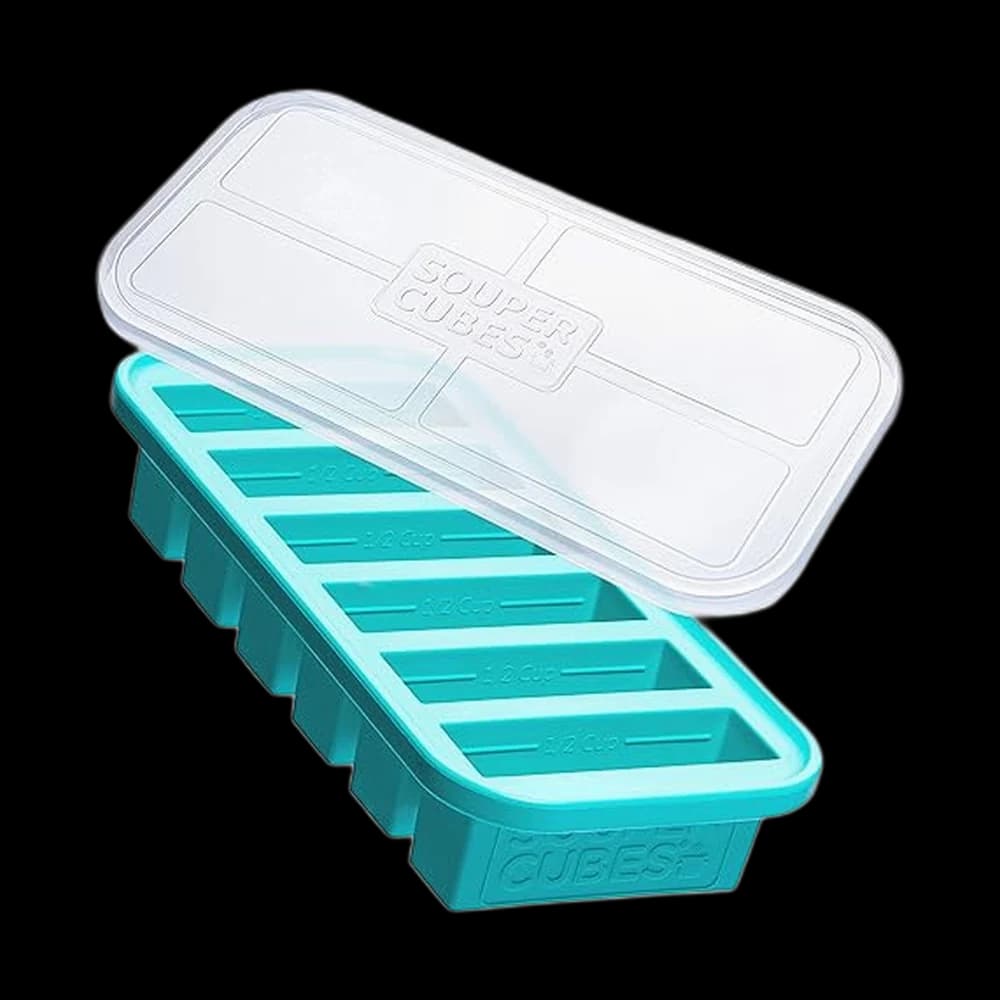
Cook once, freeze in half-cup portions, reheat one at a time.

Lentil and tomato cubes

9g protein

Typical label values

1/2 cup per cube, makes 2

Finished volume

Ingredients

  • 1 cupcooked brown or green lentils
  • 1/2 cuppassata or crushed tomatoes
  • 1 tspolive oil
  • 1/4 tspsmoked paprika
  • to tastesalt

Method

  1. 1Simmer everything together for five minutes, then mash about a third of it against the side of the pan so it holds together.
  2. 2Cool, spoon into half-cup wells, freeze, and pop them into a bag once solid.

Why it works on a small appetite. Half a cup is the portion, so reheating one is a decision you make once rather than a full pot you then have to face down.

Kit for this: Small meal containers

Chicken and rice cubes

12g protein

Typical label values

1/2 cup per cube, makes 3

Finished volume

Ingredients

  • 4 oz (113 g)cooked chicken breast, shredded fine
  • 1 cupcooked short-grain rice
  • 1/2 cupchicken broth
  • 1 tspsoy sauce or a pinch of salt
  • 1 tspgrated ginger, optional

Method

  1. 1Stir the broth through the rice and chicken until it is loose and wet — it firms up in the freezer and dries out on reheating, so make it wetter than you want it.
  2. 2Portion into half-cup wells, freeze, then reheat one with a spoonful of water over it.

Why it works on a small appetite. Shredded rather than diced, and loose rather than dry, so a half cup goes down as a soft bowl instead of a plate of chicken you have to work at.

Kit for this: Small meal containers

Black bean and cumin cubes

8g protein

Typical label values

1/2 cup per cube, makes 3

Finished volume

Ingredients

  • 1 1/2 cupscooked black beans, drained
  • 1/2 cupvegetable broth
  • 1 tspground cumin
  • 1 tsplime juice
  • to tastesalt

Method

  1. 1Warm the beans with the broth and cumin, then blend or mash to a coarse purée and stir the lime in off the heat.
  2. 2Cool, portion into half-cup wells and freeze. Reheat one and thin it with a spoon of water.

Why it works on a small appetite. It reheats to a spoonable purée rather than a plate of beans, and lime at the end keeps it from tasting heavy after a week in the freezer.

Kit for this: Small meal containers

What this library deliberately is not

  • A meal plan. There are 12 recipes here and no schedule attached to them. Nothing on this page tells you how many to eat, when, or in what order.
  • A nutrition claim. These are foods, in grams, at a volume. They are not offered as a remedy for anything, and no recipe here is going to change a symptom worth calling someone about.
  • Precise. Label values move. If a number matters to you — because a clinician gave you a target to hit — weigh the ingredient and read its own label rather than trusting a card on a website.

Next: why protein goes first when appetite drops · containers sized for these portions · The LeanFed Path