Adjusting
Dose steps, a symptom toolkit, and the first real protein habit.
Stage 2 is the long middle. Each dose step can feel like a small replay of week one, constipation usually outlasts the nausea, and somewhere in here the scale stops moving for a few weeks and everyone panics. This is also where you stop improvising: a protein routine that works on your worst day, a fiber approach that does not backfire, and a way of tracking that is not just a number in the morning.
A dose increase gets described as week one all over again, even by people who had settled comfortably at the dose below.
Paraphrased from r/ZepboundSource
Moving up quickly is the thing people most often say they would do differently, and slowing the climb is the advice that keeps being repeated to newcomers.
Paraphrased from r/MounjaroSource
Constipation quietly takes over from nausea as the daily complaint, and fluid and fibre come up together every time it does.
Paraphrased from r/OzempicSource
Do this now
One habit. If you read nothing else on this page, this is the one that matters at Stage 2 — and it needs no gear.
Build a protein routine you can run on a bad day
Pick two breakfasts, two lunches and two dinners you can execute with no appetite and no energy, and keep the ingredients in the house permanently. Variety is a Stage 3 problem. Reliability is the Stage 2 skill.
Try it · 2 min
How many different high-protein meals do you actually need at this stage?
Field assignment
Write down two breakfasts, two lunches and two dinners you could make right now with what is in your kitchen. If you cannot get to six, write the shopping list for the gap.
Know this
Whether this stage is yours, and what is actually going on.
You're at this stage if…
- You have moved up at least once and know what a dose step feels like
- Nausea has faded but constipation has not
- You have hit a stretch where the scale did nothing and it rattled you
- You are tired of shakes and want food that is actually food
- You have started wondering whether you are getting enough protein
None of it sounds like you? Look at all five stages or take the two-minute quiz. Stages move in both directions and nothing is locked.
What a review actually recommends for protein
A 2026 Nutrients review of nutrition support during incretin therapy reports that intakes of roughly 1.2 to 1.6 g/kg/day - adjusted for age, kidney function and other conditions - support fat-free mass retention, and that about 25 to 35 g of high-quality protein per eating occasion is generally enough to maximise muscle protein synthesis in most adults (Zambrano-Villacres et al., Nutrients, 2026, PMC13258902). There is no universal number. Your clinician sets yours, and kidney conditions in particular change the answer.
Fiber has a target range too
NIDDK points adults at 22 to 34 grams of fiber a day depending on age and sex, and recommends planning it with a health professional such as a dietitian (NIDDK, Constipation - Eating, Diet, and Nutrition). Food first; a supplement is what you add when food is not getting you there.
Sugar alcohols in protein bars have a GI cost
Many high-protein bars use sugar alcohols to keep sugar low. They are a common cause of bloating and looser stools, and on a gut that is already unhappy that is worth knowing before you buy a 12-pack. Check the panel for erythritol, maltitol and sorbitol.
Third-party testing is a real, checkable thing
NSF Certified for Sport and Informed Sport publish searchable lists of the exact products they have tested. A claim of testing on a tub is not the same as an entry in the certifier's database - if it matters to you, look the product up rather than trusting the badge art.
Probiotics are strain-specific and not a weight tool
Evidence for probiotics is specific to particular strains and particular conditions, and effects on body weight are inconsistent. Nothing on this site treats a probiotic as a weight-loss product, and anything sold as a natural version of these medications is marketing, not pharmacology.
Learn more
The rest of the habits for this stage, then the long-form guides. Take them in any order — or come back for them later.
The other habits at this stage
Showing the oral-tablet version — anything about needles, sharps or shot day is hidden. Use “show everything” in the bar at the top of the page to bring it back.
Add fiber slowly, with fluid
NIDDK's guidance is explicit: get enough fiber, drink plenty of liquids to help the fiber work, and add it a little at a time so your body adjusts (NIDDK, Constipation - Eating, Diet, and Nutrition). Fiber added fast and dry is how people make constipation worse and then blame the medication.
Measure once so you know what you are looking at
Weigh a serving of your protein powder, your yogurt, your chicken. Not forever - once. Almost everyone is surprised in one direction or the other, and after a week of checking you can eyeball it for good.
Read the panel, not the front of the pack
Protein per scoop tells you very little if the scoop is 45 grams and you can only get 6 fluid ounces down. Protein per comfortable volume is the number that matters now, and it is the ranking we use in our protein guides.
Track three things that are not the scale
Waist measurement, how a specific pair of jeans fits, and whether you can do something physical you could not do a month ago. Weight is a noisy daily signal; these three are slower and more honest.
Expect the plateau and keep the habits
Weight loss is not linear, and a flat stretch is not a failure of willpower. Nothing in this stage changes because the scale paused. If the pause worries you, that is a conversation with your prescriber, not a reason to skip protein.
Guides for this stage
Start with these, in order. The rest are optional branches — take the ones that match what you are actually running into.
Then explore — optional
The gear that matters here
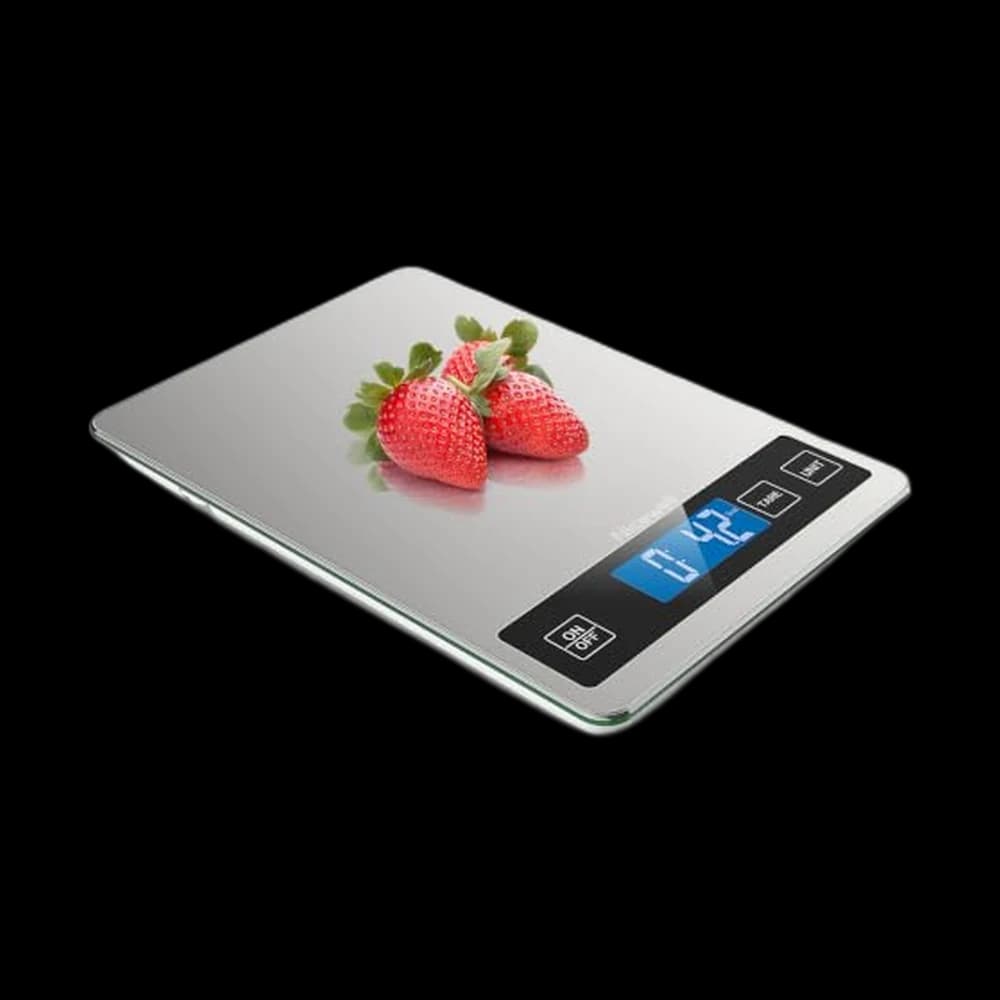
This is the stage where buying well pays off, because you now know your own answers: powder or ready-to-drink, sweet or savoury, chew or sip. Buy the cheapest version of each thing that meets the spec, and spend the difference on food. A kitchen scale is the highest-leverage 20 dollars here because it turns every future purchase into a decision you can check.
You told us you take an oral tablet, so sharps containers, insulated pen cases and anything else that only exists for an injection are left out below. Nothing about food, comfort or safety changes.
LeanFed may earn a commission from links on this page; it never changes a ranking. Full disclosure.
Starter
- $12-30
Digital kitchen scale
Tare function, 1 gram resolution, a display you can read with a bowl on it. Turns protein per scoop and cost per 20 g from guesses into facts.
- $15-35
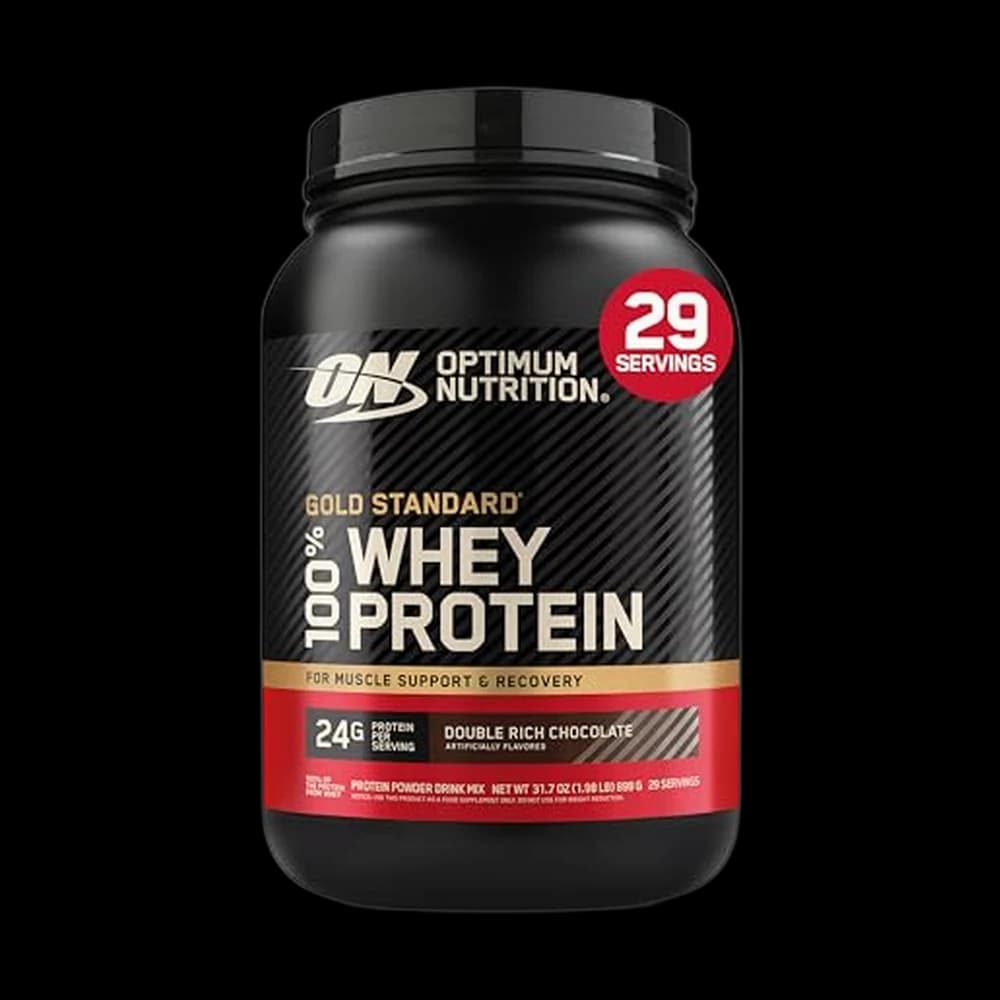
Protein powder, single-serve sampler first
Buy samples before the tub. Judge it on protein per fluid ounce once mixed and on whether you can finish the glass - not on the front of the bag.
- $10-25
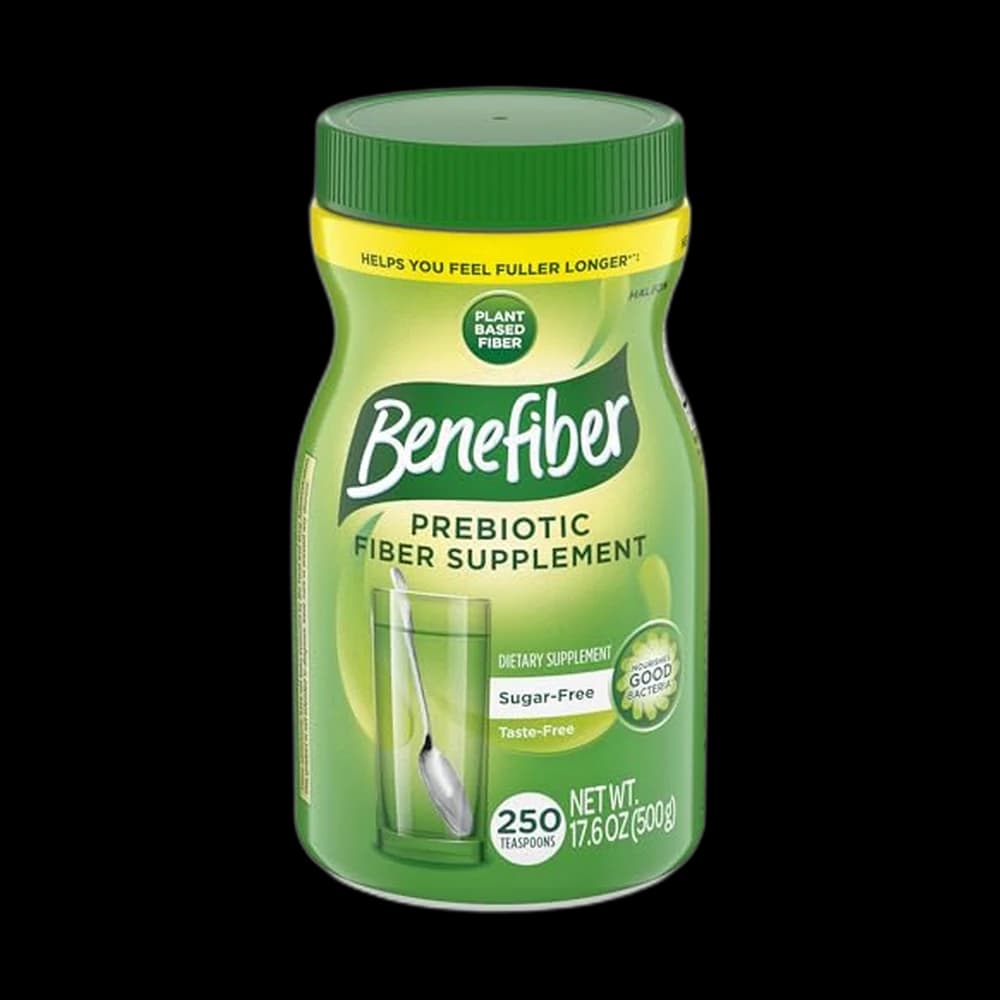
Fiber supplement, starting small
Psyllium or PHGG, started at a fraction of the label serving and increased slowly with fluid. Food first; this is the gap-filler.
Recommended
- $30-80
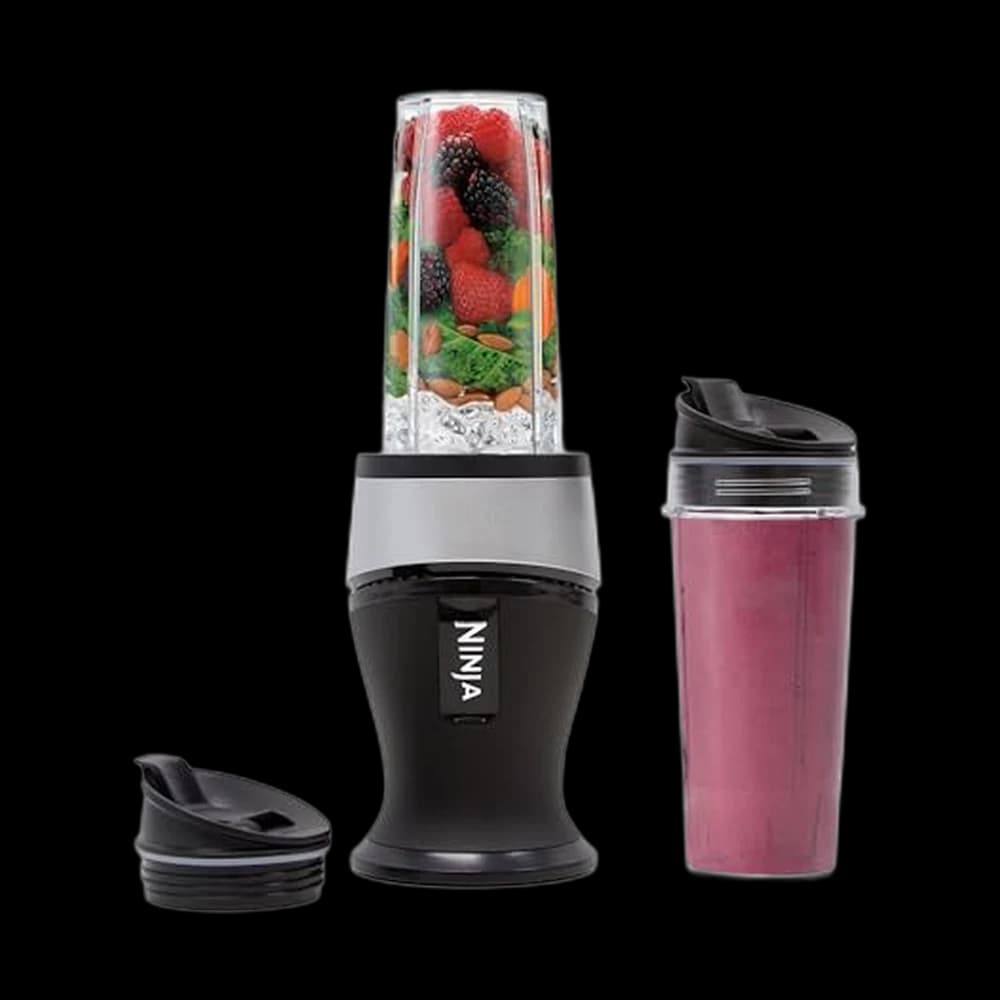
Personal blender
Only worth it if clumpy powder is what stops you drinking it. Judge on how well it handles powder plus ice, noise, and whether the parts survive a dishwasher.
- $15-35
High-protein snacks in single portions
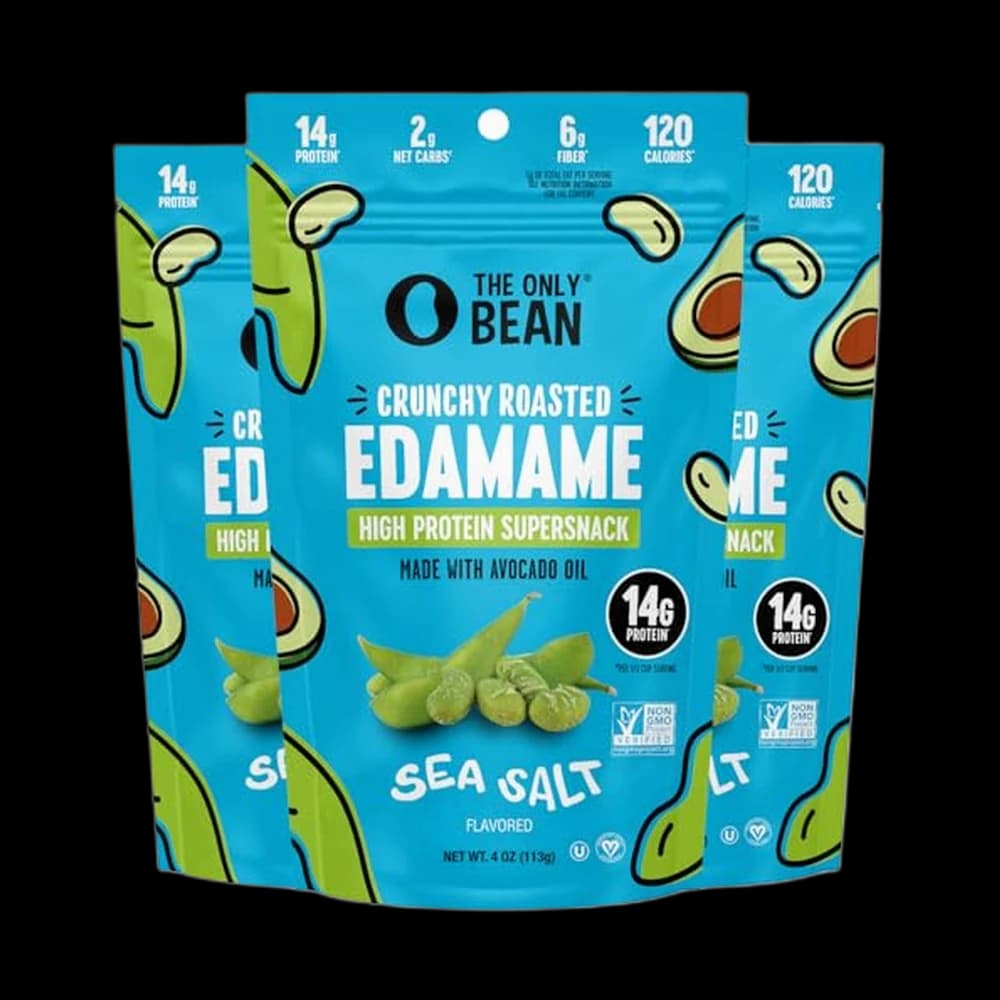
Meat sticks, tuna and chicken pouches, roasted edamame. Compare protein per 100 kcal and check the sodium - pouches vary enormously.
- $15-35
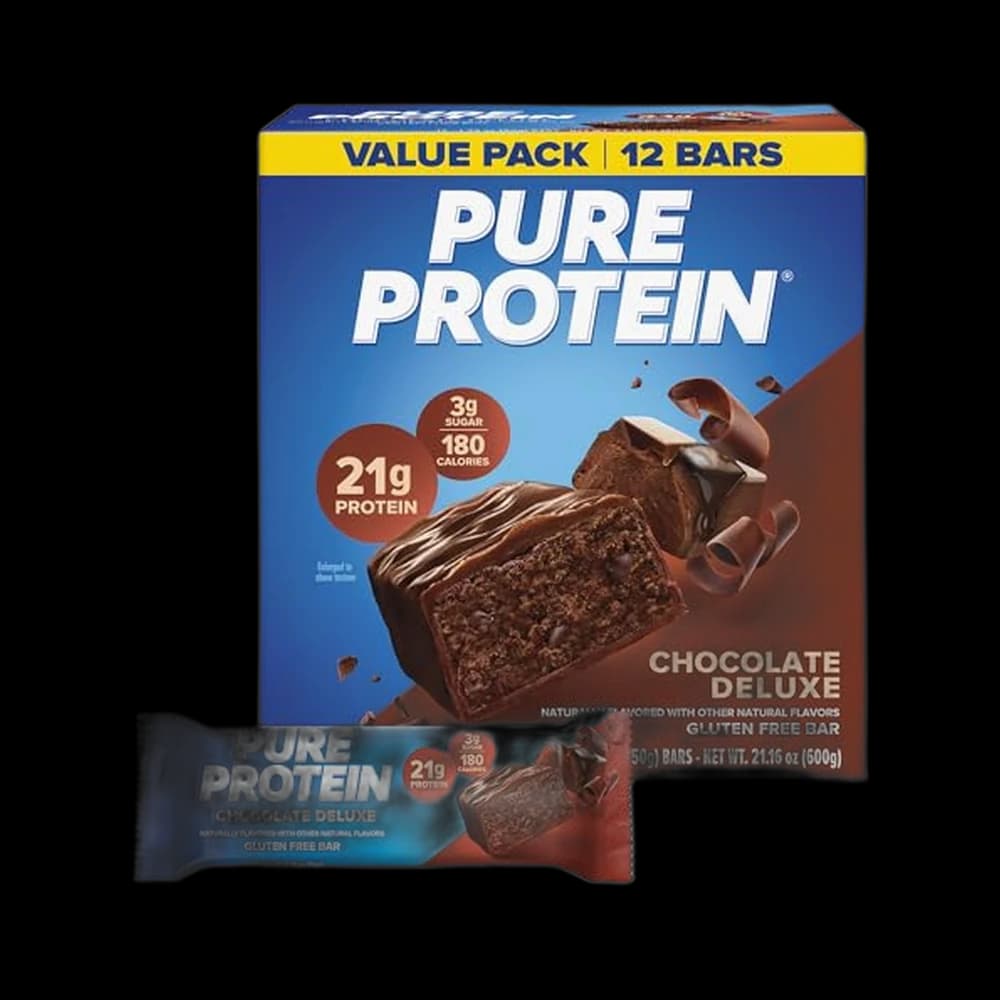
Protein bars, bought as a mixed box
Look at protein to calorie ratio, fiber, and the sugar alcohols. Texture matters more than usual when a whole bar is a large meal.
When you're sure
- $10-30
High-protein breakfast staples
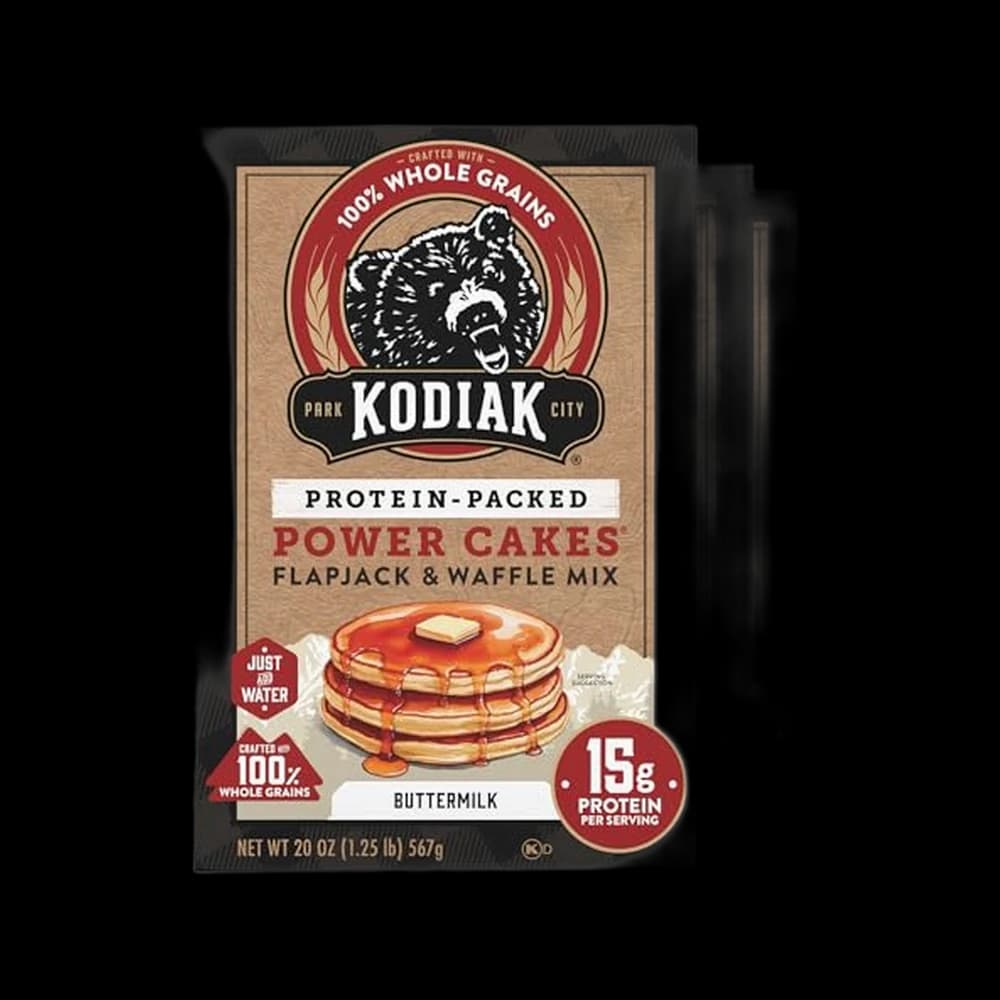
Protein oatmeal, cereal or pancake mix for people who need mornings to be automatic. Compare on protein per serving as prepared, not per dry cup.
- $15-30
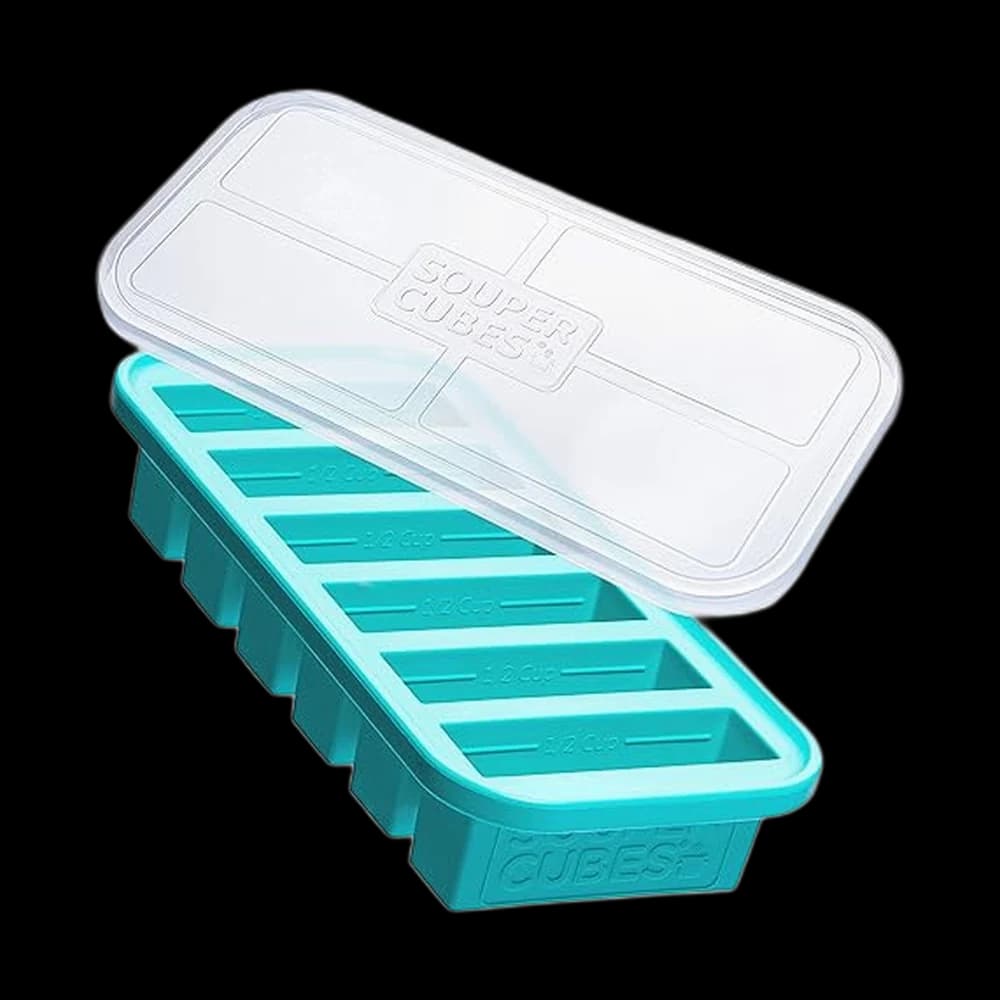
A second set of small containers
The real unlock is portioning a whole batch at once. One set is never enough for anyone who cooks on a Sunday.
Nothing on this list treats or prevents a side effect — these are conveniences that make the habits above easier to keep. See scored, current-price picks in the Gear section.