Keeping
Lower appetite is normal now. The work is keeping the habits, and your life.
Stage 4 is maintenance, and it is longer than everything before it put together. The gear is bought, the routine exists, and the risks change shape: complacency, travel, a rough month that quietly ends the strength habit, and whatever your prescriber decides about the medication long term. The job is protecting a system that already works.
Maintenance keeps being described as its own stage rather than the end of one, with the habits doing the work the appetite change used to do.
Paraphrased from r/ZepboundSource
The question that dominates is what happens when appetite comes back, and people plan for that long before it does.
Paraphrased from r/MounjaroSource
Whether this is a long-term medication is the live question, and it is one these threads consistently hand back to the prescriber.
Paraphrased from r/WegovyWeightLossSource
Do this now
One habit. If you read nothing else on this page, this is the one that matters at Stage 4 — and it needs no gear.
Protect the two strength sessions above everything else
When a week collapses, the lifting is what disappears first and comes back last. Treat it as the fixed point and let other things move around it. Two sessions a week is the federal guideline floor, not a stretch target (Physical Activity Guidelines for Americans, 2nd edition).
Try it · 2 min
A brutal week hits. Which part of the routine should be defended hardest?
Field assignment
Write your minimum week now, while things are calm: the smallest version of the routine that still counts. One line. Keep it where you will find it in a bad month.
Know this
Whether this stage is yours, and what is actually going on.
You're at this stage if…
- Weight has been broadly stable for months
- Eating less is just how you eat now, not a thing you are managing
- You travel, or life gets disrupted, and you want the routine to survive it
- You are talking with your prescriber about the long term
- You want this to still be true in five years
None of it sounds like you? Look at all five stages or take the two-minute quiz. Stages move in both directions and nothing is locked.
Some weight regain after stopping is the expected pattern
NIDDK's answer to the question is direct: you probably will regain some weight after you stop taking weight management medication, and developing and maintaining healthy eating habits and increased physical activity may help you regain less or keep it off (NIDDK, Prescription Medications to Treat Overweight and Obesity).
Several of these are approved for long-term use
NIDDK lists liraglutide (Saxenda), semaglutide (Wegovy) and tirzepatide (Zepbound) among the drugs FDA has approved for long-term chronic weight management, and notes you can keep taking them as long as you are benefiting and not having serious side effects (NIDDK). Whether that applies to you is your prescriber's call.
Medications are exempt from the carry-on liquids limit
TSA's liquids rule page lists medications as an exemption to the 3.4 oz / 100 ml carry-on limit (TSA, Liquids Rule). Declare them at the checkpoint, keep them in your carry-on rather than checked baggage, and expect additional screening.
Never freeze, and never let it arrive warm
Every label here says do not freeze and do not use if frozen. FDA has also warned that it received complaints of compounded GLP-1 drugs arriving warm or with inadequate ice packs, and recommends not using any injectable GLP-1 drug that arrives warm or insufficiently refrigerated (FDA, Medications Containing Semaglutide). An ice pack that touches the pen is a freezing risk, not a safety measure.
Sharps disposal rules are local
FDA states that sharps disposal guidelines and programs vary depending on where you live, and points people to their local trash removal service or health department (FDA, Best Way to Get Rid of Used Needles and Other Sharps). Check the rules at your destination before you travel, not after.
Learn more
The rest of the habits for this stage, then the long-form guides. Take them in any order — or come back for them later.
The other habits at this stage
Showing the oral-tablet version — anything about needles, sharps or shot day is hidden. Use “show everything” in the bar at the top of the page to bring it back.
Keep protein first even when appetite returns
Appetite can shift over time, and the habit is what carries you through the shift. Protein first costs nothing on a good-appetite day and is the whole game on a bad one.
Pack the medication like it is fragile, because it is
Storage rules are brand and presentation specific, and the after-first-use window is the one people forget. Build your packing list from your own label, not from a forum post about someone else's pen.
Have a plan for a bad month
Illness, a move, a bereavement, a work crunch. Decide now what the minimum version looks like - one strength session, protein at breakfast, fluids - so that a hard month interrupts the routine instead of ending it.
Keep talking to your prescriber about the long term
Whether to stay on, how long, what monitoring makes sense: all of that is theirs, and it changes over time. Regular check-ins beat waiting until something goes wrong.
Re-check your stage occasionally
A dose change, a long illness, or a break can genuinely put you back in Stage 1 for a few weeks, and there is nothing wrong with that. The path runs both ways.
Guides for this stage
Hand-written, skimmable how-tos that go deeper on the habits above.
The gear that matters here
Nothing new is required at Stage 4. What changes is that the gear needs to survive real life: a travel case that matches your label's storage window, a container set that lives in the bag you actually use, and consumables you can reorder without thinking. Replace what has worn out; resist buying novelty because progress feels slow. The habit is the asset now.
You told us you take an oral tablet, so sharps containers, insulated pen cases and anything else that only exists for an injection are left out below. Nothing about food, comfort or safety changes.
LeanFed may earn a commission from links on this page; it never changes a ranking. Full disclosure.
Starter
- -
Everything from Stages 1 to 3
Kept, maintained and reordered. The best Stage 4 purchase is usually a replacement for something that broke.
Recommended
- $25-90
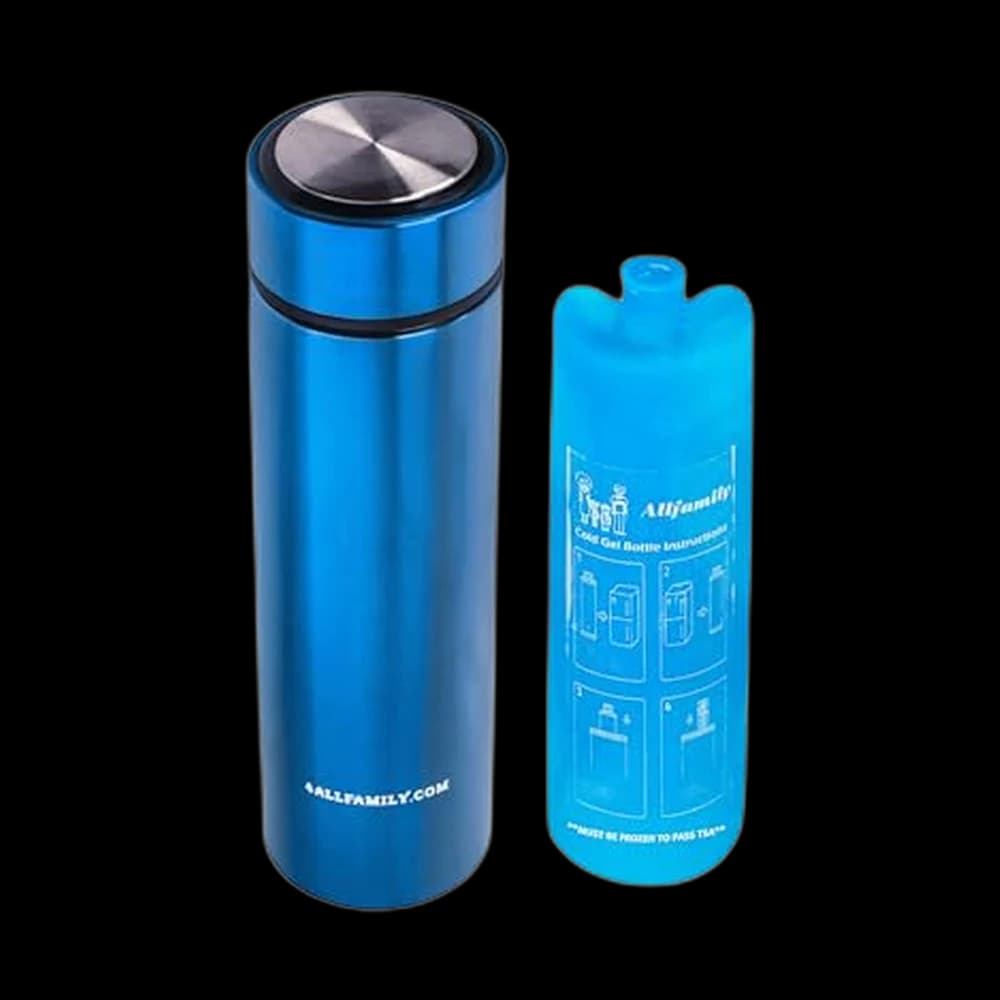
Insulated medication travel case
Match the case to your own label's storage window rather than to a marketing claim. Nothing here can guarantee potency - it buys you a controlled environment, and freezing is never the goal.
- $8-20
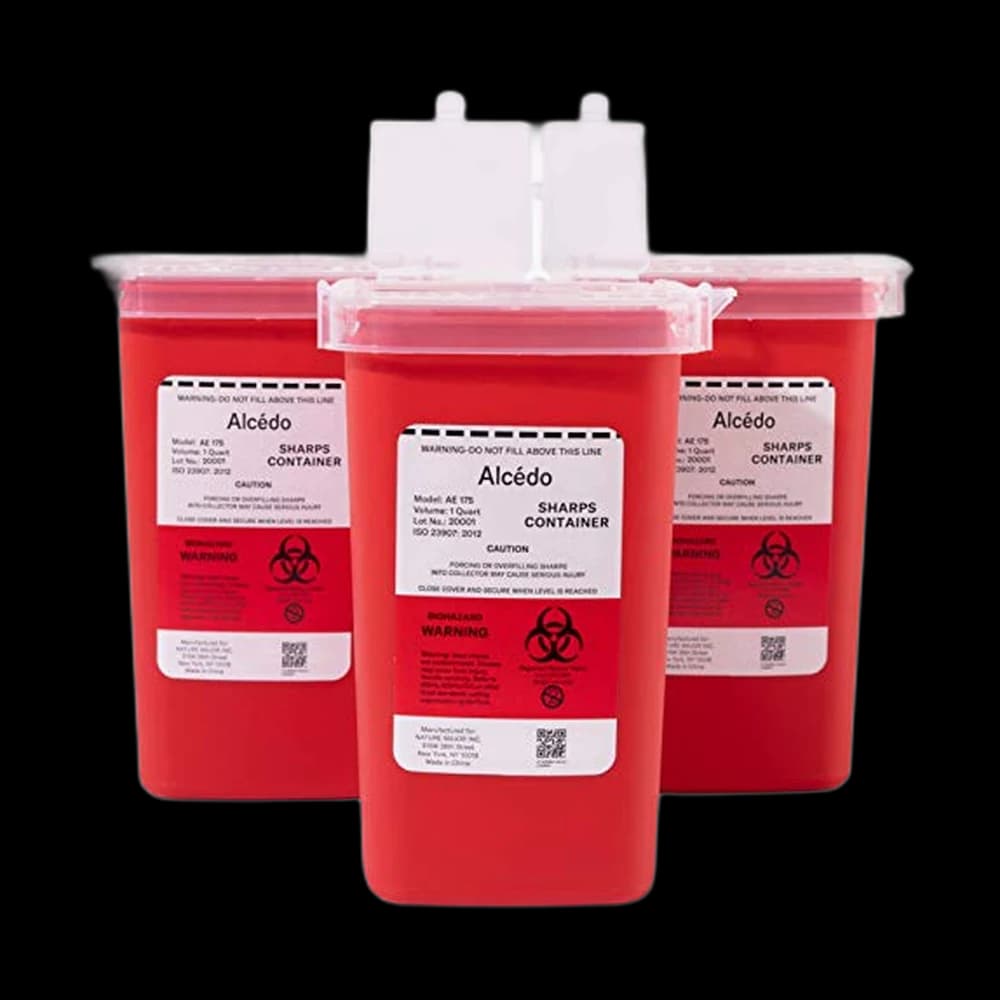
Travel-size sharps container
FDA notes FDA-cleared sharps containers come in smaller travel sizes (FDA, Sharps Disposal Containers). Check disposal rules where you are going.
- $15-35
Shelf-stable protein for the road
Pouches and bars that live in a bag without refrigeration. May help you keep intake up on days when the food available is not food you can eat.

When you're sure
- $20-45
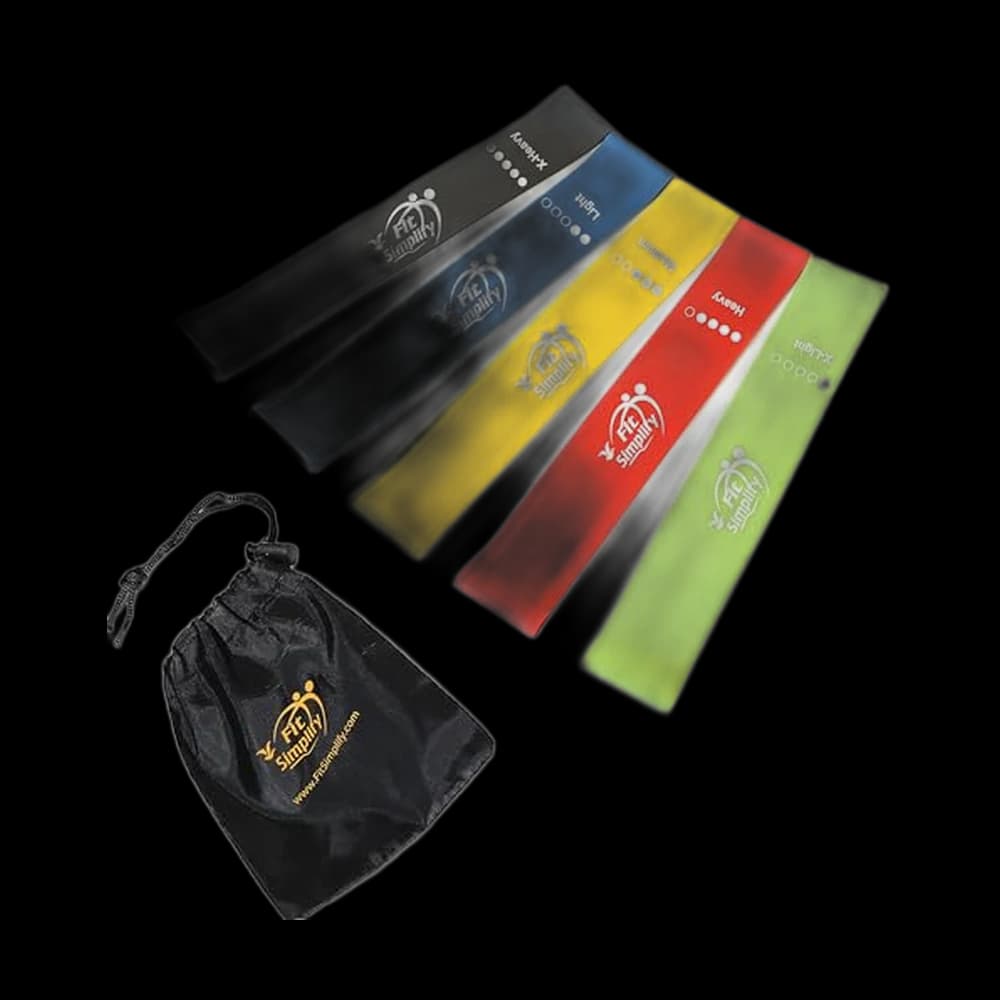
Bands that live in the suitcase permanently
A dedicated travel set means the strength habit does not pause for a trip. Cheap enough to own twice.
- $15-40
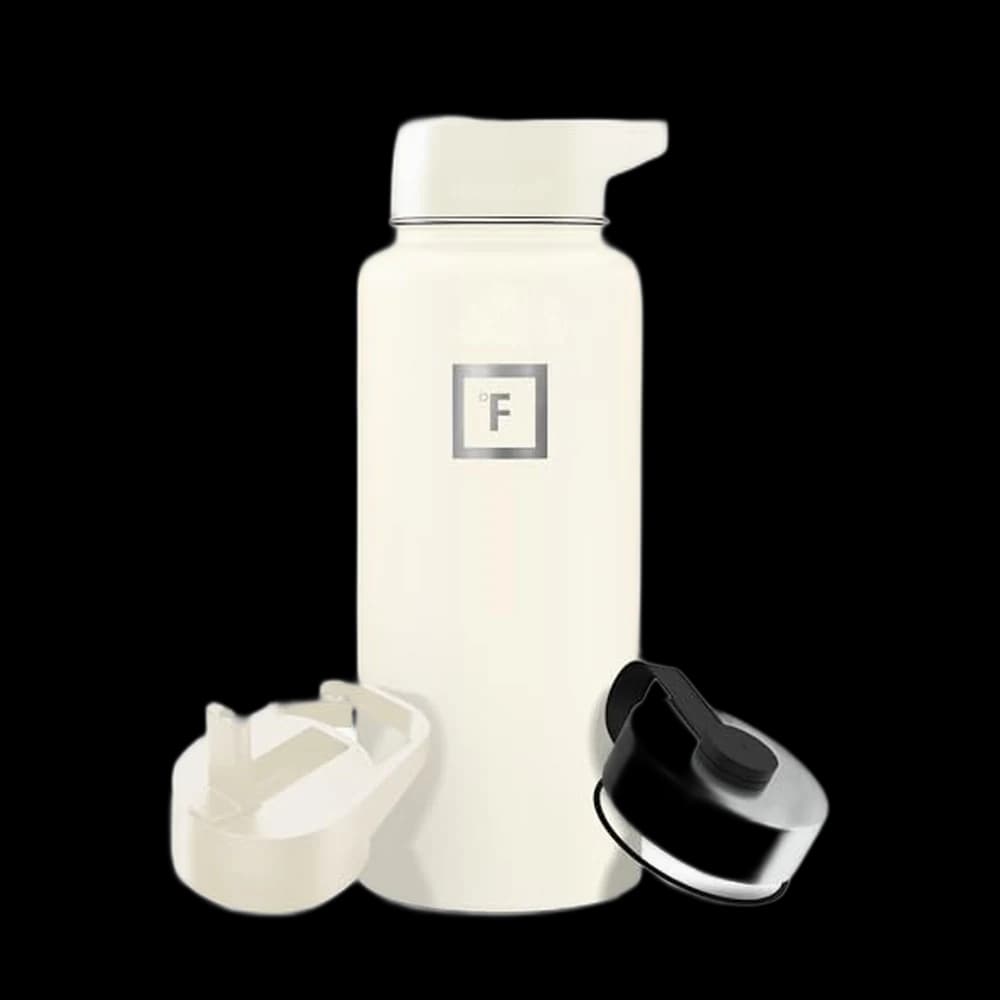
A second water bottle for the bag you travel with
The sipping habit is the one most easily broken by an airport. Owning two removes the excuse.
Nothing on this list treats or prevents a side effect — these are conveniences that make the habits above easier to keep. See scored, current-price picks in the Gear section.