Convert everything to per-8-ounces first
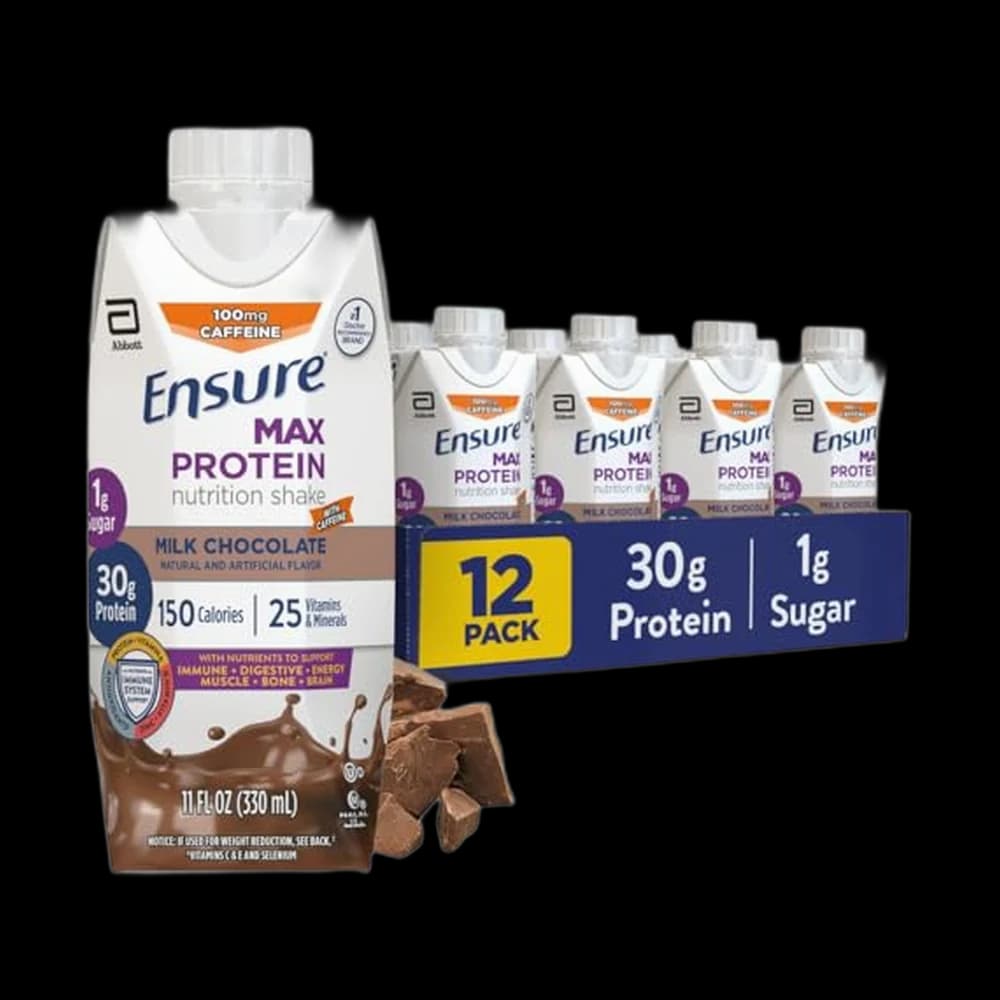
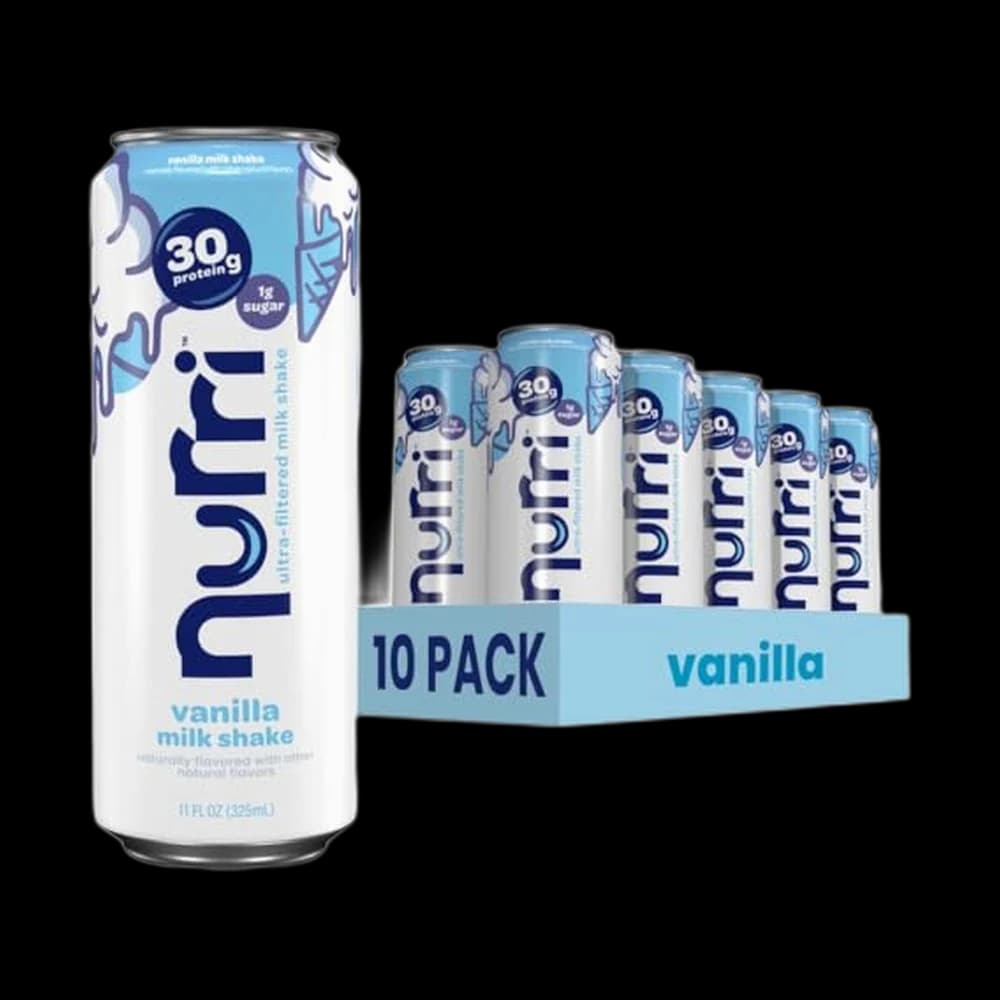
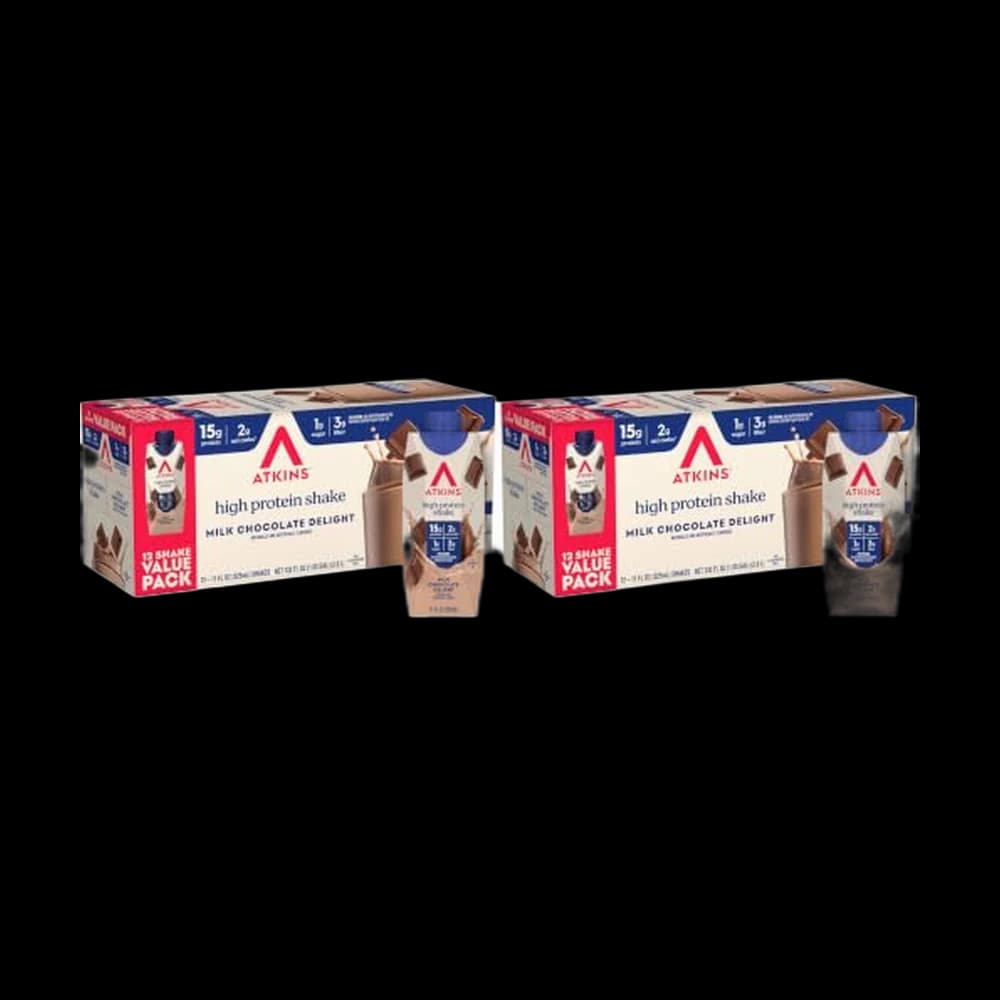
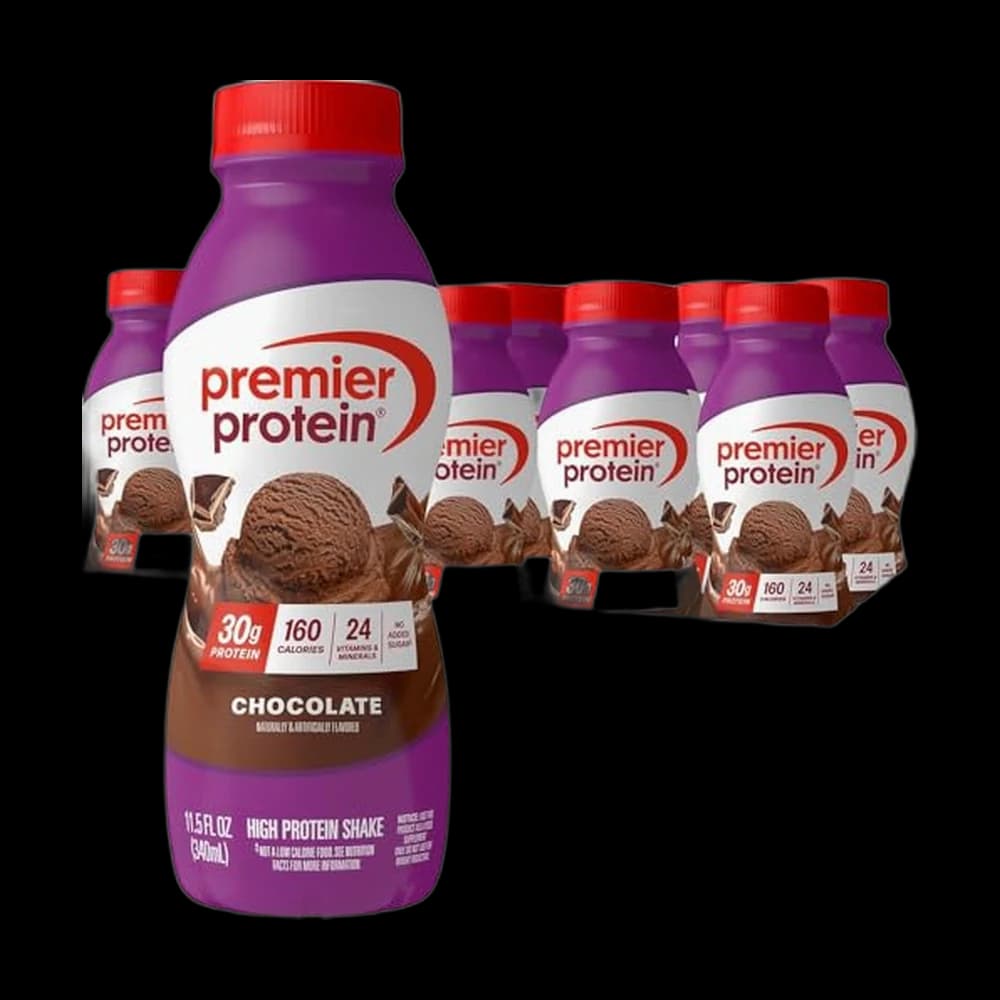
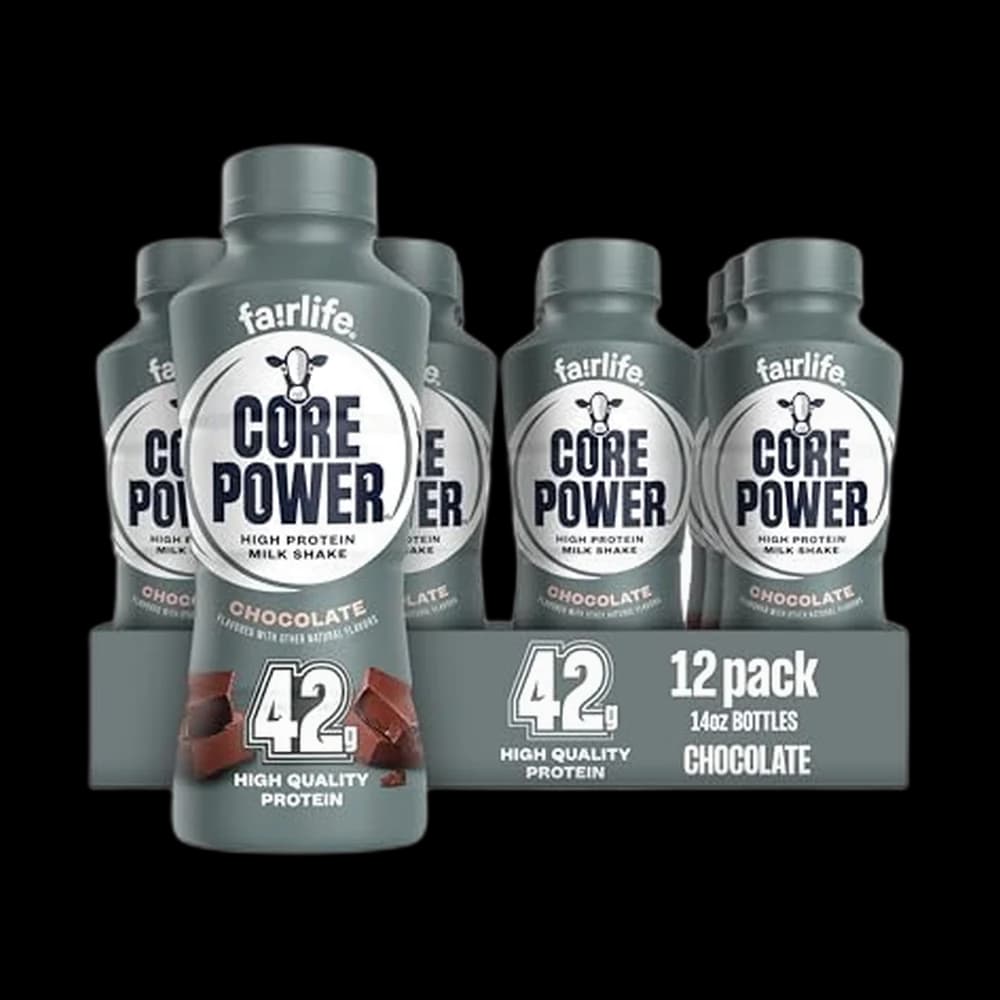
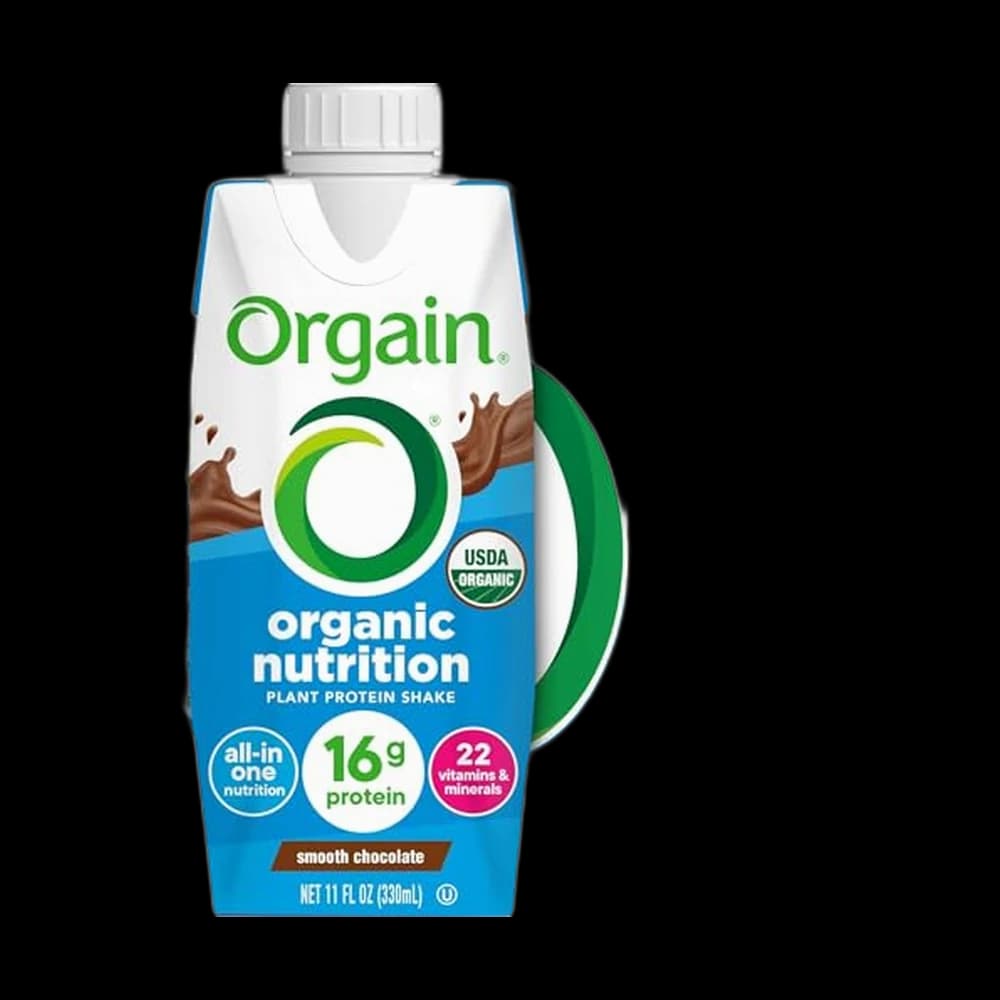
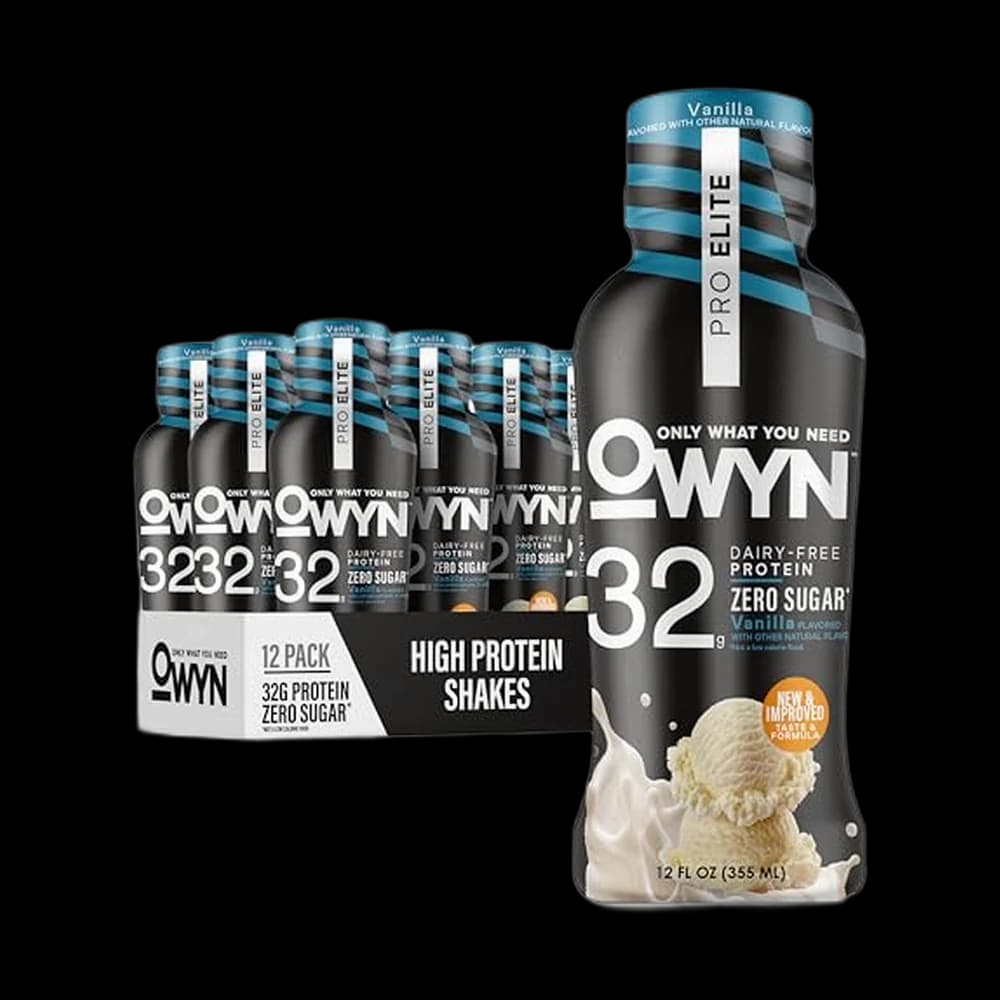
The marketing number on the front of an RTD bottle is grams of protein per bottle, and bottles in this aisle range from roughly 8 to 14 fluid ounces. Before comparing anything, do one division: grams of protein divided by fluid ounces, times eight. That single step reorders the shelf, because the shake with the biggest headline number is frequently just the biggest bottle.
Then check total volume on its own line. On a GLP-1 the limiting factor is often "can I finish 11 ounces of anything", and a 20 g shake you actually complete beats a 42 g shake you abandon at the halfway mark. Two small bottles spread across a day is a legitimate strategy and shows up constantly in the communities.
Read three lines on the panel
- Fat. Higher-fat shakes tend to sit heavier. These medications already slow how quickly the stomach empties, and some people find a lower-fat option easier to tolerate on the day of and the day after a dose. That is a tolerance preference, not a safety rating — if queasiness persists, that is a conversation with your prescriber rather than a shopping decision.
- Sugar and sugar alcohols. Sugar alcohols are incompletely absorbed and fermented in the large intestine; products containing sorbitol or mannitol must carry a label warning that excess consumption may have a laxative effect (FDA).
- Sodium. Rarely a problem in one shake, occasionally a problem when a shake is stacked on broth and an electrolyte drink in the same day.
Match the format to the day, not to a brand
- Working day, no fridge: shelf-stable bottle in a bag or drawer.
- The day after a dose, if things sit heavily: many people reach for the lowest-fat, least sweet option they own — often a clear protein drink rather than a creamy shake. Tolerance varies a lot; there is no one right answer here.
- Dairy sensitivity: lactose-free is a label claim you can check; note that lactose-free milk protein is still dairy protein.
Rule of thumb: buy one bottle or a mixed variety pack before you buy a case. Taste aversion to a specific shake is one of the most common regrets in these communities, and a case is a week of protein you will not drink.
What a shake is and is not
An RTD is a convenient food. It may help with getting protein in when appetite or time is short — it is not a remedy for queasiness, it does not protect muscle on its own, and it does not replace what your prescriber tells you. There is no universal gram target; most clinicians set one per person, and it pairs with resistance training rather than standing in for it.