Broths & Sipping SoupsGuide6 min
High-Protein Soup for a Small Appetite: Protein per Cup
TL;DR
LeanFed may earn a commission from links on this page; it never changes a ranking. Full disclosure.
The short answer
Our pick
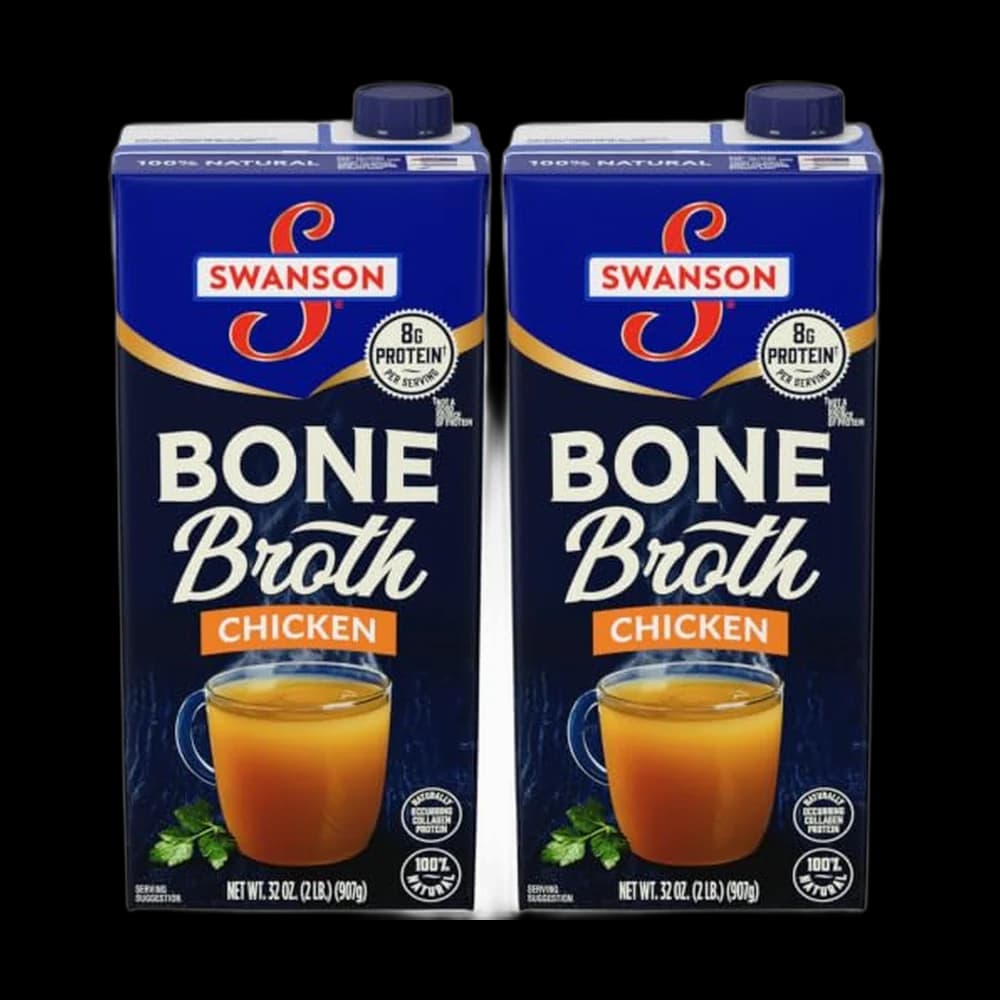
Swanson Chicken Bone Broth, 32 oz Carton (Pack of 2)- Grocery-price sipping broth you will actually keep restocking.
- Sodium is a live concern — this is a salted broth.
Compare broth labels, build two protein-rich soup bowls and calculate protein per finished cup using measured yield, with small-portion storage tips.
Key takeaways
- Check both grams of protein and the serving size on the exact broth label.
- Cooked chicken and lentils add protein, but also change finished soup volume.
- Measure the finished batch before calculating protein per cup.
Pick by your situation
| If your situation is… | Pick | Why |
|---|---|---|
| Want a simple chicken bowl | Swanson bone broth + cooked chicken | The half-cup broth amount is easy to calculate from its 8 g-per-cup label. |
| Want a thicker chicken-lentil bowl | Pacific bone broth + cooked chicken + cooked lentils | The example combines weighed cooked solids with a measured half-cup of broth. |
| Want separate portions for later | A half-cup freezer tray or a small glass container | Portion the finished soup after measuring yield; containers do not determine its protein content. |
Each pick is one of the products compared below — a shortcut by situation, not a separate recommendation.
Broths & Sipping Soups: our picks
| Pick | Best for | Rating | Price | LeanScore | Buy |
|---|---|---|---|---|---|
| №1Swanson Chicken Bone Broth, 32 oz Carton (Pack of 2) | Grocery-price broth you will actually keep restocking. | ★ 4.6 | $6.62 | 87 | Buy on Amazon |
 Pacific Foods Organic Unsalted Chicken Bone Broth, 32 FZ Pacific Foods Organic Unsalted Chicken Bone Broth, 32 FZ | Unsalted, so the sodium column is yours to control. | ★ 4.6 | $5.53 | 83 | Buy on Amazon |
 Souper Cubes 1/2 Cup Silicone Freezer Mold with Lid, Aqua, 1-Pack Souper Cubes 1/2 Cup Silicone Freezer Mold with Lid, Aqua, 1-Pack | Freeze leftovers in the portion you can finish. | ★ 4.8 | $21.99 | 88 | Buy on Amazon |
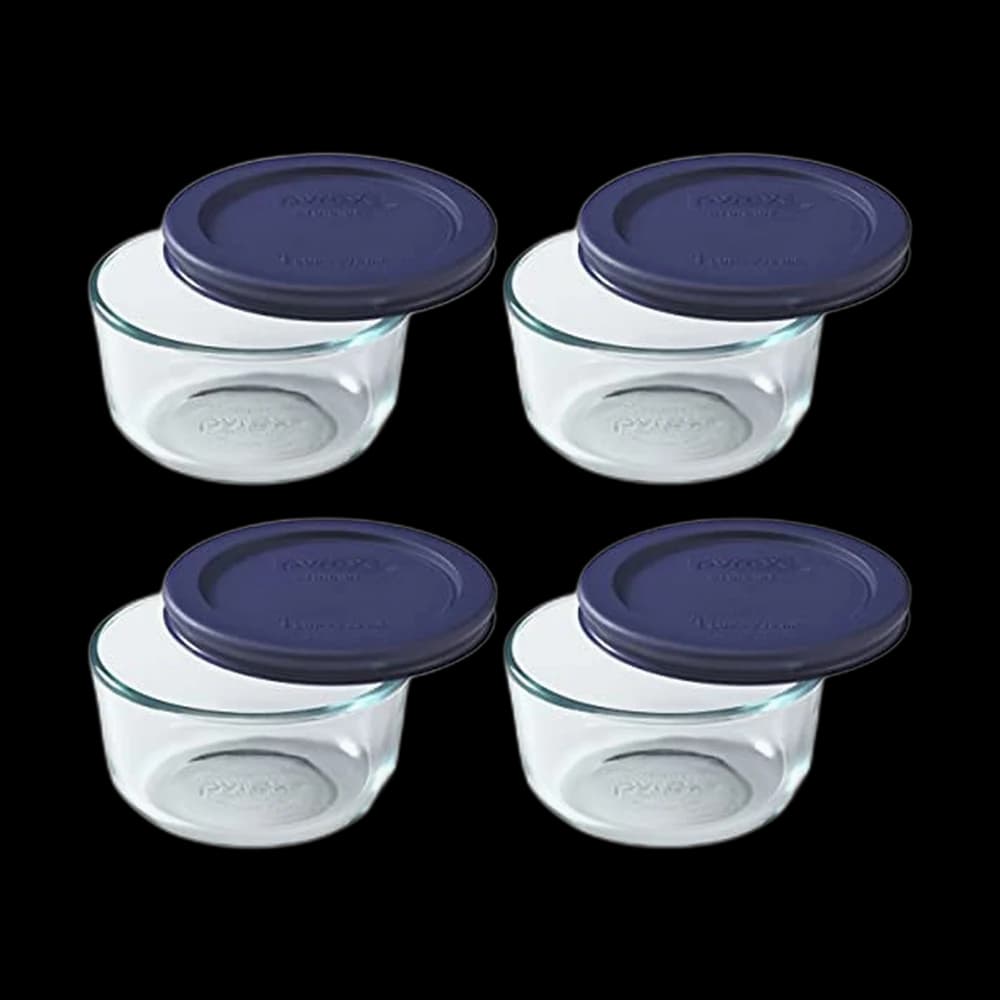 Pyrex 7202 (1-Cup) Glass Bowl with Dark Blue Lid (4-Pack) Pyrex 7202 (1-Cup) Glass Bowl with Dark Blue Lid (4-Pack) | Glass you can reheat without thinking about it. | ★ 4.8 | $26.99 | 81 | Buy on Amazon |
A broth carton's front panel can make a soup sound more substantial than its portion actually is. Check three things separately: the label's serving size, the protein you add, and the volume of the finished soup. A mug of broth and a bowl containing chicken are different calculations.
Start with the label, not the word “bone”
These are specific products, not averages for every broth. Formulas vary, so compare the package in your kitchen with the manufacturer's current label before using these numbers.
| Soup base or add-in | Measured amount | Protein | Source |
|---|---|---|---|
| Swanson regular Chicken Broth | 1 cup / 240 mL | 1 g | Manufacturer label |
| Swanson Chicken Bone Broth | 1 cup / 240 mL | 8 g | Manufacturer label |
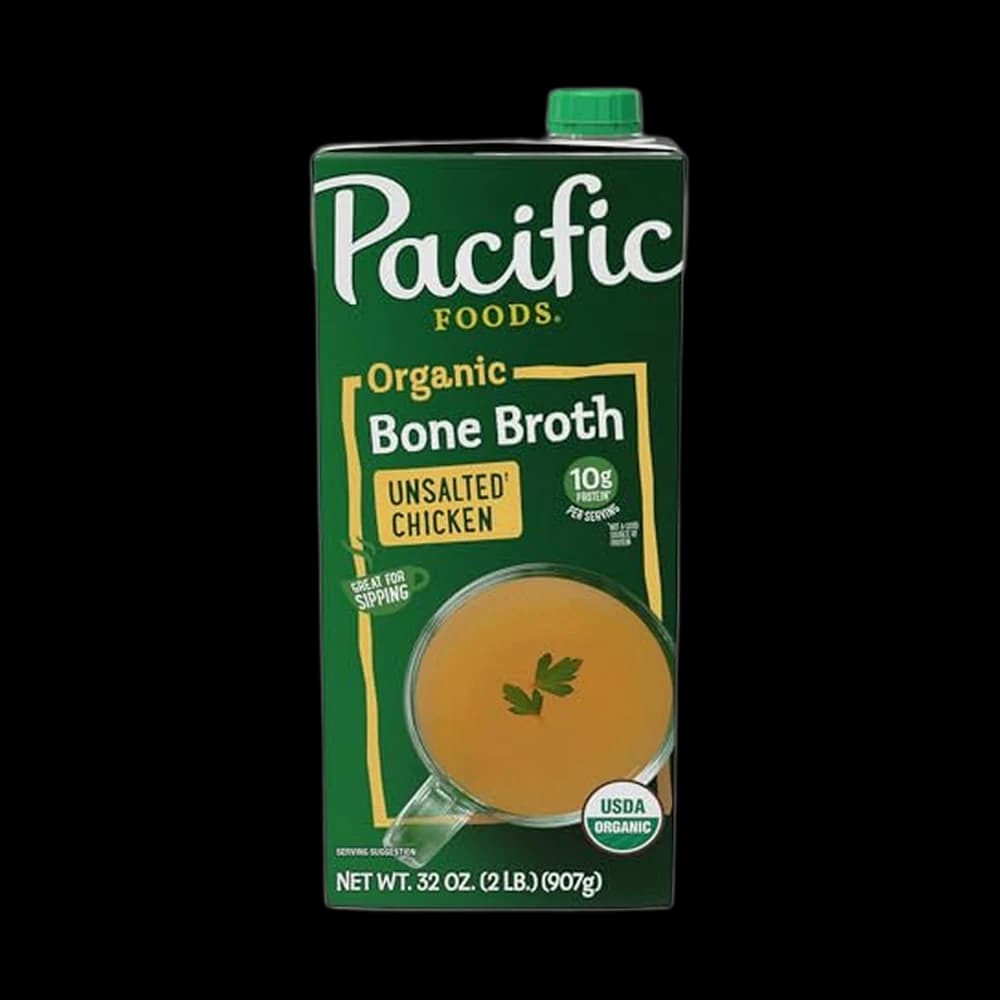
| Pacific Organic Unsalted Chicken Bone Broth | 1 cup / 240 mL | 10 g | Manufacturer label |
| Cooked, roasted chicken breast, meat only | 100 g, weighed after cooking | 31.02 g | USDA food record 171477 |
| Cooked lentils, boiled without salt | 100 g, cooked weight | 9.02 g | USDA food record 172421 |
The chicken and lentil values are reference-food estimates, not a laboratory analysis of your pot. Do not weigh dry lentils or raw chicken and apply the cooked-food numbers. For packaged cooked foods, use their own labels instead.
Half a cup means half the label's protein: ½ cup of the listed Swanson bone broth supplies 4 g; ½ cup of the Pacific supplies 5 g. A smaller container changes the amount served, not the food's concentration.
Two small-bowl starting points
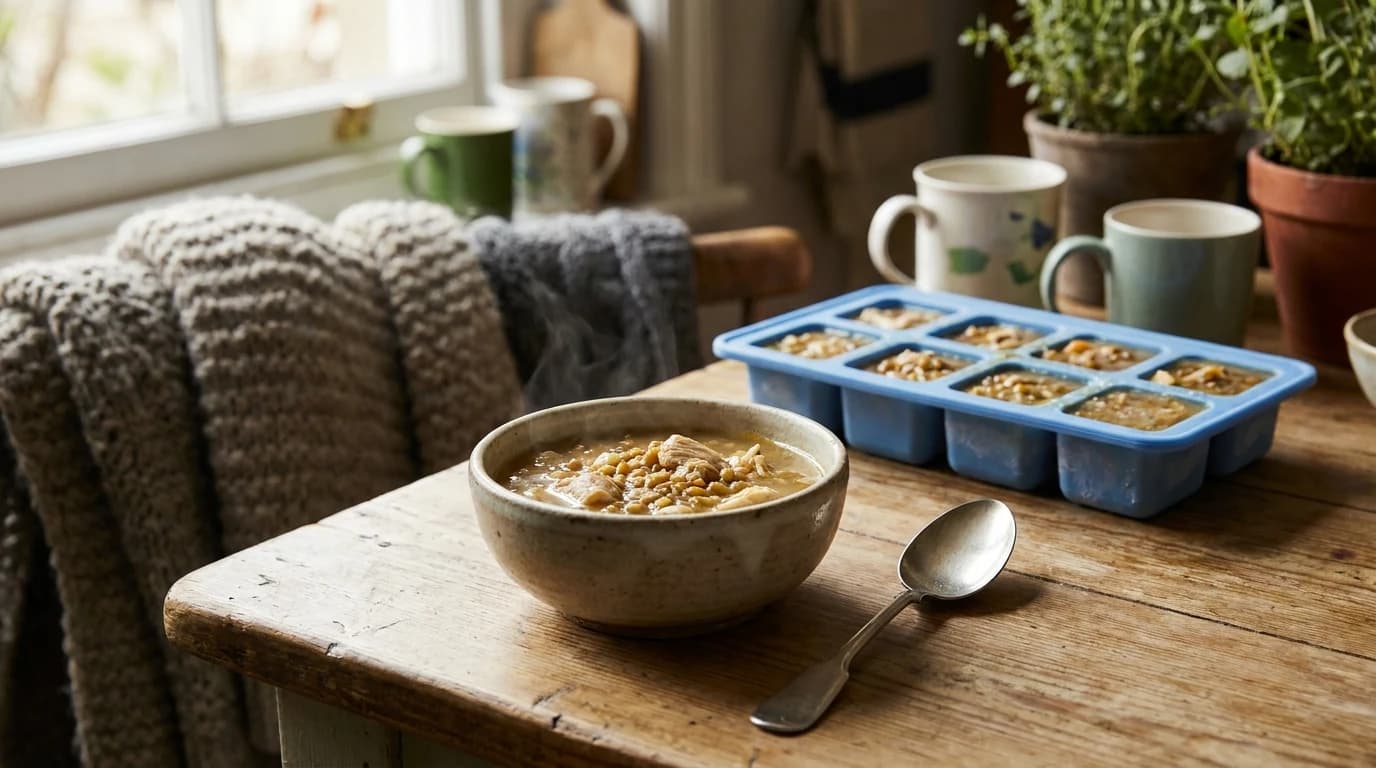
These combinations use already-cooked chicken and lentils. Weigh the solids, measure the broth, then combine and heat thoroughly. Shred chicken finely if that texture suits you; mash the lentils into the broth for a thicker version. Season to taste rather than assuming every broth needs salt.
| Combination | Ingredient protein calculation | Approximate total for the whole portion |
|---|---|---|
| Chicken broth bowl | ½ cup Swanson bone broth: 4 g; 70 g cooked chicken breast: 21.7 g | 25.7 g |
| Chicken-lentil bowl | ½ cup Pacific bone broth: 5 g; 50 g cooked chicken breast: 15.5 g; 50 g cooked lentils: 4.5 g | 25.0 g |
Neither row promises a one-cup finished serving. Chicken and lentils occupy space; blending or reducing the soup changes its volume further. Added vegetables, milk or other ingredients also change the calculation. These are recipe starting points with estimated totals, not prescribed meal sizes or protein goals.
If the whole portion is more than you want, divide it after stirring. Eating half of a well-mixed portion supplies roughly half its protein. You can save the remainder rather than turning a small meal into a finish-the-bowl challenge.
Choose your own portion: the 25 g examples demonstrate arithmetic. They are not a minimum you must eat at once. If your clinician has set protein, sodium or fluid limits, build the recipe around that plan.
Calculate protein per finished cup
For a batch, first add the protein from every ingredient. Then measure the finished yield with a measuring jug, including the solids. Do this after the final cooking and any added water. Stir well before measuring or dividing it so one portion does not receive all the chicken.
- Add the ingredient totals. One cup of the listed Pacific broth, 100 g cooked chicken and 100 g cooked lentils supply approximately 50 g altogether: 10 + 31.02 + 9.02.
- Measure the actual finished volume. Do not call that mixture “one cup” because it began with one cup of broth.
- Divide total protein by measured cups. Write both the yield and the calculation on your batch label.
Here is what that same approximately 50 g batch would supply at different finished yields. These are conditional examples; we have not measured a cooked batch for this guide.
| If your measured finished batch is… | Estimated protein per finished cup | Per ½ cup |
|---|---|---|
| 2 cups | 25 g | 12.5 g |
| 2½ cups | 20 g | 10 g |
| 3 cups | 16.7 g | 8.3 g |
For chunky soup, estimates depend on reasonably even portions of solids and liquid. When accuracy matters to your care plan, discuss a workable tracking method with your dietitian rather than treating a ladleful as an exact nutrient measurement.
Four useful buys, each with a job
You can make these bowls with a carton, a scale and containers you already own. Our product comparison combines two bases with two portioning tools; the tools add no protein and neither requires a special soup recipe.
- Swanson Chicken Bone Broth: the 8 g-per-cup base used in the chicken example. Its manufacturer label lists 350 mg sodium per cup.
- Pacific Organic Unsalted Chicken Bone Broth: the 10 g-per-cup base used in the lentil example. “Unsalted” does not mean sodium-free: its label lists 210 mg per cup.
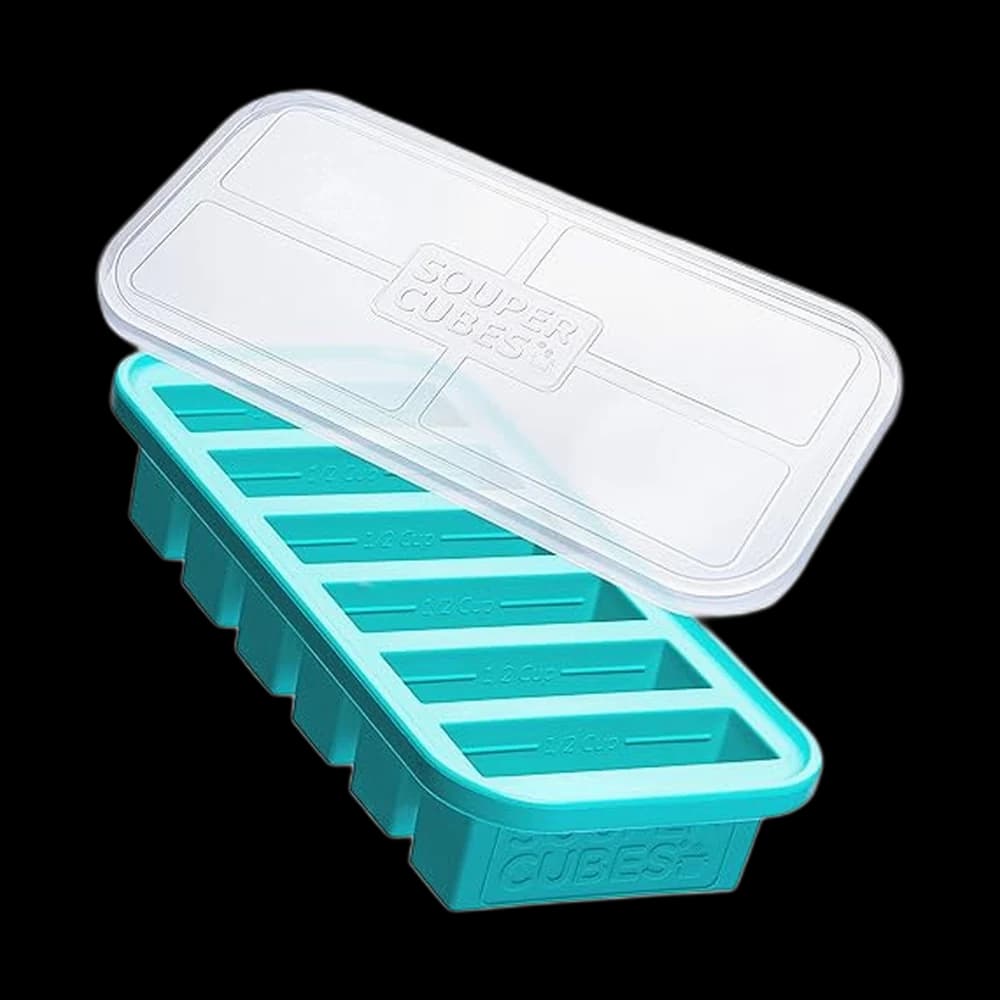
- Souper Cubes ½-cup tray: six small wells for freezing separate portions. Measure the soup's finished yield first; a tray cannot establish the recipe's protein density.
- Pyrex 1-cup glass storage: useful for holding a modest portion with room below the rim. The included press-on lids are not a leakproof travel system; carry soup upright in a secondary bag.
The sodium values above come from the same linked broth labels in the first table. Compare the complete recipe, not just the carton. Vanilla or fruit-flavored protein powders are not necessary purchases for a savory soup; ordinary cooked ingredients make the arithmetic easier to follow.
Cool promptly, then save a small portion
Follow FoodSafety.gov's handling guidance: refrigerate perishable leftovers within two hours, or one hour above 90°F / 32°C. Divide soup into shallow containers and refrigerate promptly; do not leave the whole pot on the counter until it feels cold. Keep the refrigerator at 40°F / 4°C or below.
- Label the batch: preparation date, estimated total protein and measured finished yield.
- Choose a short storage window: the government storage chart lists soup with vegetables or meat for 3–4 days refrigerated and 2–3 months frozen for quality.
- Reheat thoroughly: stir during microwave heating and reach 165°F / 74°C or above, using a food thermometer, as the handling guidance specifies.
For the next meal, use our protein-first eating guide to place soup among other foods, or the seven-day small-appetite meal plan for more options. Keep the batch calculation with your recipe so the next bowl starts with a known portion rather than a marketing claim.
Your next step
Where most people go from here
Frequently asked
The questions that keep coming up
Does every bone broth have the same protein per cup?
No. The specific Swanson and Pacific labels used here list 8 g and 10 g per cup respectively. Check the label and serving size of the package you buy.
Can I call these bowls 25 g of protein per cup?
No. Their approximate ingredient totals apply to the whole prepared portion. Solids change finished volume. Measure the final yield to calculate protein per cup.
Do I need a protein powder for this soup?
No. These examples use cooked chicken and lentils. Use foods and portions that fit your preferences and any clinician-directed nutrition plan.
Sources & further reading
We research from primary and authoritative sources. Where our guidance rests on a fact, here's where it comes from.
- Swanson — Chicken Broth Nutrition Facts
- Swanson — Chicken Bone Broth Nutrition Facts
- Pacific Foods — Organic Unsalted Chicken Bone Broth Nutrition Facts
- USDA FoodData Central — cooked roasted chicken breast, record 171477 (public data) — Opened USDA public API record: protein 31.02 g per 100 g. Cooked weight, meat only.
- USDA FoodData Central — cooked unsalted lentils, record 172421 (public data) — Opened USDA public API record: protein 9.02 g per 100 g. Cooked weight.
- FoodSafety.gov — 4 Steps to Food Safety
- FoodSafety.gov — Cold Food Storage Chart
LeanFed is not medical advice and is not a substitute for your prescriber, pharmacist or dietitian. We do not test products hands-on — we compare labels, specifications and owner reviews. Prices and LeanScores reflect our most recent research and refresh on a cycle; confirm the current price and read the product's own label before buying. We may earn a commission from affiliate retailers — it never changes our recommendations. See how we score.