Owner rating4.7 · $25.99 · LeanScore 88
- Max capacity
- 22 lb / 10 kg
- Graduation
- 1 g / 0.1 oz
- Units
- g, kg, lb:oz, fl oz, mL
- Tare
- Yes
- Display
- Large LCD
- Power
- Battery
Small-Meal Kitchen · Stages 2-4
6 researched · scored on one published method · Updated October 2026
Digital food scales compared on capacity, increment, tare behaviour and how readable the display is with a bowl on top.
LeanFed may earn a commission from links on this page; it never changes a ranking. Full disclosure.
The type that wins here is an inexpensive flat digital scale with 1 g graduations, a capacity of about 11 pounds, a clearly visible display that a bowl does not cover, and an auto-off you can live with or disable. This is a category where spending more buys convenience features rather than better numbers — the cheap ones weigh food perfectly well.
All 6 picks shown
Narrows “Every pick, reviewed” further down this page. The podium and the comparison table always show the full ranking.
Before the picks
You are trying to hit a protein target out of much less food than you used to eat, which makes estimating far less forgiving than it was. A scale turns 'a piece of chicken' into a number, and it is the cheapest piece of equipment in this entire catalog that changes what you know.
Skip a scale if weighing food would push you toward a relationship with eating you do not want. That is a real trade-off and it is not a minor one — plenty of people do better eating intuitively and simply prioritising protein first. Skip it too if you already read packaged nutrition panels and rarely cook from raw ingredients.
Food first, always. Nothing on this page treats, prevents or cures a side effect, and anything that touches your medication — dose, timing, whether to take something alongside it — is your prescriber's call. The Path is free and has no products in it.
Filter the full shelf by price, dietary statements and what the label actually says, before you read a single pick.
The podium
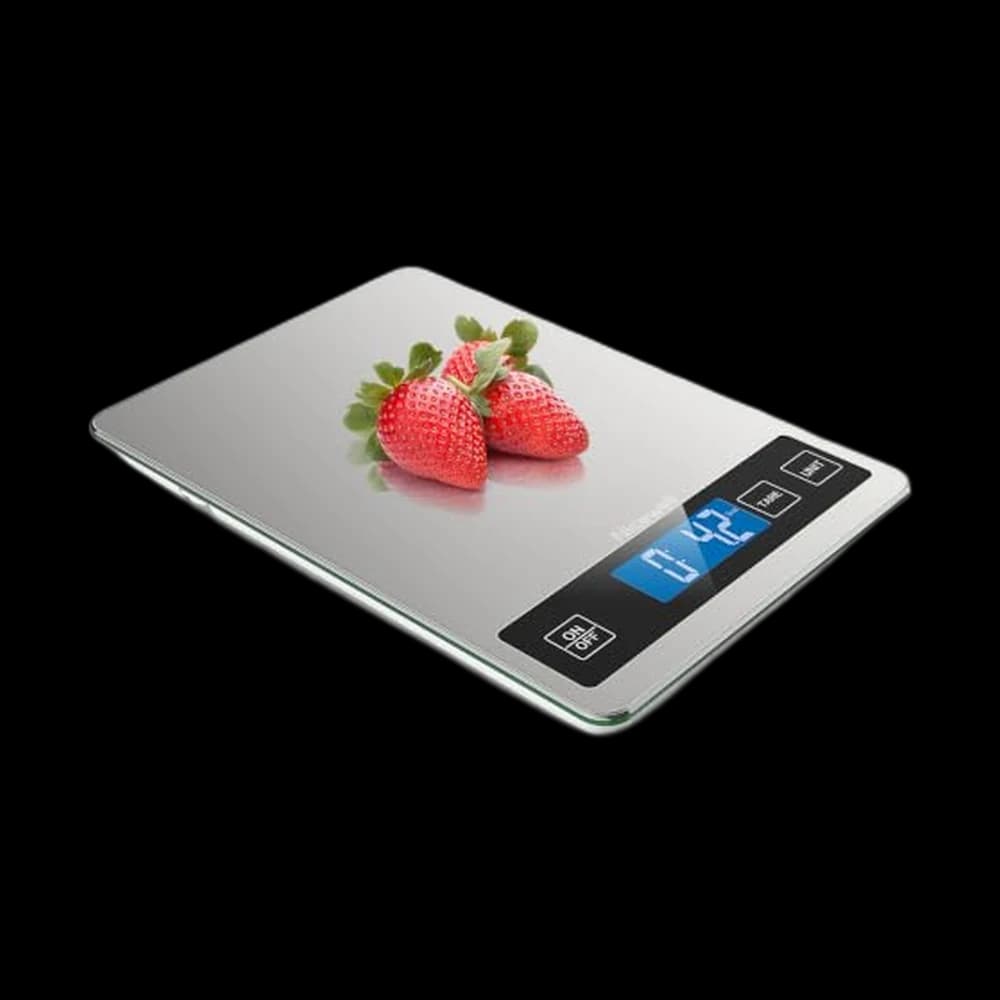 Nicewell Digital Food Scale, 22 lb
The pick: Editorial rank #1 — LeanScore order unless a note below says otherwise
Glass top, big platform, easy to wipe down.
Owner rating4.7 (53,890) · $25.99 · LeanScore 88
Why this one leads: It carries the highest LeanScore on this shelf (88 against 86 for the next-highest-scoring pick here), and it sits in the lower half of the prices here. Prices move — check the listing before you decide.
When someone reports that progress has stalled, weighing food and logging it for a while is one of the most frequent suggestions — as information, not as a permanent habit.
Paraphrased from r/Zepboundsource
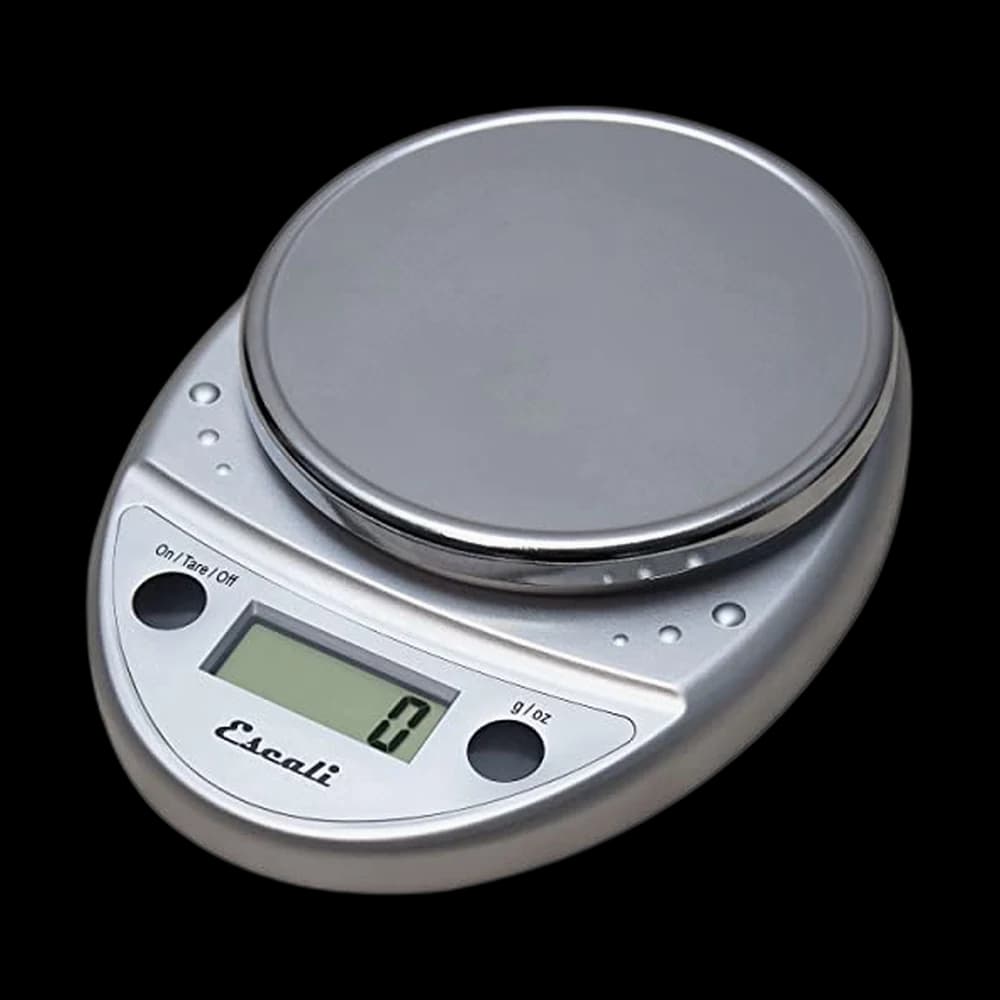 Escali Primo Digital Food Scale
Runner-up: Second in the editorial ranking
A kitchen-standard scale with a long warranty.
Owner rating4.7 (7,342) · $25.00 · LeanScore 86
Several people describe logging only to check whether they are near a protein figure, and ignoring the calorie total entirely.
Paraphrased from r/Zepboundsource
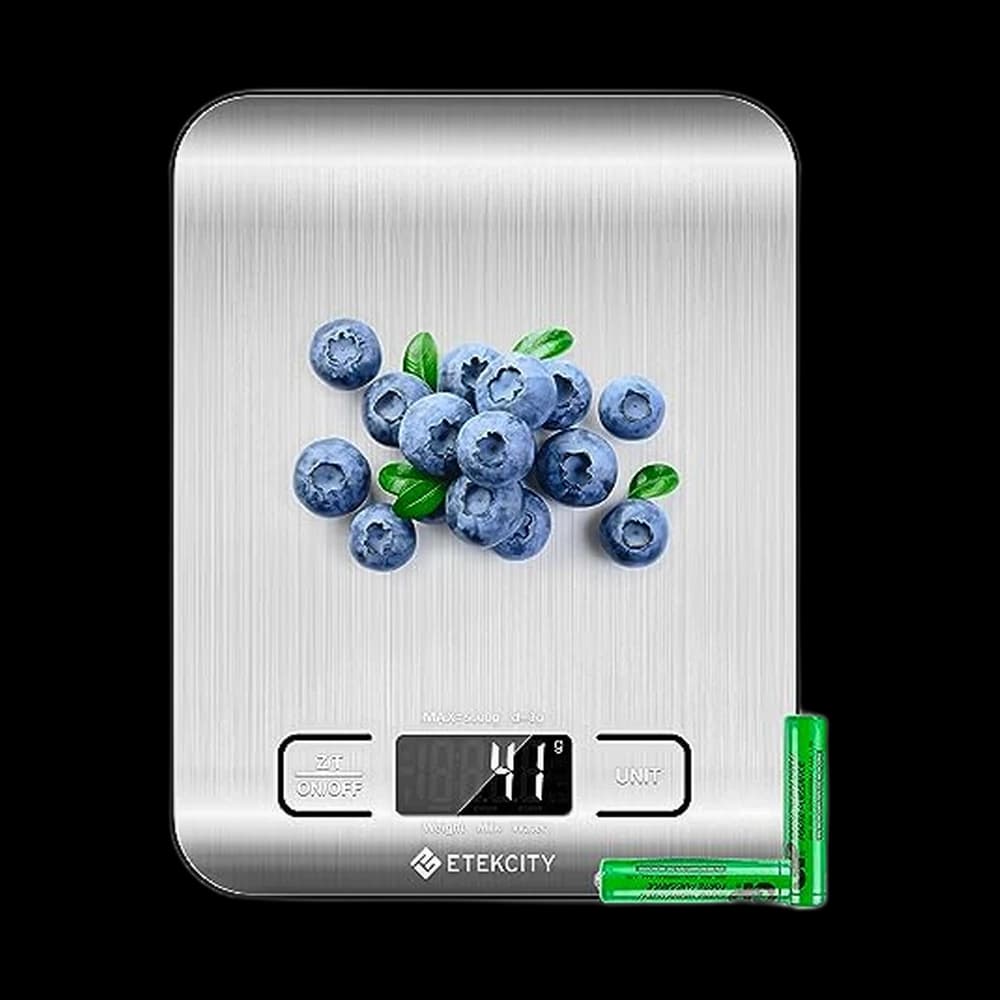 Etekcity Digital Food Scale, 11 lb
Budget: Lowest listed pack price of these three
The cheap one that is accurate enough for portions.
Owner rating4.7 (176,606) · $13.99 · LeanScore 85
A visible group has stopped counting altogether and simply eats protein first, and says so in these threads without much pushback.
Paraphrased from r/Zepboundsource
At a glance
Prices & ratings checked Oct 10, 2026
Owner rating4.7 · $25.99 · LeanScore 88
Owner rating4.7 · $25.00 · LeanScore 86
Owner rating4.7 · $13.99 · LeanScore 85
Owner rating4.6 · $34.99 · LeanScore 81
Owner rating4.5 · $33.93 · LeanScore 81
Owner rating4.7 · $60.00 · LeanScore 80
LeanScore is 72% owner satisfaction and 28% value, computed the same way in every category and published in full on our methodology page. It is not a lab result and not a nutrition rating. Rows are in editorial rank order, which is LeanScore order unless a note under the top row explains why we ranked it differently — the two are separate things and we never silently reorder one to match the other. The italic lines under a pick are paraphrased consensus from public forum threads — never quotes, never usernames — and each one links the thread it came from. LeanFed may earn a commission from links in this table; it never changes a ranking.
The full shelf
Filter by what the listings actually state. A pick that says nothing about a dietary point is hidden while that filter is on — that is a gap in the label, not a verdict on the product.
Nicewell
Glass top, big platform, easy to wipe down.
Escali
A kitchen-standard scale with a long warranty.
Etekcity
The cheap one that is accurate enough for portions.
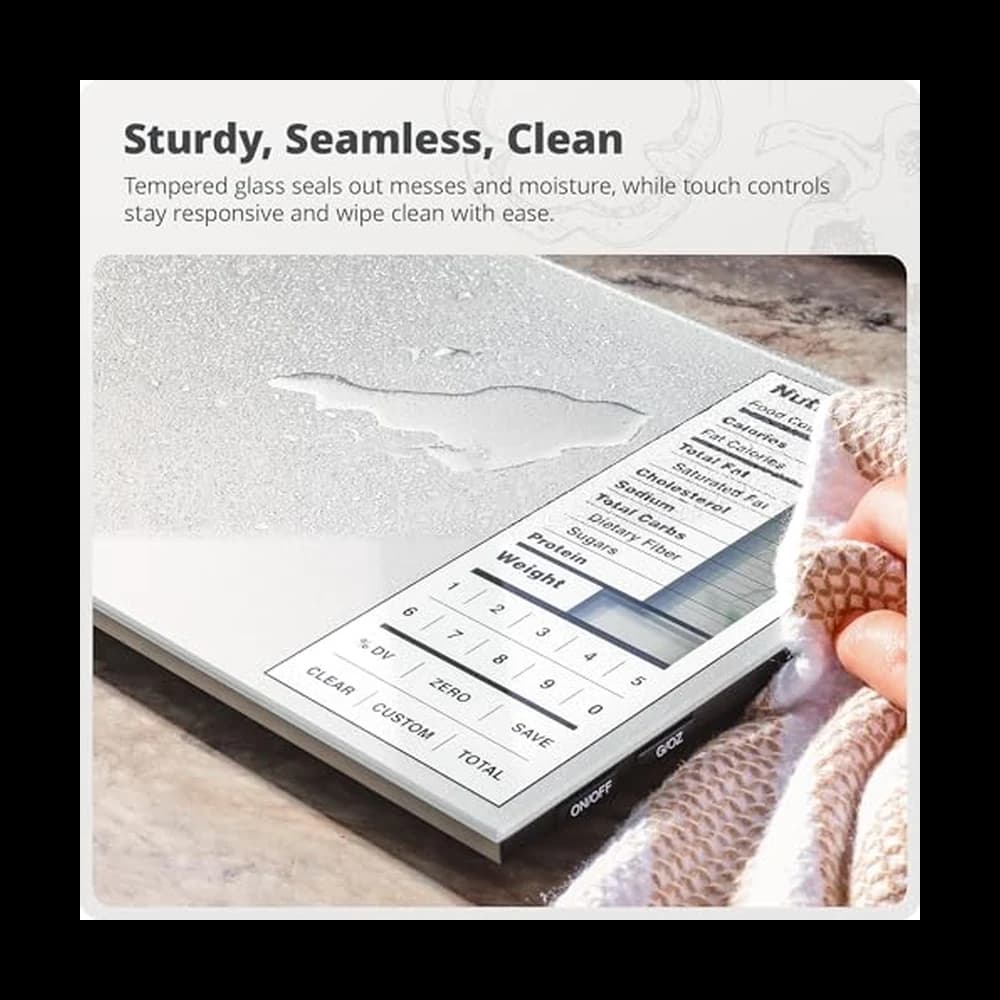
Greater Goods
Reads out macros per food code, not just weight.
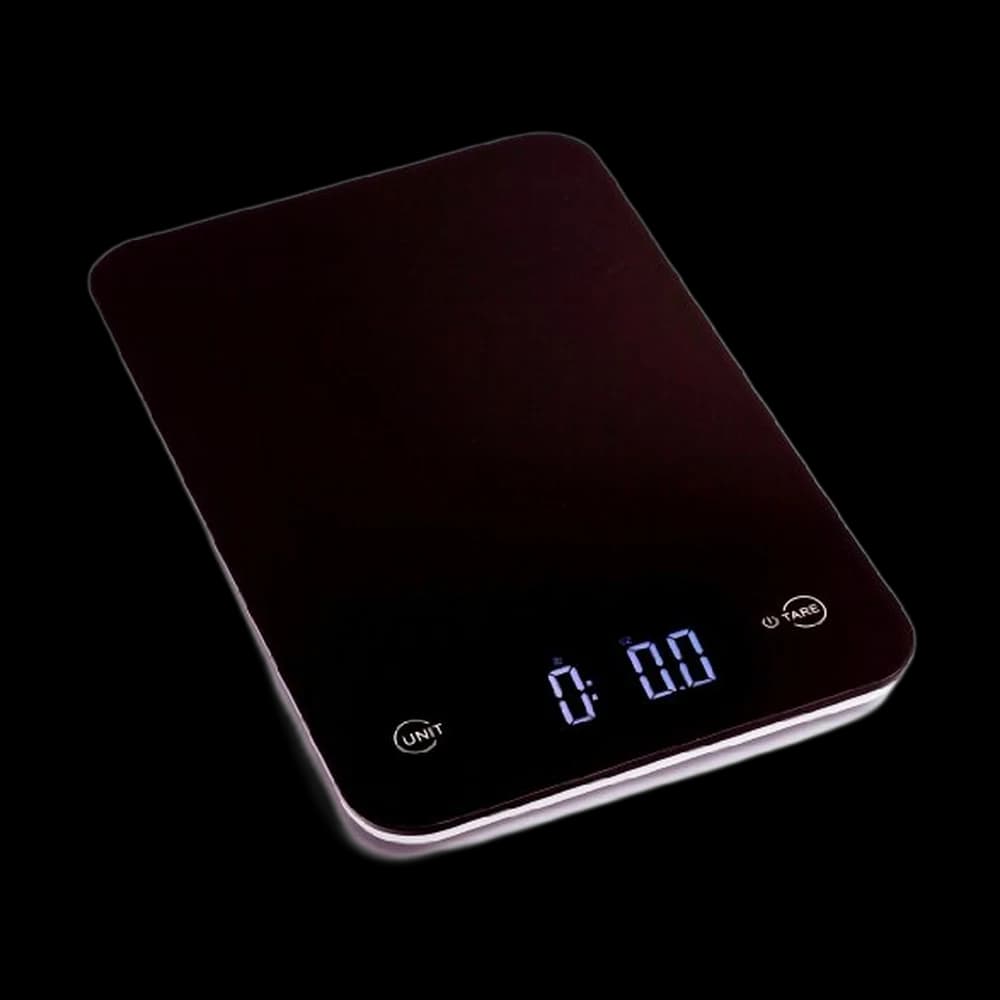
Ozeri
Flat tempered glass that wipes clean and lives in a drawer.
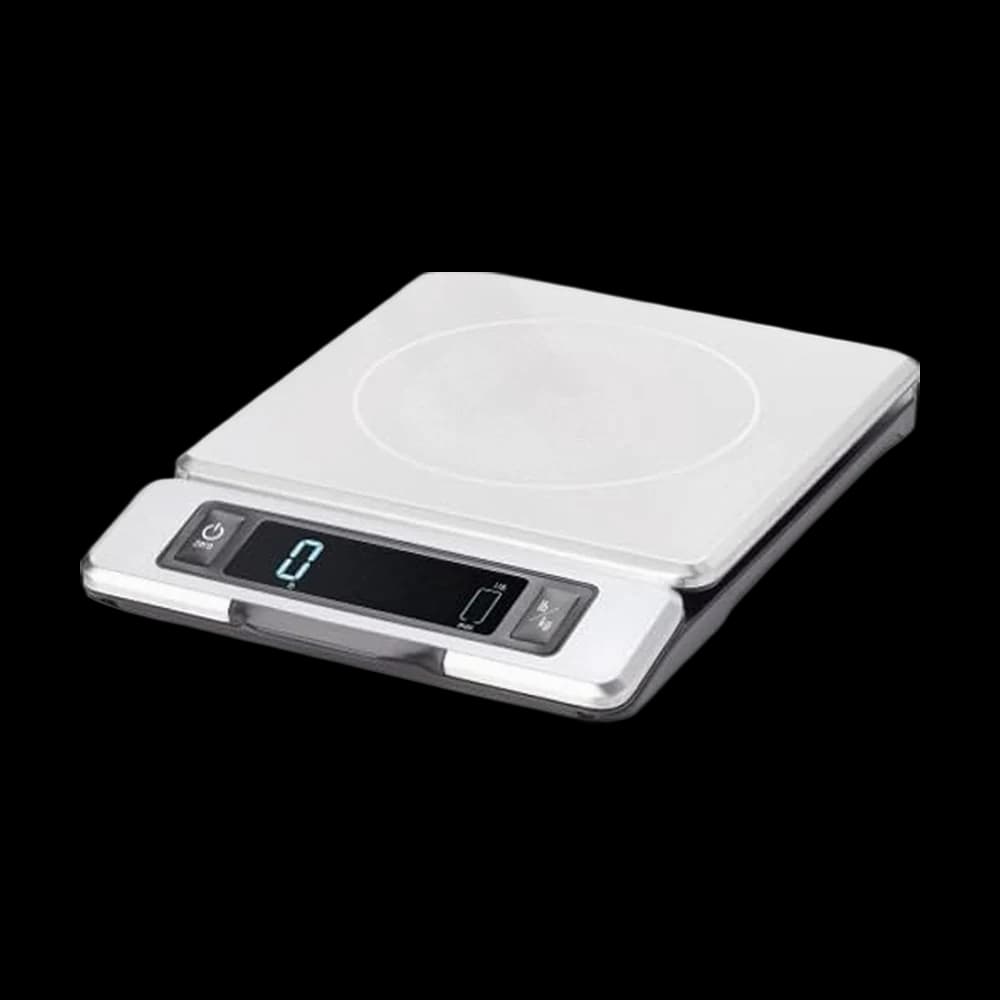
OXO
The pull-out display solves the big-bowl problem.
Price we last checked ÷ servings stated on the label. A dash means the listing doesn't state it.
Applies toUnited States listings. Every price, rating and link on this page comes from the US store of the affiliate retailer we use, and nutrition labelling rules differ between countries.
When you were eating three full meals, an estimate that was twenty percent off did not matter much. When the whole day's food fits in a couple of small containers, the same twenty percent is the difference between hitting a protein target and missing it badly. A scale is a $10-to-$25 information upgrade, and it is the only device in this catalog that measures a thing you can act on directly.
It is also the input for working out protein per 100 calories and cost per 20 g of protein — the two comparisons that drive most of the buying decisions on this site.
Then check the auto-off. Thirty seconds is short if you are assembling a bowl slowly, which — on a day when everything is slow — you will be.
Weigh raw and use raw data, or weigh cooked and use cooked data. Cooking drives off water, so 150 g of raw chicken is not 150 g of cooked chicken, and mixing the two conventions is the most common source of numbers that do not add up. Neither approach is more correct; consistency is what makes the number mean something.
Rule of thumb: the serving size on a label is a description of how much people typically eat, not a recommendation of how much you should. Your target comes from your clinician; the scale just tells you where you are.
For some people, weighing food is clarifying and takes the anxiety out of eating. For others it is the beginning of a preoccupation they would rather not have. Both reactions are legitimate. If you notice the second one, a scale is not required equipment — protein first, on a small plate, gets most of the benefit with none of the arithmetic.
communityAugust 2026Paraphrased from public threads, read on that date. Not measured data — these forums give us no vote counts.
A food scale plus a tracking app is the standard advice for people who feel stuck
In r/Zepbound and r/Mounjaro, when someone reports that progress has stalled, buying a scale and logging intake for a while is one of the most frequent suggestions. It is framed as gathering information rather than as a permanent regime.
Protein maths is a recurring source of confusion
Threads asking how to calculate a daily protein figure appear constantly, with people quoting different formulas based on body weight, goal weight or lean mass and disagreeing with each other. The most consistent response is to ask a clinician or dietitian for a number rather than to trust a thread.
A visible group deliberately does not track at all
Posts in r/Zepbound and r/Ozempic from people who have stopped counting and simply eat protein first are common and well received. The reasoning given is that the medication has already removed the need to police intake.
Tracking gets used to check protein rather than calories
Several people describe logging specifically to see whether they are close to a protein figure, and ignoring the calorie total entirely. That is a different use of the same tool.
Paraphrased consensus from 62 threads · r/Zepbound · August 2026. We summarise what comes up repeatedly and link the threads — we never quote or identify anyone, and these forums don't give us vote counts, so treat this as the shape of the conversation rather than a measured majority.
How we chose: We compared manufacturer specifications for graduation, capacity, units, auto-off timing and display design, and treated tare reliability and readability as separate considerations because they drive daily usability. Owner reviews were read for recurring themes about drift, auto-off frustration and battery life. We do not calibrate or bench-test scales, and accuracy figures quoted are the manufacturer's.
Questions we keep getting
Because estimating got much less forgiving. When the whole day's food fits in a couple of small containers, an estimate twenty percent out is the difference between hitting a protein target and missing it badly. A scale is the cheapest device on this site that changes what you actually know.
One gram graduations with a capacity around 11 pounds, because you are weighing the container as well as the food. The 0.1 gram jewellery-style scales are built for powders and usually have too little capacity for a bowl of anything. Everything above that buys convenience rather than better numbers.
Pick one convention and stay with it. Cooking drives off water, so 150 grams of raw chicken is not 150 grams of cooked chicken, and mixing the two is the commonest source of numbers that do not add up. Neither approach is more correct than the other.
Because a serving size is a description, not an instruction. FDA explains that serving sizes are based on the amount of food people customarily consume rather than the amount recommended to eat. Your target comes from your clinician; the scale only tells you where you are against it.
Yes, and it is a real trade-off. For some people weighing food is clarifying and takes the anxiety out of eating; for others it is the start of a preoccupation they would rather not have. If that is you, eating intuitively and putting protein first is a legitimate approach and this purchase is not required.
The tag says what kind of source a link is; the year is the revision or publication year the page itself states, and is left off where the page states none. Every URL here was opened and read — a source list proves a page loads, not that it says what we claim, so we check the second part by hand.
Read alongside
We do not test products — we compare labels, specifications and owner reviews. Prices and ratings shown are the most recent values we pulled from affiliate retailers and refresh on a recurring cycle; confirm the current price and read the product's own label before buying. See how we score.