Owner rating4.7 · $22.99 · LeanScore 88
- Capacity
- 32 oz
- Material
- 18/8 stainless steel
- Insulated
- Yes, cold 24 h / hot 12 h
- Drink style
- Three lids: straw, flip, steel
- Time markers
- No
- Dishwasher safe
- Hand wash
Small-Meal Kitchen · Stages 0-4
5 researched · scored on one published method · Updated October 2026
Straw lids, time markers and insulated bodies, judged on one-handed sipping and whether they fit a cup holder.
LeanFed may earn a commission from links on this page; it never changes a ranking. Full disclosure.
The type that wins here is an insulated, straw-lid bottle in the 20 to 32 ounce range with a base that fits a car cup holder, a fully removable straw and gasket, and volume markings up the side. Buy the size you will refill rather than the size that looks impressive, and keep a second, smaller bottle for the bag.
All 5 picks shown
Narrows “Every pick, reviewed” further down this page. The podium and the comparison table always show the full ranking.
Before the picks
Thirst often fades along with appetite, and a lot of the fluid you used to get arrived inside food you are no longer eating. A bottle that is always within reach, opens with one hand and delivers a small sip without effort is the practical answer to a hydration problem that is really an attention problem.
Skip a new bottle if you already drink enough from the one you have — this is a habit product, not a health product. Skip the very large tumblers if you find a big bottle discouraging rather than motivating, and skip straw lids if carbonated drinks are your main fluid, since straws and carbonation do not get along.
Food first, always. Nothing on this page treats, prevents or cures a side effect, and anything that touches your medication — dose, timing, whether to take something alongside it — is your prescriber's call. The Path is free and has no products in it.
Filter the full shelf by price, dietary statements and what the label actually says, before you read a single pick.
The podium
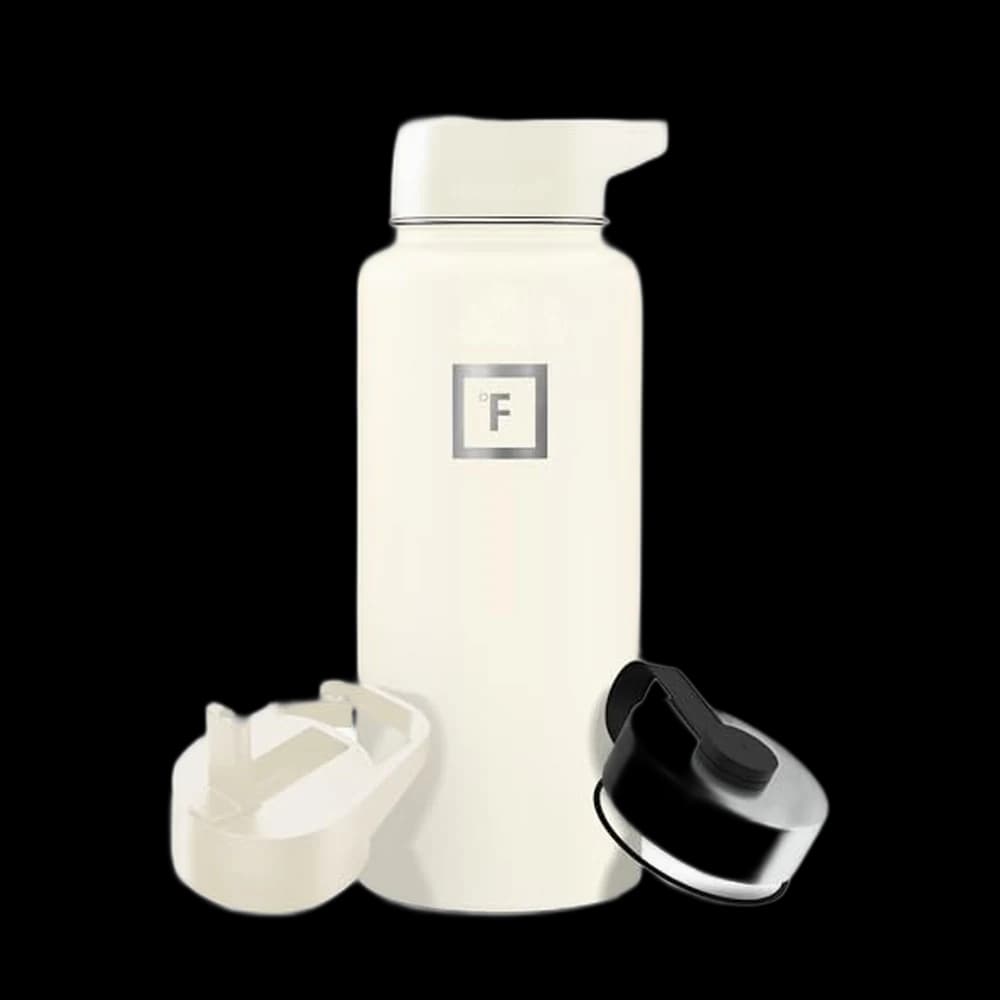 Iron Flask Wide Mouth Bottle, 32 oz
The pick: Editorial rank #1 — LeanScore order unless a note below says otherwise
Three lids means you can test what you actually use.
Owner rating4.7 (27,493) · $22.99 · LeanScore 88
Why this one leads: It carries the highest LeanScore on this shelf (88 against 84 for the next-highest-scoring pick here), and it is the least expensive of the picks here. Prices move — check the listing before you decide.
A straw is described as the single biggest change people make, which puts the lid ahead of the bottle in most of these threads.
Paraphrased from r/Zepboundsource
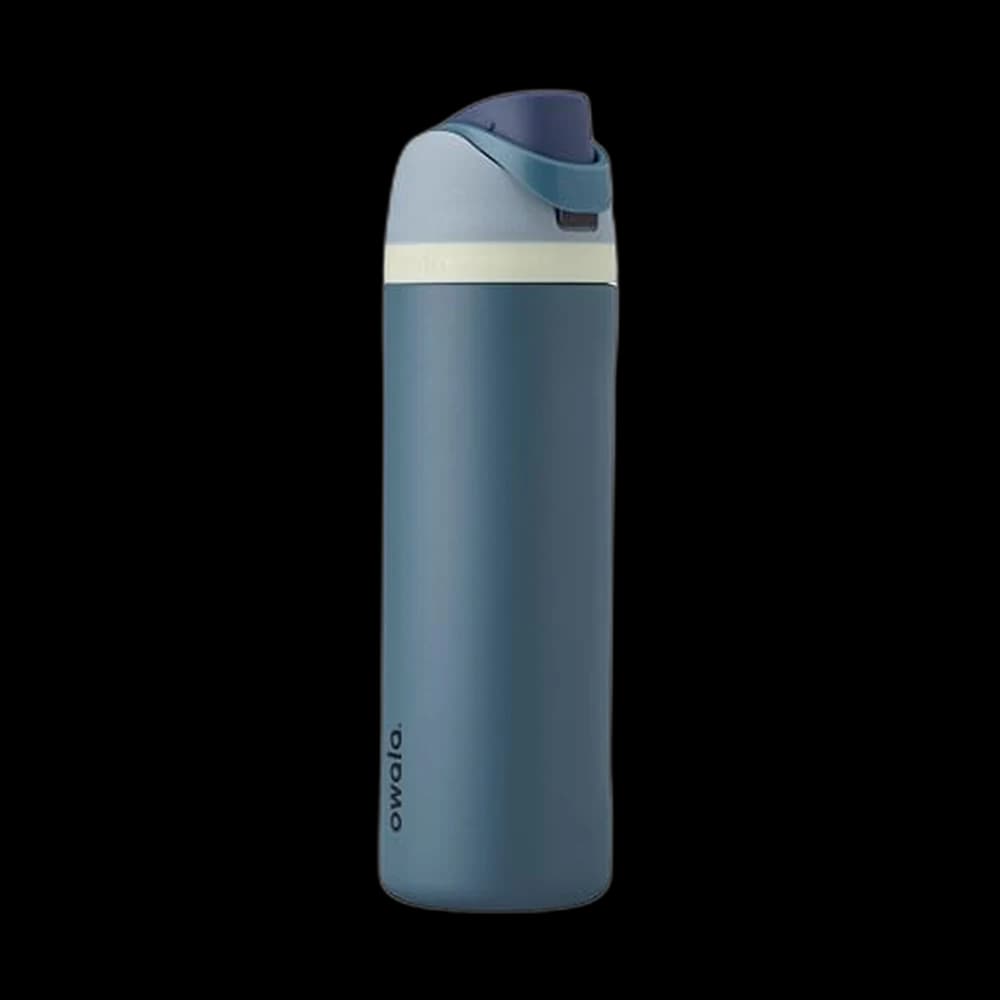 Owala FreeSip Water Bottle, 24 oz
Runner-up: Second in the editorial ranking
Sip through the straw or swig from the spout, one button.
Owner rating4.7 (135,146) · $29.99 · LeanScore 84
Keeping one bottle physically with you all day and sipping continuously is the advice that recurs, ahead of any volume target.
Paraphrased from r/Zepboundsource
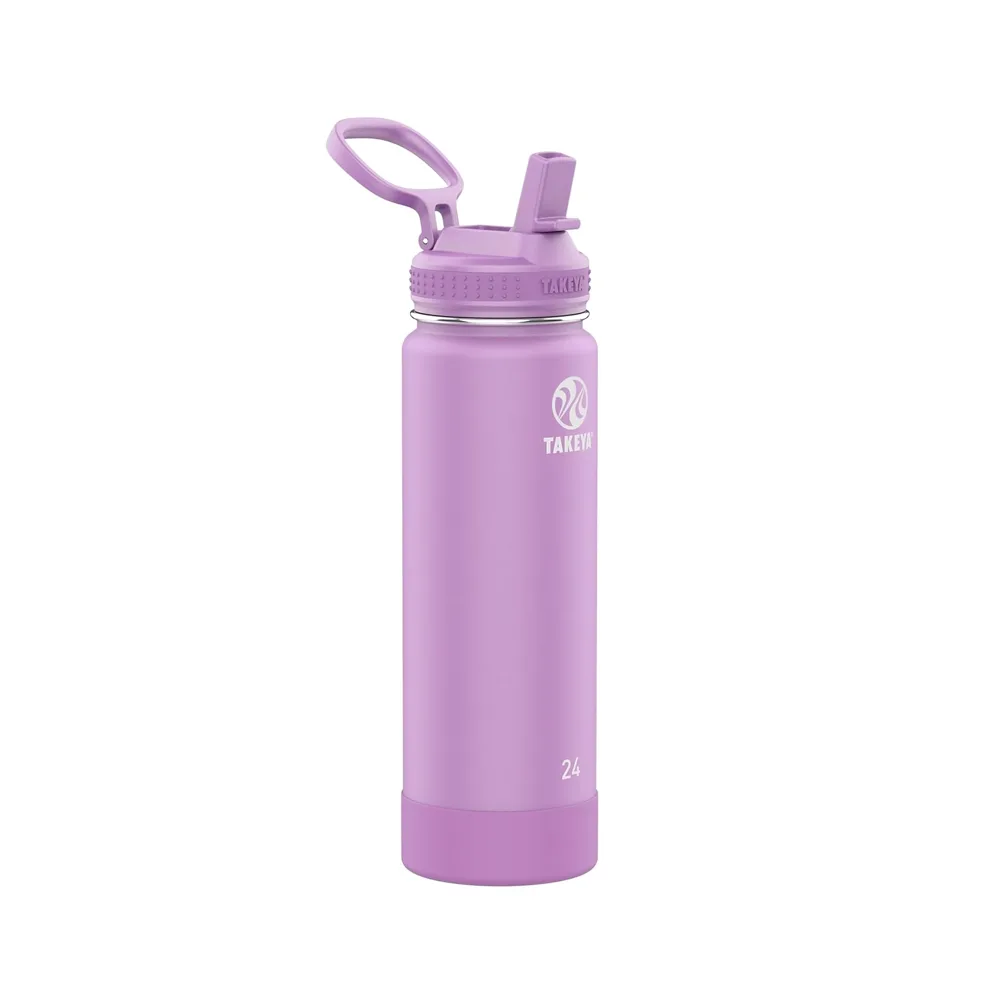 Takeya Actives Straw Bottle, 24 oz
Also worth it: Third in the editorial ranking — not the cheapest here
Narrow enough for a bag pocket, insulated enough to matter.
Owner rating4.8 (8,607) · $26.47 · LeanScore 80
At a glance
Prices & ratings checked Oct 10, 2026
Owner rating4.7 · $22.99 · LeanScore 88
Owner rating4.7 · $29.99 · LeanScore 84
Owner rating4.8 · $26.47 · LeanScore 80
Owner rating4.7 · $29.95 · LeanScore 80
Owner rating4.6 · $42.99 · LeanScore 75
LeanScore is 72% owner satisfaction and 28% value, computed the same way in every category and published in full on our methodology page. It is not a lab result and not a nutrition rating. Rows are in editorial rank order, which is LeanScore order unless a note under the top row explains why we ranked it differently — the two are separate things and we never silently reorder one to match the other. The italic lines under a pick are paraphrased consensus from public forum threads — never quotes, never usernames — and each one links the thread it came from. LeanFed may earn a commission from links in this table; it never changes a ranking.
The full shelf
Filter by what the listings actually state. A pick that says nothing about a dietary point is hidden while that filter is on — that is a gap in the label, not a verdict on the product.
IRON °FLASK
Three lids means you can test what you actually use.
Owala
Sip through the straw or swig from the spout, one button.
Takeya
Narrow enough for a bag pocket, insulated enough to matter.
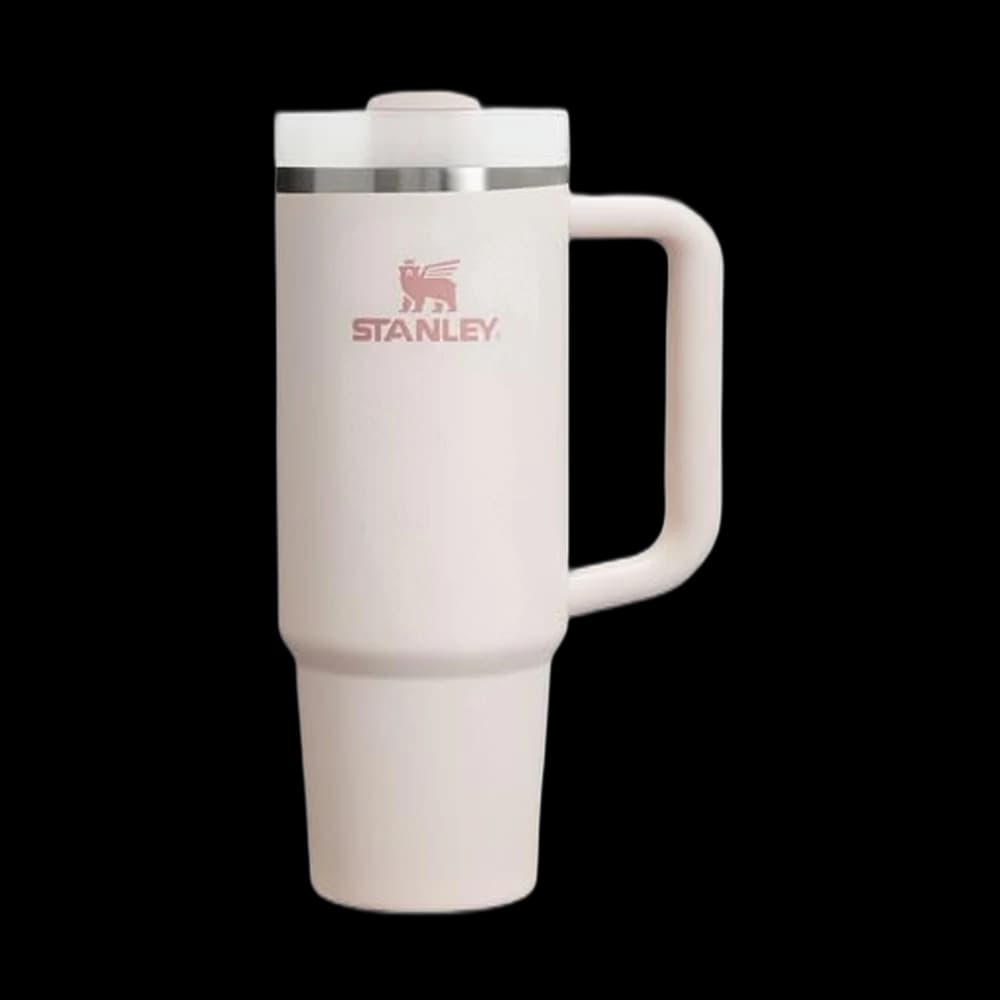
STANLEY
Cup-holder shaped, handled, and hard to knock over.
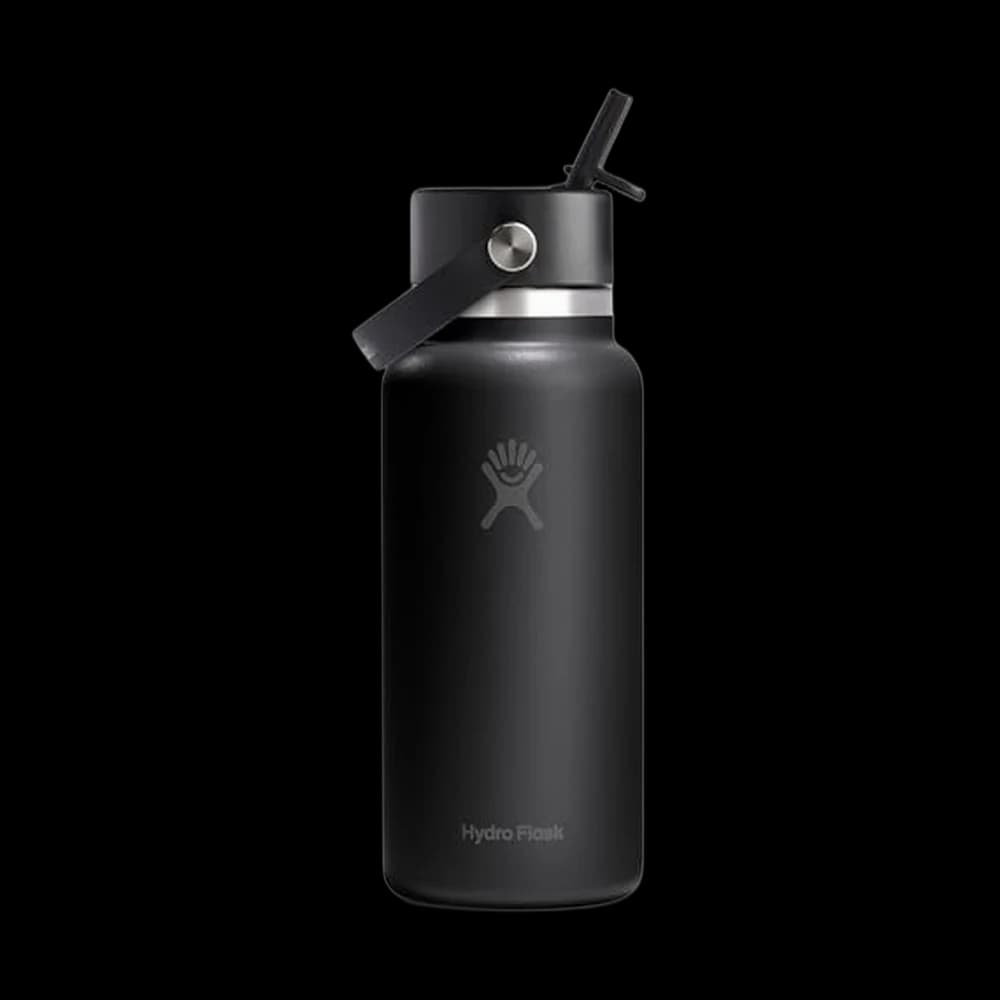
Hydro Flask
Cold all day, wide mouth, and the lid options are endless.
Price we last checked ÷ servings stated on the label. A dash means the listing doesn't state it.
Applies toUnited States listings. Every price, rating and link on this page comes from the US store of the affiliate retailer we use, and nutrition labelling rules differ between countries.
A bottle can make an agreed drinking routine more convenient. Compare lid effort, cleaning access, leak resistance and the bottle you will actually carry. The bottle cannot set your fluid goal; that comes from your care team.
That points at three features:
Two opposite strategies both work and both show up constantly in the communities. Some people do better with one large bottle they must empty twice — the goal is unambiguous and visible. Others do better with a small bottle refilled often, because a huge unfinished bottle reads as failure. Neither is correct in general. Pick the one that matches how you respond to a visible target, and note that a bottle you carry everywhere beats a bigger one you leave in the kitchen.
Time markings help the first group a lot and the second group not at all.
Rule of thumb: sip, do not chug. Large volumes at once sit badly when the stomach empties slowly, and most people find frequent small sips far more comfortable. If a specific daily fluid goal matters for you, get the number from your clinician — this is not a page that sets one.
Straws and gaskets are where film builds. Buy a bottle where the straw pulls out, the gasket lifts off, and the mouth is wide enough for a brush. Check whether the manufacturer rates the lid as dishwasher safe, not just the body — plenty of vacuum-insulated bottles are hand-wash only.
If plain water is genuinely unappealing, flavour is a legitimate tool — flavour drops, a squeeze of citrus, or a low-sugar electrolyte mix. Fluid you drink beats fluid you optimise. See the electrolytes category for the sodium caveats before making a flavoured mix a daily habit.
communityAugust 2026Paraphrased from public threads, read on that date. Not measured data — these forums give us no vote counts.
A straw is described as the single biggest behavioural lever
Across r/Zepbound and r/Mounjaro, people repeatedly say they drink noticeably more from a bottle with a straw and much less without one. Ice is mentioned in the same breath almost every time.
Carrying the bottle everywhere matters more than its size
The recurring advice is to keep one bottle physically with you all day and sip continuously rather than to set a volume target. Several posters note they assumed they were drinking enough until they started actually counting refills.
Large-capacity tumblers are popular but not universal
Big insulated tumblers come up constantly as the tool people use, while others in the same threads say a giant bottle is discouraging and they do better refilling a smaller one. Both approaches are described as working.
Flavouring water is treated as legitimate rather than as cheating
Flavour drops, citrus, and low-sugar electrolyte packets are widely recommended by people who say they have never liked plain water, with the reasoning that drinking something is better than optimising nothing.
Thirst is reported to change in both directions
Some people describe intense thirst after starting, others describe losing the thirst signal entirely. That split is why the advice in these subs centres on routine and visibility rather than on waiting to feel thirsty.
Paraphrased consensus from 46 threads · r/Mounjaro, r/Zepbound · August 2026. We summarise what comes up repeatedly and link the threads — we never quote or identify anyone, and these forums don't give us vote counts, so treat this as the shape of the conversation rather than a measured majority.
How we chose: We compared manufacturer specifications for capacity, lid design, insulation, base diameter and dishwasher ratings, and treated one-handed operation and cleanability as separate considerations because those decide whether a bottle stays in use. Owner reviews were read for recurring themes about leaking, straw mould and lid durability. We do not drop-test or leak-test bottles.
Questions we keep getting
This page does not set a number. Fluid needs vary by person, climate and activity, and a specific daily goal should come from your clinician rather than from a bottle. What CDC does say is that dehydration can cause unclear thinking, mood change, overheating and constipation, which is why the habit is worth building.
For different people, in opposite directions. One large bottle you must empty twice makes the goal unambiguous; a small bottle refilled often avoids the discouragement of a huge unfinished one. Neither is correct in general, and a bottle you carry everywhere beats a bigger one left in the kitchen.
Because the real problem is prompting rather than capacity. A straw or flip spout lets you drink without lifting, tilting or unscrewing, which is what makes hundreds of tiny sips possible. When thirst fades along with appetite, effort per sip is the specification that matters most.
Measure the cup holder before ordering — this is the most common reason an expensive bottle gets abandoned. The 32 oz wide-mouth bottles here and the 30 oz Stanley Quencher are the likeliest to be a problem; a 24 oz bottle is the one most likely to fit, if the car is where it will live.
Check the lid specifically, because plenty of vacuum-insulated bottles are hand-wash only and manufacturers say so. Iron Flask states hand wash; Takeya states dishwasher safe. The straw and gasket are where film builds, so buy one where both pull out and the mouth is wide enough for a brush.
The tag says what kind of source a link is; the year is the revision or publication year the page itself states, and is left off where the page states none. Every URL here was opened and read — a source list proves a page loads, not that it says what we claim, so we check the second part by hand.
Read alongside
We do not test products — we compare labels, specifications and owner reviews. Prices and ratings shown are the most recent values we pulled from affiliate retailers and refresh on a recurring cycle; confirm the current price and read the product's own label before buying. See how we score.