Owner rating4.7 · $19.94 · LeanScore 88
- Connectivity
- Bluetooth
- Metrics
- Weight, body fat, BMI
- User profiles
- Multi-user
- App
- VeSync
- Power
- Battery
Strength & Movement · Stages 3-4
6 researched · scored on one published method · Updated October 2026
Weight-trend scales with app history. Body-composition readings are estimates from bioimpedance — useful as a trend line, never a measurement of muscle.
LeanFed may earn a commission from links on this page; it never changes a ranking. Full disclosure.
The type that wins here is an inexpensive foot-electrode scale that syncs reliably to a health app you already use and shows a smoothed trend line, chosen for consistency rather than for the length of its metric list. Treat the weight as data and the body-composition figures as a repeatable index to watch over months — never as a measurement of muscle.
All 6 picks shown
Narrows “Every pick, reviewed” further down this page. The podium and the comparison table always show the full ranking.
Before the picks
You want to see a trend rather than a single number, and you would rather have the weight logged automatically than typed into an app. If you also want the body-composition estimates, this category can give you a consistent, repeatable number to watch over months — provided you understand what it is and is not.
Skip the body-composition features entirely if a daily body-fat percentage would become something you fixate on; a plain digital scale plus a trend-smoothing app gives you most of the value. Skip these scales if you have an implanted electronic medical device such as a pacemaker — bioelectrical impedance sends a small current through the body and manufacturers state this contraindication on the box.
Food first, always. Nothing on this page treats, prevents or cures a side effect, and anything that touches your medication — dose, timing, whether to take something alongside it — is your prescriber's call. The Path is free and has no products in it.
Filter the full shelf by price, dietary statements and what the label actually says, before you read a single pick.
The podium
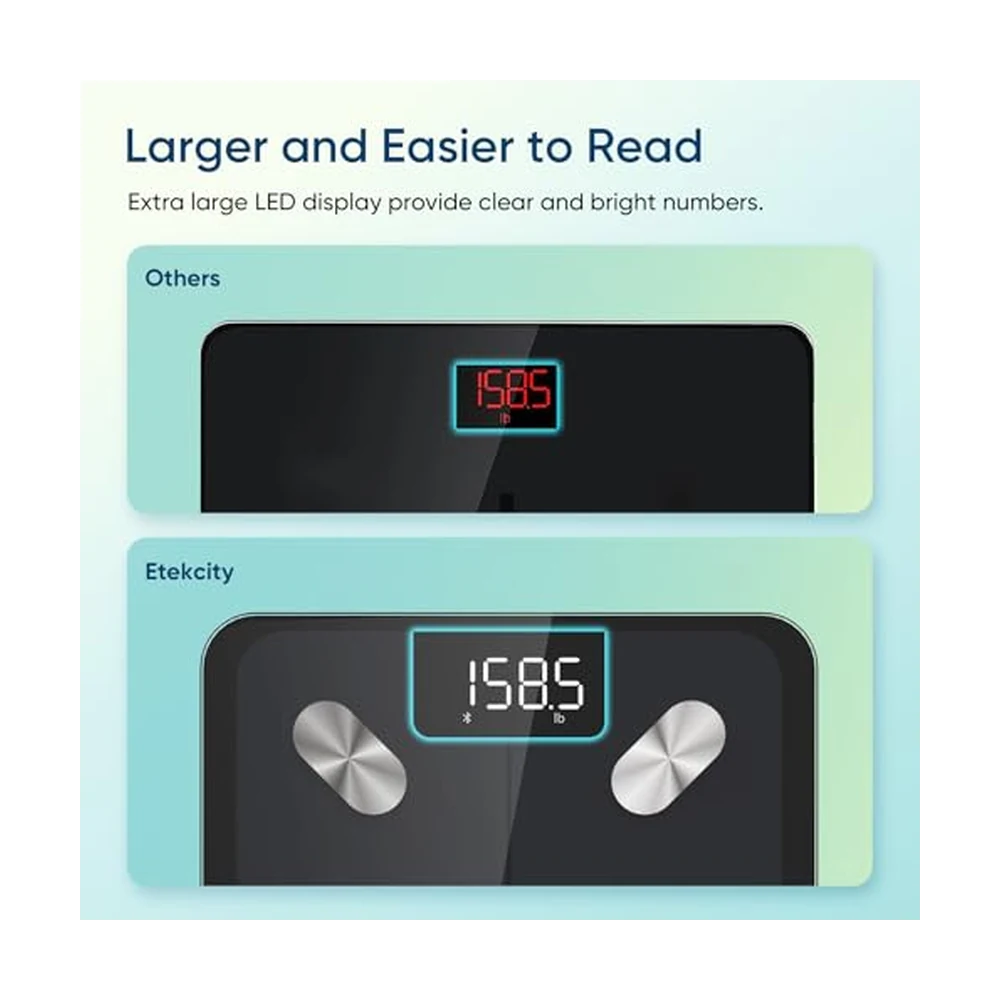 Etekcity Smart Fitness Scale
The pick: Editorial rank #1 — LeanScore order unless a note below says otherwise
The entry price for a scale that logs for you.
Owner rating4.7 (151,074) · $19.94 · LeanScore 88
Why this one leads: It carries the highest LeanScore on this shelf (88 against 87 for the next-highest-scoring pick here), and it is the least expensive of the picks here. Prices move — check the listing before you decide.
The recurring position is that a cheap scale is good enough because the point is the trend line and the automatic logging, not clinical accuracy.
Paraphrased from r/Zepboundsource
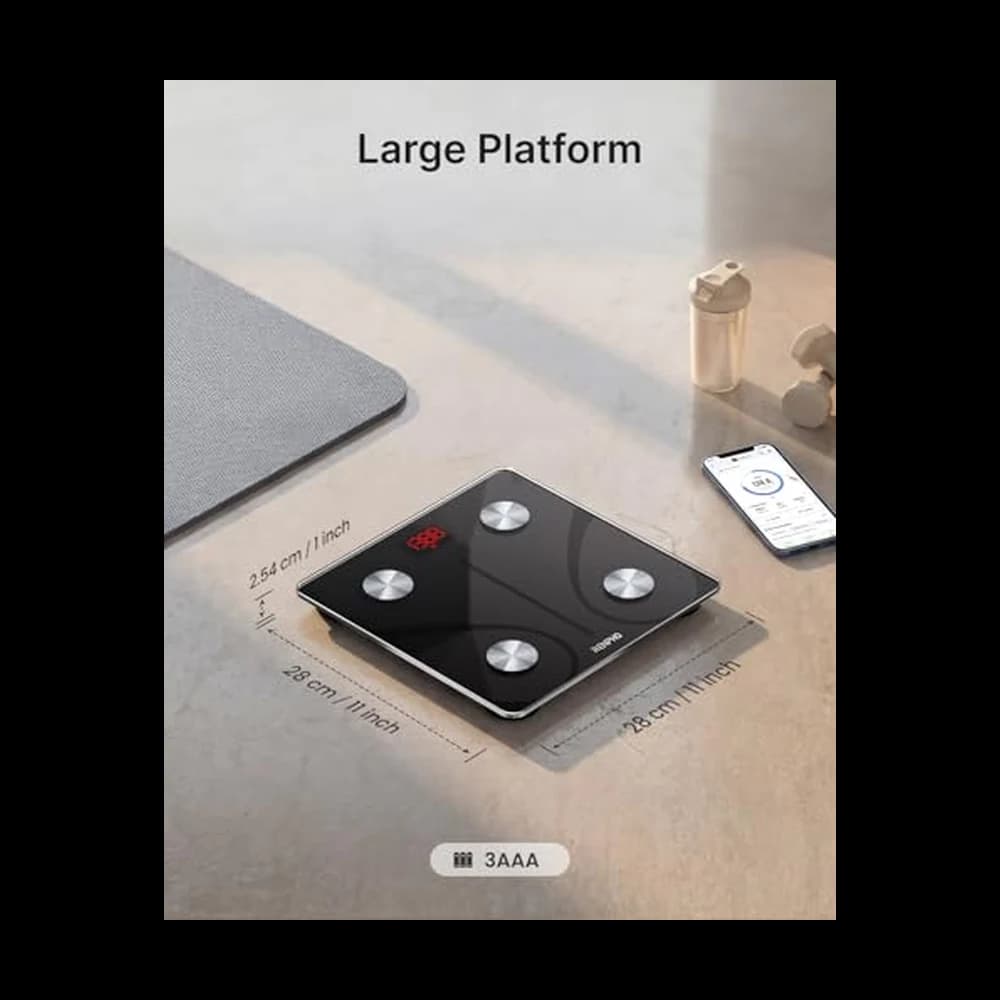 RENPHO Elis 1 Smart Scale, 13 Metrics
Runner-up: Second in the editorial ranking
Cheap, ubiquitous, and the app exports.
Owner rating4.5 (338,047) · $24.99 · LeanScore 87
People who get a reference body-composition scan describe a large gap against their home scale, and the advice that follows is to watch direction rather than the number.
Paraphrased from r/Zepboundsource
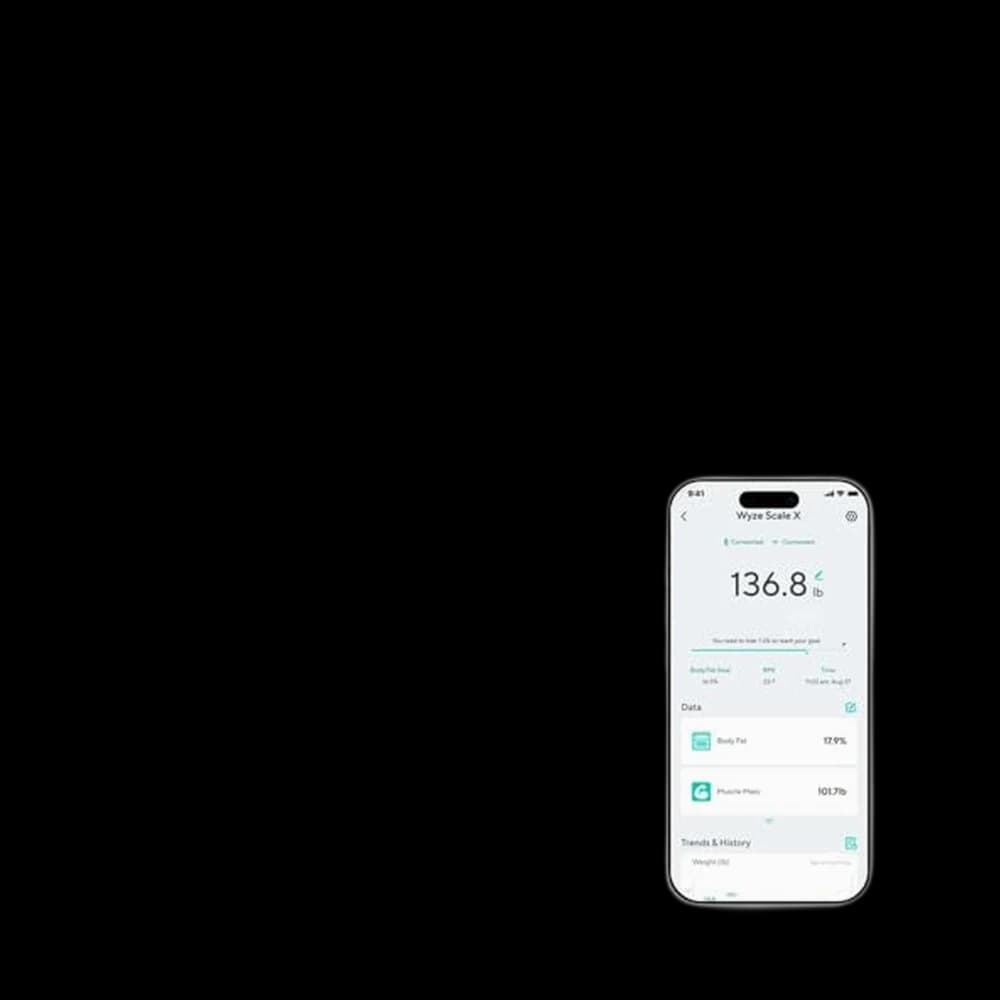 Wyze Scale X Smart Scale
Also worth it: Third in the editorial ranking — not the cheapest here
Handles multiple household users without a fight.
Owner rating4.6 (2,597) · $35.98 · LeanScore 79
At a glance
Prices & ratings checked Oct 10, 2026
Owner rating4.7 · $19.94 · LeanScore 88
Owner rating4.5 · $24.99 · LeanScore 87
Owner rating4.6 · $35.98 · LeanScore 79
Owner rating4.5 · $59.99 · LeanScore 77
Owner rating3.9 · $129.95 · LeanScore 62
Owner rating3.7 · $199.99 · LeanScore 62
LeanScore is 72% owner satisfaction and 28% value, computed the same way in every category and published in full on our methodology page. It is not a lab result and not a nutrition rating. Rows are in editorial rank order, which is LeanScore order unless a note under the top row explains why we ranked it differently — the two are separate things and we never silently reorder one to match the other. The italic lines under a pick are paraphrased consensus from public forum threads — never quotes, never usernames — and each one links the thread it came from. LeanFed may earn a commission from links in this table; it never changes a ranking.
The full shelf
Filter by what the listings actually state. A pick that says nothing about a dietary point is hidden while that filter is on — that is a gap in the label, not a verdict on the product.
Etekcity
The entry price for a scale that logs for you.
RENPHO
Cheap, ubiquitous, and the app exports.
WYZE
Handles multiple household users without a fight.
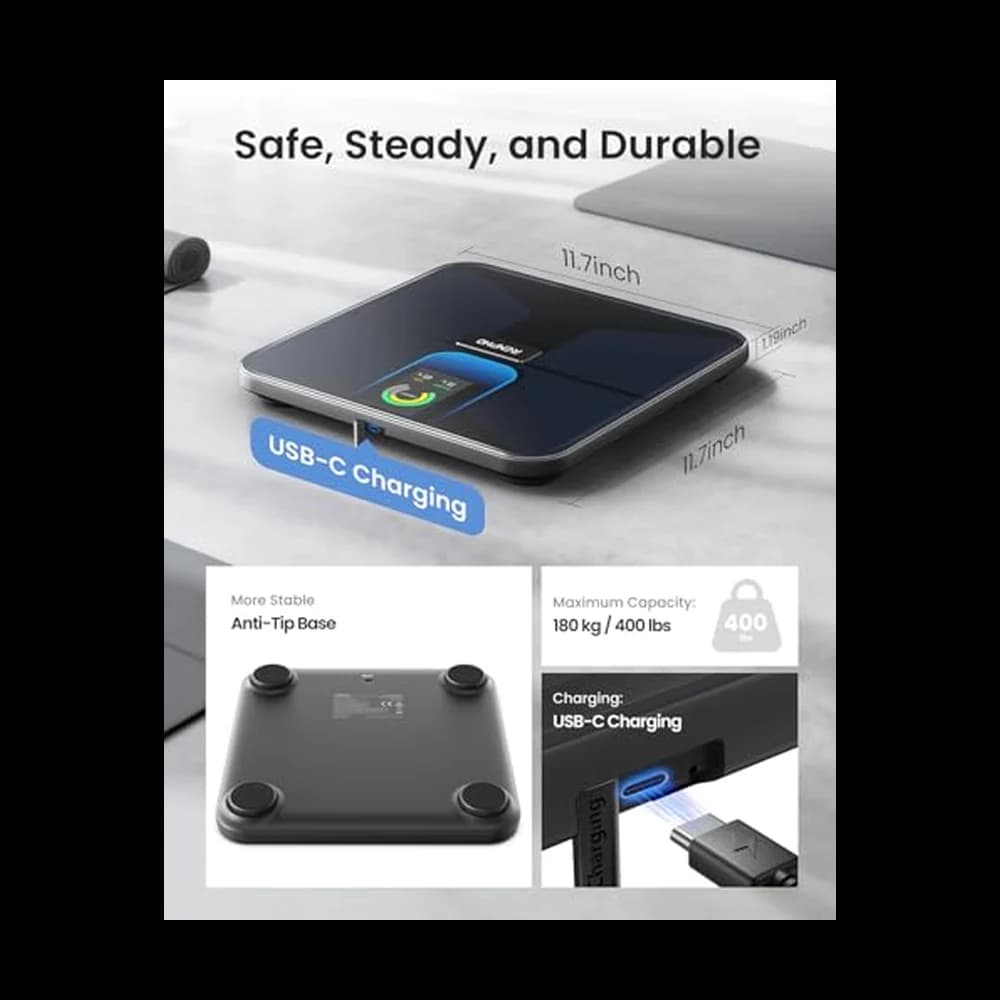
RENPHO
Wi-Fi, rechargeable and a bigger display than the Elis 1.
A newer model exists: the listing links to the newer RENPHO MorphoScan Nova, at a higher price. The Elis Evo is still sold and is ranked here on its own owner ratings. Checked September 2026.
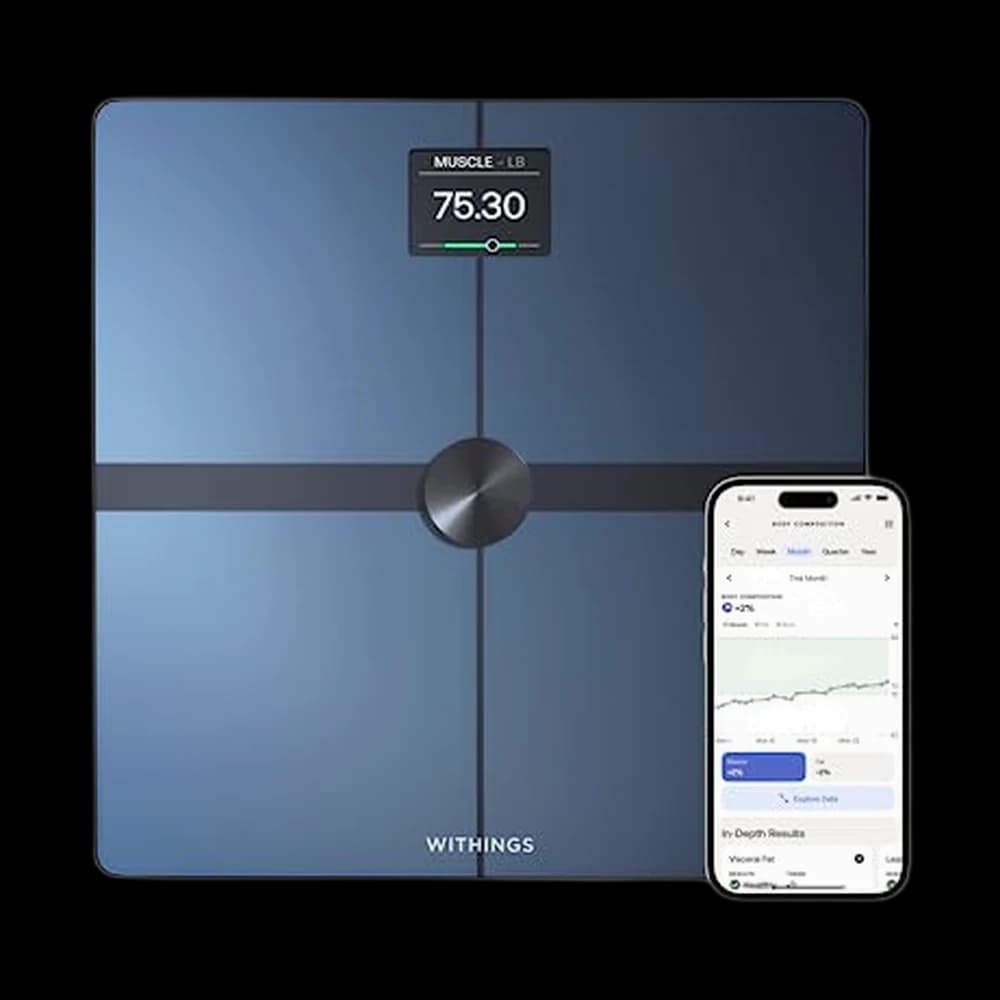
Withings
The most trustworthy trend graph, with an eyes-closed mode.
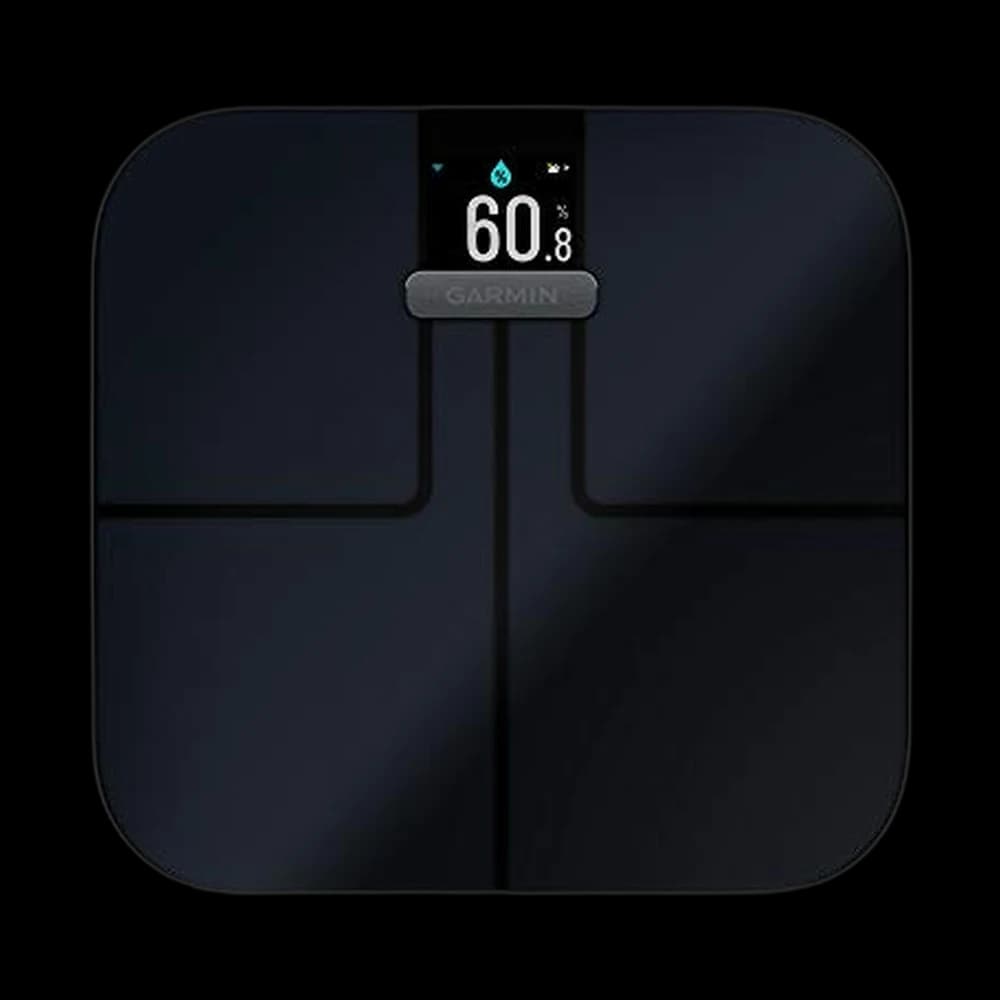
Garmin
Worth it mainly if the rest of your data is already Garmin.
Price we last checked ÷ servings stated on the label. A dash means the listing doesn't state it.
Applies toUnited States listings. Every price, rating and link on this page comes from the US store of the affiliate retailer we use, and nutrition labelling rules differ between countries.
A consumer body-composition scale sends a small alternating current through your body, measures the opposition to it, and then runs that value through a prediction equation to estimate body fat, lean mass and water. Two consequences follow directly:
None of this makes the device useless. It makes it a repeatable index rather than a scan.
The scales listing twenty metrics are not twenty times more informative; most of those figures are derived from the same one or two measurements. What actually matters:
Data. These devices build a long-term, intimate record. Check whether an account is required, what the privacy policy says is shared, and whether you can export and delete your history.
Contraindication. Manufacturers of impedance scales typically advise against use with an implanted electronic medical device such as a pacemaker. If that applies to you, buy a plain weight-only scale.
Red flag: any scale, app or listing that claims to measure muscle loss. No consumer device does that. What it produces is an estimate whose direction, watched over months under identical conditions, may be informative — and even that is a soft signal.
If the reason you want this device is muscle preservation, the honest indicators are simpler: are the weights going up in your two weekly strength sessions, are you hitting the protein figure your clinician set, does the same task feel easier. Those tell you more than a percentage that moved by 0.4 overnight.
communityAugust 2026Paraphrased from public threads, read on that date. Not measured data — these forums give us no vote counts.
People compare their scale to a clinical scan and find a large gap
In r/Zepbound, several posters describe getting a reference body-composition scan and finding their home scale off by around ten percentage points on body fat. The advice that follows is usually to watch the direction rather than the value.
Inexpensive scales are considered good enough for trends
Across r/Mounjaro and r/Zepbound the recurring position is that a cheap smart scale is fine because the point is the trend and the automatic logging, not clinical accuracy. Several people say explicitly that they do not trust the body-fat figure.
Trend-smoothing apps are recommended as often as scales
Apps that average out daily fluctuation are mentioned repeatedly alongside hardware, sometimes as a substitute for buying a smart scale at all. The motivation given is psychological rather than technical.
A meaningful group advises stepping away from the scale entirely
Posts in r/Ozempic arguing for measuring inches, photographs and how clothes fit instead of daily weighing recur and are well received. The reasoning is that early weight movement is erratic and discouraging.
Muscle-loss anxiety is the stated reason people buy these
In r/Mounjaro and r/Zepbound the motivation given for a body-composition scale is almost always worry about losing muscle during rapid weight loss, with other posters pointing out that the device cannot really answer that question.
Paraphrased consensus from 42 threads · r/Zepbound · August 2026. We summarise what comes up repeatedly and link the threads — we never quote or identify anyone, and these forums don't give us vote counts, so treat this as the shape of the conversation rather than a measured majority.
How we chose: We compared manufacturer specifications for electrode design, supported metrics, app platforms and stated contraindications, and treated privacy and data export as explicit criteria. Owner reviews were read for recurring themes about repeatability, app behaviour and multi-user recognition. We do not validate body-composition estimates against reference methods and we do not present any of these numbers as measurements.
Questions we keep getting
No. They send a small current through the body, measure the opposition to it, and run that through a prediction equation. Published reviews note that tissue resistivity varies between individuals and body segments and that hydration state changes the result, which is why one person gets different numbers on different devices the same morning.
Not useless, but they are a repeatable index rather than a scan. Weighed under identical conditions — same time each morning, after the bathroom, before drinking, bare feet, same hard floor — the direction over months may be informative. Comparing a single reading against a clinical scan is not a fair comparison.
No consumer device measures that, and a listing claiming it does is overstating what the method can do. Strength in your sessions and how clothes fit are better signals. If muscle loss is a genuine concern for you, that is a conversation with your clinician rather than a purchase.
Manufacturers of impedance scales typically advise against use with an implanted electronic medical device such as a pacemaker, and state it on the box. If that applies to you, buy a plain weight-only scale: you lose the estimates and keep everything that actually matters about the trend.
Consistency and the app rather than the length of the metric list. A scale advertising twenty metrics is not twenty times more informative, because most of those figures derive from the same one or two measurements. If it syncs into the health platform you already use, you will keep the record.
The tag says what kind of source a link is; the year is the revision or publication year the page itself states, and is left off where the page states none. Every URL here was opened and read — a source list proves a page loads, not that it says what we claim, so we check the second part by hand.
We do not test products — we compare labels, specifications and owner reviews. Prices and ratings shown are the most recent values we pulled from affiliate retailers and refresh on a recurring cycle; confirm the current price and read the product's own label before buying. See how we score.