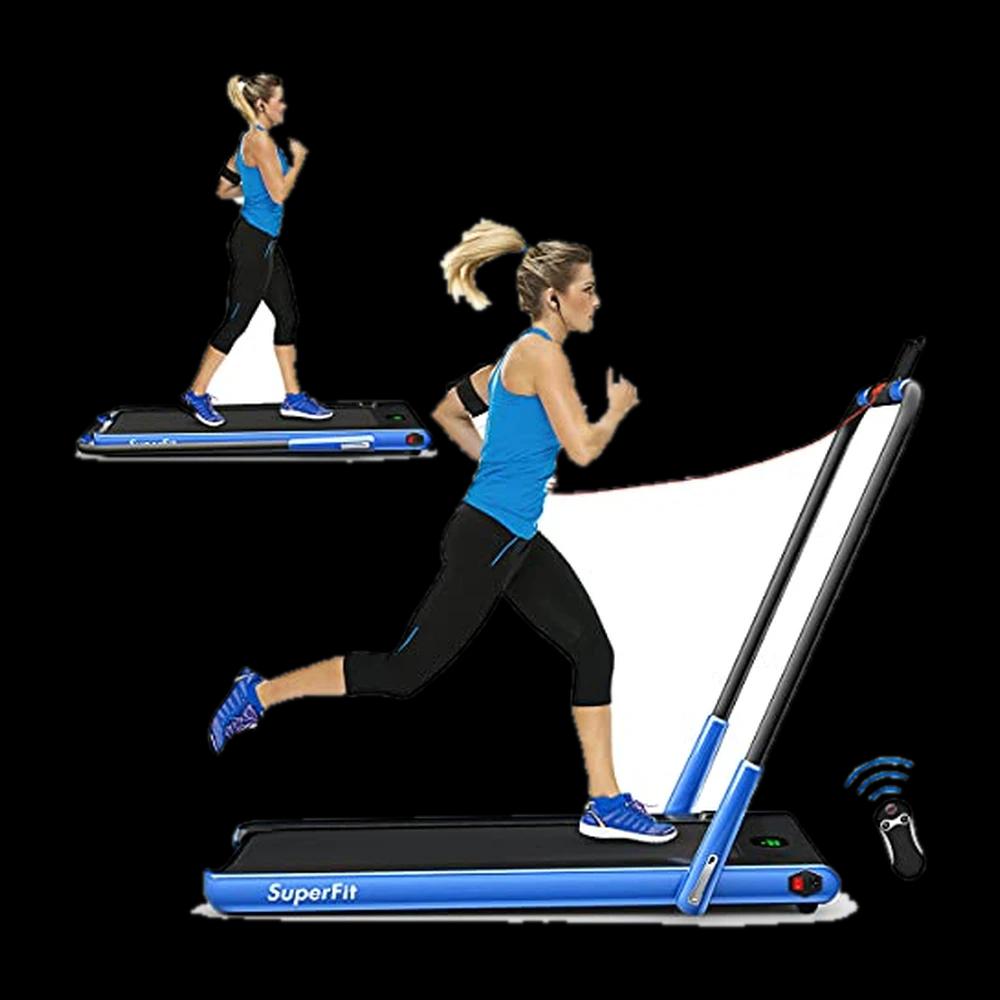
What this equipment is actually for
A walking pad solves a scheduling problem. It converts hours you were going to spend sitting into slow, easy movement, and it does that on days when weather, daylight, energy or childcare rule out a walk outside. That is a real and useful thing.
What it is not is a weight-loss device, and we are not going to imply otherwise. The activity guidance for adults is at least 150 minutes of moderate activity a week plus muscle-strengthening on two days. A pad helps with the first number and does nothing for the second.
Buy on four specifications
- Weight capacity, with headroom. Take the manufacturer's figure and want real margin under it, not a number you are near. This is the specification most closely tied to motor life.
- Deck length. The commonest complaint from taller users is a stride that does not fit. If you are over about 5'10", check the deck length specifically rather than assuming.
- Noise. Two separate problems: the motor, and footfall transmitted through the floor to whoever is below you. A pad can be quiet in the room and audible downstairs. If you rent or share a building, a mat underneath is not optional.
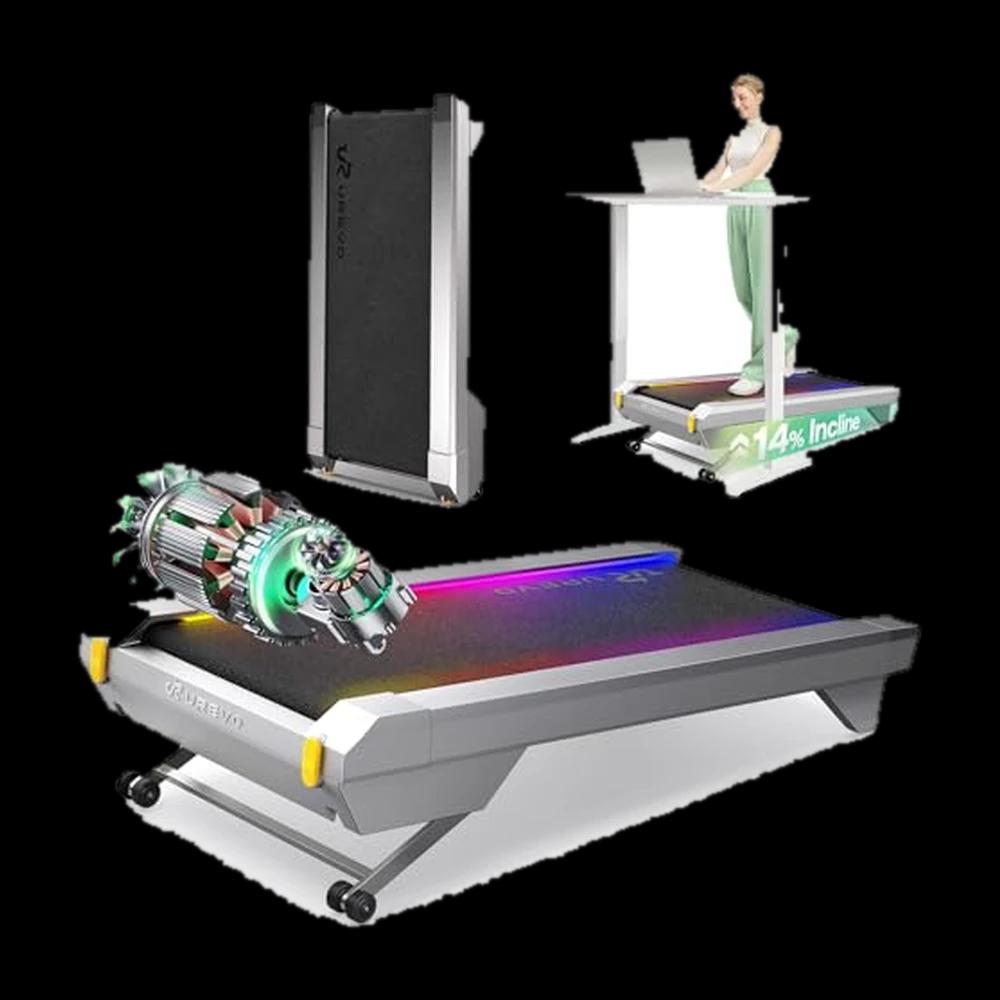
- Folded thickness and weight. Measure the gap under the desk, sofa or bed first. A pad that must be dragged out of a cupboard is a pad you use twice.
Walking-only or fold-up treadmill?
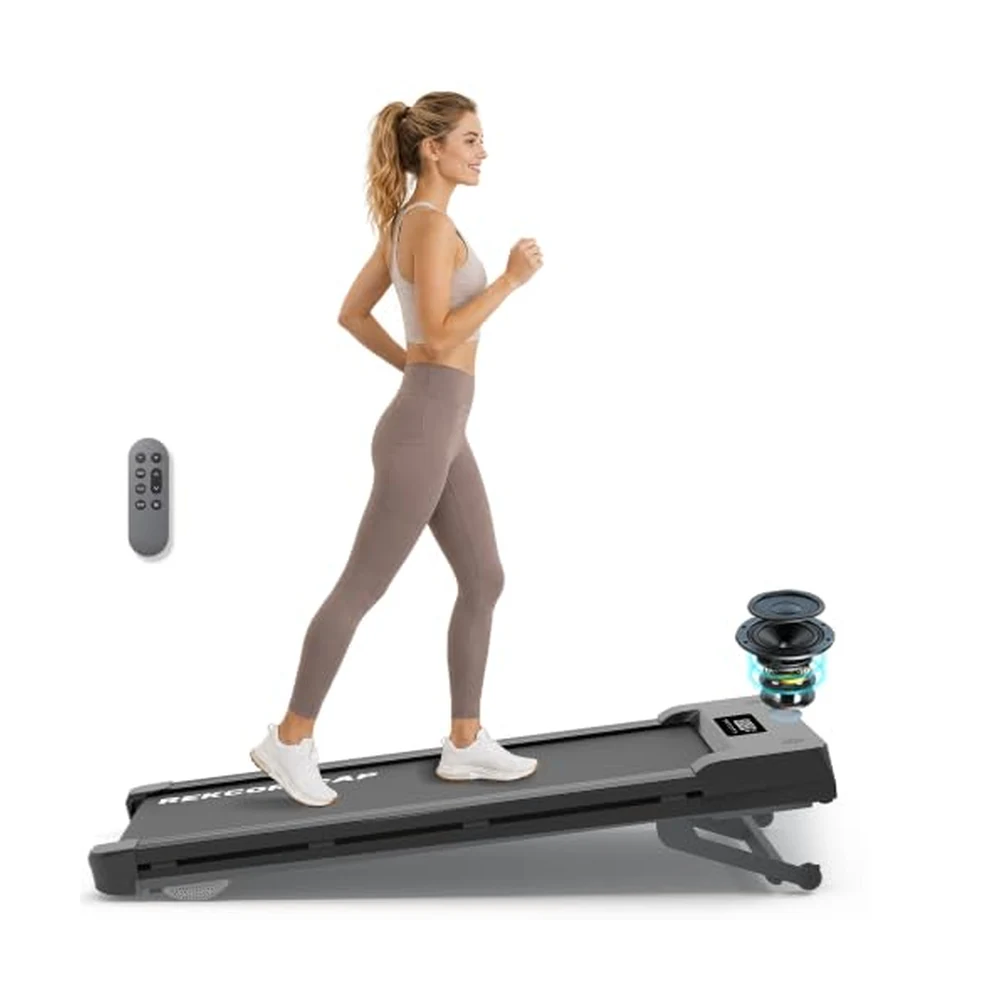
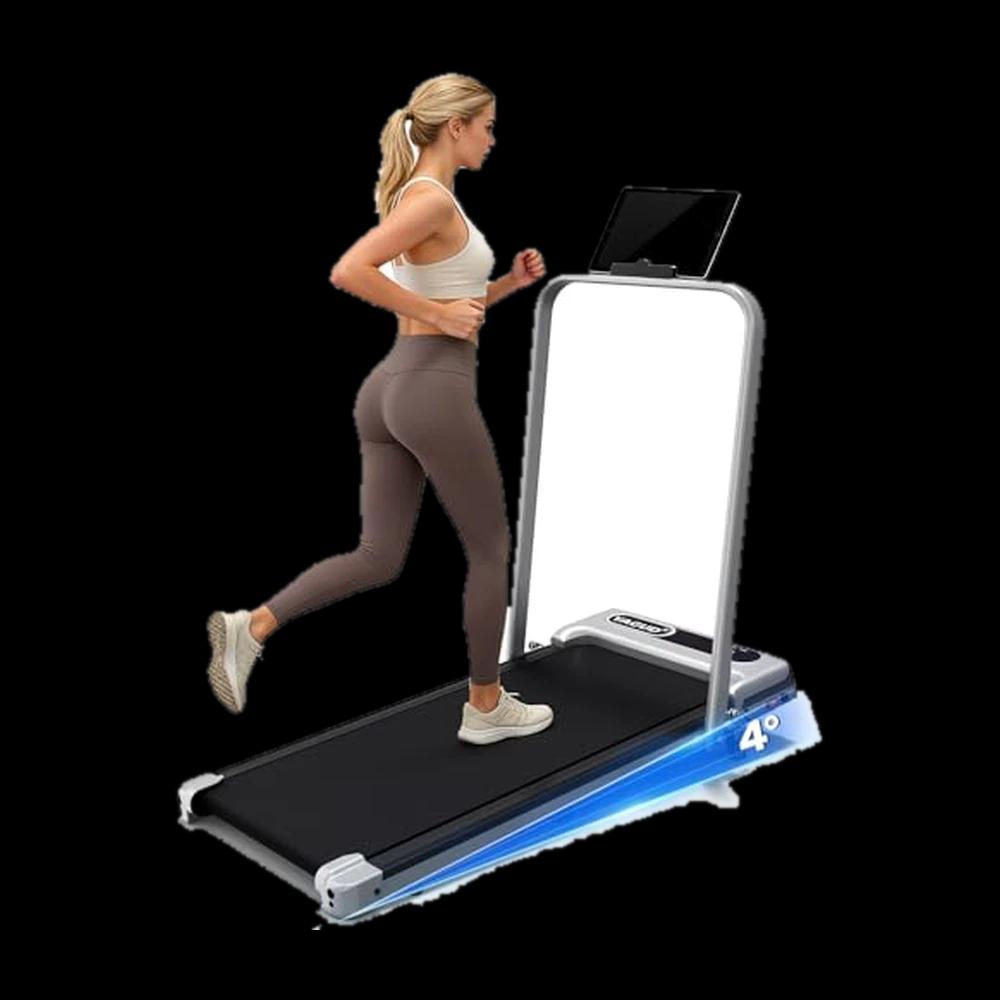
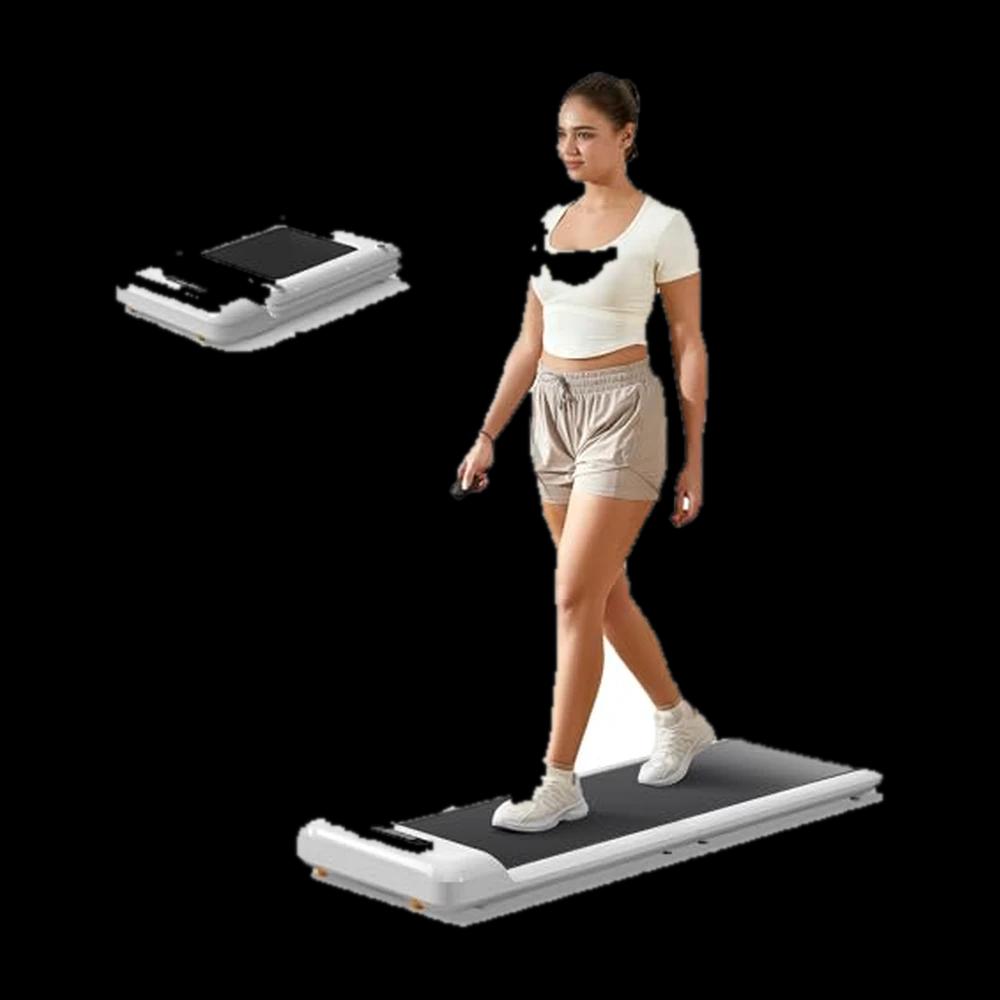
The flat, handrail-free pads are speed-limited and designed for walking under a desk. The fold-up models with a raised handrail go faster and take far more room. They sit at similar prices and they are not interchangeable — decide which one you want before comparing.
Rule of thumb: the pad that stays visible gets used. If storing it requires more than ten seconds, buy the one that fits where you will leave it out.
Start with fatigue in mind
Fatigue in the day or two after an injection is commonly reported, and pushing through it is not required. Short sessions — ten or fifteen minutes, several times a day — accumulate the same minutes with far less resistance, and they are easier to keep going in a week that is not going well.
If you have a heart, joint or balance condition, or you are starting activity after a long gap, ask your prescriber what is appropriate before you begin. And keep the strength half of the guidance in view; walking is the easy half to build and the wrong half to build alone.