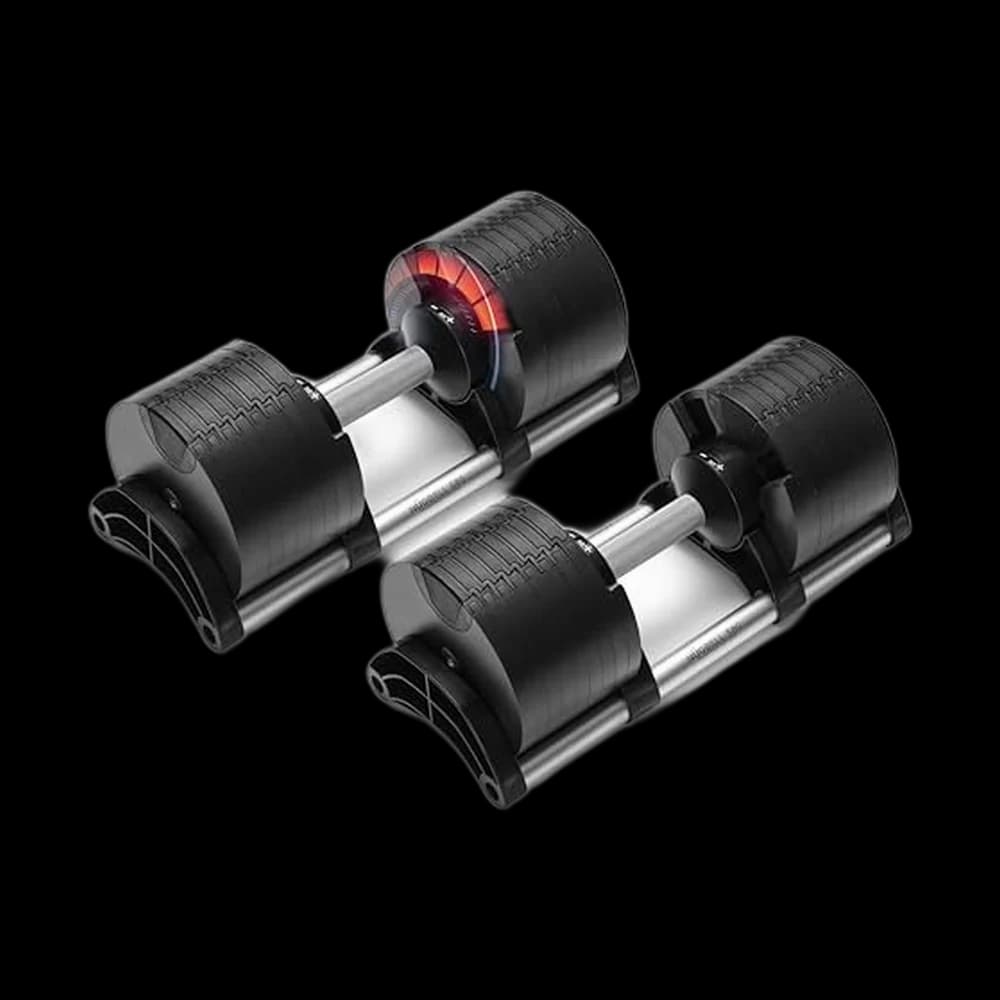
Why this category is here at all
Weight loss from any cause takes some muscle with the fat. The two levers generally described for holding on to it are resistance training and adequate protein, and this is the equipment side of the first one. We are not making a promise about your body composition — nobody honestly can — but the guidance is clear about the activity itself: adults need muscle-strengthening activity on at least two days a week, working the major muscle groups.
Two days. That is the target. It is far smaller than most people assume, and it is achievable in a bedroom with one pair of dumbbells.
Shop the bottom of the range, not the top
This is the mistake that costs the most money in this category. Marketing leads with the maximum — 50, 70, 90 pounds per hand. As a beginner you are almost never limited by the top. You are limited by:
- How light the lightest setting is. If a set starts at 10 lb per hand, lateral raises, rear delt work and most shoulder rehab movements are off the table until you are stronger.
- How small the increments are. Five-pound jumps are enormous on small-muscle exercises. Sets that offer 2.5 lb steps in the lower range are worth more to a beginner than an extra 20 lb at the ceiling.
Then judge the mechanism by change speed
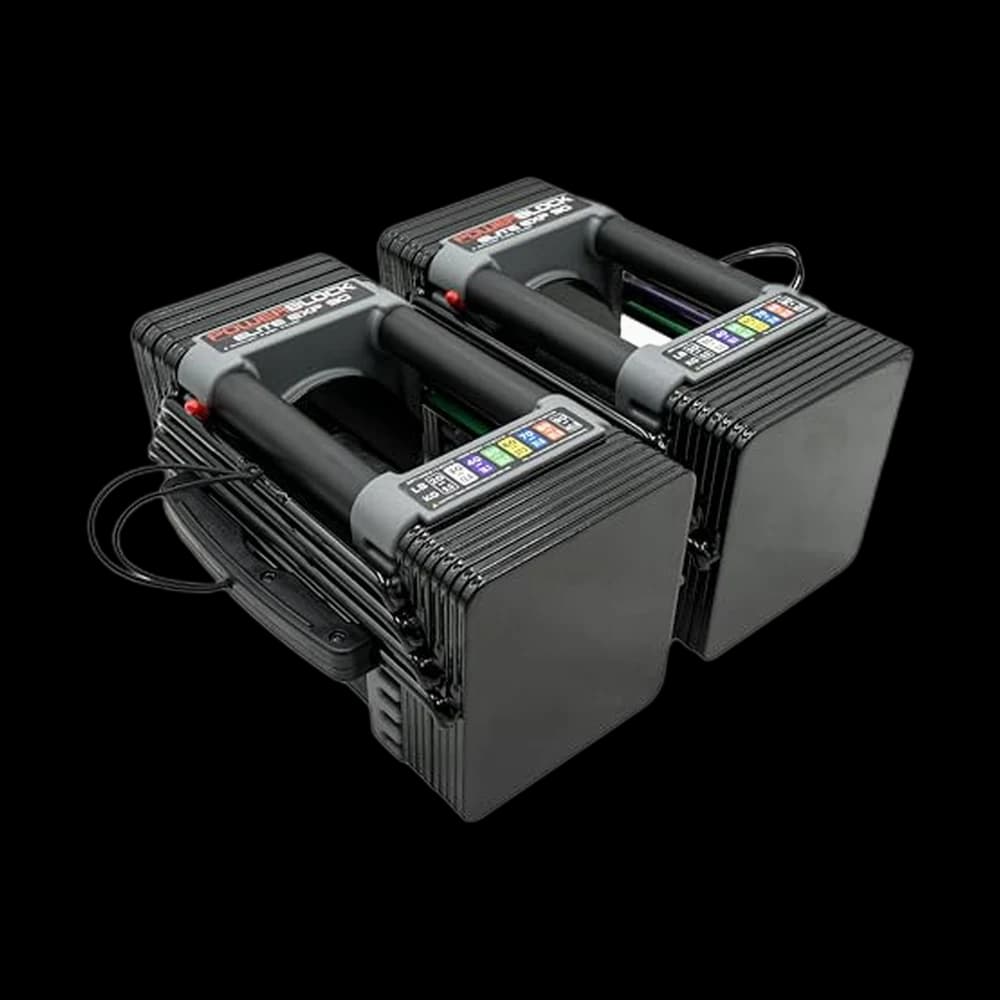
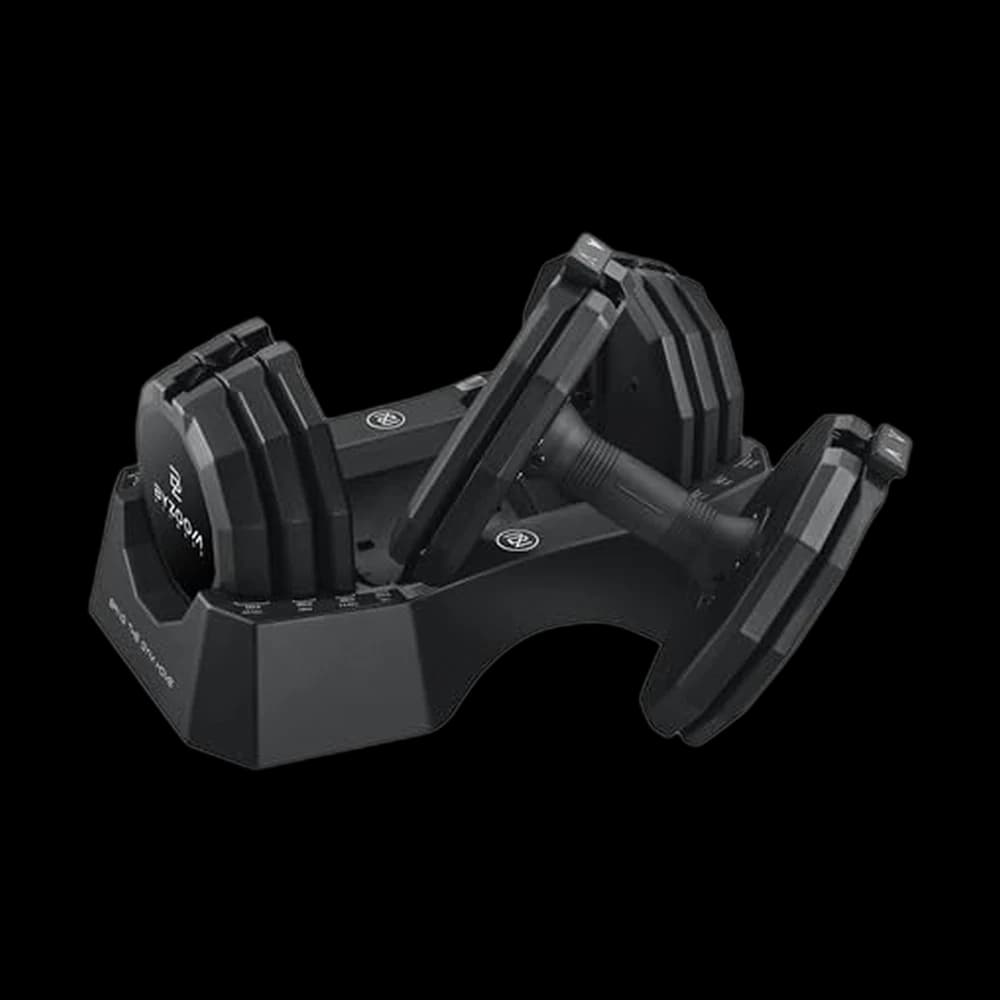
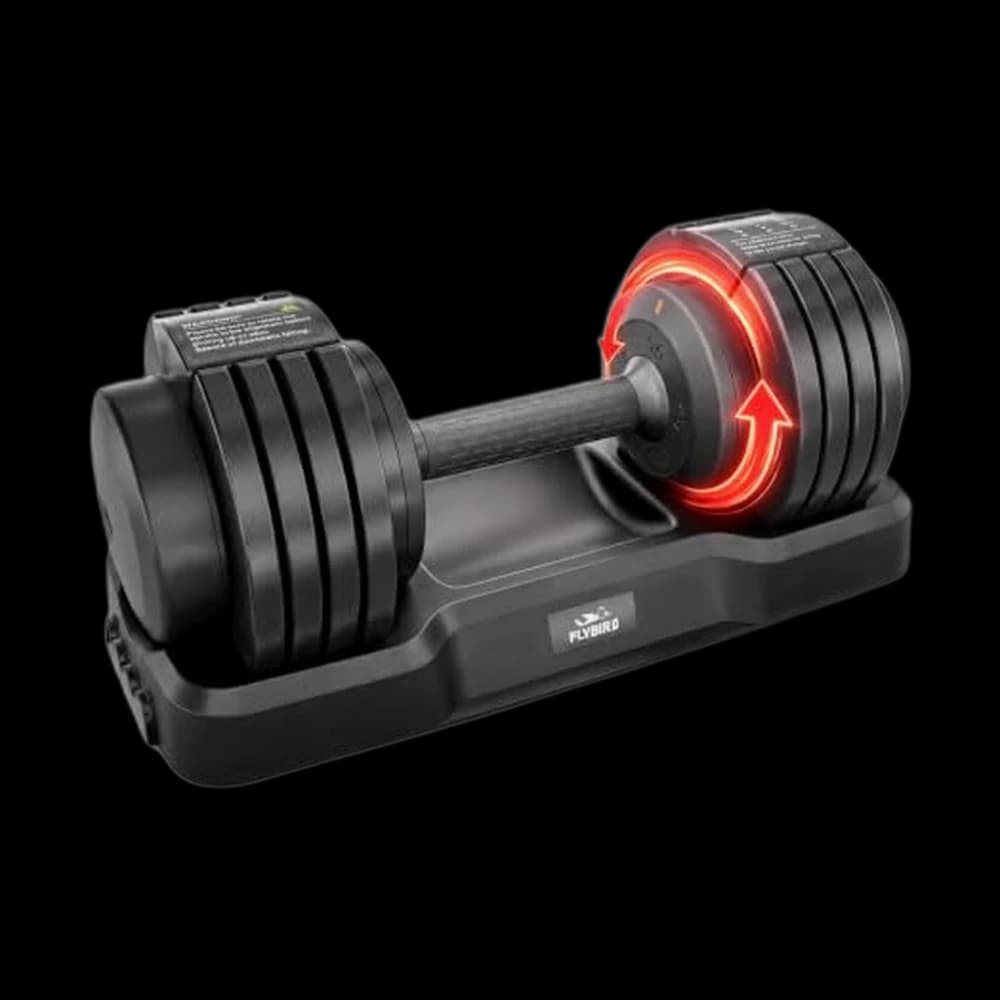
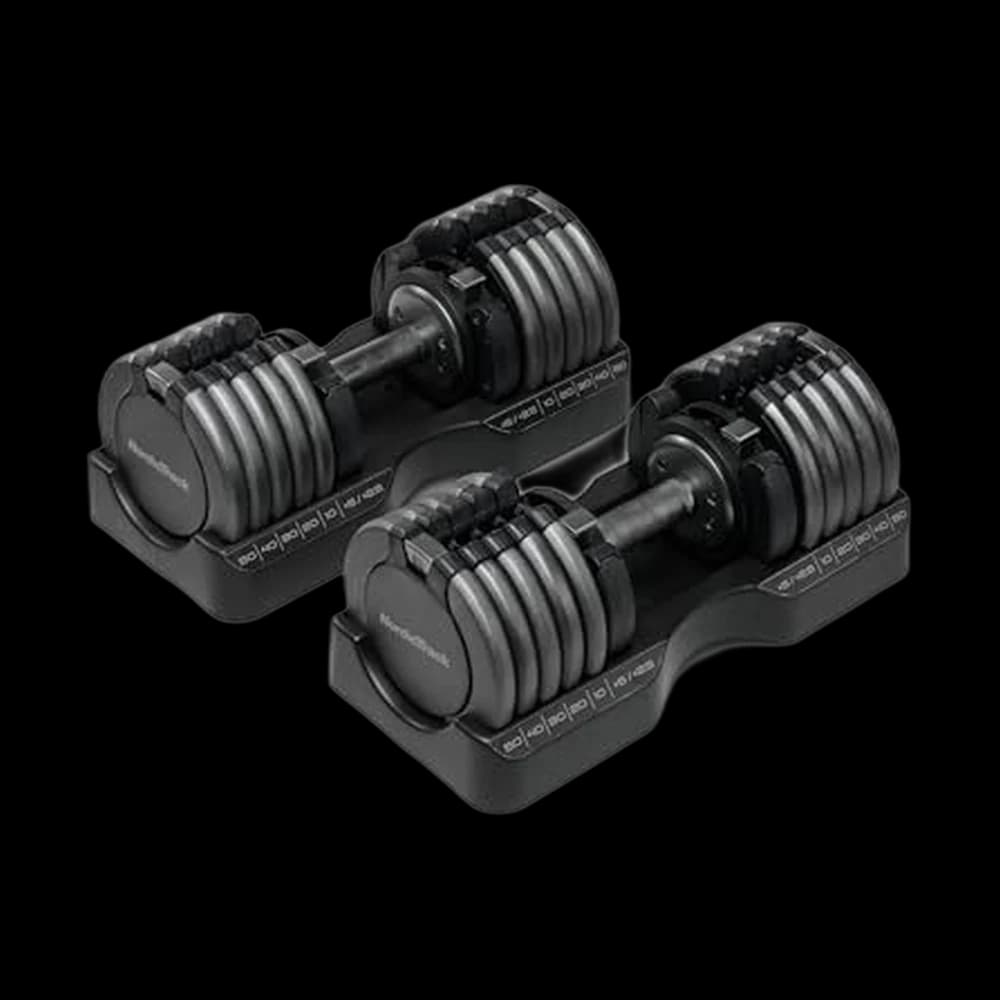
Dial systems change in a couple of seconds. Pin systems are close. Spin-lock collars are the cheapest and by far the slowest, and slow adjustment quietly reduces the number of exercises you will do, because nobody wants to spend ninety seconds unscrewing collars between sets.
Check the length at the lightest setting too. Some designs stay full-length regardless of load, which makes them clumsy for pressing and for anyone with a shorter reach.
Rule of thumb: the best home equipment is the equipment that is visible and ready. A set in a cradle in the corner of a room you use gets picked up; a set in a cupboard does not.
Start smaller than you think
Begin with a load you can move well for eight to twelve repetitions, two days a week, covering legs, back, chest, shoulders and arms. If you are new to this or have any medical condition, ask your prescriber or a physiotherapist what is appropriate before starting — that is a real recommendation, not a disclaimer.
And pair it with protein. Resistance training with inadequate protein is doing half the job, and on a small appetite the protein half needs deliberate planning.