Ready-to-Drink Protein ShakesGuide7 min
Protein Coffee: 3 Ways to Make It, and the Label Math
TL;DR
LeanFed may earn a commission from links on this page; it never changes a ranking. Full disclosure.
The short answer
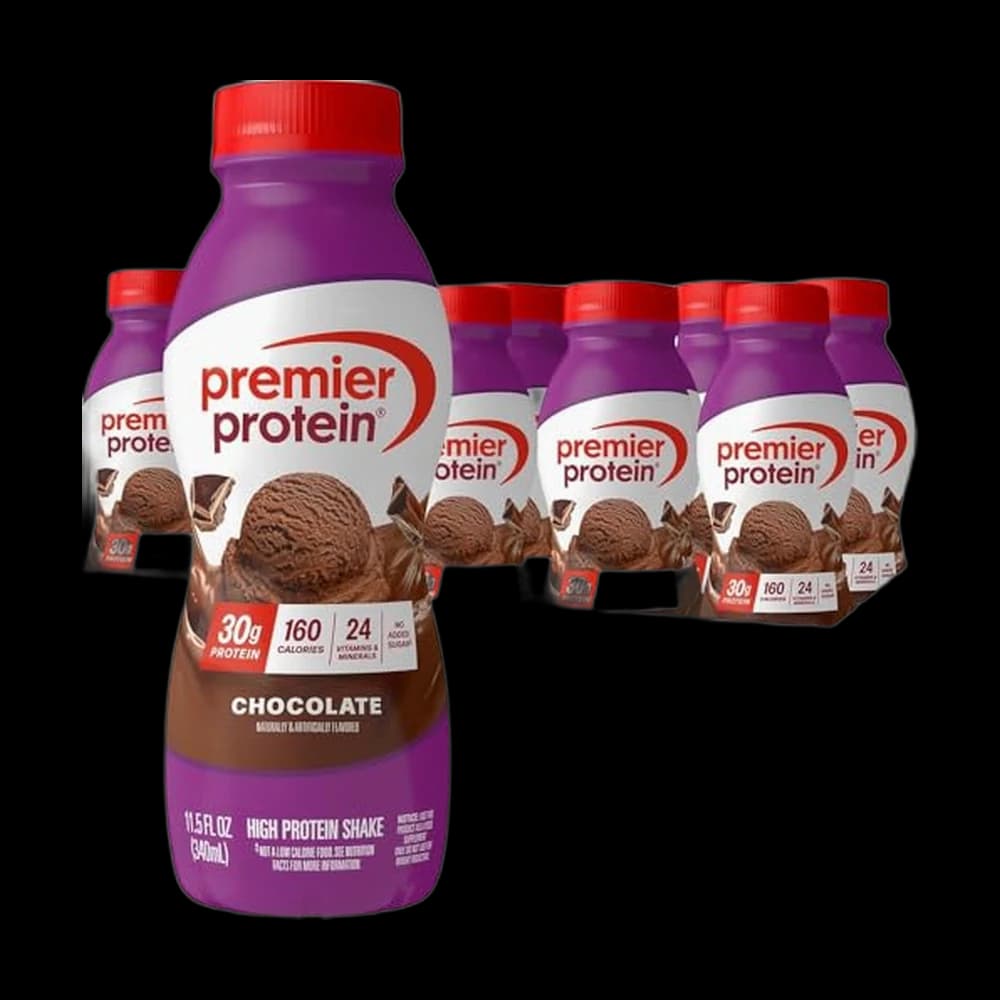
Our pick
Premier Protein 30g High Protein Shake, Chocolate, 12 Pack- The default first case: a lot of protein in a bottle you can finish across a morning.
- Dairy is the thing your stomach is fighting right now.
Coffee plus a protein shake, plus powder, or a ready-made mix: protein, calories, sugar and caffeine per serving, read off each manufacturer's own label.
Key takeaways
- Protein per serving is close. 30 g in a whole Premier Protein bottle, 25 g in a scoop of Ascent whey, 20 g in a serving of Chike, all read off manufacturer labels.
- The pour decides the protein. Half a bottle of shake used as creamer is about 15 g, calculated from the label, and a splash is closer to a creamer than a serving.
- Powder directions are written for cold liquid. The whey labels checked say to mix into cold water or milk; none addresses hot coffee.
- Caffeine is the real difference. Chike states 150 mg per serving, so three servings pass the 400 mg a day the FDA cites for most adults.
- Caffeine questions belong with your prescriber. The FDA notes some conditions and medications raise caffeine sensitivity.
Pick by your situation
| If your situation is… | Pick | Why |
|---|---|---|
| You want the most protein in one drink | Coffee plus a whole ready-to-drink shake, such as Premier Protein | 30 g on the label, as long as you drink the full 11.5 fl oz bottle rather than a creamer splash. |
| You drink your coffee hot | A shake used as creamer | Premier's own guide suggests its shakes as a creamer in hot coffee; the powder directions checked are written for cold liquid. |
| You want to control the dose by the gram | Coffee plus a whey powder such as Ascent | 25 g of protein per 33 g scoop, and a kitchen scale lets you use half a scoop or a full one. |
| You want one step and a printed caffeine number | A ready-made protein coffee such as Chike Mocha | 20 g of protein and 150 mg of caffeine per serving, both stated on the product page. |
| Caffeine affects you strongly, or you take medication | Ask your prescriber first, and favor decaf with a shake or powder | The FDA says sensitivity varies and some medications increase it; with a shake or powder the caffeine is set by your coffee, not the protein. |
Each pick is one of the products compared below — a shortcut by situation, not a separate recommendation.
Ready-to-Drink Protein Shakes: our picks
| Pick | Best for | Rating | Price | Cost per 20 g protein | LeanScore | Buy |
|---|---|---|---|---|---|---|
| №1Premier Protein 30g High Protein Shake, Chocolate, 12 Pack | The volume-to-protein workhorse most people start with. | ★ 4.6 | $26.70 | $1.48 / 20 g | 81 | Buy on Amazon |
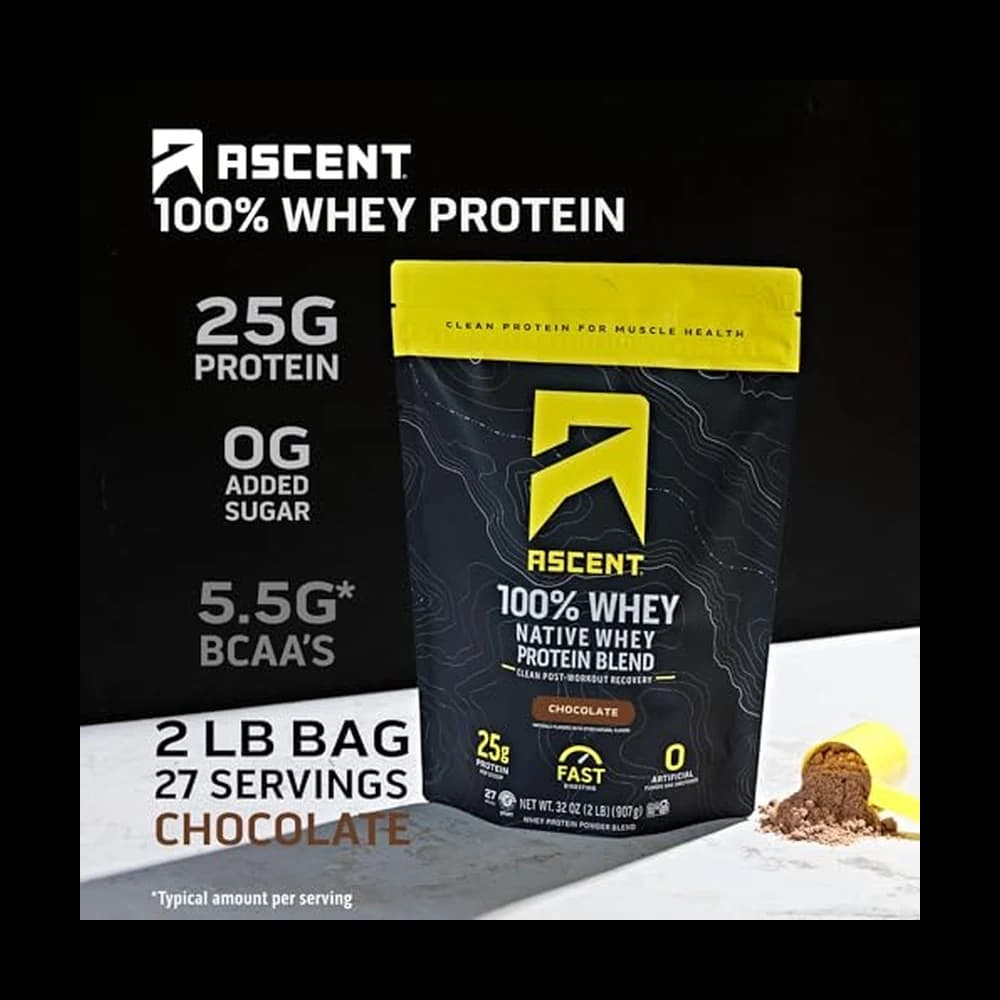 Ascent 100% Whey Protein Powder Ascent 100% Whey Protein Powder | Informed-Sport tested whey with a short ingredient list. | ★ 4.6 | $54.99 | $1.63 / 20 g | 83 | Buy on Amazon |
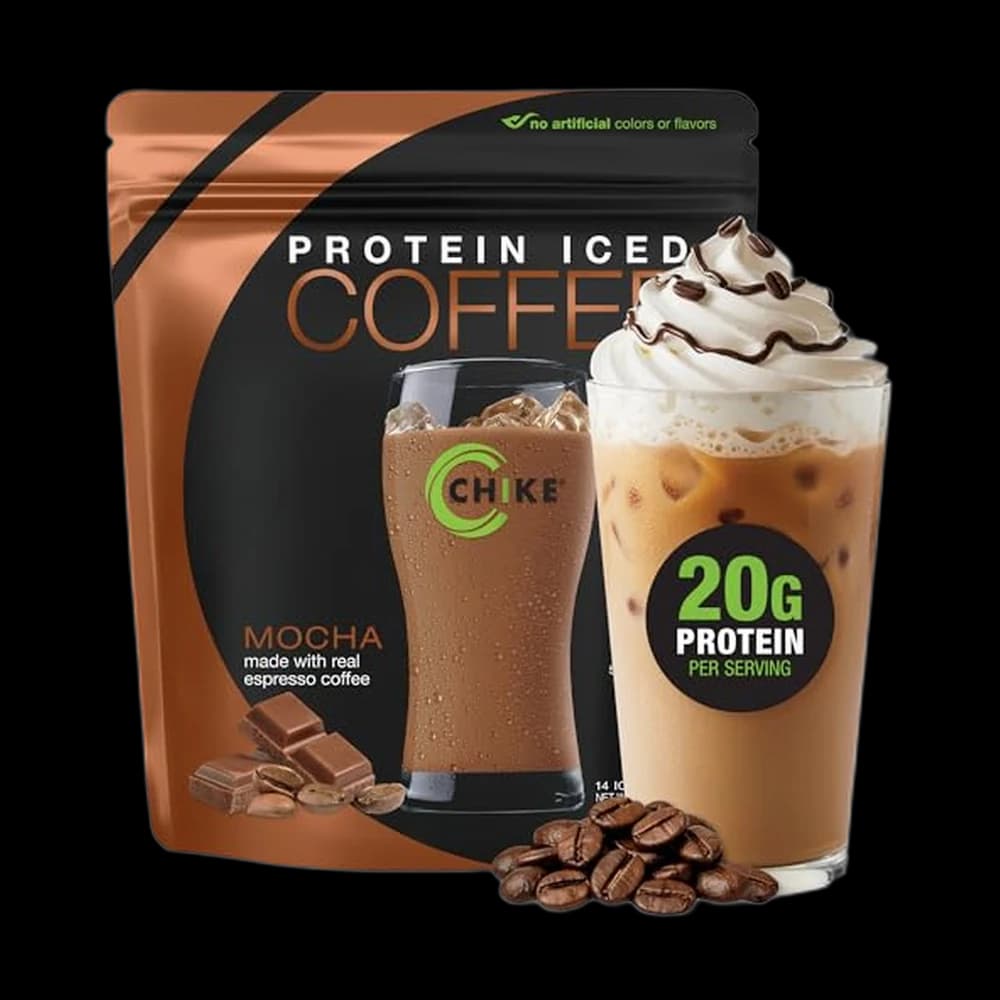 Chike Mocha High Protein Iced Coffee, 20 G Protein, 2 Shots… Chike Mocha High Protein Iced Coffee, 20 G Protein, 2 Shots… | Coffee and 20 g of protein in the same cup. | ★ 4.5 | $39.99 | — | 74 | Buy on Amazon |
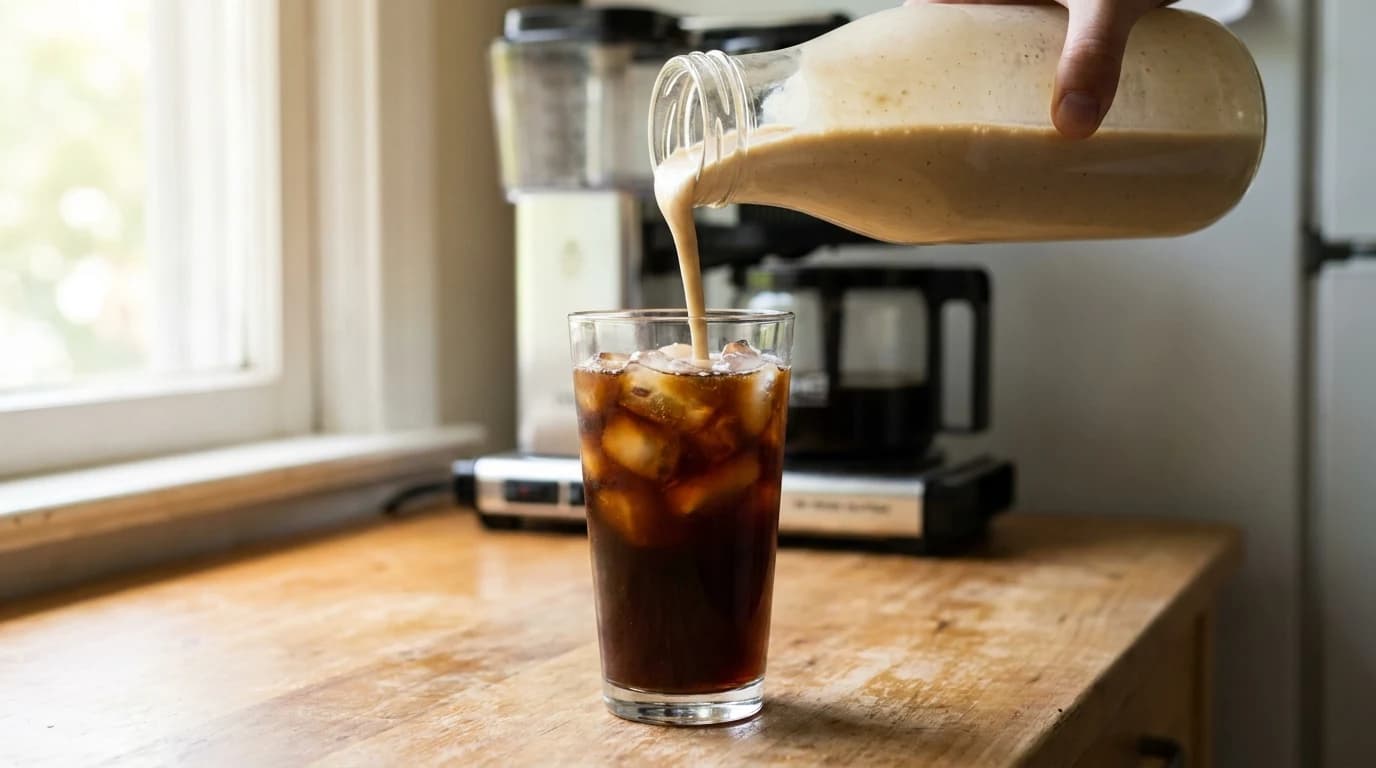
The simplest protein coffee is coffee with a ready-to-drink protein shake poured in, the drink often called proffee. Stirring protein powder into coffee works too, and a ready-made protein coffee mix skips a step. On the labels checked here, all three land between 20 and 30 g of protein per serving. The real difference is caffeine: only the ready-made mix counts it for you.
How these numbers were gathered: every figure in the first table was read off the manufacturer's own product page, for products already in the LeanFed catalog. Nothing was made in a test kitchen, and rows that are calculated say so.
The label math, per serving
| Method | Product checked | Serving on the label | Protein | Calories | Total sugars | Caffeine on the label |
|---|---|---|---|---|---|---|
| Coffee + ready-to-drink shake | Premier Protein Chocolate (label) | 1 bottle, 11.5 fl oz | 30 g | 160 | 1 g | No amount listed; cocoa is an ingredient |
| Coffee + protein powder | Ascent Chocolate Whey (label) | 1 scoop, 33 g | 25 g | 120 | 1 g | None listed |
| Ready-made protein coffee | Chike Mocha High Protein Iced Coffee (label) | 2 scoops in 10 oz cold water | 20 g | 120 | 1 g | 150 mg |
For the first two methods, add whatever caffeine your own coffee carries. Three things stand out:
- Protein is closer than it looks. The shake leads at 30 g, but only if you drink the whole bottle.
- Sugar is a wash. Each label lists 1 g of total sugars, and the Premier and Ascent labels list 0 g added.
- Caffeine is the real split. Chike states 150 mg per serving. With a shake or a powder, the caffeine is whatever is in your mug, which neither label can know.
Method 1: coffee plus a ready-to-drink shake
Premier Protein's own protein coffee guide suggests using a shake of any flavor as a creamer, mixed "with your favorite hot coffee or cold brew." Its iced caramel coffee recipe goes the other way: chill the coffee, fill the glass three-quarters with ice, then top it up with shake.
The catch is the pour. Nobody adds 11.5 fl oz of creamer to a mug, and the protein you get is the share of the bottle you actually use:
| Shake poured in | Protein (calculated) | Calories (calculated) |
|---|---|---|
| Whole bottle, 11.5 fl oz | 30 g | 160 |
| Half bottle, about 5.75 fl oz | 15 g | 80 |
| Quarter bottle, about 2.9 fl oz | 7.5 g | 40 |
These rows divide the chocolate label's values in proportion, so treat them as approximate. The same pour math applies to any bottle, including Ensure Max Protein, another 30 g shake in our catalog.
If protein is the point: make the shake most of the glass and the coffee the accent. A splash of shake in a full mug is a creamer, not a protein serving.
Method 2: coffee plus protein powder
A scoop of Ascent Chocolate Whey brings 25 g of protein and 120 calories, and powder lets you set the dose by weight. The catch is temperature. The whey directions checked here are written for cold liquid: Optimum Nutrition Gold Standard Whey tells you to mix a scoop into 6 to 8 fl oz of "cold water, milk, or other beverage" on its product page. None of the powder pages we read says anything about hot coffee, so we are not repeating the claims about clumping. If you want to stay inside the directions:
- Shake the scoop into the cold liquid the label calls for until it dissolves. A whisk-ball shaker such as the BlenderBottle Classic V2 is made for this step.
- Add cooled or iced coffee, not coffee straight off the burner.
- If you want it hot, treat that as your own experiment; no label here covers it.
Weighing the scoop keeps the protein number honest. The Etekcity Food Kitchen Scale reads in grams, and our kitchen scale guide compares others.
Method 3: a ready-made protein coffee
Chike Mocha High Protein Iced Coffee is a powder, not a bottled drink. Its product page says to add two scoops or one packet to 10 oz of cold water, shake or froth, and add ice. The ingredient list pairs whey protein isolate and concentrate with coffee, sucralose and added caffeine, and the page puts the caffeine at 150 mg, from two shots of espresso.
- Pick it if you want one step and a caffeine number printed for you.
- Skip it if caffeine hits you hard. Protein and caffeine come locked together, so half a serving means 10 g of protein and, calculated, 75 mg of caffeine.
The caffeine budget
The FDA's caffeine guidance cites 400 mg a day for most adults as an amount not generally associated with negative effects, and says sensitivity varies widely. If protein coffee becomes your protein strategy, the servings stack up fast:
| Chike servings in a day | Caffeine (from label) | Protein (from label) |
|---|---|---|
| 1 | 150 mg | 20 g |
| 2 | 300 mg | 40 g |
| 3 | 450 mg | 60 g |
Three servings pass the FDA's 400 mg figure before any other coffee, tea or chocolate.
Why the shake label shows no caffeine: the FDA explains that when a food contains an ingredient that inherently has caffeine, such as chocolate, caffeine itself will not appear in the ingredients. The ingredient does. That is why the chocolate shake lists cocoa but no milligram figure.
The kit, by method
| Method | What it takes from our catalog |
|---|---|
| Coffee + shake | Premier Protein Chocolate or Ensure Max Protein, plus a glass of ice |
| Coffee + powder | Ascent Chocolate Whey or Gold Standard Whey, a BlenderBottle Classic V2 and an Etekcity scale |
| Ready-made mix | Chike Mocha and the same shaker |
If your appetite is small
Cleveland Clinic notes that medicines reduce appetite while your body still needs a variety of nutrients, and that a registered dietitian can help build an eating plan around your needs. A drink you already have every morning is an easy place to put protein. Our protein-first eating guide covers how to order the rest of the day.
Worth raising at your next visitFrom this guide
Education, not medical advice. The FDA says certain conditions and some medications can make people more sensitive to caffeine. Questions about caffeine, your medication or your protein target belong with your prescriber or dietitian.
Before you settle on a method, check:
- The volume you can finish. 11.5 fl oz for a whole shake, 10 oz of water for Chike, 6 to 8 fl oz of liquid plus coffee for powder.
- Your coffee's own caffeine. Only the ready-made mix prints a number.
- The sweetener. Chike Mocha's ingredient list includes sucralose; read the label if that matters to you.
Choosing the shake or the powder itself is its own decision. Our guides to ready-to-drink protein shakes and protein powders for a small appetite compare the options, and Premier Protein vs fairlife Core Power puts those two bottles side by side.
Your next step
Where most people go from here
Frequently asked
The questions that keep coming up
What is proffee?
Proffee is coffee mixed with protein, usually a ready-to-drink protein shake used in place of milk or creamer. Premier Protein's own guide suggests using any flavor of its shakes as a creamer in hot coffee or cold brew.
Can you put protein powder in hot coffee?
The whey directions checked here are written for cold liquid, and none of the powder pages we read addresses hot coffee. To stay inside the directions, dissolve the scoop in cold milk or water first and then add cooled or iced coffee.
How much protein is in a protein coffee?
On the labels checked, 30 g for a whole 11.5 fl oz Premier Protein shake, 25 g for a 33 g scoop of Ascent whey and 20 g for a serving of Chike Mocha. A shake used as a splash of creamer carries only its share of the bottle.
How much caffeine is in Chike protein coffee?
Chike's Mocha product page states 150 mg of caffeine per serving, from two shots of espresso. The FDA cites 400 mg a day as an amount not generally associated with negative effects for most adults, so three servings pass that figure.
Is protein coffee a good idea on a GLP-1?
It can be one easy place to add protein when appetite is small, but it is not a plan on its own. Cleveland Clinic notes the body still needs a variety of nutrients, and caffeine or protein questions belong with your prescriber or dietitian.
Sources & further reading
We research from primary and authoritative sources. Where our guidance rests on a fact, here's where it comes from.
- Premier Protein: Chocolate Protein Shake product page (Nutrition Facts) — 11.5 fl oz label: 160 calories, 30 g protein, 1 g total sugars including 0 g added, and cocoa powder in the ingredients with no caffeine amount listed.
- Premier Protein: Protein Coffee, Benefits and Recipes — Source for using a shake of any flavor as a coffee creamer with hot coffee or cold brew.
- Premier Protein: Iced Caramel Coffee recipe — Source for chilling the coffee, filling the glass three-quarters with ice and topping it with shake.
- Ascent: Chocolate Whey Protein Powder product page (Nutrition Facts) — 33 g scoop: 120 calories, 25 g protein, 1 g total sugars including 0 g added.
- Chike: Mocha High Protein Iced Coffee product page — 20 g whey protein, 120 calories, 1 g sugar and 150 mg caffeine per serving; directions of two scoops in 10 oz cold water; ingredients and FAQ on sucralose.
- Optimum Nutrition: Gold Standard 100% Whey product page — Directions to mix about one scoop into 6 to 8 fl oz of cold water, milk or other beverage.
- FDA: Spilling the Beans, How Much Caffeine is Too Much? — Source for the 400 mg a day figure for most adults, variation in sensitivity, medications and conditions, and caffeine from ingredients such as chocolate not appearing in the ingredient list.
- Cleveland Clinic: GLP-1 Diet, What To Eat and Avoid — Source for GLP-1 medicines reducing appetite while the body still needs a variety of nutrients, and a registered dietitian helping build a plan.
LeanFed is not medical advice and is not a substitute for your prescriber, pharmacist or dietitian. We do not test products hands-on — we compare labels, specifications and owner reviews. Prices and LeanScores reflect our most recent research and refresh on a cycle; confirm the current price and read the product's own label before buying. We may earn a commission from affiliate retailers — it never changes our recommendations. See how we score.