Ready-to-Drink Protein ShakesDeep dive6 min
Atkins vs Premier Protein: 15 g or 30 g in One Bottle
TL;DR
LeanFed may earn a commission from links on this page; it never changes a ranking. Full disclosure.
Call your prescriber todayBefore any product on this page
Before the picks: severe or persistent abdominal pain, vomiting that stops you keeping fluids down, signs of dehydration, allergic symptoms, vision changes, or pain that wraps around to your back are never a shopping problem. Call your prescriber or seek urgent care. Nothing here is medical advice.
The short answer
Our pick
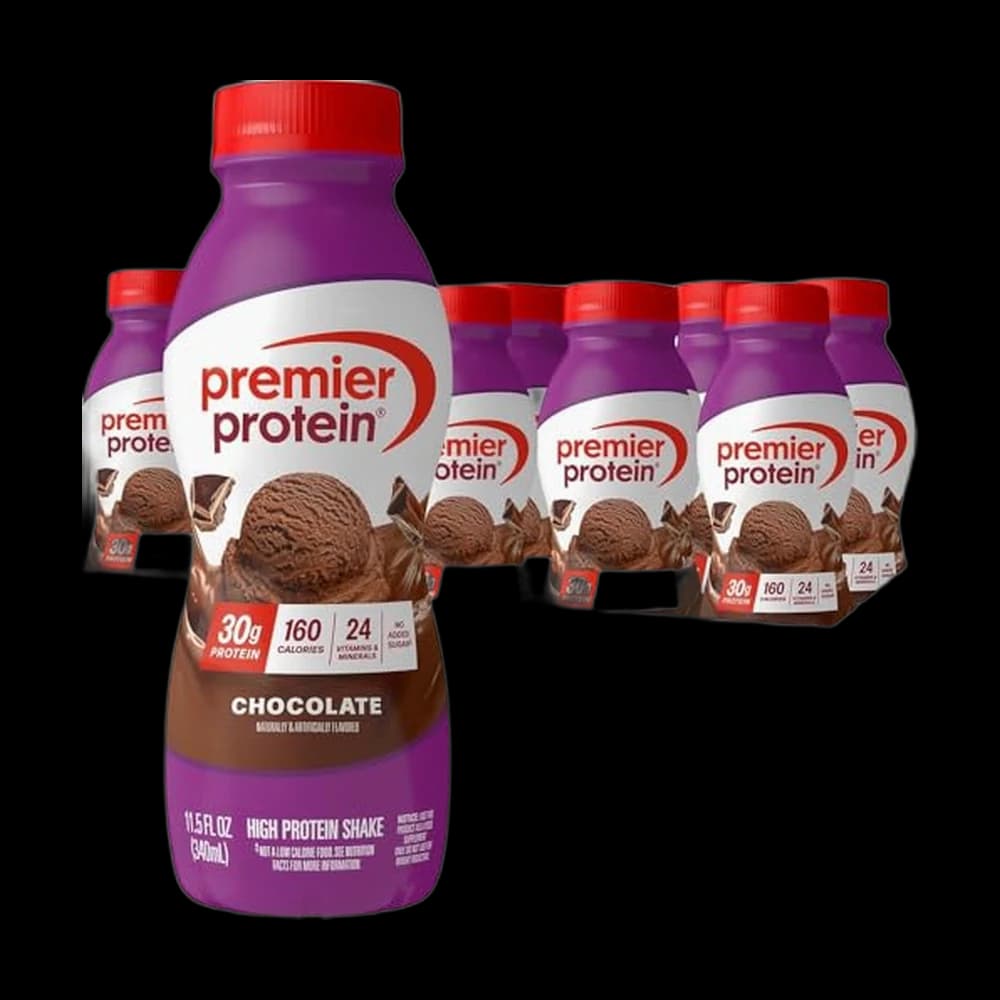
Premier Protein 30g High Protein Shake, Chocolate, 12 Pack- The default first case: a lot of protein in a bottle you can finish across a morning.
- Dairy is the thing your stomach is fighting right now.
Same 160 calories, almost the same bottle, twice the protein in one of them. Why the paper answer is Premier and the kitchen answer sometimes is not.
Key takeaways
- Same calories, half the protein. Both bottles state 160 calories; Premier states 30 g of protein, Atkins 15 g — about 5.3 calories per gram against about 10.7.
- Per ounce it is the same story: about 20.9 g of protein per 8 fl oz for Premier's 11.5 fl oz bottle, about 10.9 g for Atkins' 11 fl oz.
- Atkins is a low-carb product that contains protein, not a protein product. Its listing leads with 2 g of net carbs and 1 g of sugar.
- No added sugar is not the same claim as no sugar. Total sugars include the sugar naturally present in milk; added sugars do not. Both bottles are milk-protein products.
- If you routinely leave a third of a bottle, buy on protein per ounce rather than per bottle — and a thinner bottle you finish beats a denser one you do not.
Pick by your situation
| If your situation is… | Pick | Why |
|---|---|---|
| Protein is the thing your day is short of | Premier Protein | 30 g for the same 160 calories Atkins spends on 15 g. |
| 30 g in one sitting sits heavily right now | Atkins Milk Chocolate | 15 g in a thin 11 fl oz bottle, built to be sipped rather than finished quickly. |
| You are managing carbohydrate, not chasing protein | Atkins Milk Chocolate | The listing leads with 2 g of net carbs and 1 g of sugar — that is the product's actual job. |
| You want the leanest protein-per-calorie bottle here | Ensure Max Protein | 30 g for 150 calories, about 5.0 calories per gram, plus 4 g of fiber with a prebiotic. |
| You have barely eaten anything all day | Orgain Vegan | 240 calories and over 22 vitamins and minerals alongside 16 g of plant protein. |
| Dairy is what your stomach is fighting | Orgain Vegan | Organic pea and chia protein; the listing states no lactose or dairy ingredients. |
Each pick is one of the products compared below — a shortcut by situation, not a separate recommendation.
Ready-to-Drink Protein Shakes: our picks
| Pick | Best for | Rating | Price | Cost per 20 g protein | LeanScore | Buy |
|---|---|---|---|---|---|---|
| №1Premier Protein 30g High Protein Shake, Chocolate, 12 Pack | The volume-to-protein workhorse most people start with. | ★ 4.6 | $25.07 | $1.39 / 20 g | 79 | Buy on Amazon |
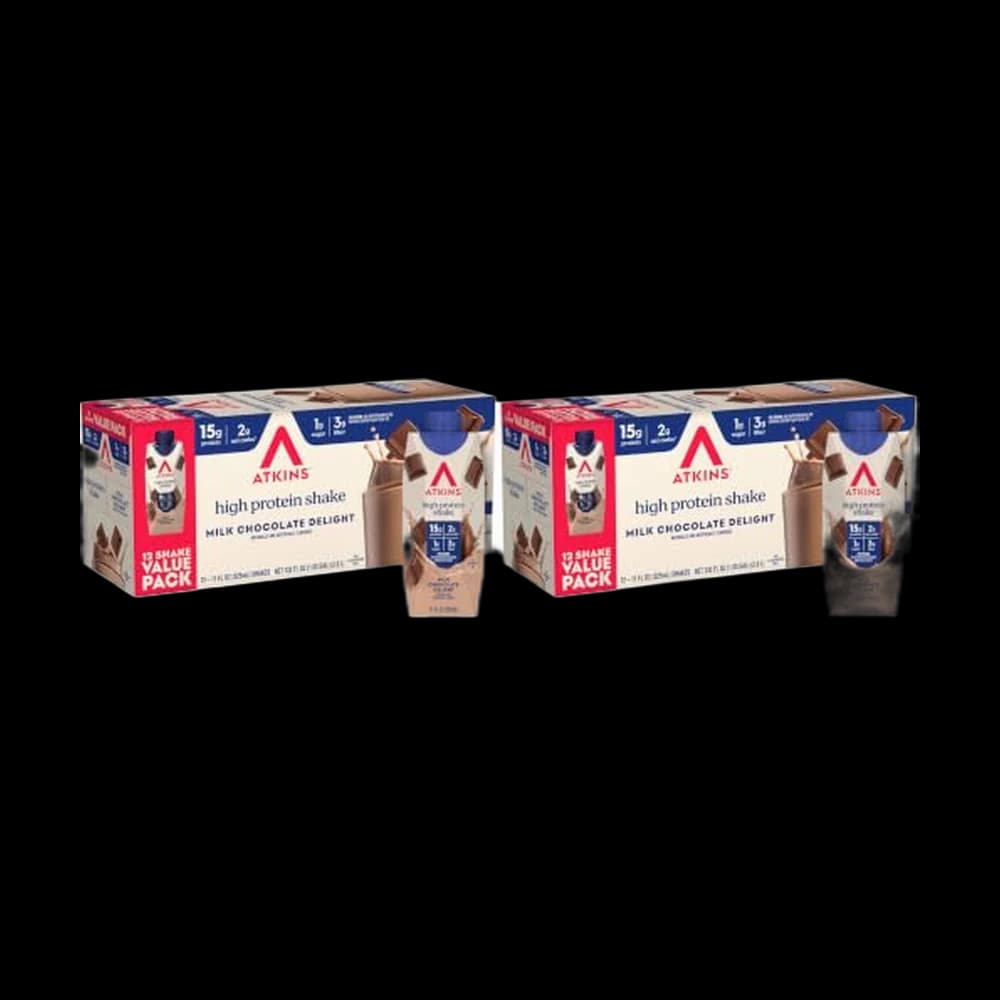 Atkins Milk Chocolate Delight Protein Shake, 15g Protein, Low… Atkins Milk Chocolate Delight Protein Shake, 15g Protein, Low… | Low-sugar, widely stocked, and thin enough to sip over an hour. | ★ 4.9 | $41.94 | $2.33 / 20 g | 82 | Buy on Amazon |
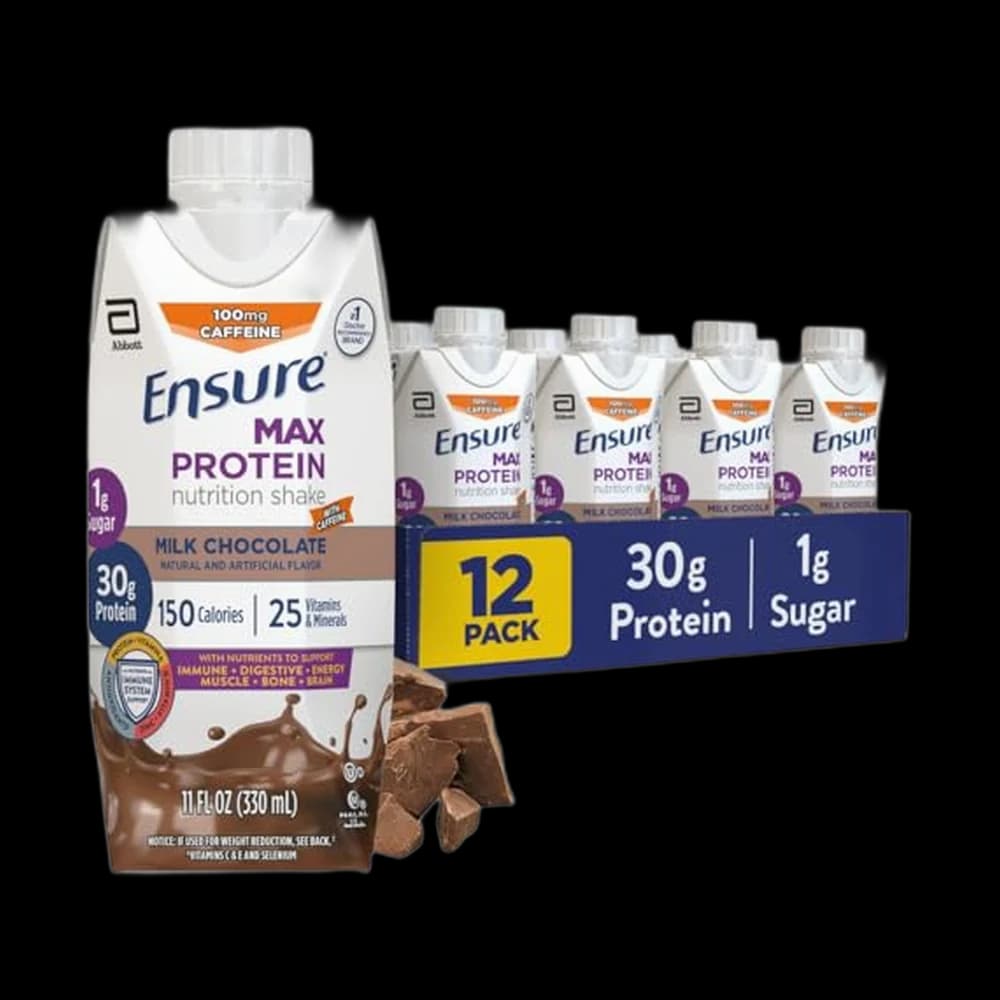 Ensure Max Protein Milk Chocolate Shake, 30g High Protein, 12 Pack Ensure Max Protein Milk Chocolate Shake, 30g High Protein, 12 Pack | Drugstore-available and thin enough to sip slowly. | ★ 4.6 | $27.97 | $1.55 / 20 g | 83 | Buy on Amazon |
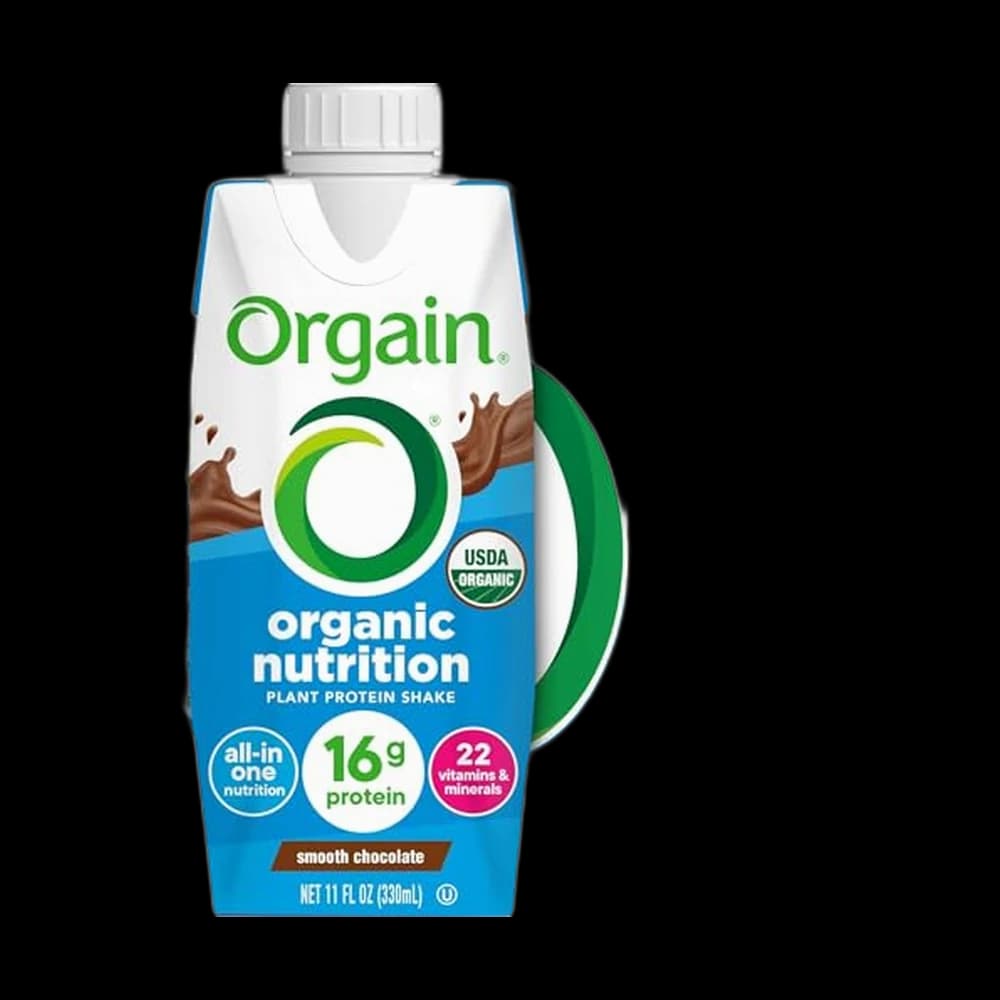 Orgain Organic Nutritional Vegan 16g Protein Shake, Chocolate, 11… Orgain Organic Nutritional Vegan 16g Protein Shake, Chocolate, 11… | The dairy-free bottle for people whose gut has opinions. | ★ 4.4 | $32.99 | $3.44 / 20 g | 72 | Buy on Amazon |
These two sit within a foot of each other in most drugstores, in bottles that are almost the same size, at almost the same calorie count. One of them carries twice the protein of the other. That sounds like it ends the argument, and for most shoppers it does — but not for the reader this site is written for, which is why the page is longer than one sentence.
The bottles on the label
The fourth column is derived from the first two — no packaging prints it, because under FDA labelling rules the nutrition information is given per serving and a single-serve bottle's serving is the bottle.
| Shake | Protein | Bottle | Protein per 8 fl oz | Calories | Calories per gram of protein | Sugar |
|---|---|---|---|---|---|---|
| Premier Protein | 30 g | 11.5 fl oz | About 20.9 g | 160 | About 5.3 | No added sugar |
| Atkins Milk Chocolate | 15 g | 11 fl oz | About 10.9 g | 160 | About 10.7 | 1 g |
| Ensure Max Protein | 30 g | 11 fl oz | About 21.8 g | 150 | About 5.0 | 1 g |
| Orgain Vegan | 16 g | 11 fl oz | About 11.6 g | 240 | About 15.0 | — |
Ensure and Orgain are yardsticks, not the subject. They are here to show that the two bottles in the title are not outliers in either direction — 5.3 and 10.7 calories per gram bracket most of this shelf.
Calories per gram of protein is the number that settles it
Premier and Atkins state the same 160 calories. Premier states 30 g of protein; Atkins states 15 g. Divide and you get about 5.3 calories per gram of protein against about 10.7.
That ratio is the honest way to compare two bottles of nearly identical size, and on this comparison it is not close. If the reason you are drinking a shake at all is that protein is hard to get into a day, Premier delivers twice as much of it for the same calorie spend and half an ounce more liquid.
The per-ounce figures say the same thing in a different currency: about 20.9 g of protein per 8 fl oz for Premier, about 10.9 g for Atkins. Half an ounce of extra volume, twice the protein.
Rule of thumb: when two bottles are the same size and the same calories, the only remaining question is what those calories are made of.
Atkins is a low-carb product that contains protein
This is the part the head-to-head framing misses, and it is the reason Atkins is not simply the worse bottle. Read what its listing actually leads with: 15 g of protein, 2 g of net carbs and 1 g of sugar. Carbohydrate is the headline. Protein is a supporting figure.
That makes it a different product with a different job, aimed at a reader managing carbohydrate rather than chasing a protein target. Its owner sentiment in our data is the highest in the category, which fits a product that does the narrow thing it advertises well. It is a thin, low-sugar, easy-to-sip bottle — and if you read the front of the pack as a protein claim you will be disappointed by a product that never claimed it.
"No added sugar" and "1 g of sugar" answer different questions
Premier's listing leads with no added sugar. Atkins states 1 g of sugar. Those are not competing claims on the same measurement.
FDA's label guidance separates the two lines explicitly. Total sugars include the sugars naturally present in nutritious foods such as milk and fruit, as well as any added sugars. Added sugars are the ones put in during processing, and they exclude what occurs naturally in milk. Both of these bottles are milk-protein products, so both carry some milk sugar whatever the front of the pack says.
Neither is a trick. They are just different lines, and comparing one brand's added-sugars claim with another brand's total-sugars figure tells you nothing.
Both bottles land low enough that something else is doing the sweetening. FDA notes that some sweeteners are much sweeter than table sugar, so smaller amounts are needed, and that you identify which one a product uses by finding its name in the ingredient list. Tolerance for particular sweeteners is intensely personal and is the single most common reason someone abandons a shake they otherwise liked — which makes the ingredient list the fastest ten seconds of research on this page.
When 15 g is the right answer
There is a real case for the smaller number, and it has nothing to do with nutrition theory.
If 30 g of protein in one sitting sits heavily — and in shake threads across r/Zepbound and r/WegovyWeightLoss it very often does in the first days after an injection — then a thinner bottle you finish is worth more than a denser one you leave. Half a Premier and half an Atkins are not the same thing at 8 a.m.: one requires you to decide to stop, the other is already the size you wanted.
The pattern people describe in those subs is consistent. Drink it cold. Sip it over an hour rather than in one go. Split a bottle across two sittings if that is what gets it finished. Nobody in those threads is optimising a ratio; they are negotiating volume.
NIDDK's eating guidance for a stomach that empties slowly points the same direction — five or six small meals a day instead of two or three large ones, and liquid nutrition meals when solid food cannot be managed. That guidance is written for gastroparesis rather than for use, and we are citing the pattern, not transplanting the diagnosis. But the mechanical problem rhymes, and the shape of the answer is the same: smaller, more often, and liquid when solids are not happening.
Volume is the constraint, not grams
The single most useful reframing on this whole shelf: your limit is fluid ounces, not grams.
Once you accept that, the comparison inverts for some readers. Premier wins on paper by a factor of two, and still loses in a kitchen where two-thirds of every bottle goes down the sink. The protein you get is the protein you drink.
So the honest test is not which label is better. It is: over a week, which bottle came back empty? If that is Atkins, Atkins is the better shake for you at this stage, and it will stop being the better shake later, when appetite steadies and 30 g stops feeling like a task. There is no prize for buying the denser bottle now.
If neither bottle gets finished
That is a common outcome and it is not a failure. Two routes out.
The first is a smaller, denser format so the fluid ounces stop being the problem: a protein powder mixed thin gives you control of the volume in a way a sealed bottle never will, and a shaker bottle makes that a thirty-second job rather than a washing-up decision.
The second is to stop drinking protein altogether for a while and eat it in very small amounts instead — a high-protein snack three times across an afternoon is often easier to finish than one bottle. Neither route makes you a worse patient. There is no universal gram target worth printing here; the target is the one your prescriber or dietitian sets for you, and it is worth more alongside than on its own.
Your next step
If neither bottle fits, a powder lets you set the volume yourself.
Frequently asked
The questions that keep coming up
Is Premier Protein better than Atkins?
For protein, clearly — 30 grams against 15 for the same 160 calories, in a bottle only half an ounce larger. Atkins is not trying to win that comparison. Its listing leads with 2 grams of net carbs, which is a different goal.
Why do both bottles have the same calories?
Because they are made of different things. Premier spends its 160 calories mostly on protein, Atkins spends more of them elsewhere. Calories per gram of protein — about 5.3 against about 10.7 — is the ratio that makes that visible.
Is 15 grams of protein enough in a shake?
It depends entirely on what the rest of your day looks like, and there is no universal target worth printing on a website. What we can say is that 15 grams will not carry a day on its own, and that a bottle you finish counts for more than a bottle you leave.
What does no added sugar actually mean?
It means no sugars were put in during processing. It does not mean the bottle contains no sugar: total sugars on a label include the sugar naturally present in milk, and both of these are milk-protein shakes. They are two different lines on the label, measuring two different things.
I cannot finish either bottle. What now?
Two routes. Mix a protein powder thin, so you control the volume instead of the bottle controlling it. Or stop drinking protein for a while and eat it in very small amounts across the afternoon instead. Neither is a step backwards.
Are these shakes meal replacements?
Neither is sold as a complete meal replacement, and we would not frame them that way. They are a convenient way to get protein and some micronutrients into a day when eating is hard. What a shake should be standing in for is a conversation with your prescriber or dietitian, not a website.
Sources & further reading
We research from primary and authoritative sources. Where our guidance rests on a fact, here's where it comes from.
- FDA — Serving Size on the Nutrition Facts Label — Source for nutrition information on the label being given per serving, and for serving sizes being based on the amount people typically consume rather than a recommendation of how much to consume.
- FDA — Added Sugars on the Nutrition Facts Label — Source for total sugars and added sugars being two different lines: total sugars include the sugars naturally present in milk and fruit, while added sugars do not.
- FDA — Aspartame and Other Sweeteners in Food — Source for some sweeteners being much sweeter than table sugar so that smaller amounts are needed, and for identifying which one a product uses by looking for its name in the ingredient list.
- NIDDK — Eating, Diet, & Nutrition for Gastroparesis — Written for gastroparesis, not for GLP-1 use, and cited only for the eating pattern it describes: five or six small meals a day instead of two or three large ones, and liquid nutrition meals when solid food cannot be managed.
LeanFed is not medical advice and is not a substitute for your prescriber, pharmacist or dietitian. We do not test products hands-on — we compare labels, specifications and owner reviews. Prices and LeanScores reflect our most recent research and refresh on a cycle; confirm the current price and read the product's own label before buying. We may earn a commission from affiliate retailers — it never changes our recommendations. See how we score.