Ready-to-Drink Protein ShakesGuide6 min
Best Ready-to-Drink Protein Shakes for Small Appetites
TL;DR
LeanFed may earn a commission from links on this page; it never changes a ranking. Full disclosure.
Call your prescriber todayBefore any product on this page
Before the picks: Some symptoms are never a shopping problem. Severe or persistent abdominal pain, vomiting that stops you keeping fluids down, signs of dehydration, allergic symptoms, vision changes, or pain that wraps around to your back all mean stop reading and call your prescriber or seek urgent care. Nothing below is medical advice, and nothing below is a substitute for the plan your clinician gave you.
The short answer
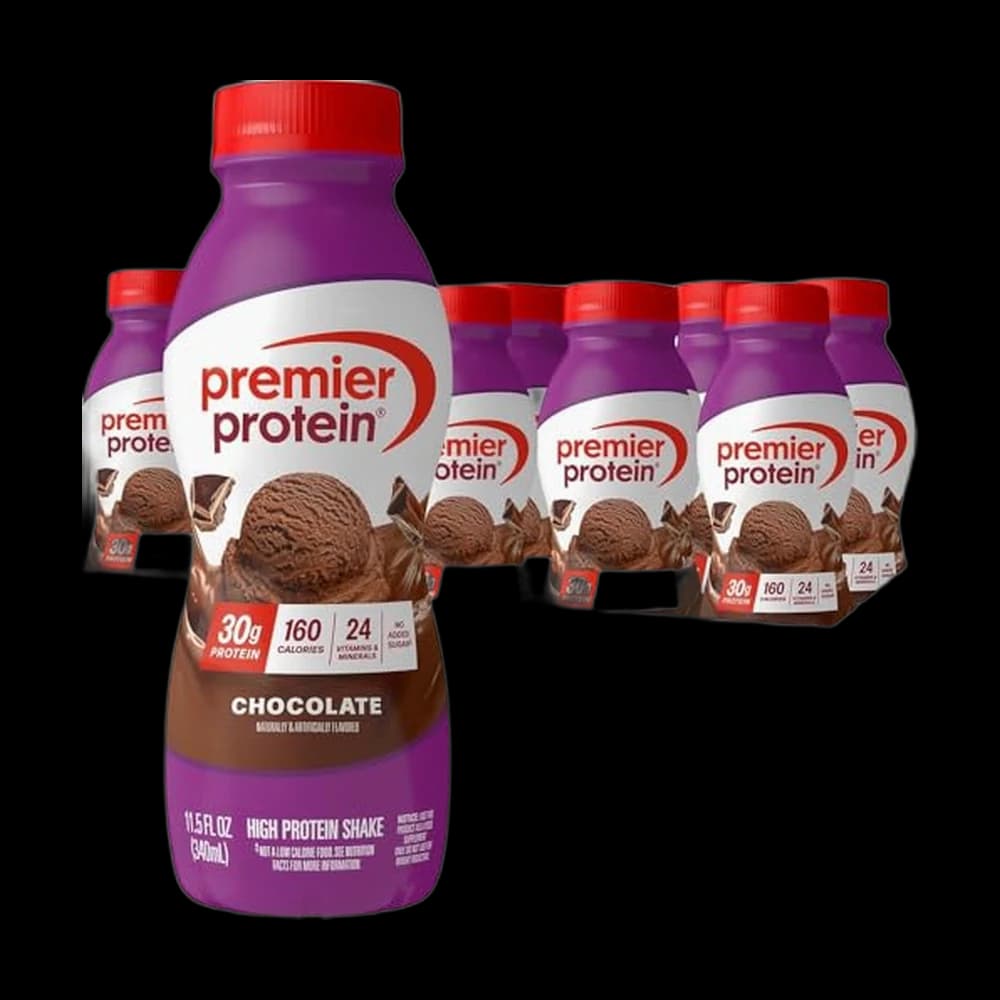
Our pick
Premier Protein 30g High Protein Shake, Chocolate, 12 Pack- The default first case: a lot of protein in a bottle you can finish across a morning.
- Dairy is the thing your stomach is fighting right now.
Six ready-to-drink shakes ranked by protein per 8 fl oz, plus bottle volume, sugar and dairy-free options for days when the kitchen is out.
Key takeaways
- Protein per 8 fl oz is the honest comparison, and no label prints it — we derived it from protein per bottle and bottle size.
- The 42 g bottle wins on density by a smaller margin than you would expect, at about 24.0 g per 8 oz against about 21.8 g for a 30 g bottle in 11 oz.
- Decide your volume ceiling first, then pick the bottle with the most protein inside it.
- Shelf-stable beats refrigerated for most people — the bottle in the drawer or the suitcase is the one that gets drunk.
- For some people premixed shakes never work, and moving to small portions of cooked whole-food protein is a legitimate answer.
Pick by your situation
| If your situation is… | Pick | Why |
|---|---|---|
| You can finish a whole bottle and want maximum protein | Core Power Elite | 42 g in 14 fl oz, the densest per ounce here at about 24.0 g per 8 oz. |
| Your ceiling is around eight ounces | Ensure Max Protein | 30 g in an 11 oz bottle, so about 21.8 g lands in the first eight ounces. |
| You want the cheapest reliable case to start with | Premier Protein | 30 g a bottle with no added sugar, stocked nearly everywhere, and the usual first purchase. |
| Dairy is the problem, not just lactose | OWYN Pro Elite | 32 g of plant protein, top-9 allergen friendly, and 0 g sugar on the label. |
| 30 g at once is too much right now | Atkins Milk Chocolate | 15 g in 11 oz and 1 g of sugar, thin enough to sip across an hour without feeling like a meal. |
| A bottle is standing in for a meal you could not face | Orgain Vegan | 240 calories and added vitamins alongside 16 g of protein, which is the point of it. |
Each pick is one of the products compared below — a shortcut by situation, not a separate recommendation.
Ready-to-Drink Protein Shakes: our picks
| Pick | Best for | Rating | Price | Cost per 20 g protein | LeanScore | Buy |
|---|---|---|---|---|---|---|
| №1Premier Protein 30g High Protein Shake, Chocolate, 12 Pack | The volume-to-protein workhorse most people start with. | ★ 4.6 | $25.07 | $1.39 / 20 g | 79 | Buy on Amazon |
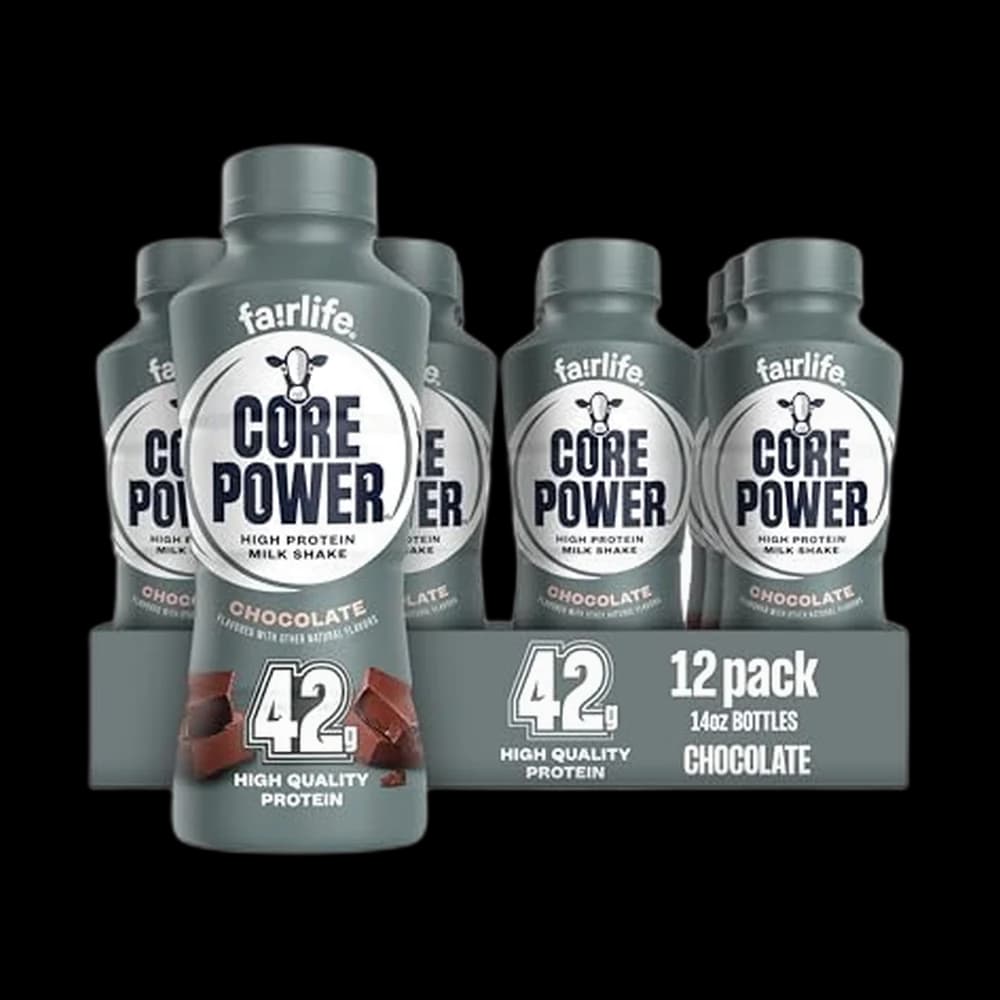 Core Power Elite High Protein Shake, Chocolate, 42g Bottle, 14oz,… Core Power Elite High Protein Shake, Chocolate, 42g Bottle, 14oz,… | The most protein per bottle in a normal grocery aisle. | ★ 4.6 | $47.98 | $1.90 / 20 g | 75 | Buy on Amazon |
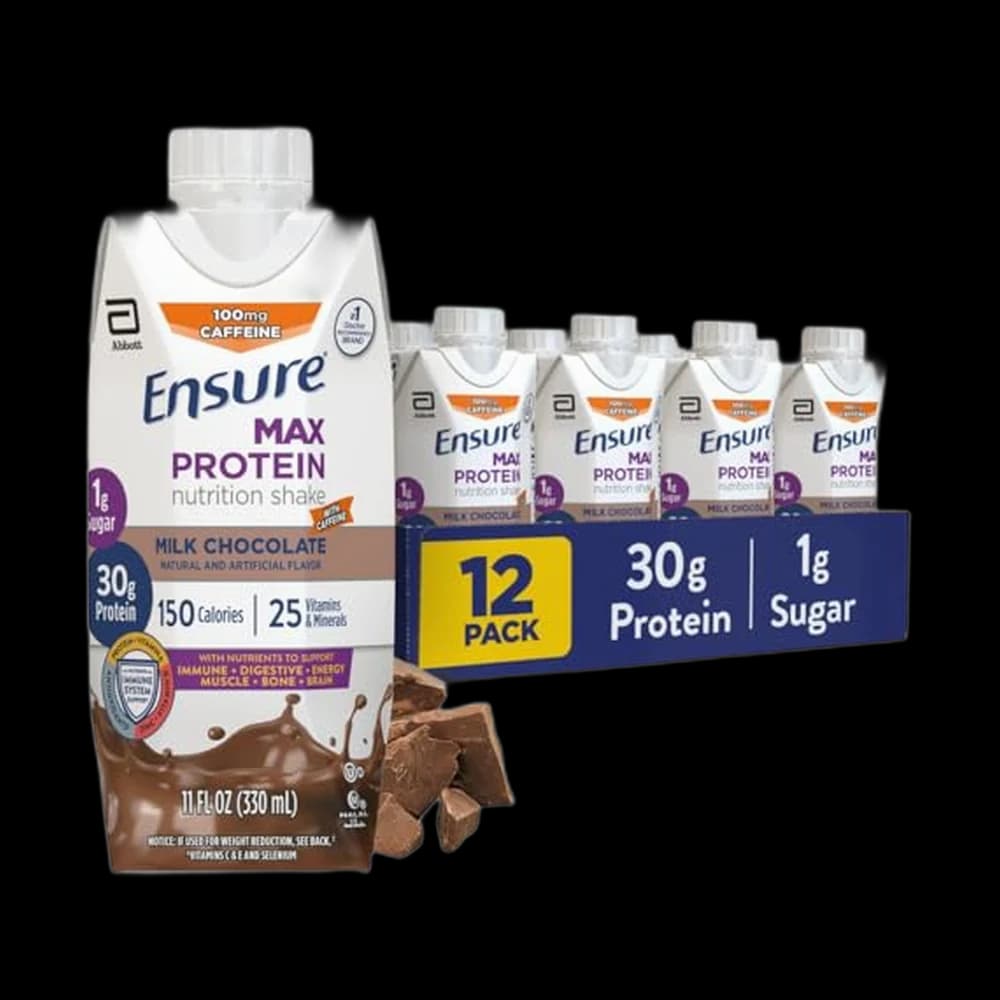 Ensure Max Protein Milk Chocolate Shake, 30g High Protein, 12 Pack Ensure Max Protein Milk Chocolate Shake, 30g High Protein, 12 Pack | Drugstore-available and thin enough to sip slowly. | ★ 4.6 | $27.97 | $1.55 / 20 g | 83 | Buy on Amazon |
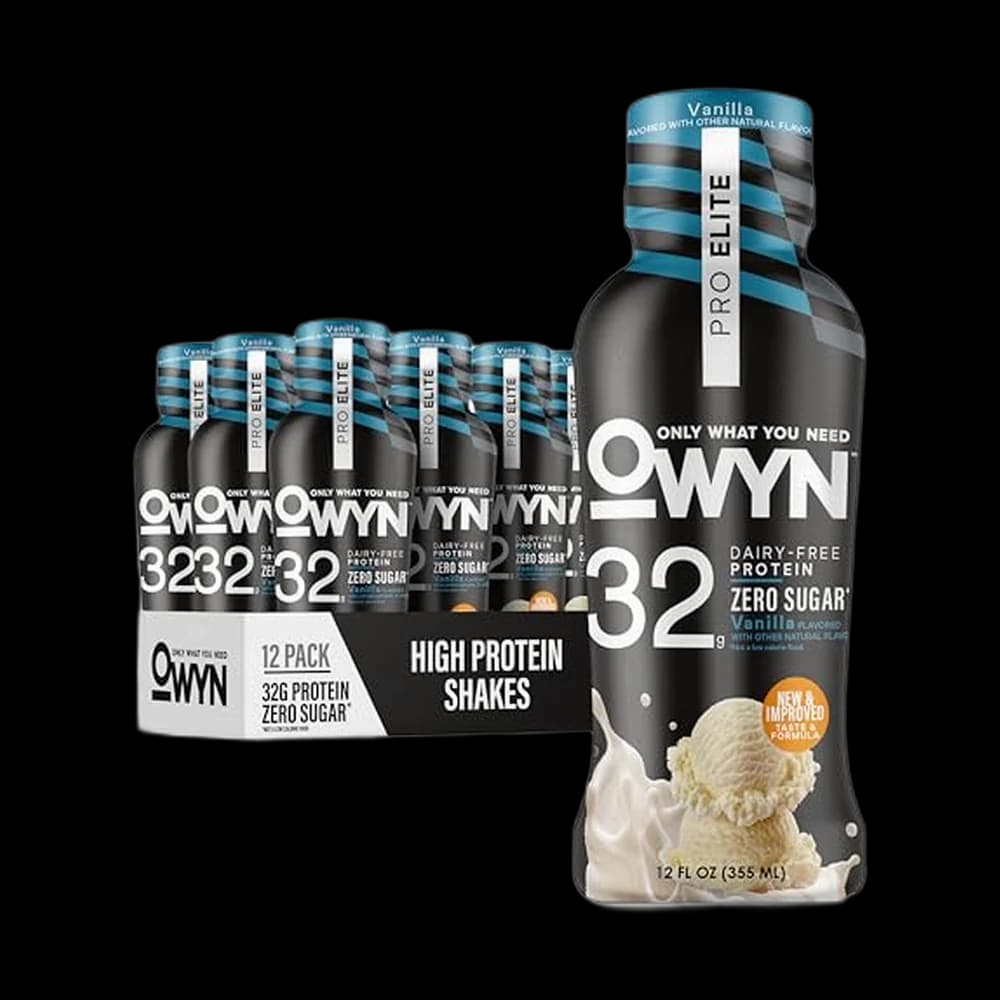 OWYN Only What You Need 32g Pro Elite Vanilla Flavored Protein… OWYN Only What You Need 32g Pro Elite Vanilla Flavored Protein… | Allergen-friendly plant shake with added fiber. | ★ 4 | $49.99 | $2.60 / 20 g | 62 | Buy on Amazon |
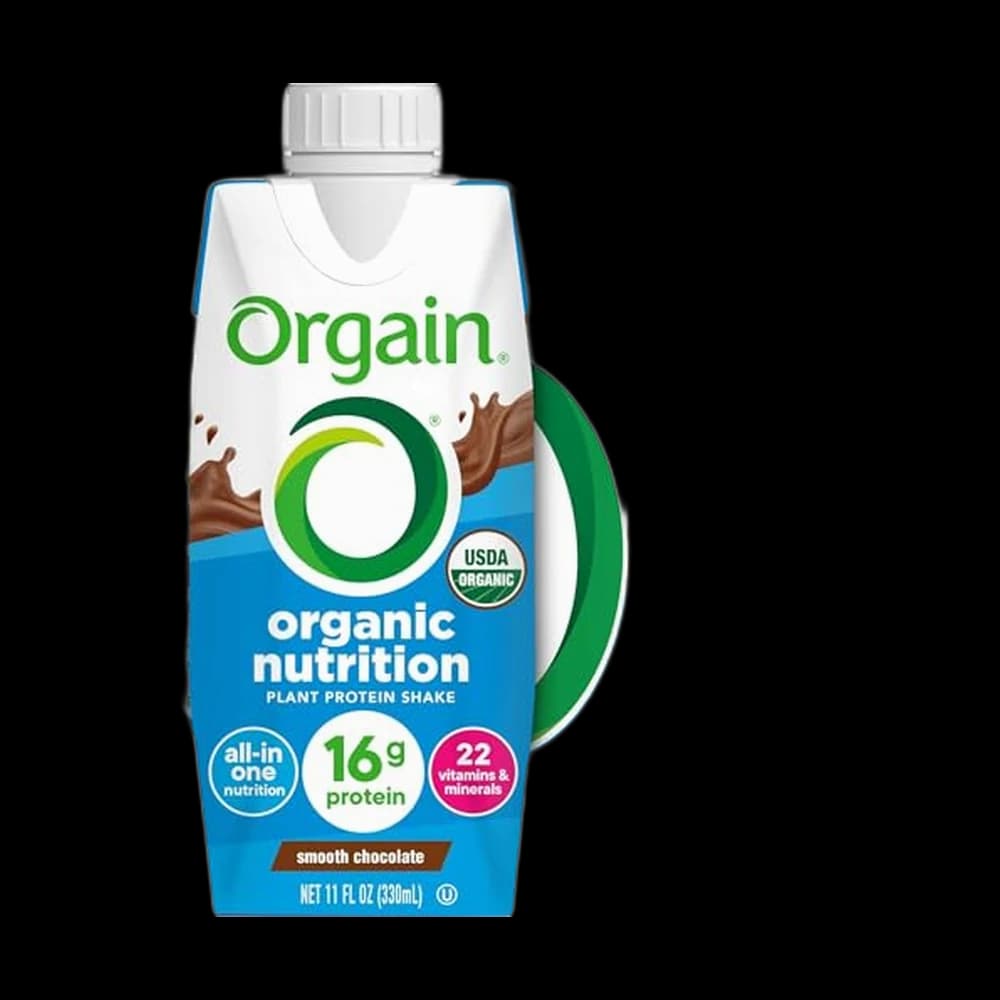 Orgain Organic Nutritional Vegan 16g Protein Shake, Chocolate, 11… Orgain Organic Nutritional Vegan 16g Protein Shake, Chocolate, 11… | The dairy-free bottle for people whose gut has opinions. | ★ 4.4 | $32.99 | $3.44 / 20 g | 72 | Buy on Amazon |
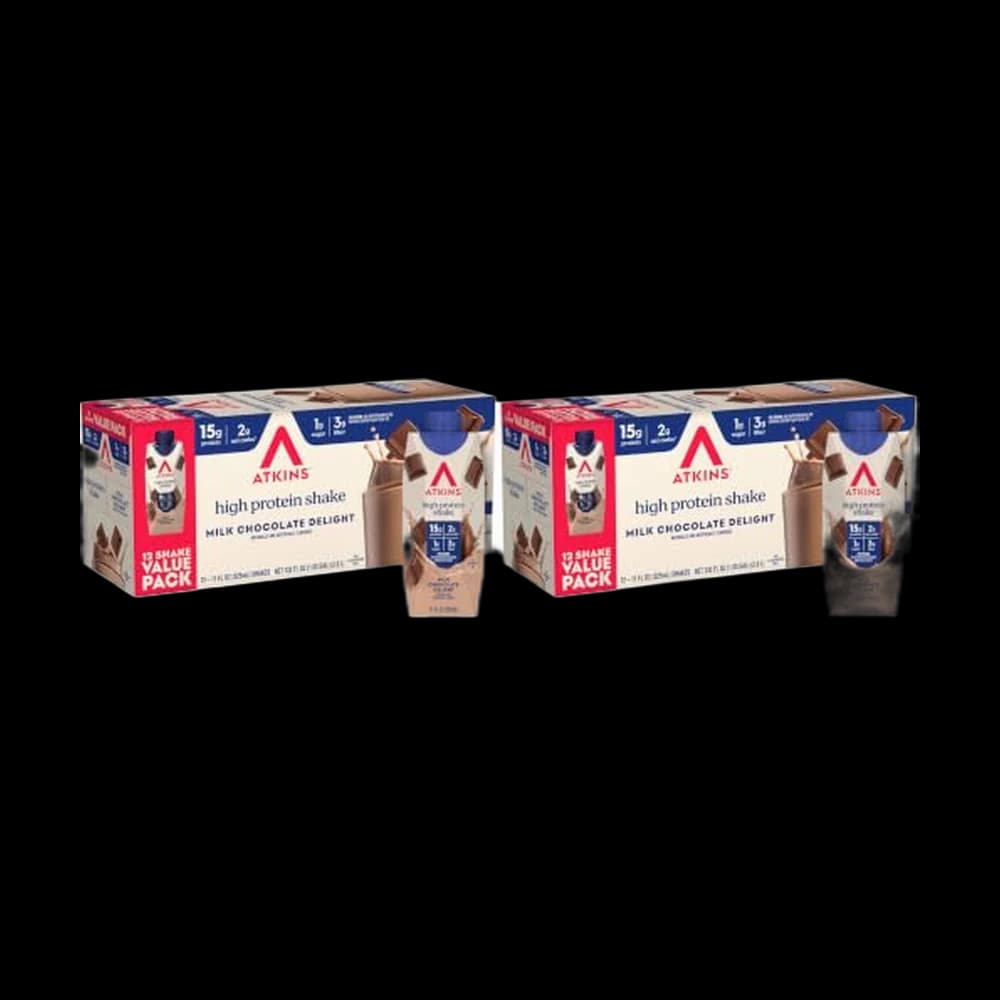 Atkins Milk Chocolate Delight Protein Shake, 15g Protein, Low… Atkins Milk Chocolate Delight Protein Shake, 15g Protein, Low… | Low-sugar, widely stocked, and thin enough to sip over an hour. | ★ 4.9 | $41.94 | $2.33 / 20 g | 82 | Buy on Amazon |
A ready-to-drink shake is the format you buy for the day you cannot face the kitchen. No scoop, no blender, no washing up, no decision. In every sub the same suggestion turns up for the day after an injection: keep a bottle in the fridge and sip it slowly.
The catch is that a bottle arrives at a size somebody else chose. So the useful question is not how much protein is in it, but how much protein is in the part of it you will finish.
Protein per 8 oz, which is not the number on the front
We derived the fourth column below ourselves from the two figures on the label — protein per bottle and bottle size — because it is the comparison the packaging never makes. Everything else is read straight off our catalogue's spec sheet.
| Shake | Protein | Bottle size | Protein per 8 fl oz | Base | Notes on the label |
|---|---|---|---|---|---|
| Premier Protein | 30 g | 11.5 fl oz | About 20.9 g | Milk protein | No added sugar |
| Core Power Elite | 42 g | 14 fl oz | About 24.0 g | Ultra-filtered milk, lactose free | — |
| Ensure Max Protein | 30 g | 11 fl oz | About 21.8 g | Milk protein | 1 g sugar |
| OWYN Pro Elite | 32 g | 12 fl oz | About 21.3 g | Plant protein, top-9 allergen friendly | 0 g sugar |
| Orgain Vegan | 16 g | 11 fl oz | About 11.6 g | Organic pea and chia | 240 calories |
| Atkins Milk Chocolate | 15 g | 11 fl oz | About 10.9 g | Milk protein | 1 g sugar |
Two things jump out of that column.
First, the 42 g bottle is the densest per ounce, but only just — Core Power Elite at about 24.0 g per 8 oz sits only two or three grams ahead of the 30 g bottles, while asking you to drink two and a half more ounces. If your ceiling is a full bottle, it wins. If your ceiling is eight ounces, the gap almost closes.
Second, the two lowest-protein bottles are not bad products, they are different products. Atkins at 15 g is a low-sugar sip for when 30 g at once is too much. Orgain at 16 g carries 240 calories and a vitamin load, which is the point of it. Neither is a way to hit a protein target in one bottle, and both say so on the label if you read past the front. Our Atkins vs Premier Protein comparison puts the 15 g and 30 g bottles side by side.
Rule of thumb: decide your volume ceiling first, then pick the bottle with the most protein inside it. Doing it the other way round is how half-finished bottles pile up in the fridge door.
Why bottle size is not standardized
FDA sets serving sizes by what people typically consume, not by what anyone should consume, and states plainly that a serving size is not a recommendation. For a single-serve bottle the serving is the bottle — so two shakes both advertising 30 g can differ by several fluid ounces, and nothing on either label is wrong. The number you need is simply not printed.
This is the same arithmetic our protein-per-dollar calculator runs for powders, and it works on bottles too: protein divided by ounces you will finish.
Shelf-stable or refrigerated
Almost everything in this category is aseptically packaged and shelf-stable until opened, which is why it ships in twelve-packs and lives in a cupboard. Refrigerated shakes exist and have their partisans on texture grounds, but they tie you to the fridge and to a shorter window.
For most people on a GLP-1 the shelf-stable case is the right call for one unglamorous reason: it can live in a desk drawer, a car, a hotel room and a suitcase. The bottle you have with you beats the nicer bottle at home.
Practical notes people report:
- Chilling improves almost every one of these; a bottle at room temperature is a harder sell
- A bottle can be split across two sittings — many people describe doing exactly that
- Combining a shake with cold brew, high-protein milk or a scoop of powder raises protein without raising volume much, and blunts an aftertaste
- Straw or no straw genuinely changes how fast a bottle goes down for some people
Sugar, fat and the additive question
Most of the shakes worth buying land at 0 to 1 g of sugar, which the table reflects. The calorie number is where they differ more meaningfully — Orgain's 240 per bottle is the highest here, and that is a feature if a shake is standing in for a meal you could not face, and a problem if it is riding alongside food you did manage.
One recurring community theme deserves an honest handling. In r/Zepbound and r/GLP1, people who react badly to a popular shake often point at carrageenan on the ingredient list and switch to a brand without it. That is an owner-reported pattern, not a demonstrated cause, and we are not going to dress it up as one. If a specific bottle consistently makes you feel worse, changing brands is a cheap experiment; persistent symptoms are a conversation with your prescriber.
There is also a group in r/WegovyWeightLoss for whom premixed shakes simply do not work at all. The advice that group gives each other is not to try another brand but to move to cooked whole-food protein in very small portions. That is a legitimate answer, and this category is not a requirement.
Dairy, lactose and plant
Core Power Elite is ultra-filtered and lactose free, which is the reason to reach for it over a standard milk-protein bottle if lactose is your issue rather than dairy in general.
If dairy itself is the problem, the plant bottles are OWYN Pro Elite (32 g, top-9 allergen friendly, 0 g sugar) and Orgain Vegan (16 g, organic pea and chia). OWYN is the one to pick if protein is the objective; Orgain if you want the vitamins and calories along with it. The OWYN vs Orgain comparison goes through the two plant labels line by line.
Where a shake fits in the day
Most people land on it as the morning answer, because morning is repeatedly described as the hardest window across r/Ozempic, r/GLP1 and r/Zepbound. A bottle asks nothing of you at 7 a.m. that a plate does.
The second common slot is the evening backstop: the day is ending, the target your clinician set is not met, and a bottle closes the gap without a meal you have no appetite for.
What a shake is not is a permanent replacement for chewing. Structured meal patterns and whole-food protein are what the nutrition literature keeps pointing back to, with ready-to-drink products as the tool for the days that do not cooperate. Keep a case, use it when you need it, and pair whatever you drink with the that makes the protein worth eating.
Your next step
For days when a whole bottle is too much, a portioned protein snack may be easier to finish.
Frequently asked
The questions that keep coming up
Which ready-to-drink shake has the most protein per ounce?
Core Power Elite, at 42 grams in a 14 fluid ounce bottle, works out to about 24.0 grams per 8 fluid ounces. Ensure Max Protein is next at about 21.8 grams, with 30 grams in an 11 ounce bottle.
Are shelf-stable protein shakes as good as refrigerated ones?
Nutritionally they are the same category. Shelf-stable bottles win on logistics because they survive a desk drawer, a car and a suitcase, which is usually what decides whether one actually gets drunk.
Can I split one bottle across two sittings?
Many people describe doing exactly that, and it is often the difference between finishing a bottle and abandoning it. Refrigerate it after opening and finish it the same day.
What if every premixed shake makes me feel worse?
That is a real and recurring pattern, and the usual next step people take is small portions of cooked whole-food protein rather than another brand. If symptoms are severe or persistent, that is a call to your prescriber, not a shopping decision.
Which shakes are dairy-free?
OWYN Pro Elite is a top-9 allergen friendly plant shake at 32 grams, and Orgain Vegan is an organic pea and chia bottle at 16 grams. Core Power Elite is lactose free but still dairy, which helps with lactose specifically.
Sources & further reading
We research from primary and authoritative sources. Where our guidance rests on a fact, here's where it comes from.
- FDA — Serving Size on the Nutrition Facts Label — Source for serving sizes reflecting amounts typically consumed, and for a serving size not being a recommendation of how much to drink.
- FDA — Interactive Nutrition Facts Label: Protein (October 2021) — Source for protein being reported in grams per serving on the Nutrition Facts label and generally carrying no percent Daily Value.
- NIDDK — Eating, Diet, and Nutrition for Gastroparesis — Dietary guidance for delayed stomach emptying, including liquid nutrition meals and five or six small meals a day rather than two or three large ones.
- Nutrition-First Support for GLP-1 and Dual Incretin Therapy in Obesity (Nutrients, 2026) — Narrative review placing structured meal patterns and protein prioritization at the centre of nutrition support during incretin therapy.
LeanFed is not medical advice and is not a substitute for your prescriber, pharmacist or dietitian. We do not test products hands-on — we compare labels, specifications and owner reviews. Prices and LeanScores reflect our most recent research and refresh on a cycle; confirm the current price and read the product's own label before buying. We may earn a commission from affiliate retailers — it never changes our recommendations. See how we score.