Protein PowdersDeep dive6 min
Best Protein Powders for a Small Appetite (2026)
TL;DR
LeanFed may earn a commission from links on this page; it never changes a ranking. Full disclosure.
Call your prescriber todayBefore any product on this page
Before the picks: Some symptoms are never a shopping problem. Severe or persistent abdominal pain, vomiting that stops you keeping fluids down, signs of dehydration, allergic symptoms, vision changes, or pain that wraps around to your back all mean stop reading and call your prescriber or seek urgent care. Nothing below is medical advice, and nothing below is a substitute for the plan your clinician gave you.
The short answer
Our pick
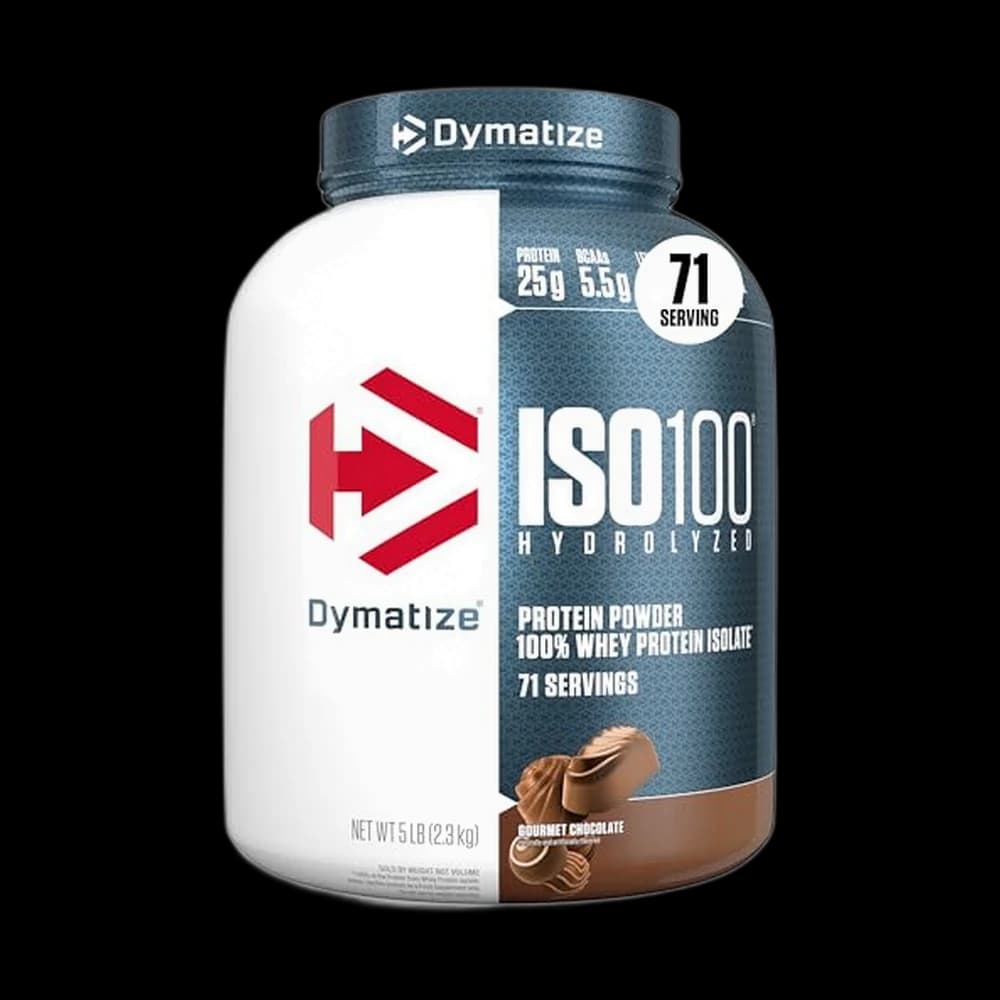
Dymatize ISO100 Protein Powder, 100% Whey Isolate, Gourmet Chocolate- People whose gut reacts to most whey — the lactose is filtered out and the protein is pre-broken-down.
- You are price-sensitive; this is one of the most expensive tubs per gram.
Six protein powders compared on protein per scoop, protein per 100 calories and third-party certification, for when volume is the constraint.
Key takeaways
- Powder is the only protein format where you set the volume — the same scoop can go into six ounces or sixteen.
- Protein per fluid ounce is the metric, and it lives on the tub's mixing instruction: a 25 g scoop is about 4.2 g per ounce in 6 oz and about 2.1 g in 12 oz.
- Clear whey is the texture escape hatch, at 20 g per scoop against 25 g for a standard isolate.
- A certification mark is the only verification a tub carries that the brand did not write itself — FDA does not approve supplements before they are marketed.
- Buy small first. Taste preferences shift after starting, and the unfinished five-pound tub is this category's most common regret.
Pick by your situation
| If your situation is… | Pick | Why |
|---|---|---|
| Whey has been rough on your stomach | Dymatize ISO100 hydrolysed isolate | Filtered lowest in lactose and pre-broken-down, at 25 g per scoop and under 120 calories. |
| You want a certification you can look up | Ascent 100% Whey or NAKED Whey | Informed Choice and NSF respectively are the only third-party marks on our spec sheet for this category. |
| Sweet flavours have stopped working | NAKED Whey, unflavoured | One ingredient and no sweetener, so it disappears into oatmeal, soup or coffee instead of turning them into dessert. |
| Anything creamy feels too heavy | Isopure Clear Whey | Mixes thin and juice-like, accepting 20 g a serving instead of 25 g. |
| You are dairy-free | Orgain Organic Vegan | A pea, brown rice and chia blend covers the amino acid gaps a single plant source leaves, with fiber attached. |
| You want the cheapest gram of protein | Optimum Nutrition Gold Standard | 24 g a scoop, stocked everywhere, and the lowest cost per gram of the whey options here. |
Each pick is one of the products compared below — a shortcut by situation, not a separate recommendation.
Protein Powders: our picks
| Pick | Best for | Rating | Price | Cost per 20 g protein | LeanScore | Buy |
|---|---|---|---|---|---|---|
| №1Dymatize ISO100 Protein Powder, 100% Whey Isolate, Gourmet Chocolate | Hydrolyzed isolate with almost no lactose left in it. | ★ 4.7 | $168.99 | — | 79 | Buy on Amazon |
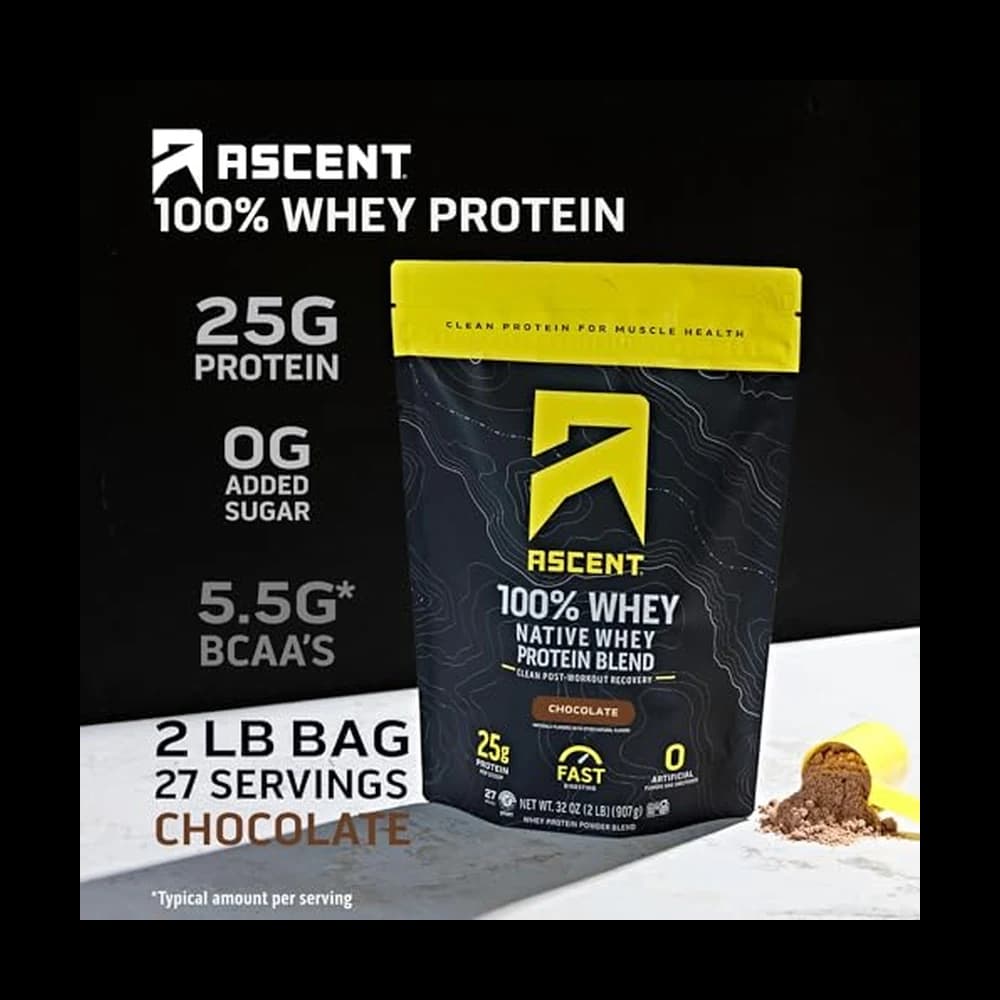 Ascent 100% Whey Protein Powder Ascent 100% Whey Protein Powder | Informed-Sport tested whey with a short ingredient list. | ★ 4.6 | — | — | 83 | Check price → |
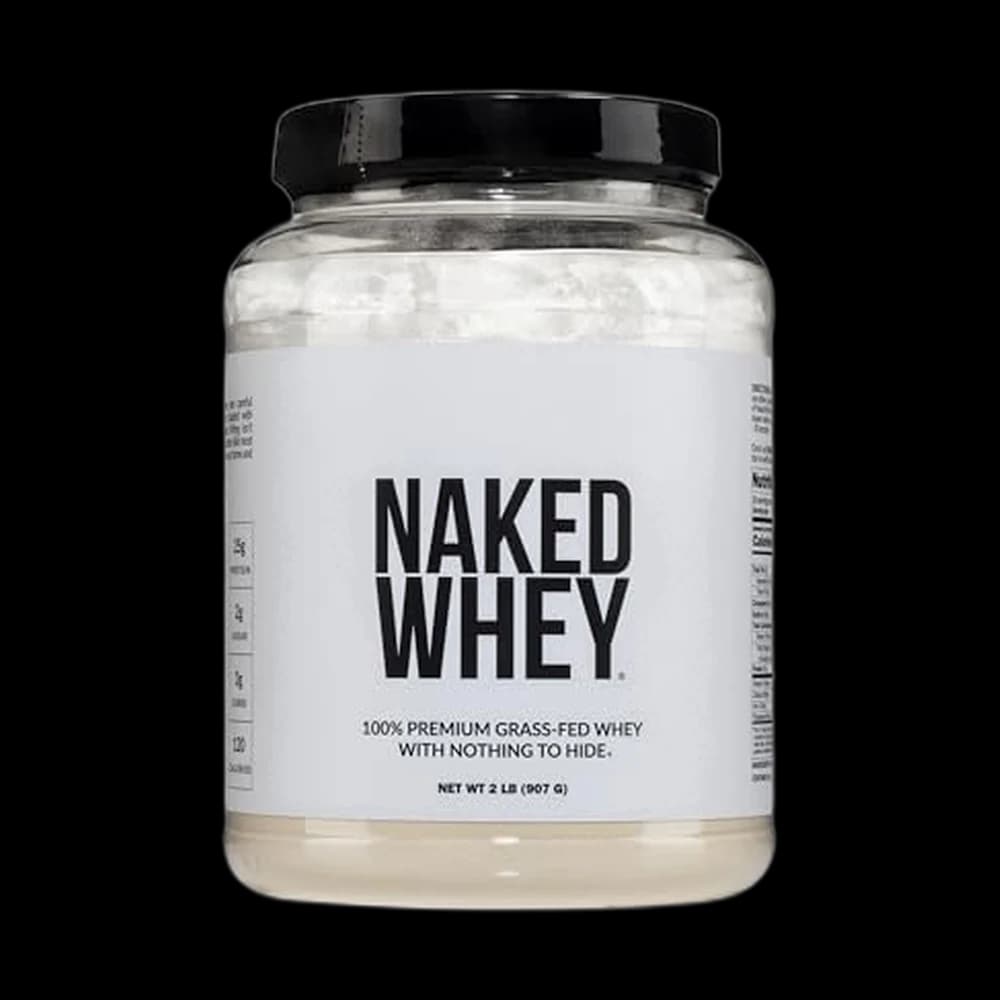 NAKED Whey 2LB 100% Grass Fed Whey Protein Powder NAKED Whey 2LB 100% Grass Fed Whey Protein Powder | One ingredient, no sweetener, so it disappears into food. | ★ 4.3 | $62.99 | $1.68 / 20 g | 74 | Buy on Amazon |
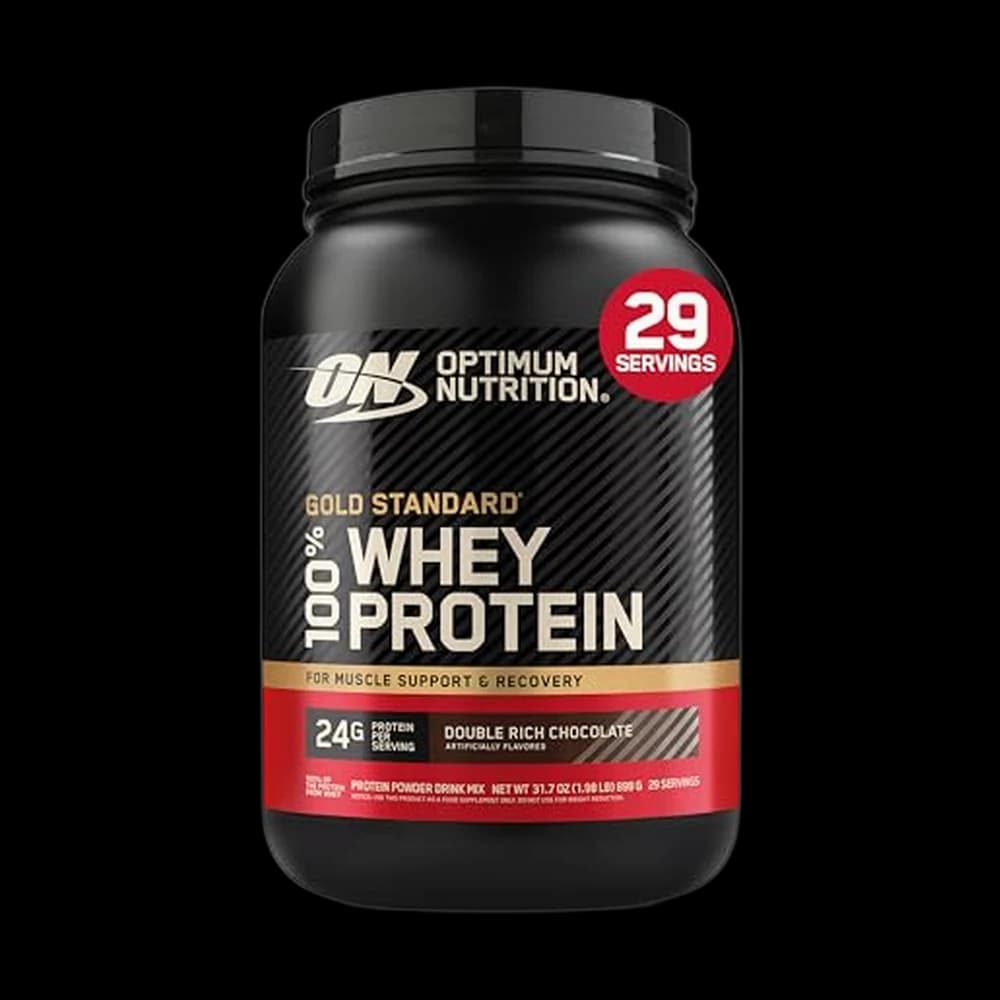 Optimum Nutrition Gold Standard Whey Protein, Double Rich… Optimum Nutrition Gold Standard Whey Protein, Double Rich… | The default tub: 24 g a scoop, everywhere, and cheap per gram. | ★ 4.6 | $54.25 | $1.56 / 20 g | 83 | Buy on Amazon |
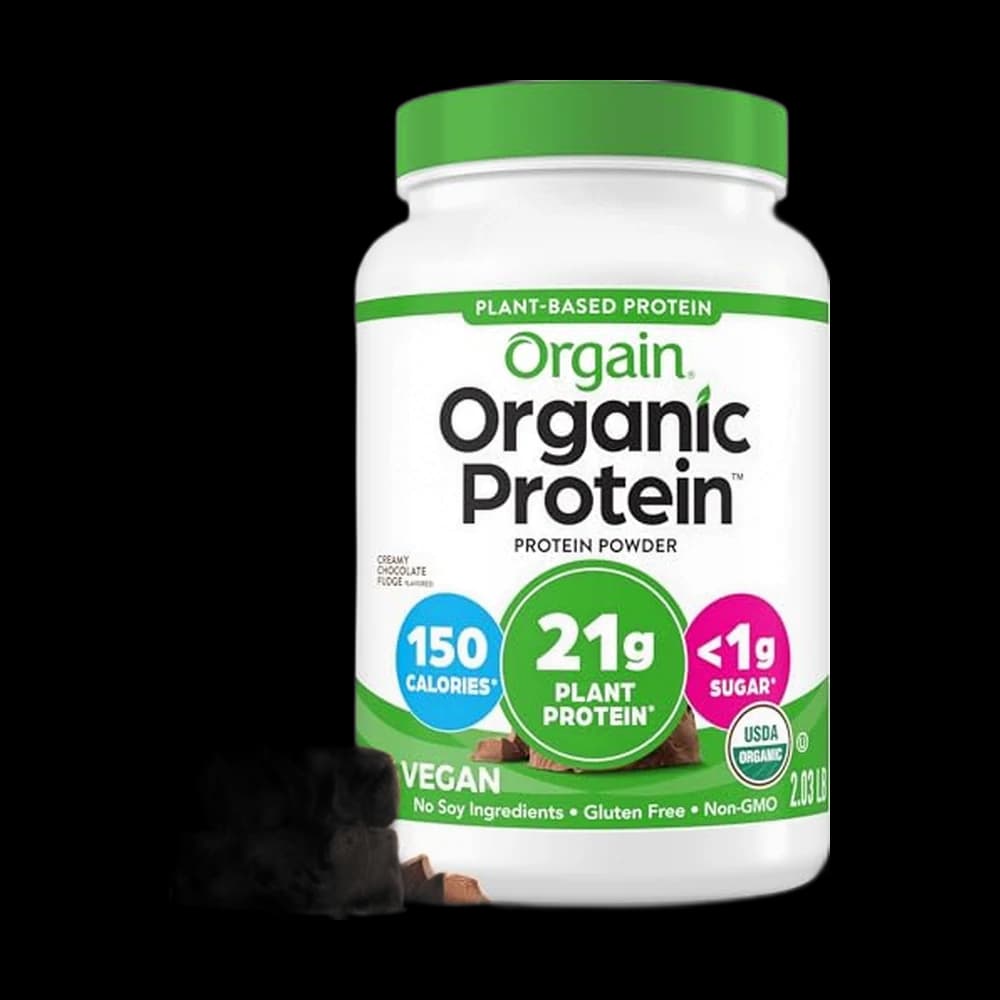 Orgain Organic Vegan Protein Powder, Creamy Chocolate Fudge Orgain Organic Vegan Protein Powder, Creamy Chocolate Fudge | The plant option most people can actually drink daily. | ★ 4.5 | $29.59 | $1.41 / 20 g | 81 | Buy on Amazon |
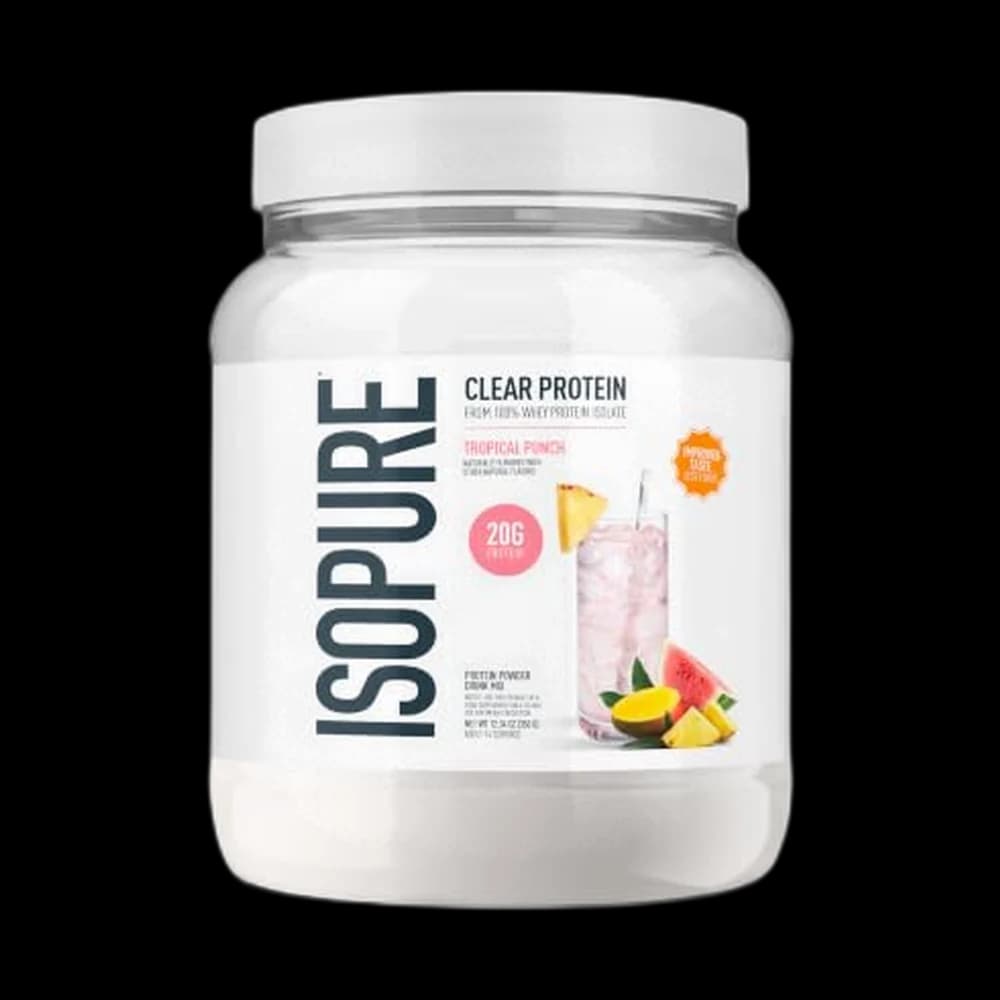 Isopure Clear Whey Isolate Protein Powder, Tropical Punch 12.3 OZ Isopure Clear Whey Isolate Protein Powder, Tropical Punch 12.3 OZ | Juice-like and clear, for days when anything creamy feels heavy. | ★ 4.1 | $34.97 | $2.19 / 20 g | 65 | Buy on Amazon |
A tub of protein powder is the only protein product where you set the volume. If texture is the barrier, a mini blender can make that adjustable serving smoother without changing what the label says. That is the entire reason it belongs at the top of a small-appetite pantry: a bottle arrives at whatever size the manufacturer chose, but a scoop can go into six ounces or sixteen, and you decide which on the morning.
So the ranking below is not "best protein powder". It is best powder for the specific problem of getting a real amount of protein into a small amount of liquid.
The comparison
Every figure here is read off our catalogue's spec sheet, which is built from label and listing data — not from our own measurements, because we do not measure anything. Where a cell is blank, the spec sheet does not carry the number and we are not going to guess it.
| Powder | Protein per scoop | Calories per serving | Protein per 100 kcal | Type | Third-party certification on file |
|---|---|---|---|---|---|
| Dymatize ISO100 | 25 g | Under 120 | About 21 g or better | Hydrolysed whey isolate | — |
| Ascent 100% Whey | 25 g | — | — | Native whey isolate blend | Informed Choice Certified |
| NAKED Whey | 25 g | 120 | About 21 g | Grass-fed whey concentrate | NSF Certified |
| Optimum Nutrition Gold Standard | 24 g | — | — | Whey blend, isolate first | — |
| Orgain Organic Vegan | 21 g | 150 (2 scoops) | About 14 g | Organic pea, brown rice and chia | — |
| Isopure Clear Whey | 20 g | — | — | Clear whey isolate | — |
Rule of thumb: protein per scoop tells you how many scoops you need. Protein per 100 calories tells you how much of the rest of the tub you are drinking to get there.
The number the label will not print for you
Here is the one piece of arithmetic worth doing before you buy anything.
A 25 g scoop mixed into 12 oz of water is about 2.1 g of . The same scoop in 6 oz is about 4.2 g per ounce. Same tub, same cost, double the density — and on a day when eight ounces is your ceiling, that difference is the whole ballgame.
We cannot print the tub's own per-ounce figure, because the mixing instruction lives on the tub in front of you, differs by product and flavour, and is not on our spec sheet. What we can print honestly is the same arithmetic at three volumes you choose:
Protein per fluid ounce once mixed, at the volume you choose
| Powder | Protein per serving | In 6 fl oz | In 8 fl oz | In 12 fl oz |
|---|---|---|---|---|
| Ascent 100% Whey | 25 g | 4.2 g | 3.1 g | 2.1 g |
| Dymatize ISO100 | 25 g | 4.2 g | 3.1 g | 2.1 g |
| NAKED Whey | 25 g | 4.2 g | 3.1 g | 2.1 g |
| Optimum Nutrition Gold Standard | 24 g | 4.0 g | 3.0 g | 2.0 g |
| Orgain Organic Vegan | 21 g (2 scoops) | 3.5 g | 2.6 g | 1.8 g |
| Isopure Clear Whey | 20 g | 3.3 g | 2.5 g | 1.7 g |
Basis: protein per serving from our spec sheet (label and listing data, read 27 September 2026) ÷ fluid ounces of liquid you mix it into, rounded to one decimal. The powder adds a little volume of its own, so the finished drink is slightly less dense than shown. The tub's own mixing instruction is not on our spec sheet, so this table does not assume one.
To run it on the tub in your cupboard: take the protein per scoop, divide by the ounces you will actually finish, and compare that number across tubs. Our protein-per-dollar tool does it, and also gives you cost per 20 g of protein, which reorders the shelf more than people expect.
Two things follow from the arithmetic:
- Clear whey isolates mix thin by design. They are pleasant when creamy has become unbearable, but they land lower on protein per ounce than a standard isolate mixed tight.
- Meal-replacement style powders lose on this metric even when the protein number looks fine, because the calories arrive as fat and carbohydrate you did not ask for.
Isolate, concentrate, clear, plant
Whey isolate is filtered further than concentrate, which strips more of the lactose out. Hydrolysed isolate goes a step further and pre-breaks the protein down. Those processing terms do not establish that a product will suit your symptoms or dietary restrictions. Dymatize ISO100 is a whey option in this table; check the actual label and discuss persistent symptoms with your clinician before changing products to address them.
Whey concentrate is cheaper and mixes creamier. NAKED Whey is the interesting case here: one ingredient, no sweetener, which sounds austere until you realise it means the powder disappears into oatmeal, soup or coffee without turning them into dessert. That is the single most-repeated tip across r/Zepbound, r/Mounjaro and r/GLP1 — keep one unflavoured tub for the days when nothing sweet will go down.
Clear whey is the texture escape hatch. It mixes like a juice rather than a milkshake. The trade-off people report just as consistently is a lower protein load per serving, which the table confirms: 20 g against 25 g.
Plant powders differ in ingredients, serving size and protein content. Orgain is the plant option in this table; compare its label, allergens and the portion you will actually use. This table does not establish that a blend is necessary or that one protein source is suitable for every reader.
What third-party certification is actually for
This is the part of the category that surprises people. FDA does not have the authority to approve dietary supplements before they are marketed, and the agency generally does not approve supplement claims or labeling before use. Oversight is largely post-market. A firm is responsible for making sure its own product is not adulterated or misbranded.
Which means the certification mark is not decoration. NSF and Informed Choice are voluntary programmes a manufacturer opts into and pays for, and their scope depends on the specific program. A certification is not proof that a powder is right for your symptoms or medical needs. Two products on our spec sheet record one: NAKED Whey (NSF Certified) and Ascent (Informed Choice Certified). For the others our sheet carries no certification field — which is not the same as "uncertified", and is exactly the thing to check on the tub before you buy.
Buying advice that survives contact with a dose step
The most expensive mistake in this category is not picking the wrong tub. It is picking the right tub in a five-pound size before you know whether you will still tolerate the flavour in three weeks. Taste preferences shift after starting these medications, and the regret post about a giant unfinished tub of one flavour is a fixture in every one of these subs.
What people recommend to each other:
- Buy single-serve packets or the smallest size first, then commit
- Keep two powders: one flavoured for shakes, one unflavoured for stirring into food
- Mix thicker into less liquid when density is the goal; stretch it across a bottle when sipping all day is the goal
- Check the certification mark on the tub rather than trusting a marketplace listing
What people warn against:
- A case of one flavour bought on day one
- Counting collagen powder toward the protein target
- Assuming the biggest protein number is the best fit — it usually arrives in more liquid
The short answer
If dairy is fine and you want the cheapest gram, Optimum Nutrition is the default for good reason. If whey does not suit you, discuss your options with your clinician or dietitian rather than using this ranking to solve symptoms. If you want a certification you can look up, Ascent or NAKED. If sweetness has stopped working, buy the unflavoured tub — it is the one people keep coming back to.
Whichever you choose, hit the target your clinician set, pair it with , and let the medication do its job.
For the serving-size arithmetic, use our protein-label worksheet to compare the amount you actually finish.
Your next step
Prefer a ready-to-drink bottle, or blend a smaller serving around the volume you can finish.
Frequently asked
The questions that keep coming up
Which protein powder has the most protein per scoop?
Three tie on our spec sheet at 25 grams per scoop: Dymatize ISO100, Ascent 100% Whey and NAKED Whey. What separates them is lactose load, sweetening and certification rather than the protein figure.
What does protein per fluid ounce mean and why does it matter?
It is the protein in a scoop divided by the ounces of liquid you actually finish. A 25 gram scoop is about 4.2 grams per ounce in 6 ounces of water and about 2.1 grams per ounce in 12. When volume is your ceiling, the denser mix is the one that reaches you.
Is whey isolate better than concentrate if dairy bothers me?
Isolate and concentrate are processing descriptions, not proof that a powder will suit you. Check the actual ingredients and allergen label. If dairy causes symptoms or you have a diagnosed allergy or restriction, ask your clinician or dietitian which products fit your needs rather than treating a change of whey type as the answer.
Do plant protein powders work as well?
Plant powders differ in their ingredients, protein per serving, allergens and texture. Compare the actual label and the portion you can finish. This guide does not establish that a blend is necessary, or that one source is best for every reader; ask your clinician or dietitian about your dietary needs.
What does NSF or Informed Choice certification actually tell me?
A third-party certification refers to a specific voluntary program, whose scope you should check with the certifier. It is different from FDA approval and does not prove that a powder will suit your tolerance or medical needs. Confirm the exact product and current certification rather than relying only on a marketplace description.
Sources & further reading
We research from primary and authoritative sources. Where our guidance rests on a fact, here's where it comes from.
- FDA — Questions and Answers on Dietary Supplements — Source for FDA not having authority to approve dietary supplements before they are marketed, and for oversight being largely post-market.
- FDA — Interactive Nutrition Facts Label: Protein (October 2021) — Source for the complete versus incomplete protein distinction and the 50 g Daily Value based on a 2,000-calorie diet.
- FDA — Serving Size on the Nutrition Facts Label — Source for serving sizes being based on amounts typically consumed rather than recommended.
- Nutrition-First Support for GLP-1 and Dual Incretin Therapy in Obesity (Nutrients, 2026) — Narrative review placing protein prioritization and resistance-training support in a nutrition-first framework for incretin therapy.
LeanFed is not medical advice and is not a substitute for your prescriber, pharmacist or dietitian. We do not test products hands-on — we compare labels, specifications and owner reviews. Prices and LeanScores reflect our most recent research and refresh on a cycle; confirm the current price and read the product's own label before buying. We may earn a commission from affiliate retailers — it never changes our recommendations. See how we score.