Medication Travel CasesDeep dive5 min
Zepbound and Mounjaro Out of the Fridge: 21 Days or 30
TL;DR
LeanFed may earn a commission from links on this page; it never changes a ranking. Full disclosure.
The short answer
Our pick
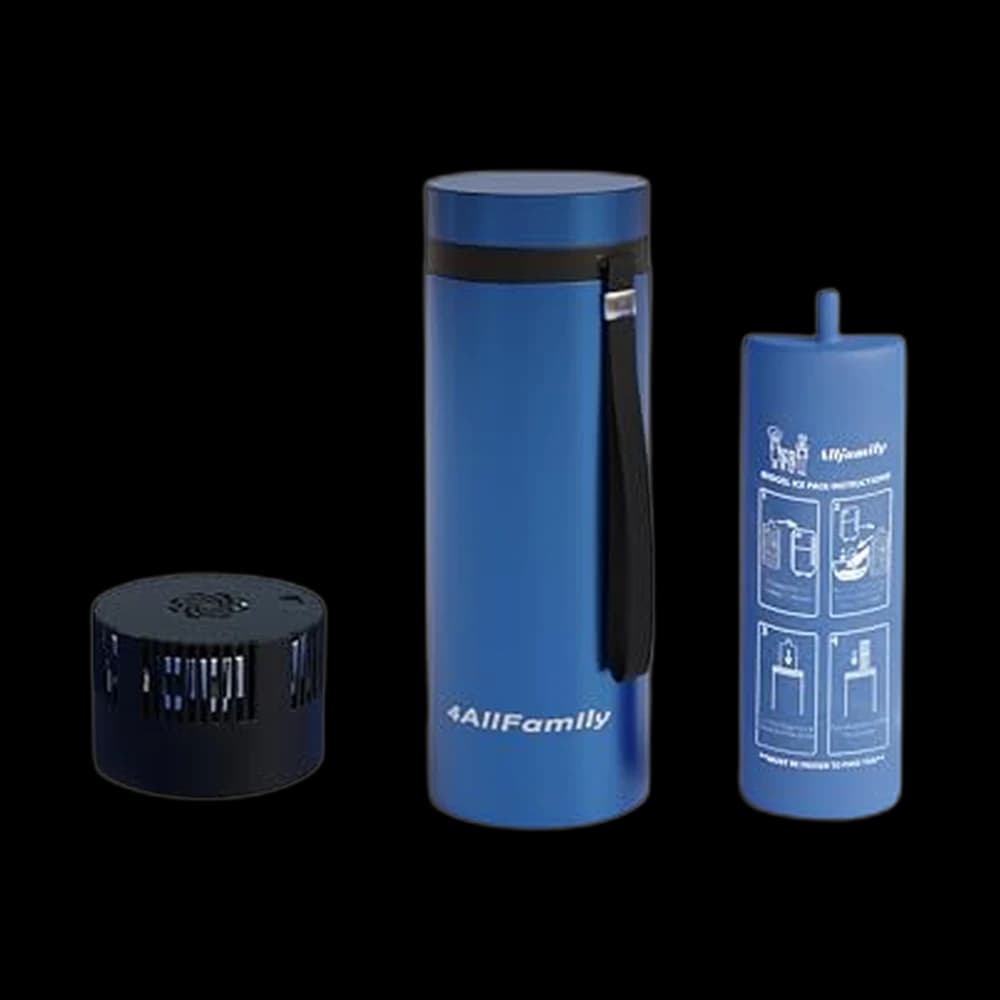
4ALLFAMILY Explorer Insulin Cooler Travel Case 3-In-1- Long trips and places you cannot count on a fridge.
- You only ever travel overnight — this is a lot of case to carry.
Same molecule, two different clocks. A single-dose pen gets 21 days in total; a KwikPen gets 30. Which number is yours, from the current labels.
Key takeaways
- Zepbound and Mounjaro have the same storage rules. Same molecule, same manufacturer, same label wording — the difference that matters is which device you were dispensed.
- A single-dose pen or vial gets a total of 21 days unrefrigerated, not exceeding 30°C (86°F), and is discarded after that even if it was never used.
- Total is the trap word. It is a running count of time out of the fridge, not a fresh allowance each time the pen comes out of it.
- A KwikPen gets 30 days — and three clocks. Once opened it goes after 30 days at room temperature, 30 days after first use, or 4 weekly doses, whichever comes first, even with medicine left in it.
- Do not freeze. Both labels say so plainly, which is why a pen should never sit in direct contact with a frozen gel pack.
Pick by your situation
| If your situation is… | Pick | Why |
|---|---|---|
| A long trip with no reliable refrigeration | 4ALLFAMILY Explorer | USB cooling plus a gel pack, for the journeys a passive case cannot cover. |
| A weekend away with a fridge at the other end | 4ALLFAMILY Nomad | Pocketable passive cooling with nothing to charge. |
| Somewhere with a tap but no freezer | FRIO cooling wallet | Evaporative cooling recharges in water, so it does not depend on finding a freezer. It works less well in very humid air. |
| Everything travels together — wipes, sharps bin, boxes | CURMIO insulated case | An organiser with insulation rather than an active cooler, sized for cartons rather than bare pens. |
| The device stays home and the room is under 30°C | No case at all | The label's room-temperature allowance already covers it. Write the date it left the fridge on the carton instead. |
Each pick is one of the products compared below — a shortcut by situation, not a separate recommendation.
Medication Travel Cases: our picks
| Pick | Best for | Rating | Price | LeanScore | Buy |
|---|---|---|---|---|---|
| №14ALLFAMILY Explorer Insulin Cooler Travel Case 3-In-1 | USB-powered cooling plus a gel pack for long trips. | ★ 4.5 | $139.99 | 73 | Buy on Amazon |
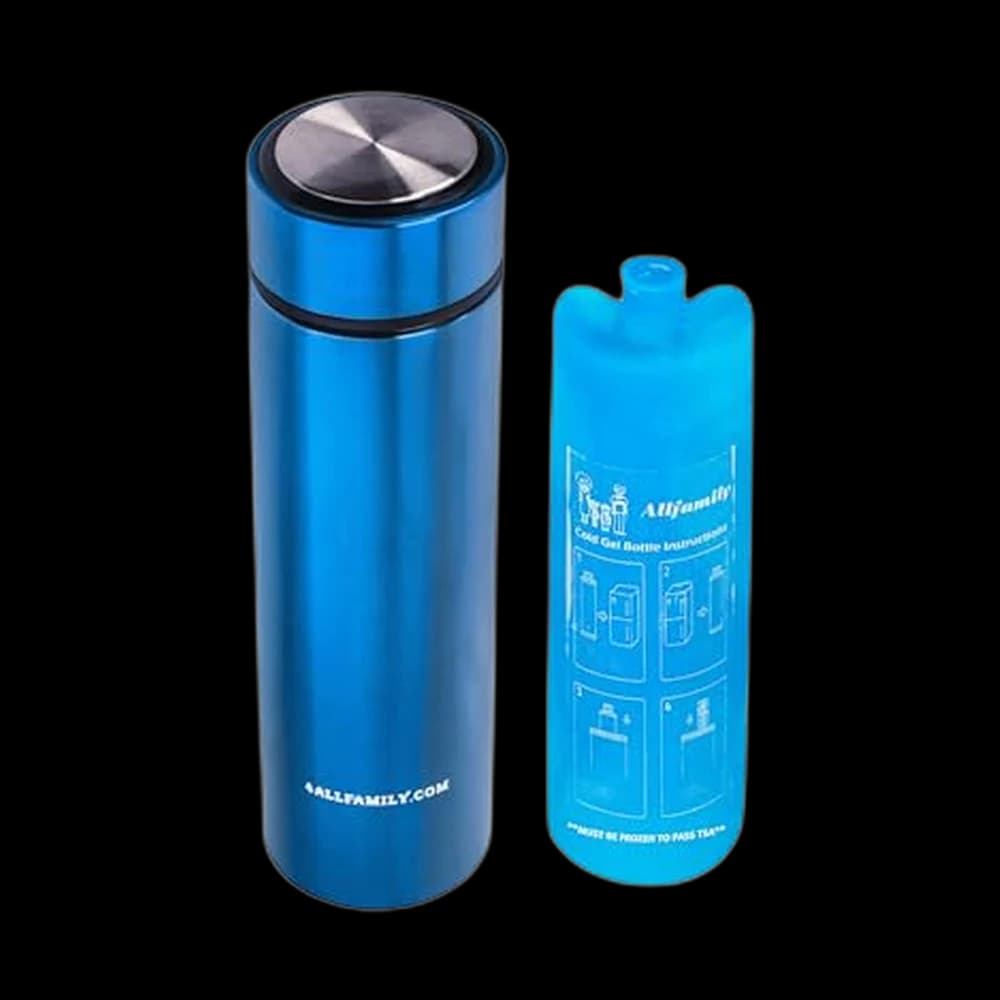 4ALLFAMILY Nomad Insulin Travel Case Cooler 4ALLFAMILY Nomad Insulin Travel Case Cooler | Passive cooling in a case that fits a jacket pocket. | ★ 4.6 | $39.99 | 85 | Buy on Amazon |
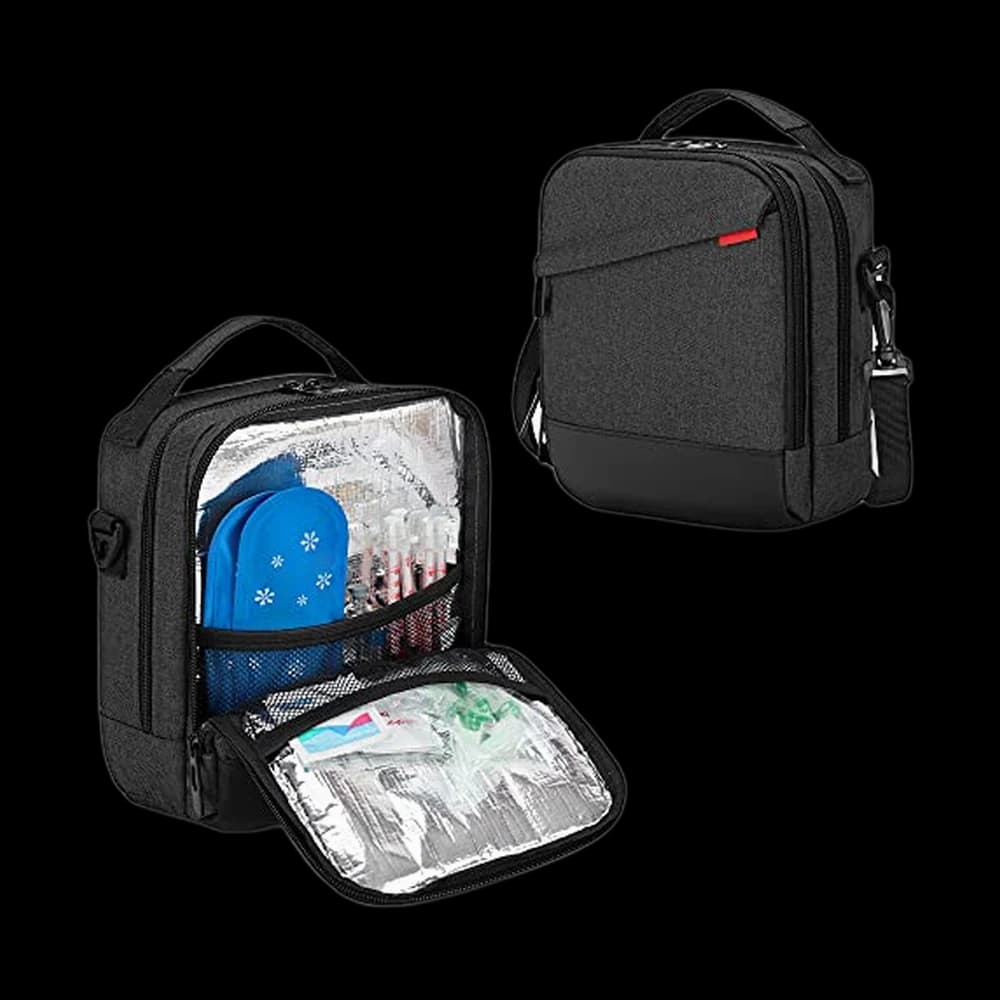 CURMIO Insulin Cooler Travel Case, Insulated Diabetes Supplies Bag,… CURMIO Insulin Cooler Travel Case, Insulated Diabetes Supplies Bag,… | An insulated supplies case with room for pens, wipes and a gel pack. | ★ 4.5 | $19.99 | 81 | Buy on Amazon |
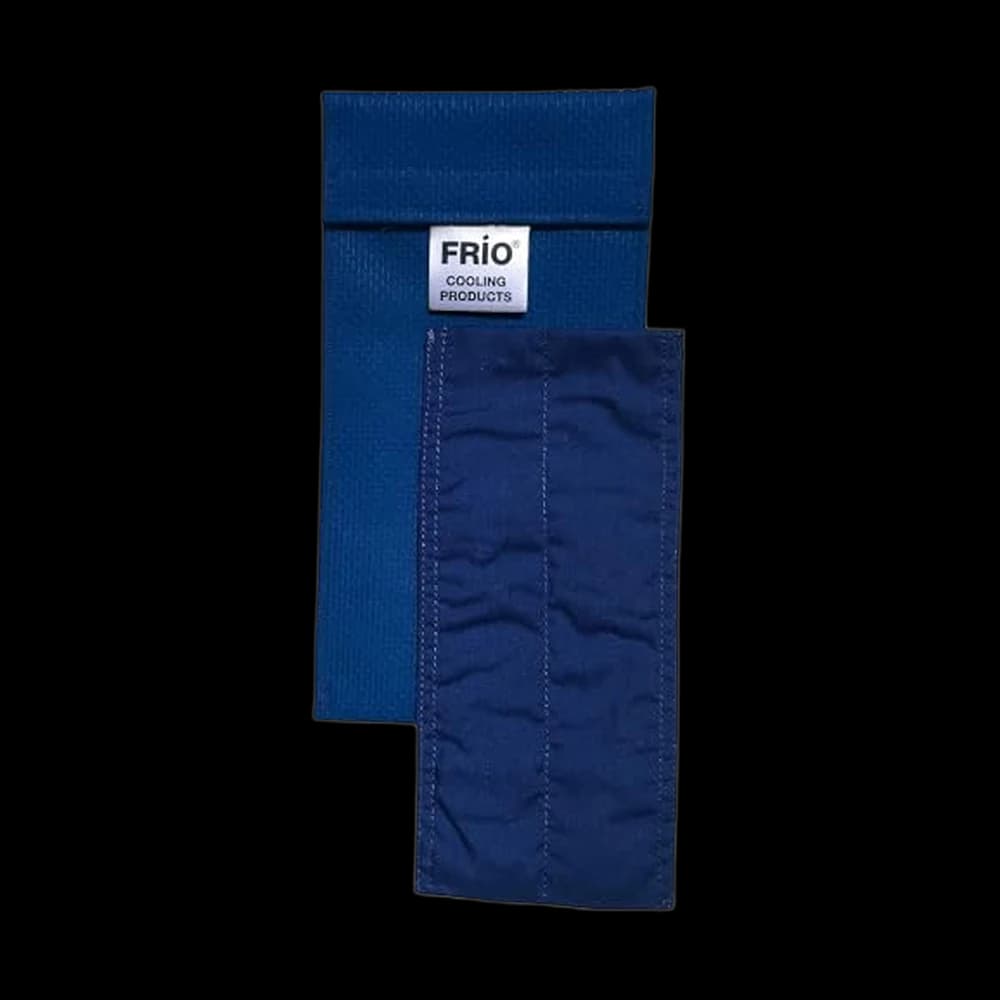 FRIO Cooling Wallet Insulin & GLP-1 Cooler for 45+ Hours FRIO Cooling Wallet Insulin & GLP-1 Cooler for 45+ Hours | Evaporative, so it recharges anywhere there is tap water. | ★ 4.2 | $35.95 | 71 | Buy on Amazon |
Zepbound and Mounjaro are the same molecule from the same manufacturer, and their storage wording is identical. What is not identical is the wording between the two devices each brand ships — and that is where almost every wrong answer on this subject comes from. A single-dose pen gets a total of 21 days out of the refrigerator. A gets 30. Nine days is a long time to be wrong by.
Your carton and your own Instructions for Use are the authority. There is no dosing information of any kind on this page.
Does Mounjaro need to be refrigerated?
Yes, as the default, with a limited room-temperature allowance that depends on the device. This is what the storage section of the current Mounjaro prescribing information says (label revised 8/2026, read on DailyMed on September 27, 2026):
- Single-dose pen and single-dose vial: store in a refrigerator at 2°C to 8°C (36°F to 46°F). If needed, each one can be stored unrefrigerated at temperatures not to exceed 30°C (86°F) for up to a total of 21 days, and is discarded after a total of 21 days at room temperature.
- KwikPen and multi-dose vial, unopened: store in the refrigerator at 2°C to 8°C, where it can be used until the expiration date on the label. If it is stored at room temperature, up to 30°C (86°F), throw it away after 30 days.
- KwikPen and multi-dose vial, once opened: store it in the original carton, either in the refrigerator at 2°C to 8°C or at room temperature up to 30°C, and throw it away after a total of 30 days at room temperature, 30 days after first use, or after 4 weekly doses, even if there is medicine left in it.
- Every Mounjaro device: do not freeze it, do not use it if it has been frozen, protect it from heat and light, and keep it in the original carton to protect it from light.
So the refrigerator is where Mounjaro lives, and room temperature is a counted allowance rather than an alternative. Which allowance you have depends on the device your pharmacy dispensed, so check the carton before you rely on either number.
The two clocks, side by side
Transcribed from the current FDA prescribing information on DailyMed for both brands, each revised 8/2026. The rows are identical for Zepbound and Mounjaro.
| Device | Before first use | After first use | Room-temperature window | Freeze |
|---|---|---|---|---|
| Single-dose pen | Refrigerate 2–8°C (36–46°F); if needed, up to 30°C (86°F) for up to a total of 21 days | Single use — discard after use | A total of 21 days, not exceeding 30°C | Do not freeze |
| Single-dose vial | Refrigerate 2–8°C; if needed, up to 30°C for up to a total of 21 days | Single use — discard after use | A total of 21 days, not exceeding 30°C | Do not freeze |
| KwikPen or multi-dose vial | Unopened: refrigerated until the expiration date, or 30 days if kept at room temperature up to 30°C | Store in the original carton, refrigerated or up to 30°C | 30 days at room temperature, 30 days after first use, or 4 weekly doses — whichever comes first | Do not freeze |
The pen storage lookup will show you the full label wording for your own brand and device, and it reads from the same source this table does.
The device decides, not the brand
If you are switching between Zepbound and Mounjaro, or reading advice written for the other one, the storage numbers travel with you unchanged. Both are , both carry the same label wording, and both split the same way between single-dose devices and the KwikPen.
What does not travel is advice written about . An Ozempic pen allows 56 days after first use; a Zepbound single-dose pen allows 21 days in total. Those are not just different numbers, they are different kinds of number — and blending them is the single most common error in this corner of the internet. If your question is about a semaglutide pen, our Ozempic storage page has that answer instead.
"A total of 21 days" is the sentence people misread
The label's phrasing is deliberate. It says each single-dose pen or vial can be stored unrefrigerated at temperatures not to exceed 30°C for up to a total of 21 days — and that you discard it after a total of 21 days at room temperature, even if it has not been used.
Total is the operative word. It is a running count of time spent out of the refrigerator, not a fresh 21-day allowance each time the pen comes out. Three separate weeks on a kitchen counter is 21 days, and the pen goes in the sharps bin whether or not it was ever injected.
This is also why the count applies to unused devices. A box of pens that spent three weeks out of the fridge while you were away is not a box you can quietly put back and forget about.
The KwikPen has three clocks, and the shortest one wins
The multi-dose devices are more forgiving on paper and more complicated in practice. Once opened, a KwikPen or multi-dose is stored in its original carton, refrigerated or at room temperature up to 30°C, and thrown away after a total of 30 days at room temperature, 30 days after first use, or after 4 weekly doses — whichever of the three comes first, even if there is medicine left in it.
Read that last clause twice. Medicine remaining in the device is not permission to keep using it. And an unopened KwikPen left at room temperature is discarded after 30 days, which is a different rule from the unopened-and-refrigerated one, where it lasts until the expiration date on the label.
30°C is the ceiling, and the labels mean it
Every room-temperature allowance in the table above is capped at 30°C, or 86°F, and both labels say to protect the product from heat and light and to store it in the original carton.
Eighty-six Fahrenheit is a low bar for a car in July, a beach bag, a windowsill or a suitcase left on a hot pavement. A day out is not the same claim as a day under 86°F, and only the second one is the claim the label is making.
Before packing, confirm the device in the pen storage lookup, build a packing list with the travel kit tool, then compare medication travel cases by device fit and how they separate the pen from a cold source. A case adds organization; the label still sets the limits.
Do not freeze
Both labels state it plainly: do not freeze. That is what makes the ordinary cooler-bag instinct exactly wrong — a pen packed hard against a frozen gel pack is a pen at risk of the one condition its label rules out.
A good insulated pen case keeps medication in a separate inner pocket, away from the cold source. If yours does not, wrap the cold source rather than the pen. And no case can certify that medication is unaffected; a case manages temperature, which is why one with a temperature readout is worth the extra part to charge or replace.
Worth raising at your next visitFrom this guide
If your carton disagrees with this page, your carton wins. Labels get revised, and the dates here are the labels' own revision dates as we read them. If you are unsure whether a pen is still usable, ask your pharmacist or prescriber rather than deciding alone.
Compounded tirzepatide is not on this page
products have no FDA prescribing information, so none of these numbers apply to them. FDA notes that compounded drugs are not FDA approved and are not reviewed for safety, effectiveness or quality before they are marketed. Whatever storage instructions your compounding pharmacy gave you are the ones that govern what it dispensed — and if you do not have them in writing, ask.
FDA has also received complaints that certain compounded drugs arrived warm or with inadequate ice packs, and recommends that patients not use any injectable GLP-1 drug that arrives warm or with insufficient refrigeration, because it can affect the drug's quality. A warm delivery is a call to the pharmacy or telehealth platform, not a decision to make at the kitchen counter.
What to do when you have lost count
The most useful habit on this page costs nothing: write the date on the carton the moment a device leaves the refrigerator, and write the first-use date on a KwikPen the day you start it. Every question above becomes trivial once there is a date on the box.
When there is not — when you genuinely cannot say how many total days a pen has been out, or how warm a car got — the honest answer is that you do not know, and that is a pharmacist question. It takes a minute, it is free, and it is a better use of the time than reading a fifth forum thread.
Your next step
21 days or 30, the trip still needs a case. Compare them by device fit and how they keep the pen off the ice pack.
Frequently asked
The questions that keep coming up
Does Mounjaro need to be refrigerated?
Yes, as the default. The current Mounjaro label (revised 8/2026) says to store single-dose pens and vials in a refrigerator at 2°C to 8°C (36°F to 46°F), and allows up to a total of 21 days unrefrigerated at no more than 30°C (86°F) if needed. An unopened KwikPen or multi-dose vial is refrigerated until its expiration date, or discarded after 30 days if kept at room temperature. The label also says do not freeze it.
Does Zepbound need to be refrigerated?
Yes, as the default. The current Zepbound label (revised 8/2026) says to store single-dose pens and vials in a refrigerator at 2°C to 8°C (36°F to 46°F), and allows up to a total of 21 days unrefrigerated at no more than 30°C (86°F) if needed. An unopened KwikPen or multi-dose vial is refrigerated until its expiration date, or discarded after 30 days if kept at room temperature. The label also says do not freeze it.
Is Zepbound different from Mounjaro for storage?
No. Both are tirzepatide from the same manufacturer and their storage wording is identical. The difference that matters is the device: a single-dose pen or vial gets a total of 21 days unrefrigerated, while a KwikPen or multi-dose vial gets 30 days.
Does putting it back in the fridge reset the 21 days?
No. The label says up to a total of 21 days, which is a running count of time spent out of the refrigerator rather than a fresh allowance each time. Three separate weeks on a counter adds up to 21 days.
Does the 21 days apply to a pen I never used?
Yes. The label says to discard a single-dose pen or vial after a total of 21 days at room temperature even if it is unused. That is the part that surprises people most.
Can I leave my pen in the car?
The ceiling is 30 degrees Celsius, or 86 Fahrenheit, and both labels say to protect the product from heat and light. A parked car in summer clears that easily. If you cannot say the pen stayed under the ceiling, ask your pharmacist before using it rather than assuming.
My KwikPen still has medicine in it after 30 days. Can I keep using it?
The label answers that directly: throw it away after a total of 30 days at room temperature, 30 days after first use, or after taking 4 weekly doses, whichever comes first, even if there is medicine left in it. Remaining medicine is not permission to continue.
Can I freeze it to make it last longer?
No. Both labels say do not freeze. Freezing is the one condition the label rules out entirely, which is also why a pen should never be packed in direct contact with a frozen gel pack.
My pen arrived warm from a telehealth pharmacy. What now?
Contact the pharmacy or platform rather than using it. FDA has received complaints about compounded GLP-1 drugs arriving warm or with inadequate ice packs, and recommends that patients not use any injectable GLP-1 drug that arrives warm or with insufficient refrigeration, because it can affect the drug's quality.
Sources & further reading
We research from primary and authoritative sources. Where our guidance rests on a fact, here's where it comes from.
- DailyMed — ZEPBOUND (tirzepatide) injection, prescribing information — Source for the single-dose pen and vial allowing a total of 21 days not exceeding 30°C, for the KwikPen and multi-dose vial 30-day rules, and for do not freeze. Label revised 8/2026; storage text re-read on DailyMed 2026-09-27 and unchanged.
- DailyMed — MOUNJARO (tirzepatide) injection, prescribing information — Source for Mounjaro carrying the same storage wording as Zepbound: a total of 21 days for single-dose devices, and 30 days at room temperature or 30 days after first use or 4 weekly doses for the KwikPen and multi-dose vial. Label revised 8/2026; storage text re-read on DailyMed 2026-09-27 and unchanged.
- FDA — FDA's Concerns with Unapproved GLP-1 Drugs Used for Weight Loss — Source for injectable GLP-1 drugs requiring refrigeration as indicated in their package inserts, for FDA having received complaints of compounded GLP-1 drugs arriving warm or with inadequate ice packs, and for FDA recommending that patients not use any injectable GLP-1 drug that arrives warm or with insufficient refrigeration.
LeanFed is not medical advice and is not a substitute for your prescriber, pharmacist or dietitian. We do not test products hands-on — we compare labels, specifications and owner reviews. Prices and LeanScores reflect our most recent research and refresh on a cycle; confirm the current price and read the product's own label before buying. We may earn a commission from affiliate retailers — it never changes our recommendations. See how we score.