Water BottlesGuide6 min
Best Water Bottles for Frequent Small Sips
TL;DR
LeanFed may earn a commission from links on this page; it never changes a ranking. Full disclosure.
Call your prescriber todayBefore any product on this page
A note before the gear: the fluid goal that is right for you comes from your clinician, not from a bottle or from this page. CDC is explicit that daily water intake recommendations vary by age, sex, pregnancy status, breastfeeding status and activity level. And if you are dealing with repeated vomiting or diarrhoea, persistent dizziness, or you cannot keep liquids down, that is a call to your prescriber rather than a shopping problem.
The short answer
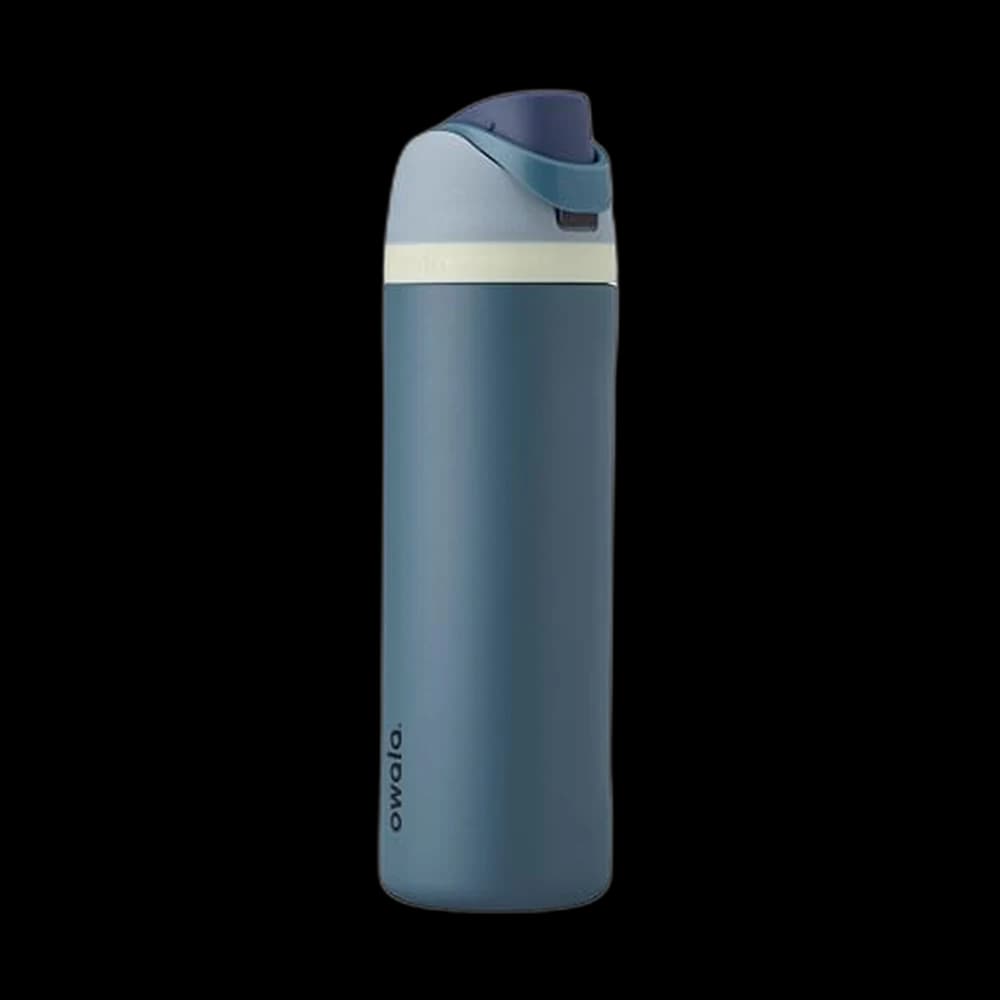
Our pick
Owala FreeSip Stainless Steel Water Bottle 24 oz Denim- Sip through the straw all day, swig when you need a real drink — one lid does both.
- You need it to fit a standard cup holder; this one is wide.
Sip, do not chug. Straw lids, insulation, one-hand use and cup-holder fit compared — plus why your fluid goal comes from your clinician, not a bottle.
Key takeaways
- Your fluid goal comes from your clinician. CDC notes daily water intake recommendations vary by age, sex, pregnancy and breastfeeding status and activity level. This page sets no number.
- Effort per sip beats capacity. A straw lid you can use one-handed makes a hundred small sips plausible; a screw cap does not.
- Sip, do not chug. Large volumes at once sit badly when the stomach empties slowly.
- Measure the cup holder first. Poor fit is the most common reason an expensive bottle gets abandoned.
- Fiber and fluid are one plan. NIDDK pairs them explicitly, so a bottle is half of any fiber supplement decision.
Pick by your situation
| If your situation is… | Pick | Why |
|---|---|---|
| You want to sip all day and still swig sometimes | Owala FreeSip 24 | One lid does both, with a push-button lock, at a capacity that refills without feeling like a target. |
| You want a straw lid that seals for years | Hydro Flask wide mouth 32 | A flex straw cap that is leakproof closed, on an insulated bottle rated cold up to 24 hours. |
| You knock things over on the sofa or desk | Stanley Quencher H2.0 30 | A handle and a narrow base, with a rotating lid you can work one-handed. |
| You do not yet know which drinking style suits you | IRON FLASK 32 with three lids | Straw, flip and steel lids in the box, so you can find out before committing. |
| It has to fit a bag pocket and go in the dishwasher | Takeya Actives straw 24 | Narrow profile with a twist-on straw lid, and dishwasher safe throughout rather than body-only. |
Each pick is one of the products compared below — a shortcut by situation, not a separate recommendation.
Water Bottles: our picks
| Pick | Best for | Rating | Price | LeanScore | Buy |
|---|---|---|---|---|---|
| №1Owala FreeSip Stainless Steel Water Bottle 24 oz Denim | Sip through the straw or swig from the spout, one button. | ★ 4.7 | $29.99 | 84 | Buy on Amazon |
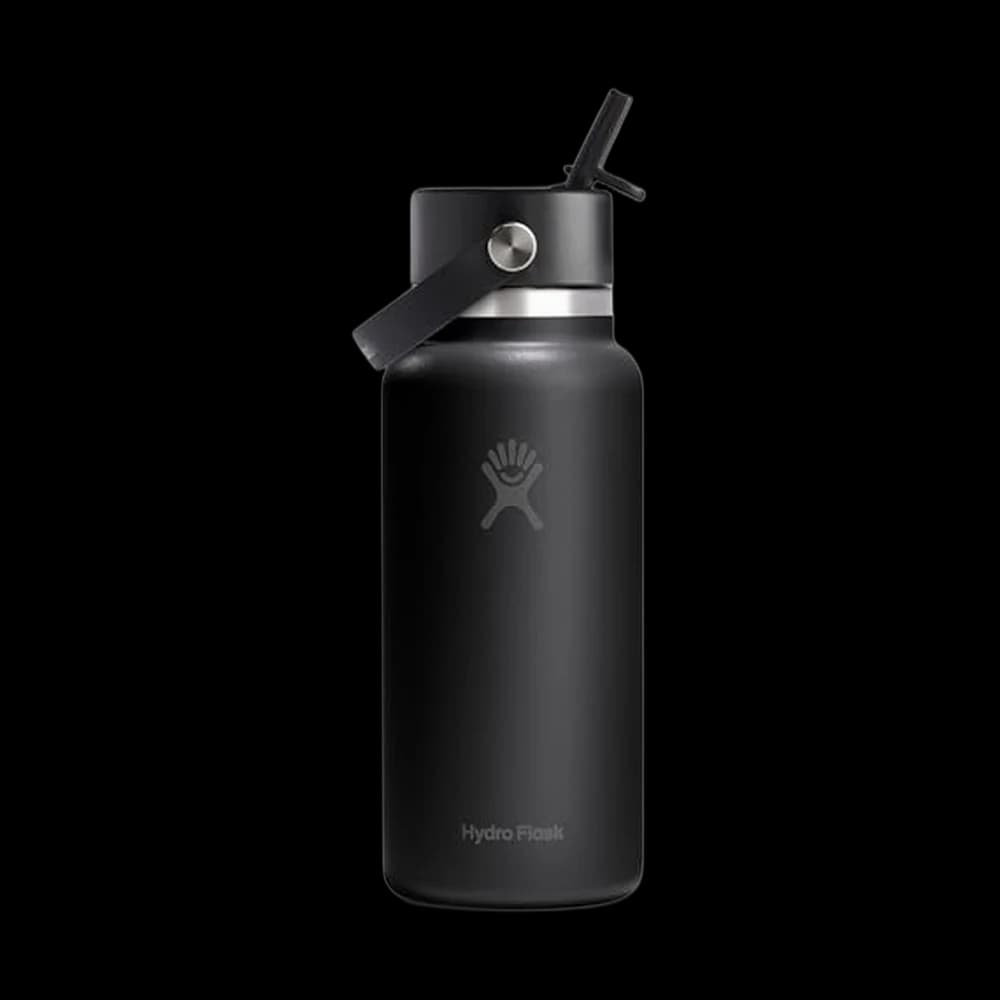 Hydro Flask Water Bottle Insulated Stainless Steel Hydro Flask Water Bottle Insulated Stainless Steel | Cold all day, wide mouth, and the lid options are endless. | ★ 4.6 | $42.99 | 75 | Buy on Amazon |
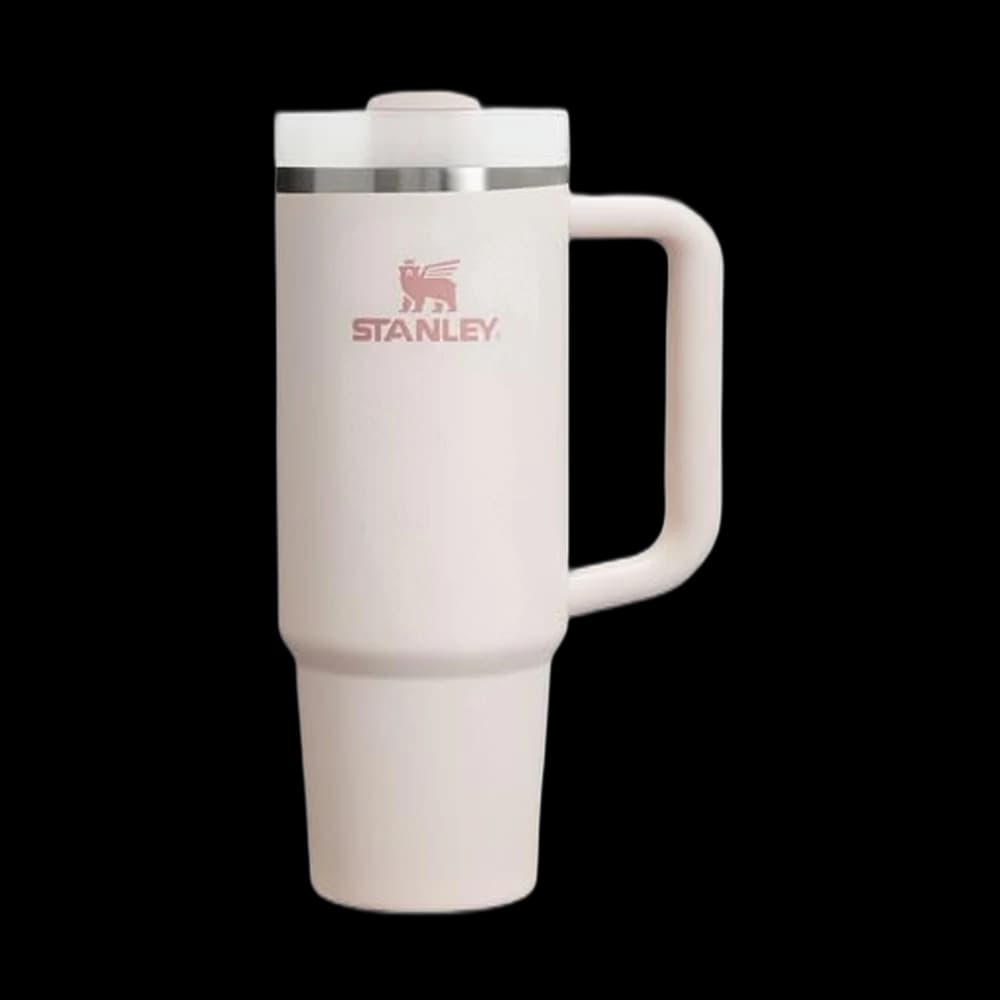 STANLEY Quencher H2.0 Tumbler with Handle and Straw 30 oz STANLEY Quencher H2.0 Tumbler with Handle and Straw 30 oz | Cup-holder shaped, handled, and hard to knock over. | ★ 4.7 | $29.95 | 80 | Buy on Amazon |
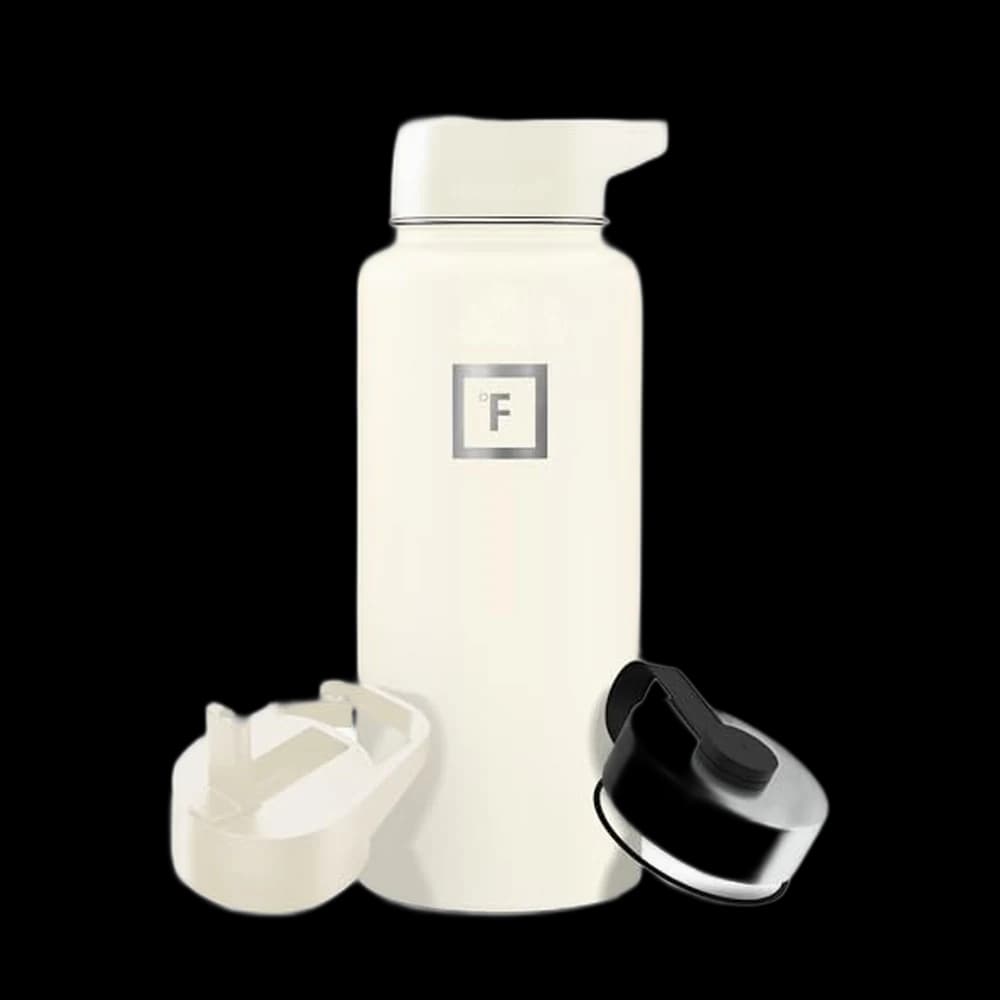 IRON °FLASK 32 oz Wide Mouth Water Bottle with 3 Lids IRON °FLASK 32 oz Wide Mouth Water Bottle with 3 Lids | Three lids means you can test what you actually use. | ★ 4.7 | $22.99 | 88 | Buy on Amazon |
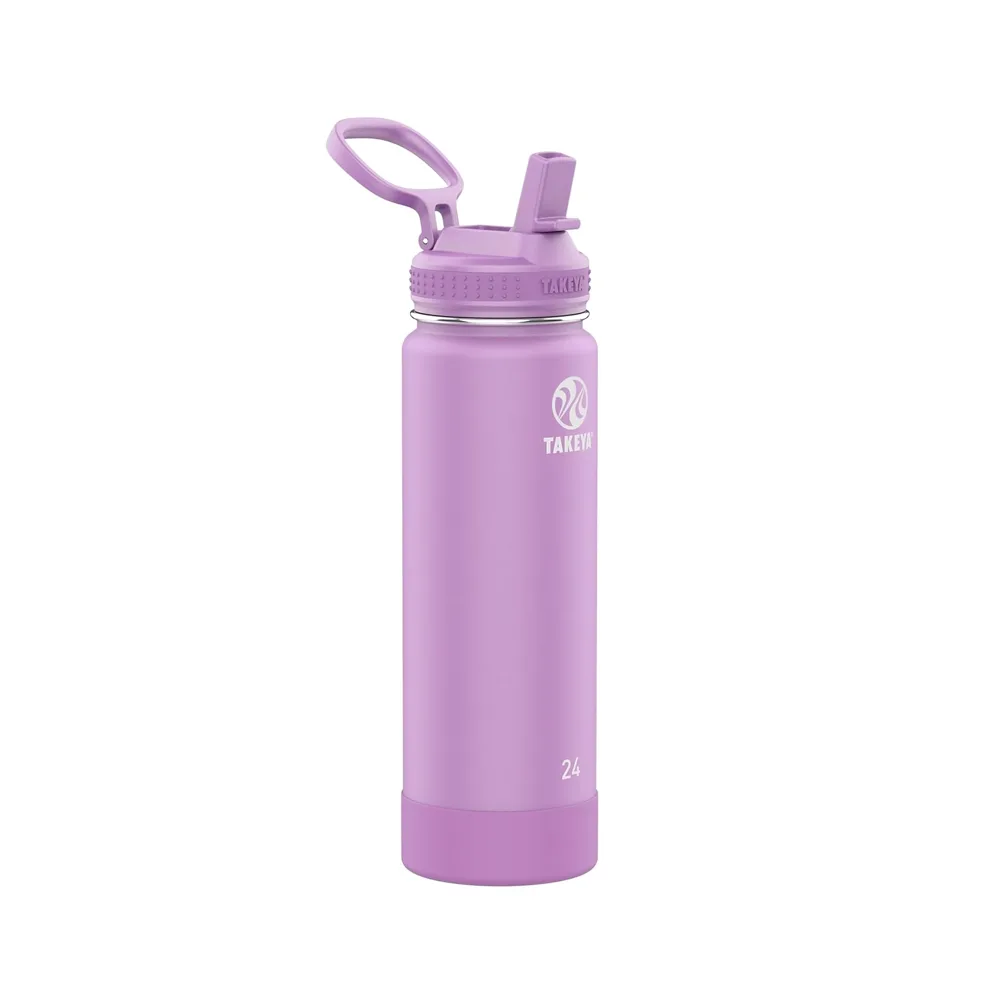 Takeya 24 oz Actives Stainless Steel Water Bottle with Straw Lid Takeya 24 oz Actives Stainless Steel Water Bottle with Straw Lid | Narrow enough for a bag pocket, insulated enough to matter. | ★ 4.8 | $26.47 | 80 | Buy on Amazon |
Food also contributes to fluid intake, as CDC explains. If you are eating less, that contribution may change. A reusable bottle can make your agreed drinking routine more convenient; it cannot tell you how much fluid you need. Compare bottles by the effort needed to open, sip and clean them.
The picks
| Pick | Capacity | Lid | Best for |
|---|---|---|---|
| Owala FreeSip 24 | 24 oz | Straw plus swig spout, push-button lock | Sipping all day and swigging when you want a real drink |
| Hydro Flask wide mouth 32 | 32 oz | Flex straw cap, leakproof closed | A straw lid that genuinely seals, on a bottle that lasts |
| Stanley Quencher H2.0 30 | 30 oz | Rotating lid with straw | A handle and a narrow base — the one you will not knock over |
| IRON FLASK 32 with three lids | 32 oz | Straw, flip and steel lids in the box | Finding out which drinking style you actually keep using |
| Takeya Actives straw 24 | 24 oz | Twist-on straw lid | A narrow bottle for a bag pocket, dishwasher safe throughout |
Specs, ratings and the score breakdown are on the water bottles category page.
How can a bottle make small sips easier?
If small sips feel more comfortable to you, choose a lid you can open and close easily. This is a convenience choice, not a treatment for slow stomach emptying. Keep the amount and timing consistent with any fluid instructions from your care team.
That is why this page is organised around effort per sip rather than capacity. If you have a number from your clinician and want help spreading it across the day rather than hitting it in two panicked gulps at 9pm, the sip schedule tool does the arithmetic — you enter the goal you were given, it does not invent one.
Rule of thumb: the bottle you carry everywhere beats the bigger one you leave in the kitchen. Every time.
Straw, spout or screw cap
- Straw lids are the single biggest behavioural difference for most people. You drink without lifting, tilting or unscrewing, which is what makes a hundred small sips a day plausible instead of theoretical. The trade is that straws and their gaskets are the parts that grow film.
- Flip or swig spouts are faster to clean and better for a real drink, worse for absent-minded sipping. Lids like the FreeSip's that do both are a genuine convenience rather than a gimmick.
- Plain screw caps are the most leak-proof and the least likely to get used often. Fine as a second bottle; poor as the one on your desk.
- Time-marker bottles print hourly lines up the side. They help people who respond well to a visible target and do nothing at all for people who read an unfinished bottle as failure. None of the picks above carry markers — if that feature is what you want, buy for it specifically rather than assuming a big bottle has it.
Insulation, one-hand use, and the cup holder
Insulation matters more than it sounds. Cold water is drinkable for a lot of people when room-temperature water is not, and an insulated bottle holds ice for the whole day. CDC's own list of tips for drinking more water includes freezing water in freezer-safe bottles so it stays ice-cold, and adding a wedge of lime or lemon — official advice that flavour is a legitimate tool, not cheating.
One-hand use is the specification nobody checks and everybody notices. Can you open it, drink and close it while holding something else? Push-button and rotating lids pass; twist-off straw lids mostly pass; anything needing two hands quietly stops being used.
Cup-holder fit is the most common reason an expensive bottle gets abandoned. Measure the holder in your car and the gap under your desk before you buy. A wide-base 32 oz bottle that lives on the kitchen counter is not the bottle that gets you through a commute.
Big bottle or small bottle refilled
Both work, and the communities are genuinely split on it.
What works for target-driven people:
- One large bottle you have to empty twice, so the goal is unambiguous and visible.
- Time markers, if the bottle has them.
- Counting refills rather than guessing.
What works for everyone else:
- A smaller bottle refilled often, because a huge unfinished bottle reads as failure by mid-afternoon.
- A bottle at each place you sit, so proximity does the work instead of willpower.
- Flavour drops or citrus, so the thing in your hand is something you want.
Paraphrasing recurring themes in r/Zepbound and r/Mounjaro: a straw is described over and over as the biggest single lever, usually mentioned in the same breath as ice. Carrying one bottle everywhere is said to matter more than its size, and several posters note they assumed they were drinking enough until they started counting refills. Thirst itself is reported to change in both directions — some describe intense thirst after starting, others describe losing the signal entirely — which is exactly why the advice in those threads centres on routine and visibility rather than on waiting to feel thirsty.
Why hydration gets its own guide here
CDC's page on water is blunt about what going short can do: dehydration may cause unclear thinking, mood change, overheating, constipation and kidney stones. Two of those land squarely on the list of things people on a are already managing. CDC also notes that the body needs more water when you have diarrhoea or vomiting — relevant on a medication where GI symptoms are common, and another reason the fluid conversation belongs with your prescriber rather than with a product page.
The fiber connection is the one worth internalising. NIDDK's constipation guidance pairs fiber with liquids explicitly, on the grounds that liquid helps the fiber work better. If you are starting a fiber supplement, the bottle is not a separate purchase — it is half of the same plan.
Cleaning decides how long you keep it
Straws and gaskets are where film builds, and a bottle that is annoying to clean becomes a bottle in a cupboard. Buy one where the straw pulls out, the gasket lifts off, and the mouth is wide enough to get a brush inside. Check whether the manufacturer rates the lid as dishwasher safe and not just the body — plenty of vacuum-insulated bottles are hand-wash only, and only one of the picks above states dishwasher safe throughout.
If plain water is genuinely unappealing, flavour is fine. Flavour drops, citrus, or a low-sugar electrolyte mix all count — read the electrolytes category for the sodium caveats before a flavoured mix becomes a daily habit.
Your next step
Sipping more is step one. What goes in the bottle is step two.
Frequently asked
The questions that keep coming up
How much water should I be drinking on a GLP-1?
That number comes from your clinician. CDC says daily water intake recommendations vary by age, sex, pregnancy status, breastfeeding status and activity level, and that intake comes from both drinks and food. If you have a goal you were given, the sip schedule tool on this site helps spread it across the day.
Why does everyone say a straw lid makes such a difference?
Because it removes the effort. You can drink without lifting, tilting or unscrewing, which is what makes frequent small sips realistic rather than theoretical. It is the most-repeated recommendation in the GLP-1 communities, usually alongside ice.
Is a bigger bottle better?
Not universally. Some people do better with one large bottle they must empty twice, because the goal is visible and unambiguous. Others do better refilling a small bottle, because a half-full giant bottle reads as failure. The bottle you carry everywhere beats the bigger one you leave in the kitchen.
Is flavouring my water cheating?
No. CDC's own tips for drinking more water include adding a wedge of lime or lemon. Flavour drops and low-sugar electrolyte mixes are legitimate tools too — check the electrolytes category for the sodium caveats before a mix becomes a daily habit.
Which of these bottles has time markers?
None of the picks here print hourly time markings. If that feature is what motivates you, shop for it specifically rather than assuming a large bottle includes it.
Sources & further reading
We research from primary and authoritative sources. Where our guidance rests on a fact, here's where it comes from.
- CDC — About Water and Healthier Drinks — Source for dehydration effects (unclear thinking, mood change, overheating, constipation, kidney stones), for intake recommendations varying by age, sex, pregnancy and activity, and for the tips on carrying a reusable bottle, freezing water and adding citrus.
- NIDDK — Eating, Diet, and Nutrition for Constipation — Source for pairing fiber with water and other liquids to help the fiber work better, and for asking a health care professional how much liquid is right for you.
- FDA — Serving Size on the Nutrition Facts Label — Background for reading per-serving figures on flavoured drink mixes rather than assuming a container is one serving.
LeanFed is not medical advice and is not a substitute for your prescriber, pharmacist or dietitian. We do not test products hands-on — we compare labels, specifications and owner reviews. Prices and LeanScores reflect our most recent research and refresh on a cycle; confirm the current price and read the product's own label before buying. We may earn a commission from affiliate retailers — it never changes our recommendations. See how we score.