Protein PowdersDeep dive7 min
Protein First: Eating Well on a GLP-1 Appetite
TL;DR
LeanFed may earn a commission from links on this page; it never changes a ranking. Full disclosure.
Call your prescriber todayBefore any product on this page
Before any of that: Some symptoms are never a shopping problem. Severe or persistent abdominal pain, vomiting that stops you keeping fluids down, signs of dehydration, allergic symptoms, vision changes, or pain that wraps around to your back all mean stop reading and call your prescriber or seek urgent care. Nothing below is medical advice, and nothing below is a substitute for the plan your clinician gave you.
The short answer
Our pick
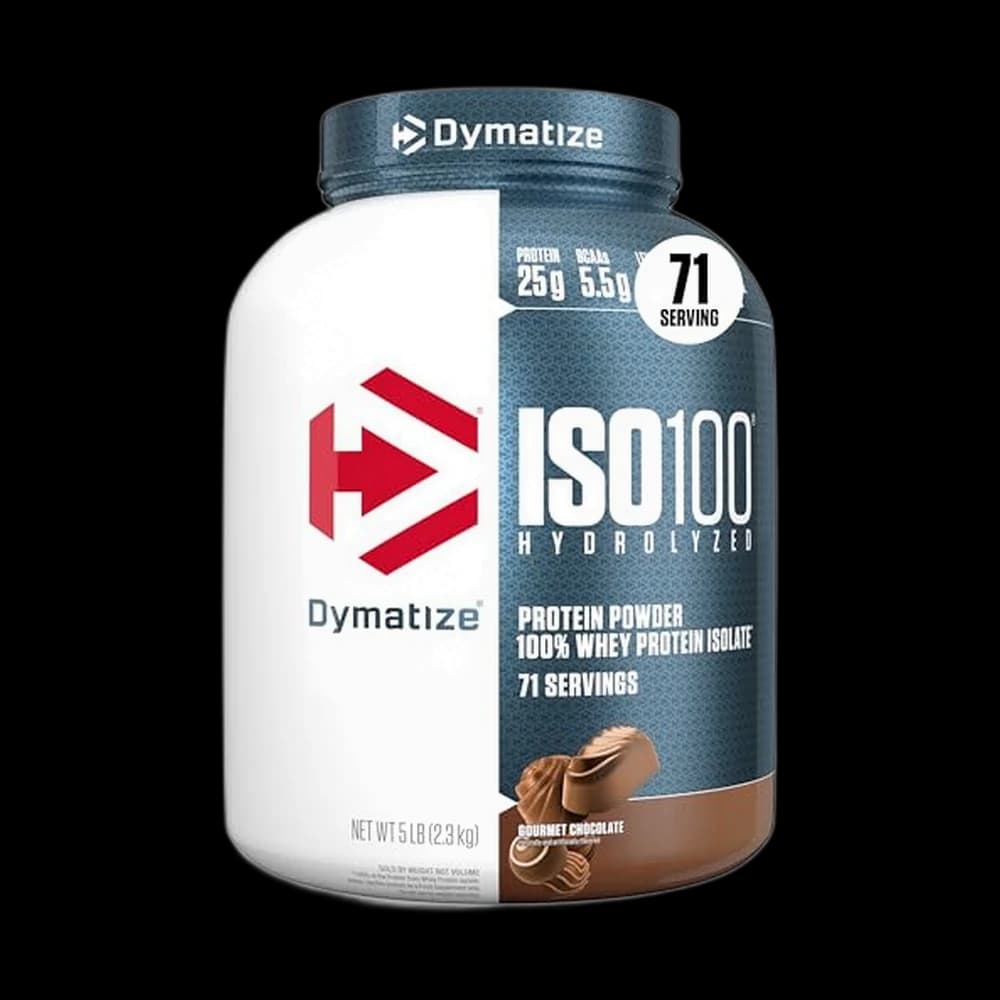
Dymatize ISO100 Protein Powder, 100% Whey Isolate, Gourmet Chocolate- People whose gut reacts to most whey — the lactose is filtered out and the protein is pre-broken-down.
- You are price-sensitive; this is one of the most expensive tubs per gram.
Why protein goes first when appetite drops, what protein per comfortable volume means, and how to hit the target your clinician set on a small appetite.
Key takeaways
- Order the plate, not the diet. When six ounces is a full meal, whatever you eat first is what you actually get.
- Compare protein per comfortable volume, not per serving. A 30 g bottle at 11.5 fl oz carries more protein per 8 oz than a 42 g bottle at 14 fl oz.
- There is no universal gram target. The label's 50 g Daily Value assumes 2,000 calories a day; use the target your clinician set.
- Protein plus resistance training is the pair, not protein alone — that is how the 2026 Nutrients review frames it, while being open that direct trials in this population are limited.
- Collagen is not a complete protein and does not belong in the daily total, whatever else it is doing for you.
Pick by your situation
| If your situation is… | Pick | Why |
|---|---|---|
| Nothing sweet is tolerable right now | Unflavoured whey isolate stirred into soup, oats or coffee | Protein arrives inside food you were already going to eat, with no flavour to fight. |
| The day after an injection, and the kitchen is out of the question | A ready-to-drink shake sipped across an hour | No preparation, and it can be split across two sittings instead of forced in one. |
| Your ceiling today is about eight ounces of liquid | The bottle with the highest protein per 8 oz, not the biggest number on the front | Total grams are irrelevant if the last third of the bottle never gets drunk. |
| You are dairy-free or whey upsets your stomach | A pea and rice plant blend, or an allergen-friendly plant shake | A blend covers the amino acid gaps that a single plant source leaves open. |
| Mornings are the hardest window | A protein oatmeal cup or a high-protein coffee | It attaches protein to a habit that already exists rather than creating a new one. |
Each pick is one of the products compared below — a shortcut by situation, not a separate recommendation.
Protein Powders: our picks
| Pick | Best for | Rating | Price | Cost per 20 g protein | LeanScore | Buy |
|---|---|---|---|---|---|---|
| №1Dymatize ISO100 Protein Powder, 100% Whey Isolate, Gourmet Chocolate | Hydrolyzed isolate with almost no lactose left in it. | ★ 4.7 | $168.99 | — | 79 | Buy on Amazon |
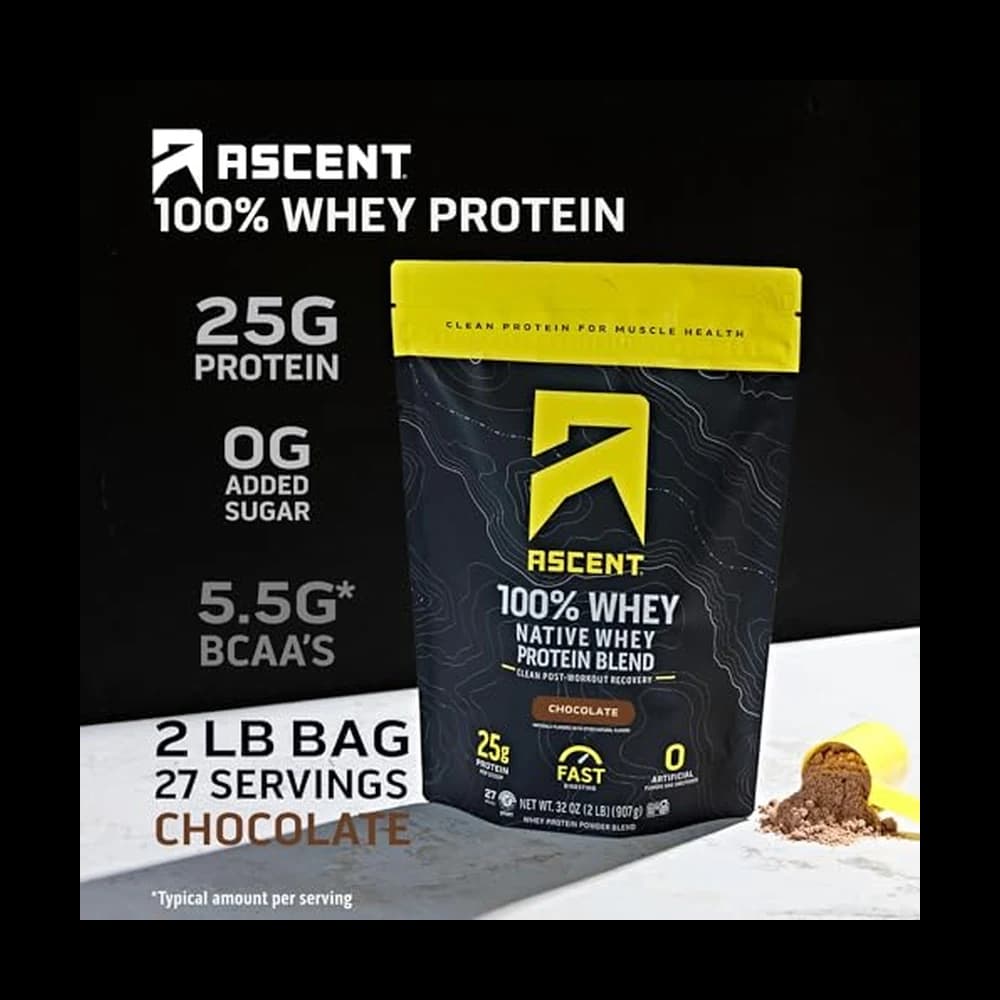 Ascent 100% Whey Protein Powder Ascent 100% Whey Protein Powder | Informed-Sport tested whey with a short ingredient list. | ★ 4.6 | — | — | 83 | Check price → |
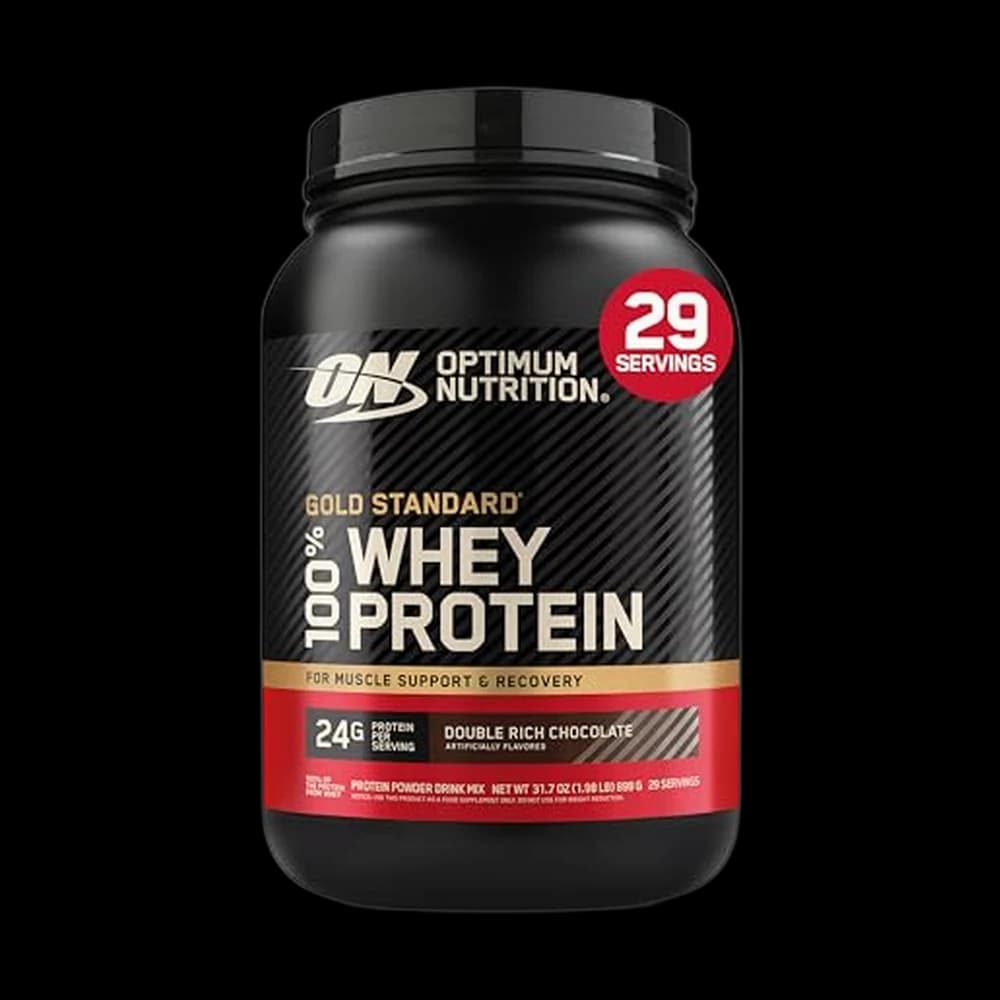 Optimum Nutrition Gold Standard Whey Protein, Double Rich… Optimum Nutrition Gold Standard Whey Protein, Double Rich… | The default tub: 24 g a scoop, everywhere, and cheap per gram. | ★ 4.6 | $54.25 | $1.56 / 20 g | 83 | Buy on Amazon |
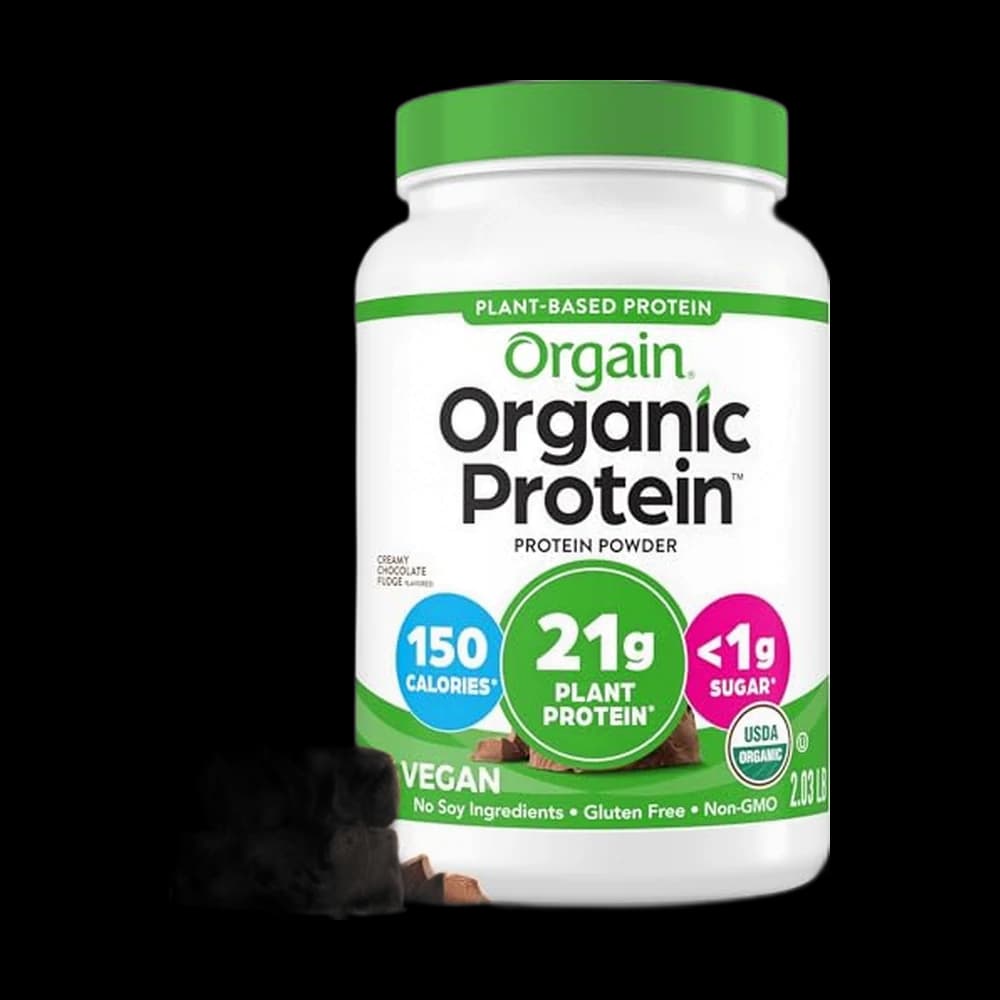 Orgain Organic Vegan Protein Powder, Creamy Chocolate Fudge Orgain Organic Vegan Protein Powder, Creamy Chocolate Fudge | The plant option most people can actually drink daily. | ★ 4.5 | $29.59 | $1.41 / 20 g | 81 | Buy on Amazon |
Appetite is the thing that changed. Not willpower, not discipline — the actual signal that tells you to pick up a fork. On a medication the FDA labels list decreased appetite among the most common adverse reactions, alongside nausea, vomiting and constipation, and the labels themselves say the drug is meant to be used in combination with a reduced-calorie diet and increased physical activity. That combination is the whole design: the medication lowers intake, and you decide what the smaller intake is made of.
"Protein first" is the shorthand for that decision. It is not a diet, a rule, or a moral position. It is an ordering instruction for a plate you probably will not finish.
Why the order of the plate started mattering
When you could finish a meal, order was irrelevant — everything got eaten eventually. When six ounces of food is a full meal, whatever you eat first is what you actually get. Eat the rice first and the chicken is what gets left behind.
That matters because of what protein does. FDA's own consumer material puts it plainly: protein is a major part of your skin, hair, nails, muscle, bone and internal organs, and it is what your body uses to build and repair cells and tissue. It is also the macronutrient you can most easily under-eat without noticing, because it is rarely the tasty part.
The 2026 Nutrients review of nutrition support for GLP-1 and dual therapy frames the risk the same way. Its stated concerns for real-world outcomes are gastrointestinal side effects, reduced dietary intake, and loss of fat-free mass as part of total weight reduction. Its proposed answers are protein prioritization, structured meal patterns, hydration and fiber management, and resistance-training support. The review is honest that direct trials of structured nutrition programs in people on these medications are still limited, and that several of its recommendations are extrapolated from the wider obesity and body-composition literature. That honesty is worth repeating rather than hiding.
The one-line version: the medication decides how much you eat. You decide what the first third of it is made of, and whether you are also asking your muscles to stay.
How much protein? Ask your clinician, not the internet
There is no universal number, and anyone who gives you one has skipped a step. The Daily Value printed on a Nutrition Facts label is 50 g per day, based on a 2,000-calorie diet — and FDA says outright that your own value may be higher or lower depending on your calorie needs. On a medication that cuts calorie intake substantially, "based on 2,000 calories" is doing a lot of quiet work.
So the phrasing on this site is always the same: the target your clinician set. Bring the question to the person who knows your labs, your kidney function and your medication. Then use the rest of this page to hit whatever number comes back.
Protein per comfortable volume
Here is the idea that makes the rest of it work. Stop comparing foods by grams of protein per serving, and start comparing them by grams of protein per unit of volume you can actually finish.
A shake with 30 g in a 11.5 fl oz bottle is about 26 g of protein per 8 oz. A shake with 42 g in a 14 fl oz bottle is about 24 g per 8 oz — more protein in total, less protein per swallow. If your ceiling that day is eight ounces of liquid, the smaller bottle wins even though the bigger number is on the front of the other one.
This is not a trick of marketing; it is a consequence of how labels work. FDA requires serving sizes to reflect the amount people typically consume, not the amount anyone should consume, and the agency states directly that a serving size is not a recommendation of how much to eat or drink. Bottle sizes in this category are not standardized. Two products both shouting "30 g" can differ by several ounces of liquid you have to get down.
Our protein-per-dollar calculator does this arithmetic for you, including of protein — useful when the cheapest tub is not the cheapest protein.
The five formats, and where each one fits
| Format | Example from our catalog | Protein on the label | What it solves |
|---|---|---|---|
| Powder | Dymatize ISO100 hydrolysed whey isolate | 25 g per scoop, under 120 cal | You control the liquid, so you control the volume |
| Ready-to-drink | Premier Protein chocolate | 30 g per 11.5 fl oz bottle | Zero prep on a day you cannot face the kitchen |
| Bar | Quest chocolate chip cookie dough | 21 g per bar | Protein that survives a bag, a car and a bad afternoon |
| Snack | StarKist Tuna Creations pouch | 15 g per 2.6 oz pouch | Savory, when sweet has stopped working |
| Breakfast | Kodiak protein oatmeal cup | 14 g per 2.12 oz cup | The morning, which is the hardest window |
Full category pages, each with the comparison matrix and the criteria we scored on: protein powders · ready-to-drink shakes · protein bars · high-protein snacks · protein breakfasts.
Complete, incomplete, and the collagen question
FDA's consumer material splits dietary protein three ways. Complete proteins contain all the essential amino acids in adequate amounts — animal foods and soy. Incomplete proteins are missing, or short on, one or more of them, which describes most plant foods. Complementary proteins are two incomplete sources that cover each other's gaps when eaten in the same meal or the same day, like grains with beans.
This is exactly the argument that recurs in r/Ozempic threads about collagen powder. People take it for skin and hair reasons; other posters point out it should not be counted toward a daily protein goal. The FDA framing settles it without anyone having to be rude about it: count complete sources toward the target, and treat collagen as a separate decision.
It is also why the plant powders worth buying are blends rather than single-source — a pea and rice blend covers ground that pea alone does not.
Making it survive a real day
Across r/GLP1, r/Mounjaro and r/Zepbound the same practical moves keep resurfacing, and they are all volume-management moves rather than motivation ones.
What people describe working:
- Keeping one unflavoured isolate to stir into oats, soup, yogurt or coffee, so protein arrives inside food that was already going to be eaten
- Mixing a powder into less liquid than the label suggests when the goal is density, or more when the goal is sipping across a morning
- Splitting one bottle or one bar across two sittings instead of forcing it in one
- Front-loading the day, because appetite windows tend to open later rather than earlier
- Buying single-serve packets before committing to a tub, because taste preferences shift after starting
What people describe backfiring:
- Stockpiling a case of one flavour before knowing whether it will still be tolerable in three weeks
- Counting collagen toward the target
- Leading with vegetables and salad, then having no room left for the protein
- Treating a bar as a meal replacement every day rather than as the backstop it is
NIDDK's dietary guidance for people with delayed stomach emptying recommends five or six small meals a day rather than two or three large ones, along with soft, well-cooked foods and low-fat choices. Delayed emptying is a distinct medical condition and not something to self-diagnose — but the eating pattern it points at is the same one people on these medications tend to arrive at by trial and error. Raise it with your clinician rather than adopting it as a rule.
What "first" actually means in practice
Not "only". Not "instead of vegetables". Just first, on the plate and in the sequence: the protein goes in the mouth before the carbohydrate and the salad, and whatever gets left behind is not the part you needed.
That, plus , plus whatever fluid target your clinician gave you, is the entire programme. Everything else on this site is logistics.
If you need an individual nutrition plan, our dietitian appointment preparation guide helps you describe your usual meals, preferences and practical limits.
Your next step
A portioned protein snack can make intake more convenient when a full meal does not fit.
Frequently asked
The questions that keep coming up
How many grams of protein should I eat on a GLP-1?
There is no universal number, and this site will not invent one. The Daily Value on a Nutrition Facts label is 50 grams, but FDA notes that figure assumes a 2,000-calorie diet and that your own value may be higher or lower. Ask your clinician for a target and use these pages to reach it.
Does protein first mean I should skip vegetables?
No. It means the protein goes into your mouth before the carbohydrate and the salad, so that if you stop early, the part you leave behind is not the protein. Fiber and vegetables still matter, and are worth adding gradually with fluid.
Is a shake as good as real food?
On a day when food will not go down, a shake you finish beats a meal you do not. Whole-food protein is still the default when it is tolerable; the powders and bottles exist for the days it is not.
Does collagen count toward my protein target?
Treat it as separate. FDA's consumer material describes complete proteins as those containing all the essential amino acids in adequate amounts, which is what a protein target is built on. Collagen does not meet that bar, which is why the question keeps coming up in the subs.
Why does the same shake feel harder to finish some days?
Volume tolerance moves around, often after a dose step. That is exactly why the sensible unit of comparison is protein per ounce of liquid rather than protein per serving, and why keeping two formats on hand tends to work better than one.
Sources & further reading
We research from primary and authoritative sources. Where our guidance rests on a fact, here's where it comes from.
- Nutrition-First Support for GLP-1 and Dual Incretin Therapy in Obesity (Nutrients, 2026) — Narrative review proposing a nutrition-first framework; names fat-free mass loss and reduced intake as risks and protein prioritization plus resistance-training support as responses, while stating that direct trials in this population are limited.
- FDA — Interactive Nutrition Facts Label: Protein (October 2021) — Source for the 50 g Daily Value based on a 2,000-calorie diet, the complete/incomplete/complementary protein definitions, and protein's role in muscle and tissue.
- FDA — Serving Size on the Nutrition Facts Label — Source for serving sizes reflecting what people typically consume rather than a recommendation of how much to eat.
- DailyMed — MOUNJARO (tirzepatide) prescribing information — FDA label listing decreased appetite, nausea, vomiting and constipation among the most common adverse reactions reported in at least 5 percent of patients.
- DailyMed — WEGOVY (semaglutide) prescribing information — FDA label stating the medication is administered in combination with a reduced-calorie diet and increased physical activity.
LeanFed is not medical advice and is not a substitute for your prescriber, pharmacist or dietitian. We do not test products hands-on — we compare labels, specifications and owner reviews. Prices and LeanScores reflect our most recent research and refresh on a cycle; confirm the current price and read the product's own label before buying. We may earn a commission from affiliate retailers — it never changes our recommendations. See how we score.