Tools
Grocery list maker: a basic grocery list template by aisle
By LeanFed Editors · Updated October 2026
A basic grocery list covers eight store sections: produce, dairy and eggs, meat and seafood, pantry, frozen, bakery, household and personal care. Tick the staples you need from the template below, add your own, put the aisles in your store’s order, then print one page or shop from your phone.
This is a shopping list, not a meal plan. The template is common staples to tick or skip, and nothing on this page is diet or nutrition advice. If your care team has given you food limits, those come first.
The pack-size switch only changes the wording on the list (a half dozen eggs instead of a dozen). It does not change what is on it.
Put the aisles in your store’s orderProduce → Dairy & eggs → Meat & seafood → Pantry → Frozen → Bakery → Household → Personal care
Your list prints and checks off in this order, so you walk the store once.
- 1Produce
- 2Dairy & eggs
- 3Meat & seafood
- 4Pantry
- 5Frozen
- 6Bakery
- 7Household
- 8Personal care
Tick what you need
A few staples are ticked to start you off. Untick anything you already have, and type an amount if the usual pack is not what you want.
Your grocery list
0 of 15 in the cart
Switch to Shopping mode at the store to hide the template and tick items off as you go.
Produce
Dairy & eggs
Meat & seafood
Pantry
Frozen
Bakery
Household
Personal care
Runs in your browser. Your list is saved on this device only, nothing is sent anywhere, and you can erase it from your data page.
The basic grocery list template, by aisle
Grocery list ideas for every section of a typical US supermarket — 66 everyday staples, with the usual pack size and the single-serve alternative where there is one. It is the same list the maker above starts from.
Produce
Fresh fruit, vegetables and herbs. Often the first section inside the door.
- Bananas — a bunch (single-serve: 2 or 3 loose)
- Apples — a bag (single-serve: 2 or 3 loose)
- Berries — a large clamshell (single-serve: a small clamshell)
- Lemons or limes — a bag (single-serve: 1 or 2 loose)
- Onions — a bag (single-serve: 1 or 2 loose)
- Garlic — a head or two (single-serve: 1 head)
- Potatoes — a bag (single-serve: 2 or 3 loose)
- Carrots — a bag (single-serve: a small bag)
- Salad greens — a large tub (single-serve: a small bag)
- Tomatoes — a pack (single-serve: 1 or 2 loose)
- Bell peppers — a multi-pack (single-serve: 1 loose)
- Fresh herbs — a bunch (single-serve: a small clamshell)
Dairy & eggs
Milk, eggs, butter, yogurt and cheese, usually along a refrigerated wall.
- Milk or plant milk — a gallon (single-serve: a quart)
- Eggs — a dozen (single-serve: a half dozen)
- Butter — a 4-stick box (single-serve: a 2-stick box)
- Yogurt — a large tub (single-serve: single cups)
- Cheese — a block or a bag of shredded (single-serve: a small block or a few slices)
- Cottage cheese — a large tub (single-serve: a single-serve cup)
- Cream cheese — a block (single-serve: a small tub)
- Sour cream — a tub (single-serve: a small tub)
Meat & seafood
The meat case, the seafood counter and the deli.
- Chicken — a family pack (single-serve: a single pack, or 1 or 2 pieces from the counter)
- Ground beef or turkey — a family pack (single-serve: a 1 lb pack)
- Fish fillets — a pack (single-serve: a single fillet from the counter)
- Deli meat — a pound (single-serve: a few slices, sliced to order)
- Bacon or sausage — a pack (single-serve: a small pack)
- Tofu — a block or two (single-serve: 1 block)
Pantry
The center aisles: dry goods, cans, jars, oils and seasonings.
- Rice — a bag (single-serve: a small bag or microwave pouches)
- Pasta — a box or two (single-serve: 1 box)
- Oats or cereal — a box (single-serve: a small box or single packets)
- Canned beans — a few cans (single-serve: 1 or 2 small cans)
- Canned tomatoes or pasta sauce — a few cans or a jar (single-serve: 1 small can or jar)
- Canned tuna or salmon — a multi-pack (single-serve: single pouches)
- Broth or stock — a carton (single-serve: a small carton or bouillon)
- Peanut butter or other nut butter — a jar (single-serve: a small jar or squeeze packs)
- Cooking oil — a bottle
- Flour or baking mix — a bag (single-serve: a small bag)
- Salt, pepper and spices — whatever has run out
- Coffee or tea — a bag or box (single-serve: a small bag or box)
- Crackers or snacks — a box (single-serve: single-serve packs)
Frozen
The freezer aisle. Many shoppers leave it for the end of the trip.
- Frozen vegetables — a large bag (single-serve: a small bag or steam-in pouches)
- Frozen fruit — a large bag (single-serve: a small bag)
- Frozen chicken or fish — a bag (single-serve: individually wrapped portions)
- Frozen meals — a family-size tray (single-serve: single-serve meals)
- Frozen waffles or breakfast items — a box (single-serve: a small box)
- Ice cream or frozen treats — a carton (single-serve: single-serve cups or bars)
Bakery
Bread, rolls and wraps, often near produce or at the end of an aisle.
- Bread — a loaf (single-serve: a small loaf, or freeze half)
- Tortillas or wraps — a pack (single-serve: a small pack)
- Bagels or English muffins — a pack (single-serve: a half pack from the bakery case)
- Rolls or buns — a pack (single-serve: 2 or 3 from the bakery case)
Household
Paper goods, cleaning supplies and kitchen wraps.
- Paper towels — a multi-roll pack
- Toilet paper — a multi-roll pack
- Dish soap — a bottle
- Dishwasher detergent — a box or tub
- Laundry detergent — a bottle or box
- Trash bags — a box
- Foil or plastic wrap — a roll
- Food storage bags — a box (single-serve: a box of the smaller size)
- Sponges — a pack
- All-purpose cleaner — a bottle
Personal care
Toiletries and everyday personal items.
- Toothpaste — a tube
- Toothbrushes — a pack
- Shampoo or conditioner — a bottle
- Soap or body wash — a bar pack or a bottle
- Deodorant — one
- Tissues — a box
- Razors — a pack
How to build a grocery list that works
Six planning habits, none of them about what to eat. Where a tip comes from a published source, it is named and linked below.
1.Check the kitchen before you write anything
Look in the fridge, freezer and cupboards first and note what you already have. The EPA's Smart Shopping list puts it as shop your kitchen first, and gives the list an Already have column for exactly this.
2.Count the meals until the next trip
The same EPA sheet suggests thinking about how many meals you will eat at home and how long it is until your next shopping trip, then noting the amount needed next to fresh items. That is what the Amount box beside each ticked item is for.
3.Group the list by aisle, in the order you walk
A list sorted by section means one pass through the store instead of doubling back for the item you missed three aisles ago. Store layouts differ, so reorder the sections to match the store you actually use.
4.Leave the cold and frozen sections for the end
The FDA says to refrigerate or freeze meat, poultry, eggs, seafood and other perishables within 2 hours of purchasing, and its food storage page shortens that to one hour when it is above 90°F. Putting those sections last on your route, and going straight home, keeps the clock short.
Sources: US Food and Drug Administration — Safe Food Handling · US Food and Drug Administration — Are You Storing Food Safely?
5.Keep raw meat and seafood apart in the cart
The FDA's safe food handling page says to separate raw meat, poultry, seafood and eggs from other foods in your shopping cart, grocery bags and refrigerator. Bag them separately at checkout.
Source: US Food and Drug Administration — Safe Food Handling
6.Buy the pack size you will finish
The cheapest price per ounce is not the cheapest buy if half of it gets thrown away. If you live alone or eat small amounts, switch on the single-serve wording and check whether a smaller pack, a loose item or the deli counter suits you better.
How the maker works
- It starts from the template above with a handful of common staples ticked, so there is a list on screen the moment the page loads.
- Every ticked item lands on your list under its aisle. If you leave the Amount box empty, the list shows the usual pack size; type anything (“2”, “the big one”) and that replaces it.
- The aisle order you set is the order the list prints and checks off in. Your own items go into whichever aisle you choose.
- Shopping mode hides the template and makes each item a large tap target; ticks are kept so the list survives a locked screen or a closed tab.
- Everything is stored in your browser on this device only. Nothing is uploaded, there is no account, and the What LeanFed stores page lists and erases it.
Questions people ask
- What should be on a basic grocery list?
- A basic grocery list covers the staples you run out of most often, grouped by store section: produce, dairy and eggs, meat and seafood, pantry, frozen, bakery, household and personal care. The template on this page lists 66 common items across those eight sections; tick the ones you are out of and skip the rest.
- How do I make a grocery list template I can reuse?
- Start with one heading per store section, list the items you buy most weeks under each, and leave room for amounts. This maker does that for you and remembers your ticks, your own items and your aisle order on this device, so the next visit starts from your template rather than a blank page.
- How do I organize a grocery list by aisle?
- Group every item under the section of the store it is shelved in, then put the sections in the order you walk them. Use the arrows in the maker to match your store. Many shoppers leave refrigerated and frozen sections until last, since the FDA says to refrigerate or freeze perishables within 2 hours of purchasing.
- Does the grocery list save on my phone?
- Yes. The list is saved in your browser's local storage on the device you made it on, and nothing is sent to LeanFed or anyone else. It will not follow you to another phone or browser; use Copy as text to send it somewhere, or erase it from the What LeanFed stores page.
- What does the small-appetite / single-serve setting change?
- Only the pack-size wording on the list — a half dozen eggs instead of a dozen, a quart of milk instead of a gallon, single cups of yogurt instead of a large tub. It does not add, remove or reorder anything, and it says nothing about what or how much to eat.
- Can I print the grocery list on one page?
- Yes. Print opens your list in a plain two-column layout on a white background with a tick box beside each item, grouped by aisle in your store's order. A typical weekly list fits on one page.
Sources
Last checked: October 26, 2026. Each page was opened and read for the line it supports.
- US Environmental Protection Agency — Smart Shopping: Shop with Meals in Mind (printable list, EPA-530-F-16-014-C, February 2016)Shop your kitchen first, count the meals you will eat at home before the next trip, and note the amount needed next to fresh items.
- US Food and Drug Administration — Safe Food HandlingSeparate raw meat, poultry, seafood and eggs from other foods in the cart and bags; refrigerate or freeze perishables within 2 hours of purchasing.
- US Food and Drug Administration — Are You Storing Food Safely?Put foods that need refrigeration away as soon as you get home; the two-hour limit drops to one hour above 90°F.
- Nutrition.gov (USDA National Agricultural Library) — Food Shopping and Meal Planning — resource hubA hub of printable shopping lists and meal planners from federal agencies and university extension services.
Putting the shop away: Small-meal containers · Kitchen scales · Recipes for a small appetite
Read next
LeanFed may earn a commission from links on this page; it never changes a ranking. Full disclosure.
For putting the shop away
Containers for storing what you bring home in amounts you will use, and a scale if you weigh while you cook. Compared from specs, labels and owner reviews; we do not test them.
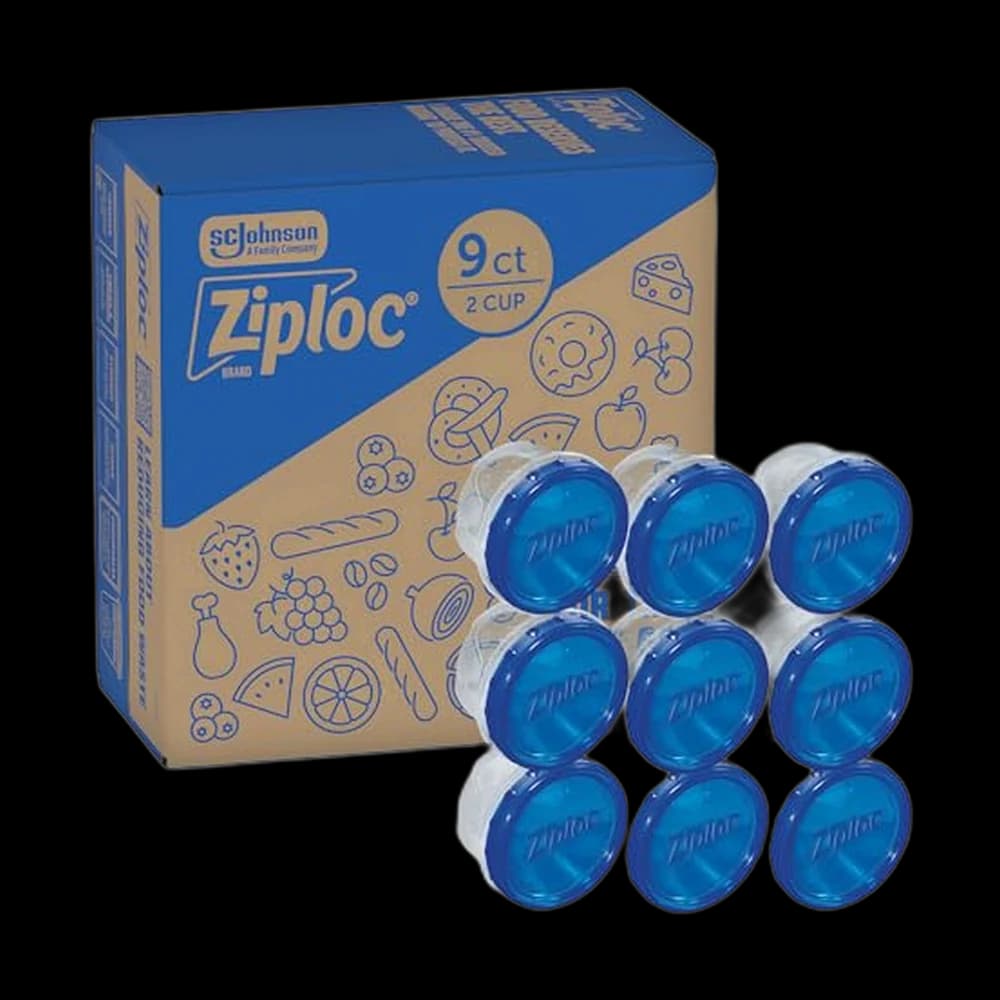
- Ziploc Twist 'n Loc Small, 9 Count4.8$16.49
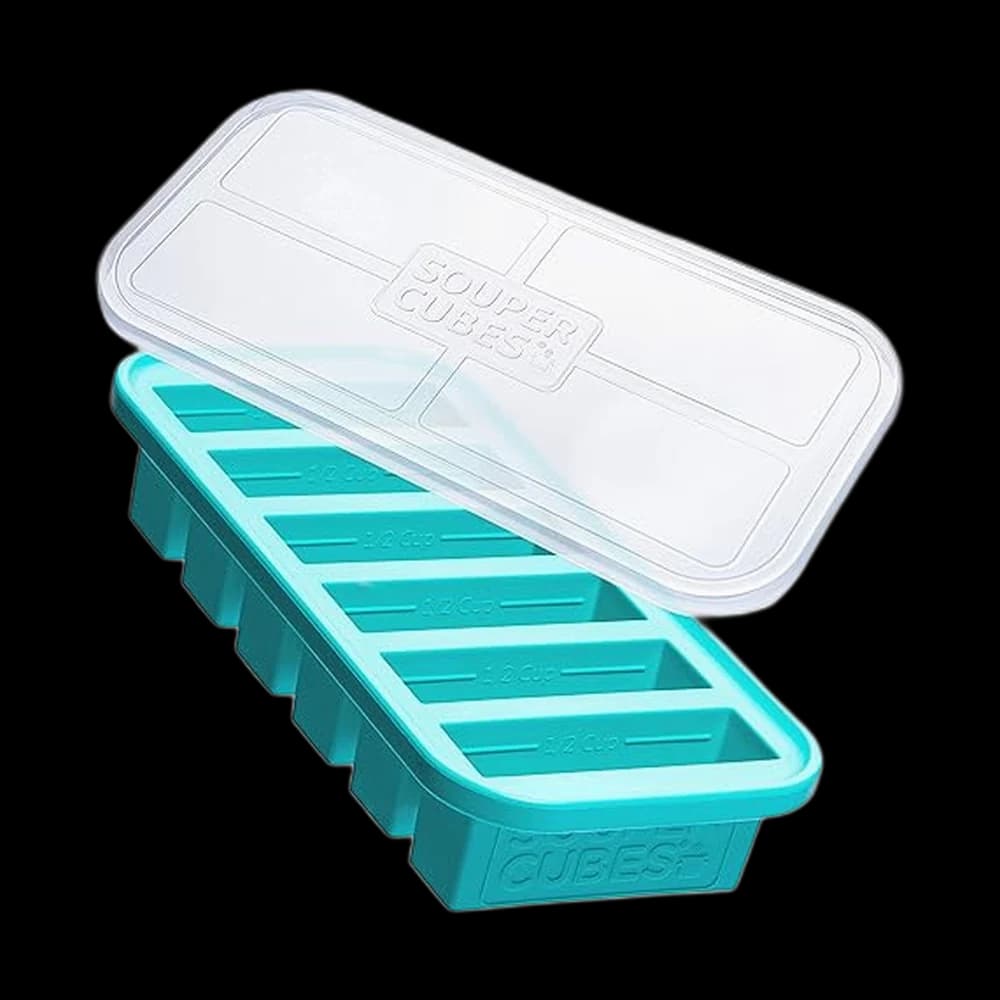
- Souper Cubes Half-Cup Freezer Tray4.8$21.99
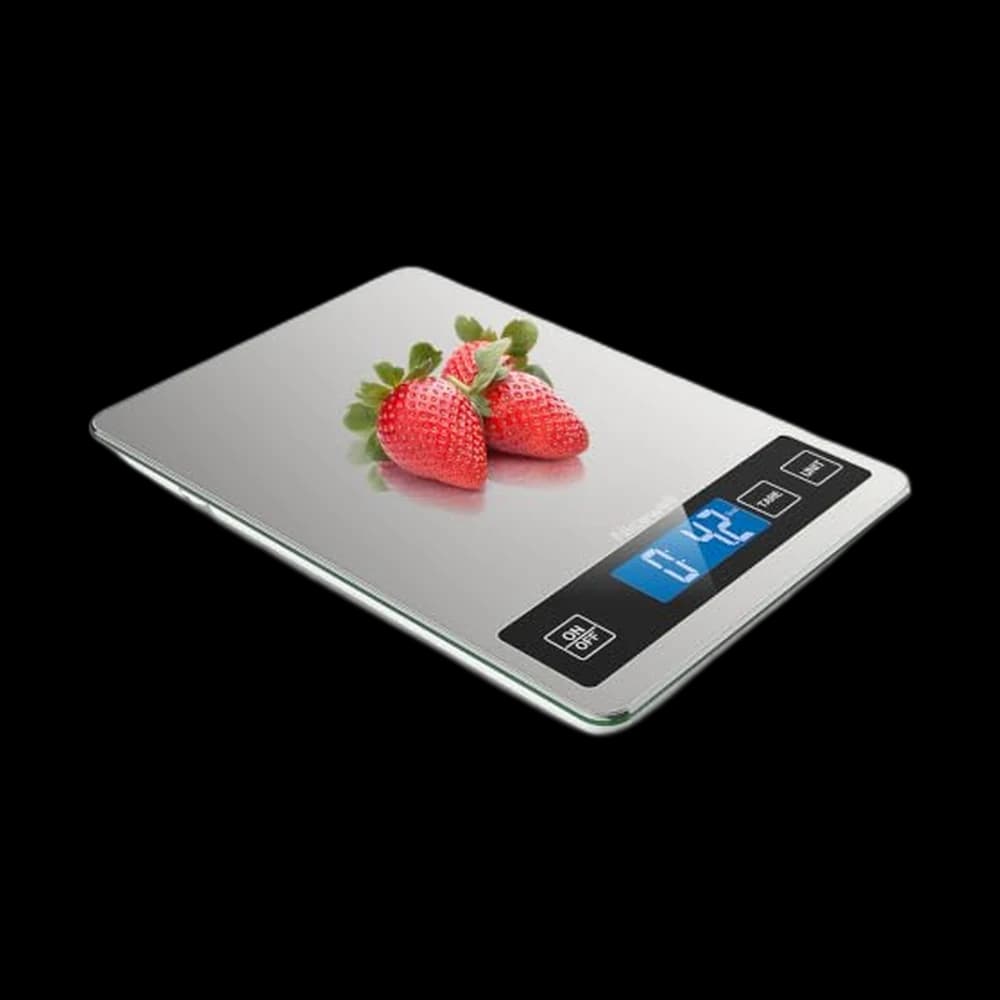
- Nicewell Digital Food Scale, 22 lb4.7$25.99