Electrolyte MixesDeep dive7 min
Electrolytes, ORS and Sports Drinks: The Difference
TL;DR
LeanFed may earn a commission from links on this page; it never changes a ranking. Full disclosure.
Call your prescriber todayBefore any product on this page
Before any of this: signs of dehydration are a call, not a shopping decision. If you cannot keep fluids down, if your urine is very dark or you are barely passing any, if you are dizzy or faint on standing, if your heart is racing, or if there is severe or persistent abdominal pain, contact your prescriber or urgent care now. Dehydration on top of reduced intake can get serious quickly, and nothing on this page replaces that call.
The short answer
Our pick
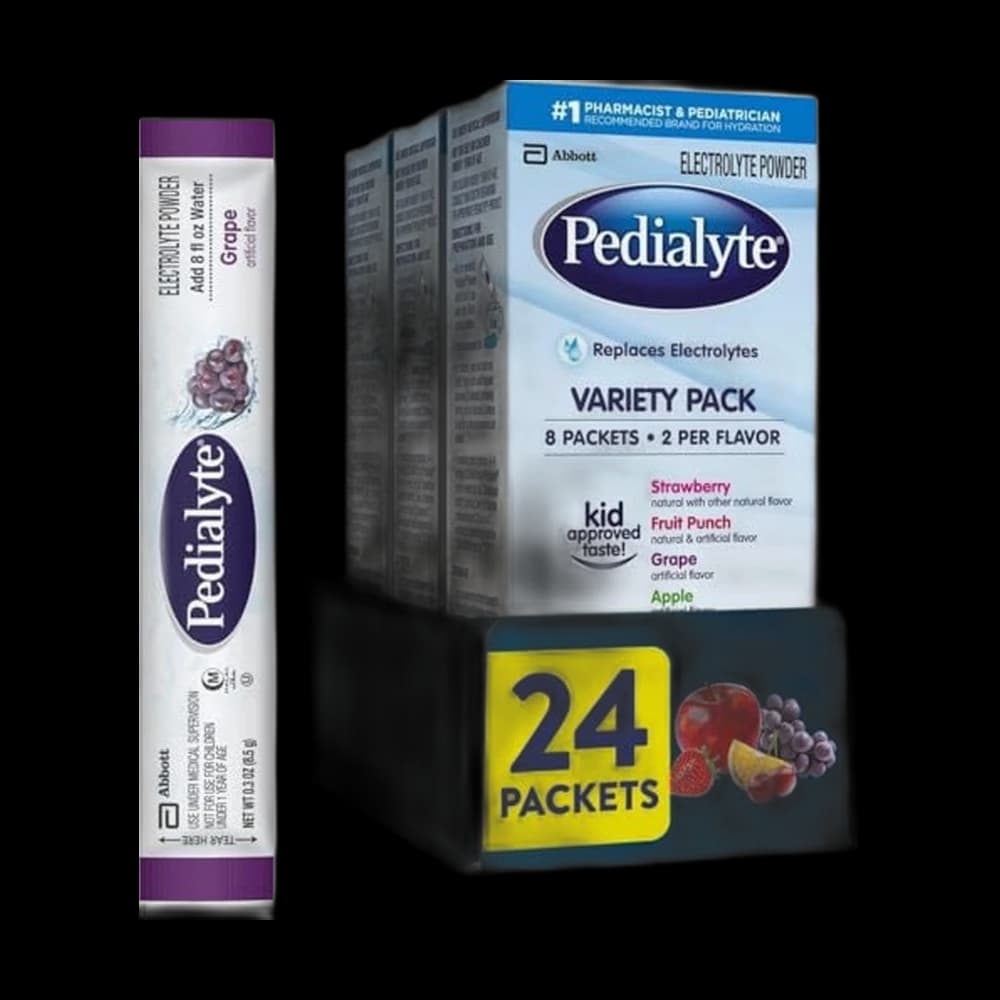
Pedialyte Electrolyte Powder Packets, On-the-Go Hydration Variety Pack- The pharmacy standard, pre-measured for 16 fl oz, when a rough day needs something familiar.
- You are keeping carbohydrate low — the sugar is part of how it works.
Three formulas built for three different jobs. What an oral rehydration solution is, what the sodium on each label means, and who should ask first.
Key takeaways
- Signs of dehydration are a call, not a purchase. Vomiting you cannot get ahead of, very dark urine, dizziness on standing or a racing heart go to your prescriber or urgent care.
- An ORS is glucose plus electrolytes in a set ratio — NIDDK names Pedialyte, Naturalyte, Infalyte and CeraLyte. The glucose is part of the design, so a zero-sugar ORS is a contradiction.
- Sodium is the line that separates the three jobs. Our catalogue runs from 55 mg per serving to 1,000 mg — 2 per cent to about 43 per cent of FDA's 2,300 mg Daily Value.
- Potassium milligrams are not on our spec sheets, and we will not invent them. Read the Supplement Facts panel; the Adequate Intake is 3,400 mg a day for men and 2,600 mg for women.
- Kidney disease, heart failure, blood pressure medicines and diuretics change this choice entirely — the Office of Dietary Supplements names ACE inhibitors and potassium-sparing diuretics specifically. Ask first.
Pick by your situation
| If your situation is… | Pick | Why |
|---|---|---|
| A rough day, and fluids are hard to keep down | An ORS-ratio mix such as DripDrop | Glucose plus electrolytes in an oral-rehydration ratio, which is what the format was designed for. If symptoms are real, call first. |
| Ordinary daily sipping, and plain water has got boring | Ultima Replenisher | 55 mg of sodium per serving, about 2 per cent of the Daily Value, and no sugar — flavour without much salt. |
| You have been told to watch sodium | The lowest-sodium mix here, and ask before you start | The spread in this category is 55 mg to 1,000 mg per serving. That is a clinical decision, not a flavour one. |
| A long walk or a hot afternoon | Nuun Sport tablets | Five electrolytes, about a gram of sugar, and it drops into the bottle already in your hand. |
| You want the familiar pharmacy-shelf option | Pedialyte powder packs | Pre-measured for 16 fl oz, and one of the products NIDDK names when it describes oral rehydration solutions. |
Each pick is one of the products compared below — a shortcut by situation, not a separate recommendation.
Electrolyte Mixes: our picks
| Pick | Best for | Rating | Price | Cost per serving | LeanScore | Buy |
|---|---|---|---|---|---|---|
| №1Pedialyte Electrolyte Powder Packets, On-the-Go Hydration Variety Pack | The pharmacy standard, in single-serve sticks. | ★ 4.7 | $26.61 | $1.11 / serving | 87 | Buy on Amazon |
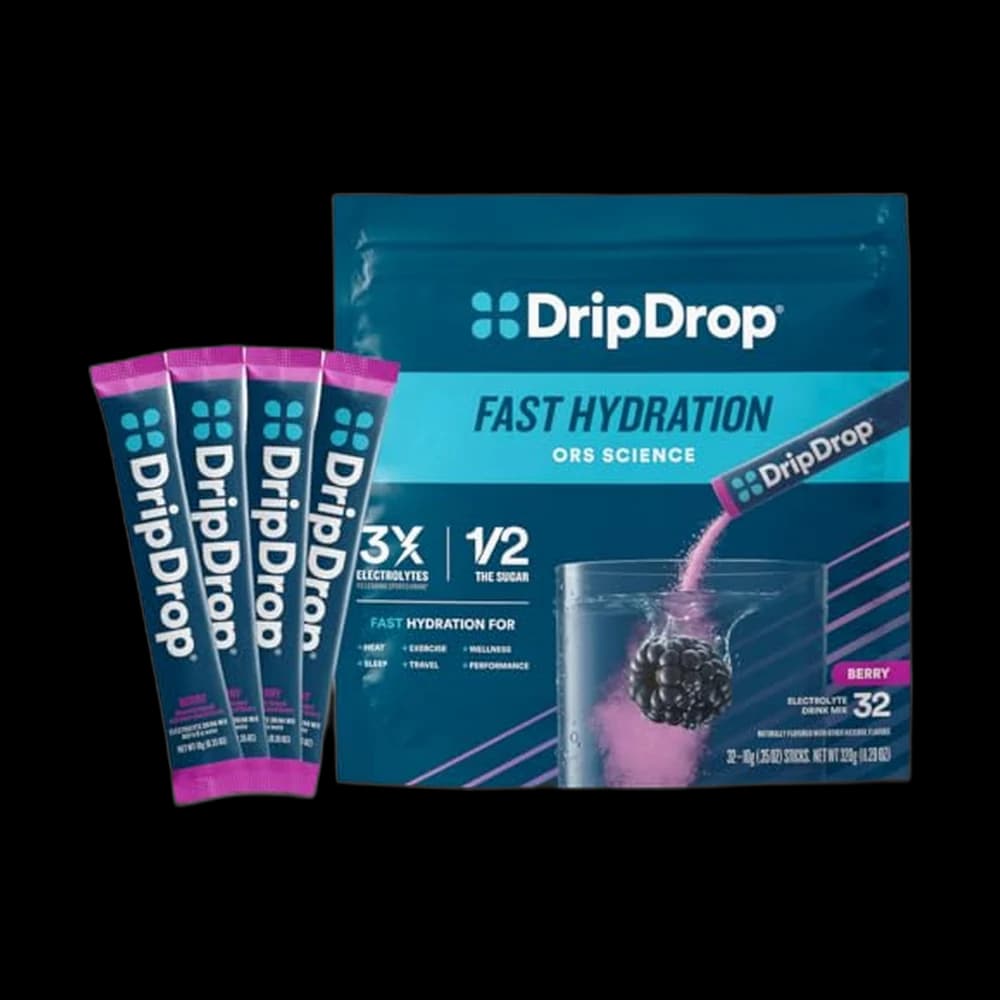 DripDrop Hydration Berry Electrolyte Packets, Powder Drink Mix, 32… DripDrop Hydration Berry Electrolyte Packets, Powder Drink Mix, 32… | Built to an oral-rehydration ratio rather than a sports one. | ★ 4.7 | $32.99 | $1.03 / serving | 83 | Buy on Amazon |
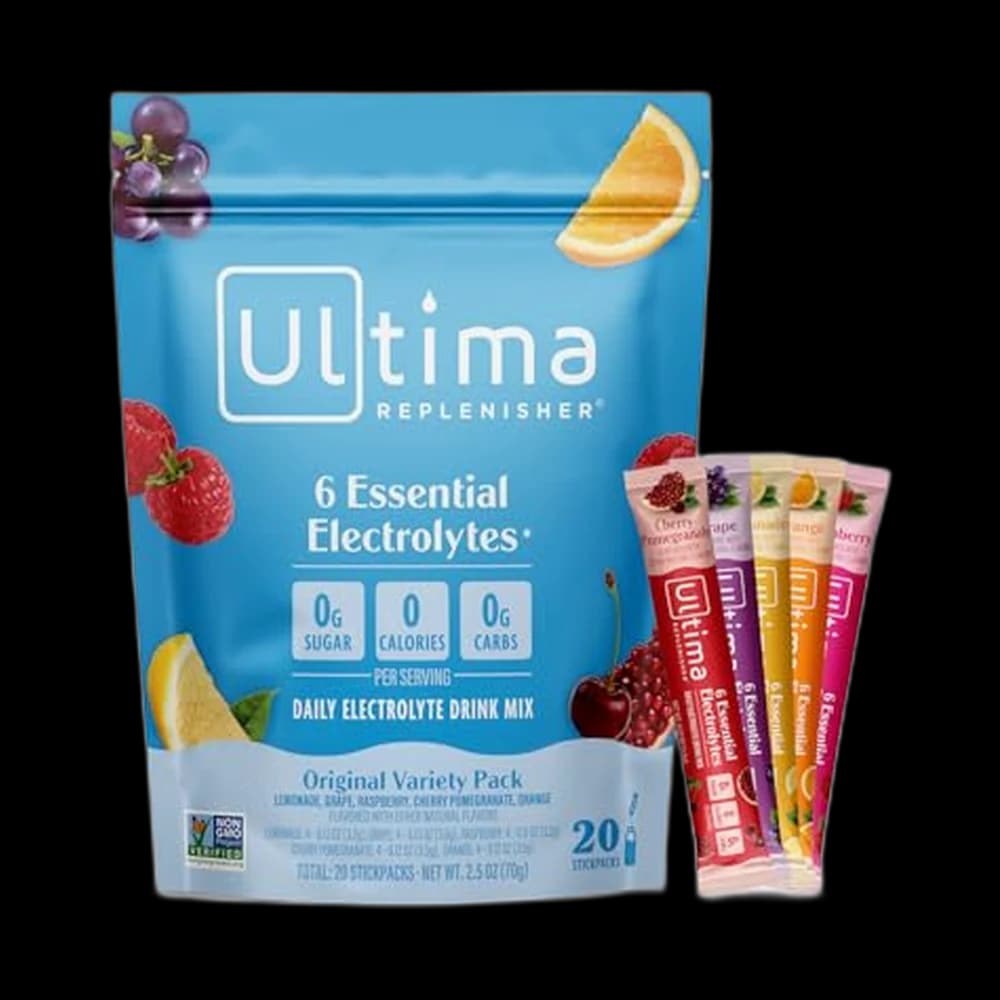 Ultima Replenisher Original Variety Electrolyte Packets, 20 Stickpacks Ultima Replenisher Original Variety Electrolyte Packets, 20 Stickpacks | Sugar-free and stevia-sweetened, in small stick packs. | ★ 4.6 | $20.99 | $1.05 / serving | 86 | Buy on Amazon |
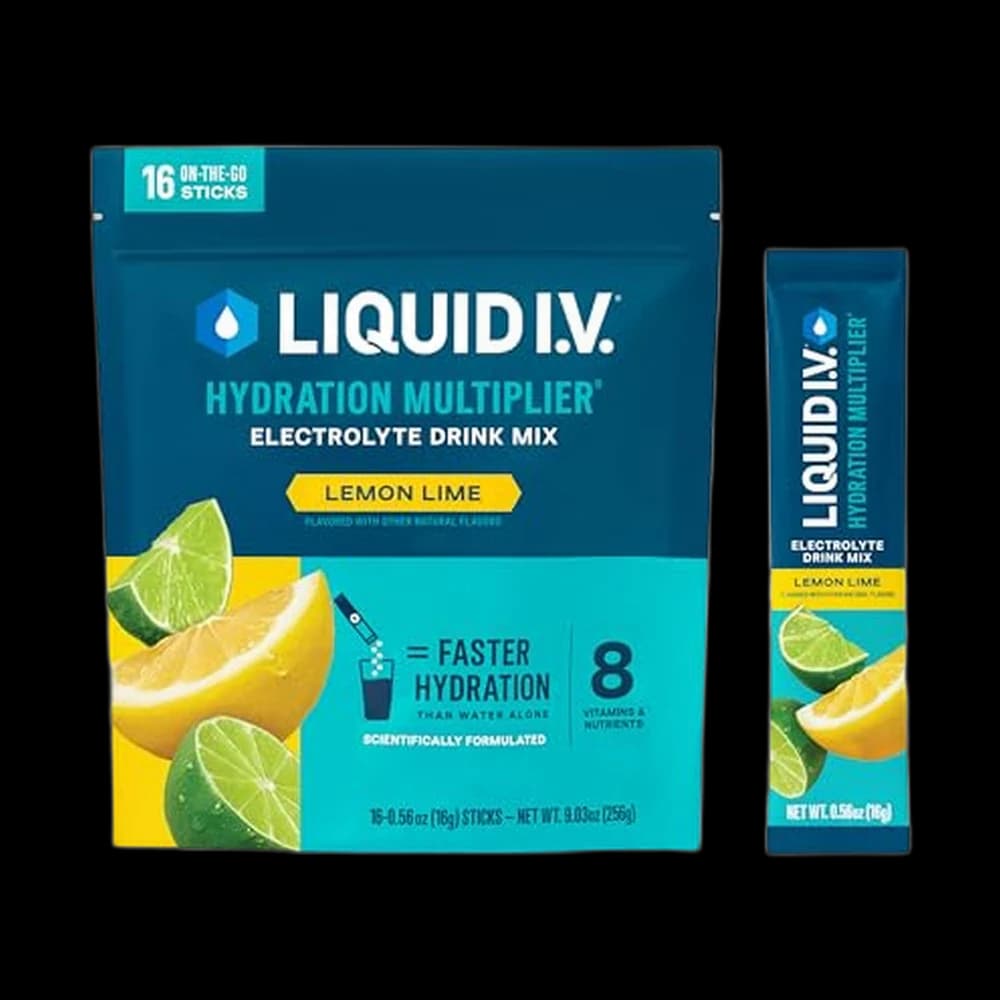 Liquid I.V. Hydration Electrolytes, Lemon Lime, 16 Count Liquid I.V. Hydration Electrolytes, Lemon Lime, 16 Count | Glucose-containing ORS-style mix; check the sugar line. | ★ 4.6 | $24.00 | $1.50 / serving | 83 | Buy on Amazon |
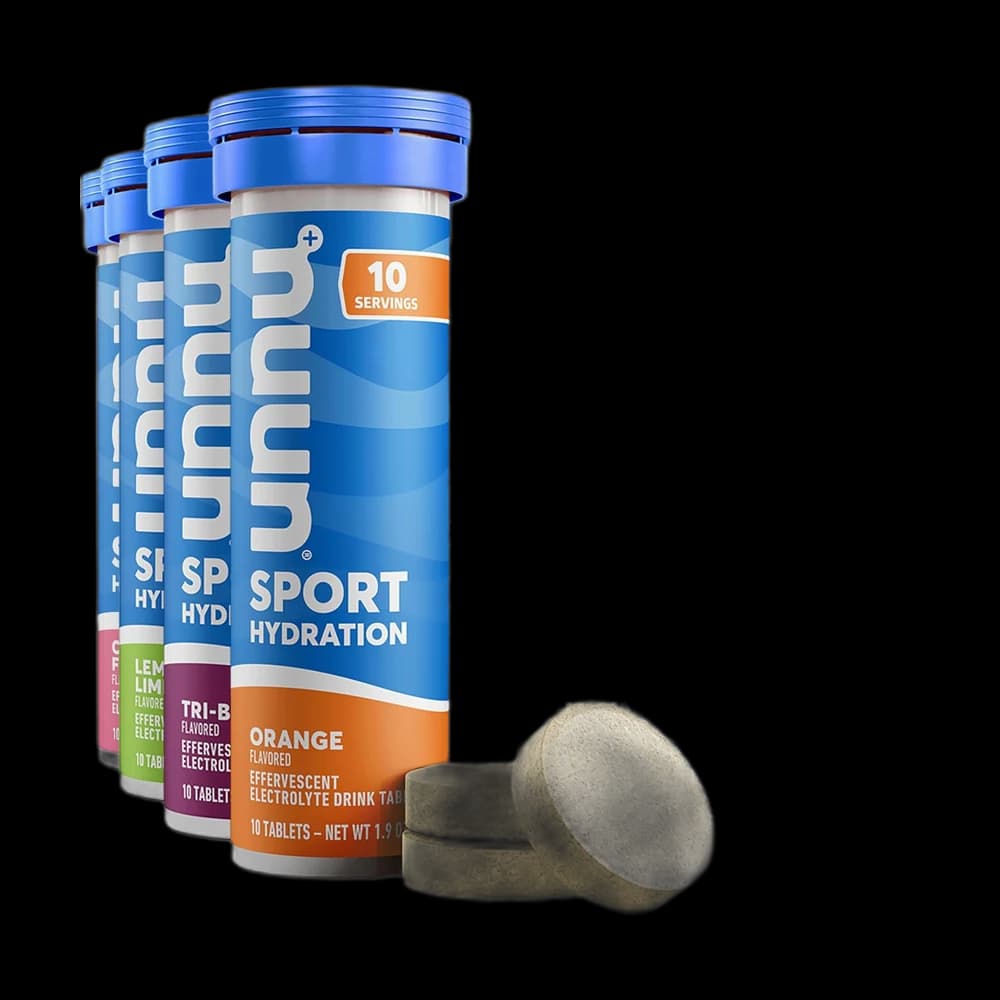 Nuun Sport Electrolyte Tablets Mixed Flavors, GF & Vegan, 4 Pack Nuun Sport Electrolyte Tablets Mixed Flavors, GF & Vegan, 4 Pack | Drop-in tablets with about a gram of sugar. | ★ 4.5 | $25.95 | $0.65 / serving | 79 | Buy on Amazon |
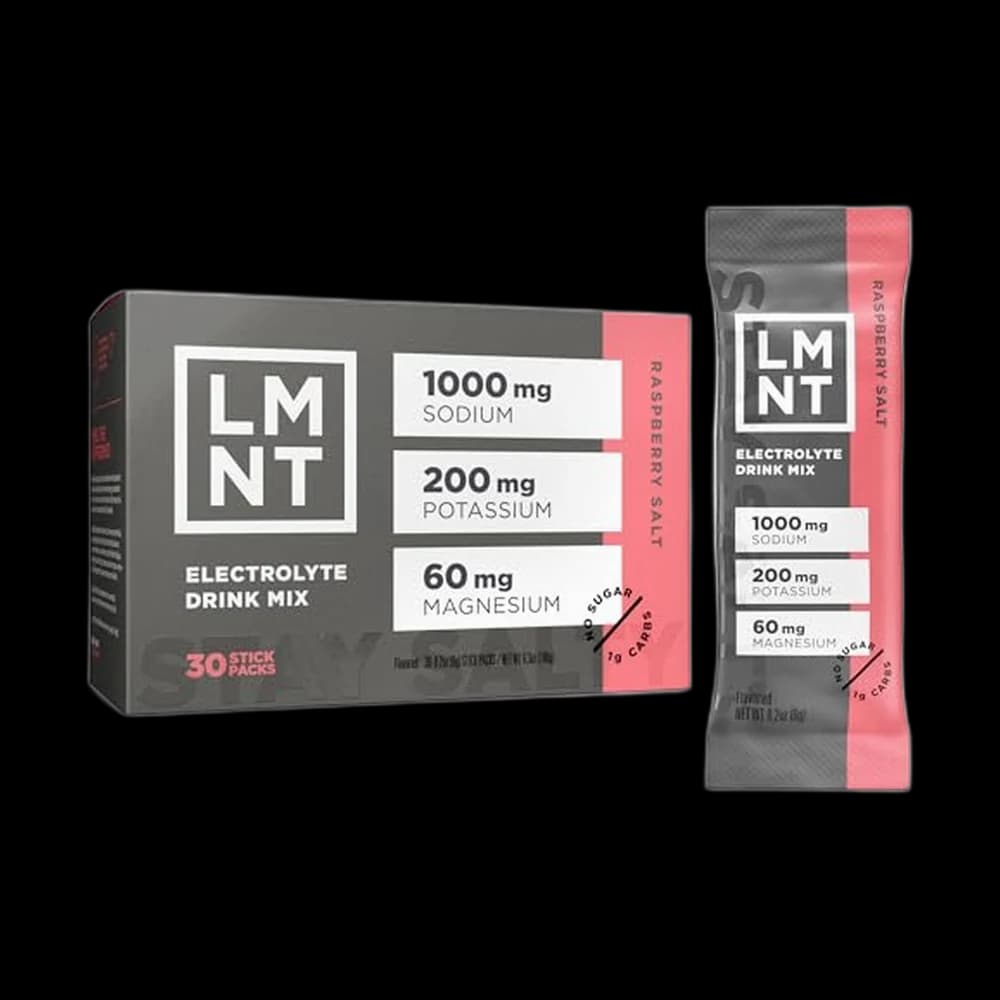 LMNT Zero Sugar Electrolytes LMNT Zero Sugar Electrolytes | Very high sodium, zero sugar — a deliberate choice, not a default. | ★ 4.6 | $45.00 | $1.50 / serving | 74 | Buy on Amazon |
Three products sit next to each other on the same shelf, in the same kind of stick pack, using most of the same words. When food is tolerable, a measured broth or sipping soup is another labelled source of fluid and sodium; it is food, not oral rehydration solution. These three mixes are built for different jobs, and the difference is legible on the back of the packet if you know which line to read.
Three formulas, three jobs
An oral rehydration solution is glucose plus in a ratio designed for replacing fluid losses. NIDDK describes them plainly as liquids that contain glucose and electrolytes, and names Pedialyte, Naturalyte, Infalyte and CeraLyte as examples. The glucose is not a sweetener in this formula; it is part of the mechanism, which is why an " with zero sugar" is a contradiction rather than an upgrade.
A sports formula is built around what sweat takes out over an hour or two of effort. Moderate sodium, some potassium, usually a little sugar for palatability rather than for volume, and often a tablet or tab format because you are already carrying a bottle.
A daily sipping mix is mostly flavour. It exists so that plain water is easier to get through, and its electrolyte content is often deliberately low. That is a legitimate product with a legitimate job — it just is not the same job as the first two.
What an oral rehydration solution actually is
NIDDK's guidance is worth reading directly rather than in summary. It says older adults, adults with a weakened immune system, and adults with severe diarrhea or symptoms of dehydration should drink oral rehydration solutions, and it names specific products rather than leaving it as a category. It also says that anyone with signs or symptoms of dehydration should see a doctor right away — the solution and the phone call are not alternatives to each other.
That is the frame this site uses. An ORS is a formulation, not a remedy, and the moment symptoms are real the product stops being the decision.
The sodium line, disclosed
Here is the number the marketing does not lead with. FDA's Daily Value for sodium is less than 2,300 mg per day, and the agency's rule of thumb is that 5 per cent of the Daily Value or less per serving is low and 20 per cent or more is high. Read our catalogue against that scale and the spread is enormous.
| Pick | Sodium per serving, per label | Share of the 2,300 mg Daily Value | Sugar | Format |
|---|---|---|---|---|
| Ultima Replenisher | 55 mg | About 2 per cent | 0 g | Stick packs |
| Pedialyte powder packs | 260 mg | About 11 per cent | Contains sugar | Stick packs, per 16 fl oz |
| Nuun Sport tablets | 300 mg | About 13 per cent | 1 g | Drop-in tablets |
| DripDrop | 330 mg | About 14 per cent | 7 g | Stick packs |
| Liquid I.V. | 500 mg | About 22 per cent | 11 g | Stick packs |
| LMNT | 1,000 mg | About 43 per cent | 0 g | Stick packs |
Two sticks of the last one is most of a day's Daily Value for sodium before you have eaten anything. That is not a criticism of the product — it is a deliberate formulation for people who have been told they are running short on salt, and the brand says so. It is a criticism of buying it because the packet is on the same shelf as the others.
The full spec sheets, ratings and breakdowns are on the electrolytes category page.
Potassium, and the number we are not printing
Every mix in the table above except one lists potassium among its electrolytes. What our spec sheets do not carry is the milligrams, because the brands do not all publish it in the same place — and inventing a figure for a mineral with real clinical consequences is not something this site will do. Read the Supplement Facts panel on the packet you are actually holding.
For scale: the NIH Office of Dietary Supplements gives the Adequate Intake for potassium as 3,400 mg a day for adult men and 2,600 mg for adult women, and notes that your body needs potassium for almost everything it does, including proper kidney and heart function, muscle contraction and nerve transmission.
Kidney, heart and blood pressure — ask before you sip
This is the part of the category that gets skipped, and it is the part that matters most.
The Office of Dietary Supplements is direct: potassium from food and beverages has not been shown to cause harm in healthy people with normal kidney function — but people with chronic kidney disease, and people taking medicines such as ACE inhibitors or potassium-sparing diuretics, can have potassium levels rise dangerously. Salt substitutes and supplements are named as a route to that.
On the sodium side, FDA is equally direct: diets higher in sodium are associated with an increased risk of developing high blood pressure, which is a major cause of stroke and heart disease.
So the rule here is short. If you have kidney disease, heart failure or high blood pressure, if you take a diuretic or a blood pressure medicine, or if you are managing diabetes, the choice between a 55 mg mix and a 1,000 mg mix is a clinical question and not a flavour preference. Bring the packet — or a photo of the panel — to your prescriber or pharmacist. They can read it in ten seconds.
Daily sipping is a different question from a rough day
Most of the time, the product that gets used is the one that makes plain water go down easier. That is a flavour problem, and a low-sodium mix solves it without contributing much to a daily sodium total that is, for most people in the US, already above the guideline.
A rough day is a different question, and it is the one an ORS-ratio formula was designed for. Glucose is in the formula on purpose, so a zero-sugar packet is not the one to reach for. Whether that is the right call for you on that day is a question for your prescriber, especially if you are managing blood glucose — and if the day has tipped into the symptoms in the block at the top of this page, the product is no longer the decision.
A long walk in the heat is the third question, and that is what the sports formulas are built around.
Read the packet in this order: sodium first, then sugar, then everything else. Those two lines tell you which of the three jobs the product was designed for, and the front of the box usually does not.
Sugar is a feature in one of these and a cost in the others
Nothing in this category is trying to hide the sugar; it is on the label. But the framing differs, and "zero sugar" is treated as an unambiguous virtue in a category where it sometimes means the formula has been rebuilt for a different purpose.
For an oral rehydration ratio, glucose belongs there. For a daily sipping mix, it does not need to. For a sports tablet, a gram is about palatability. Ultima uses organic stevia leaf and lands at zero; LMNT is zero sugar and very high sodium; Liquid I.V. carries 11 grams of sugar per stick and says openly that the glucose is deliberate. Three honest products, three different designs.
What the label does not tell you
It does not tell you how much fluid you should be drinking. That number depends on your size, your health, your activity level and where you live, and NIDDK's advice is to ask a health care professional rather than adopting a figure off a website. If you already have a figure from your clinician, our sip schedule tool lays it out across a day in amounts a small stomach can take.
It does not tell you whether an electrolyte mix is the reason you feel better, or whether drinking anything at all would have done it. These products may help with intake, comfort and convenience — they do not treat or prevent a symptom, and any page telling you otherwise is selling something.
And it does not tell you what your medication is doing. Decreased appetite, nausea, vomiting and diarrhea appear on the FDA labels for these medications, and how they interact with your fluid intake is a conversation with the person who prescribed them.
Your next step
Whichever mix you land on, it still has to be easy to sip.
Frequently asked
The questions that keep coming up
What is the actual difference between an ORS and a sports drink?
The ratio, and what it was designed to replace. An oral rehydration solution is glucose plus electrolytes formulated for fluid losses — NIDDK describes them that way and names Pedialyte, Naturalyte, Infalyte and CeraLyte. A sports formula is built around what sweat removes during exercise, usually with less sodium and less glucose. Neither is a better product; they are answers to different questions.
Is more sodium better?
No — it is a different formulation for a different situation. FDA's Daily Value for sodium is less than 2,300 mg a day, so a 1,000 mg stick is roughly 43 per cent of it before you have eaten. If you have been told to watch sodium, that is the number to take to your prescriber rather than a reason to pick the strongest packet on the shelf.
Can I use these every day?
That depends on which one and on you. A 55 mg mix is close to flavoured water; a 1,000 mg mix is a meaningful share of a day's sodium. Kidney disease, heart failure, high blood pressure, diuretics and blood-pressure medicines all change the answer, and the Office of Dietary Supplements specifically flags ACE inhibitors and potassium-sparing diuretics as a route to dangerously high potassium in people with kidney problems.
Why does an oral rehydration formula contain sugar?
Because the glucose is part of the formulation rather than a sweetener. NIDDK defines these solutions as liquids containing glucose and electrolytes. A zero-sugar product may be an excellent daily sipping mix, but it is not the same category of thing, whatever the front of the box implies.
How much fluid should I be drinking?
That is not a number this site will give you. NIDDK's own guidance is to ask a health care professional how much liquid you should drink each day based on your size, health, activity level and where you live. Once you have a figure, our sip schedule tool spreads it across a day in small amounts.
Sources & further reading
We research from primary and authoritative sources. Where our guidance rests on a fact, here's where it comes from.
- NIDDK — Treatment for Viral Gastroenteritis (Stomach Flu) — Source for the definition of oral rehydration solutions as liquids containing glucose and electrolytes, the named examples (Pedialyte, Naturalyte, Infalyte, CeraLyte), the groups advised to drink them, and the instruction to see a doctor right away for signs of dehydration.
- NIH Office of Dietary Supplements — Potassium: Consumer Fact Sheet — Source for the 3,400 mg and 2,600 mg Adequate Intakes, potassium's role in kidney and heart function, and the caution that chronic kidney disease plus ACE inhibitors or potassium-sparing diuretics can raise potassium dangerously.
- FDA — Sodium in Your Diet — Source for the Daily Value of less than 2,300 mg of sodium per day, the 5 per cent low / 20 per cent high thresholds, and the association between higher-sodium diets and high blood pressure.
- FDA — Serving Size on the Nutrition Facts Label — Source for how serving sizes are expressed and for the statement that a serving size is not a recommendation of how much to eat or drink — the reason per-serving comparisons need the serving checked first.
LeanFed is not medical advice and is not a substitute for your prescriber, pharmacist or dietitian. We do not test products hands-on — we compare labels, specifications and owner reviews. Prices and LeanScores reflect our most recent research and refresh on a cycle; confirm the current price and read the product's own label before buying. We may earn a commission from affiliate retailers — it never changes our recommendations. See how we score.