Fiber SupplementsDeep dive6 min
Fiber Supplements and GLP-1 Constipation: Start Here
TL;DR
LeanFed may earn a commission from links on this page; it never changes a ranking. Full disclosure.
Call your prescriber todayBefore any product on this page
Before anything else on this page: severe or persistent abdominal pain, repeated vomiting, blood in the stool, or several days with no bowel movement alongside worsening pain or bloating are reasons to contact your prescriber today — not reasons to buy a supplement. Fiber is a nutrient. Nothing in this category is a treatment for a medical problem, and no product here is a substitute for a conversation with the person who prescribed your medication.
The short answer
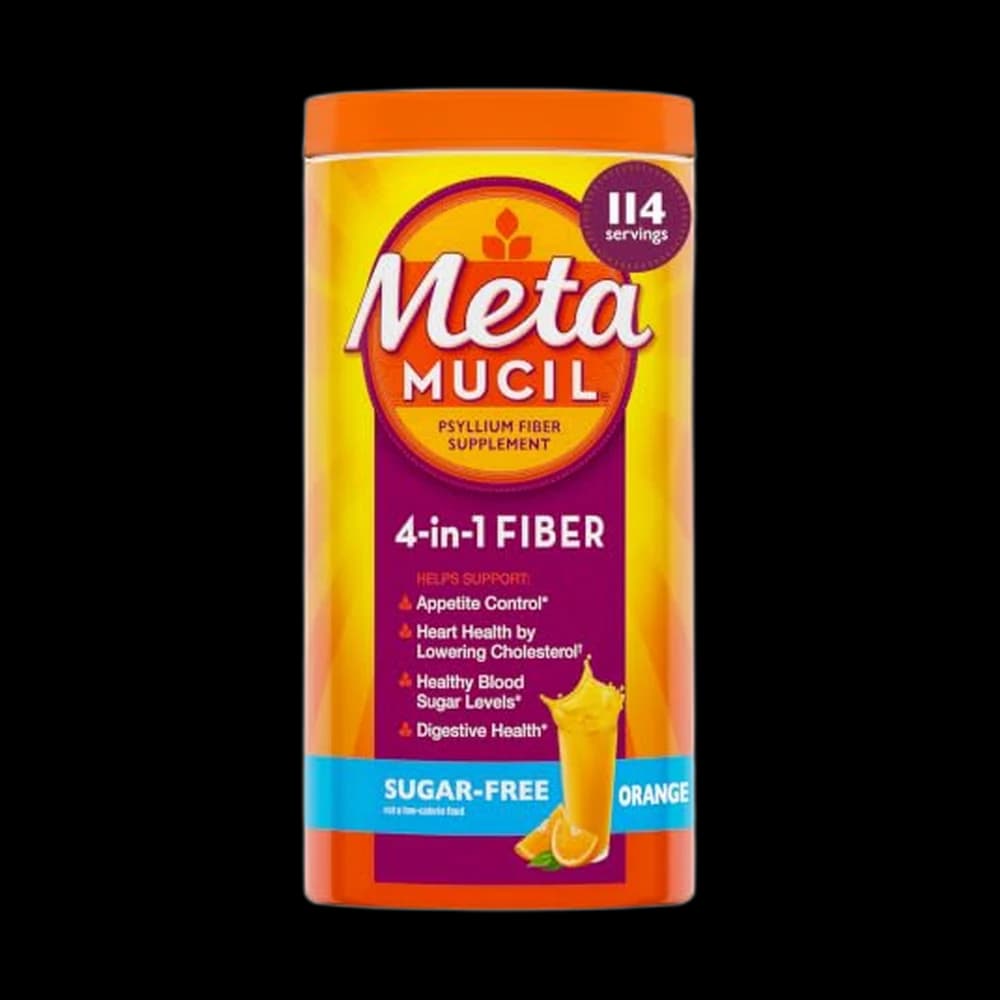
Our pick
Metamucil 4-in-1 Psyllium Husk GLP-1 Friendly Fiber Supplement,…- The most-studied fiber type, in the tub that is on every pharmacy shelf.
- Grit bothers you — psyllium thickens fast and has to be drunk quickly.
Psyllium, PHGG, wheat dextrin and methylcellulose compared, what NIDDK says about ramping slowly with fluid, and the red flags that go to your prescriber.
Key takeaways
- Red flags come first. Severe or persistent abdominal pain, repeated vomiting, blood in the stool, or days without a bowel movement alongside worsening pain go to your prescriber, not to a supplement aisle.
- NIDDK's advice is a ramp, not a dose. Add fiber a little at a time so the body adjusts, and drink liquids to help the fiber work better. Adults are generally advised to get 22 to 34 grams of fiber a day.
- Compare labels, not symptoms. Fiber type, serving amount and mixing directions differ. Ask your pharmacist or prescriber whether a supplement suits your situation; clear dissolving does not establish better tolerance.
- One product at a time. A bar, a fortified cereal and a scoop in the same week make it impossible to tell what you are reacting to.
- Most doses close 2 to 6 grams of the gap. The FDA's Daily Value for fiber is 28 grams, which is the honest scale of what a scoop does.
Pick by your situation
| If your situation is… | Pick | Why |
|---|---|---|
| Fullness is already your limiting symptom | Sunfiber PHGG | Low-bulk and slow-fermenting, so it adds far less volume to a stomach that is emptying slowly. |
| You want the cheapest well-studied fiber | Metamucil psyllium powder | Psyllium husk is on the FDA's list of recognised isolated fibers and is the most-named ingredient in the communities. |
| You want one ingredient and no flavouring | Konsyl daily psyllium | Unflavored psyllium with nothing else in the jar, so it can go into food rather than a glass. |
| You want it invisible in coffee or soup | Benefiber original | Wheat dextrin dissolves clear and does not change how a drink tastes or looks. |
| Fermentable fibers give you gas | Citrucel powder | Methylcellulose is the route people take when gas rather than transit is the problem. |
| You cannot face another gritty glass | NOW psyllium husk caps | Same fiber in capsules — check the panel for how many equal one powder dose. |
Each pick is one of the products compared below — a shortcut by situation, not a separate recommendation.
Fiber Supplements: our picks
| Pick | Best for | Rating | Price | Cost per serving | LeanScore | Buy |
|---|---|---|---|---|---|---|
| №1Metamucil 4-in-1 Psyllium Husk GLP-1 Friendly Fiber Supplement,… | The most-studied psyllium powder, in the biggest tub. | ★ 4.7 | $29.99 | $0.53 / serving | 82 | Buy on Amazon |
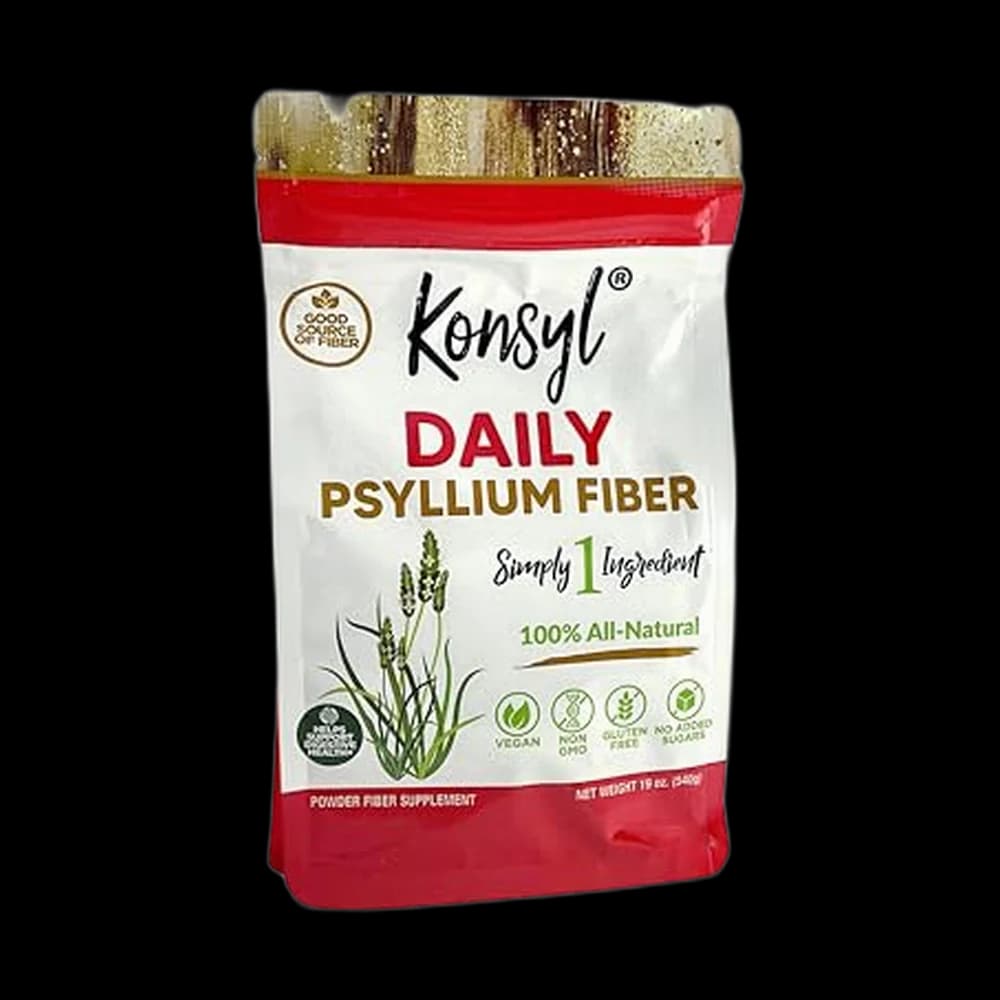 Konsyl Daily Psyllium Fiber Powder Konsyl Daily Psyllium Fiber Powder | Unflavored psyllium with nothing else in the jar. | ★ 4.5 | $25.99 | $0.29 / serving | 71 | Buy on Amazon |
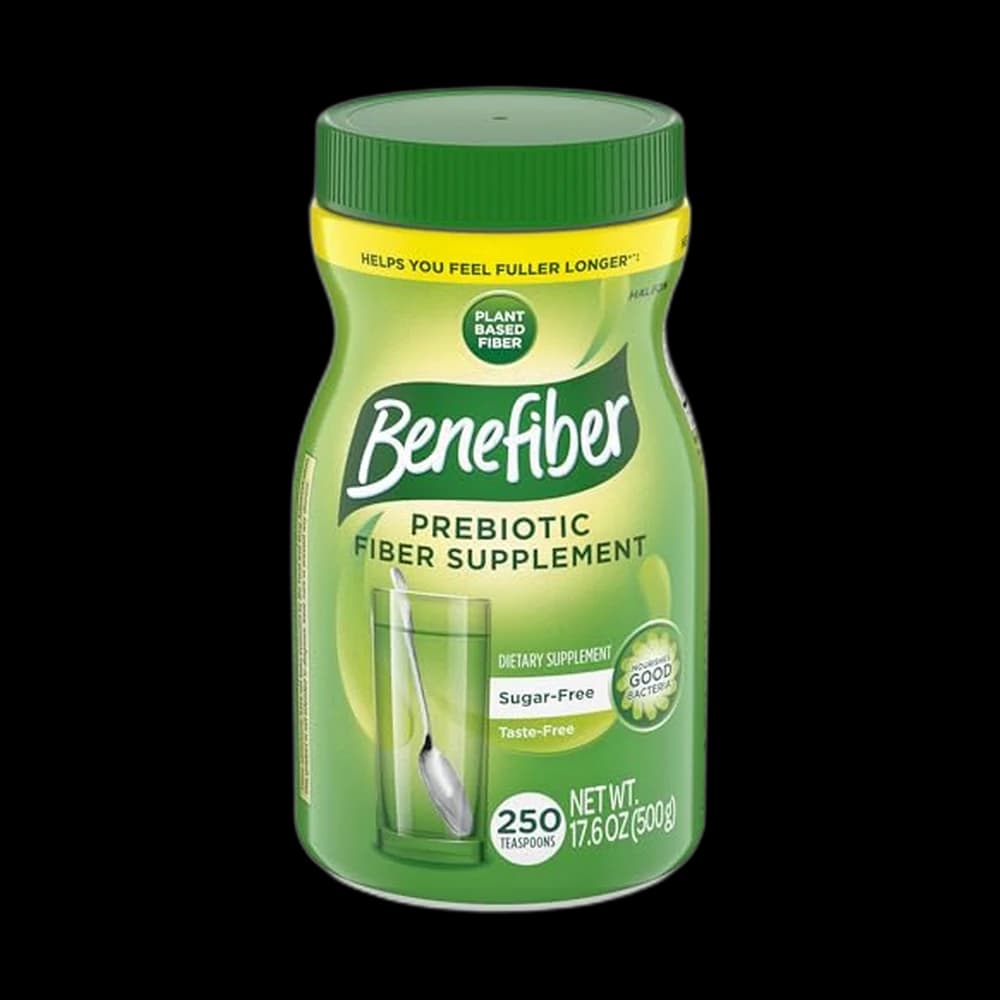 Benefiber Prebiotic Fiber Supplement Powder, Unflavored, 250 Teaspoons Benefiber Prebiotic Fiber Supplement Powder, Unflavored, 250 Teaspoons | Wheat dextrin that dissolves clear into any drink. | ★ 4.7 | $22.98 | $0.09 / serving | 91 | Buy on Amazon |
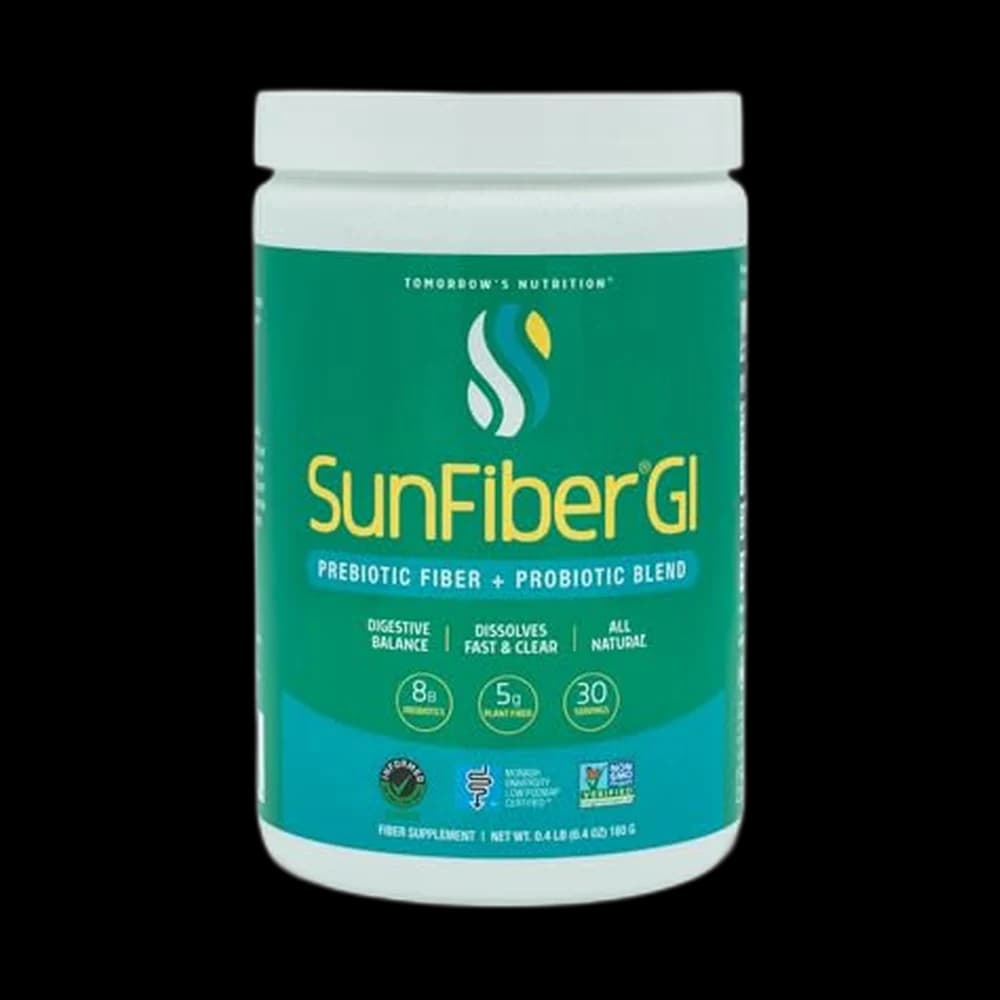 Tomorrow's Nutrition Sunfiber GI Prebiotic Fiber, 30-Day Supply Tomorrow's Nutrition Sunfiber GI Prebiotic Fiber, 30-Day Supply | Partially hydrolyzed guar gum, the low-bulk option. | ★ 4.6 | $29.99 | — | 81 | Buy on Amazon |
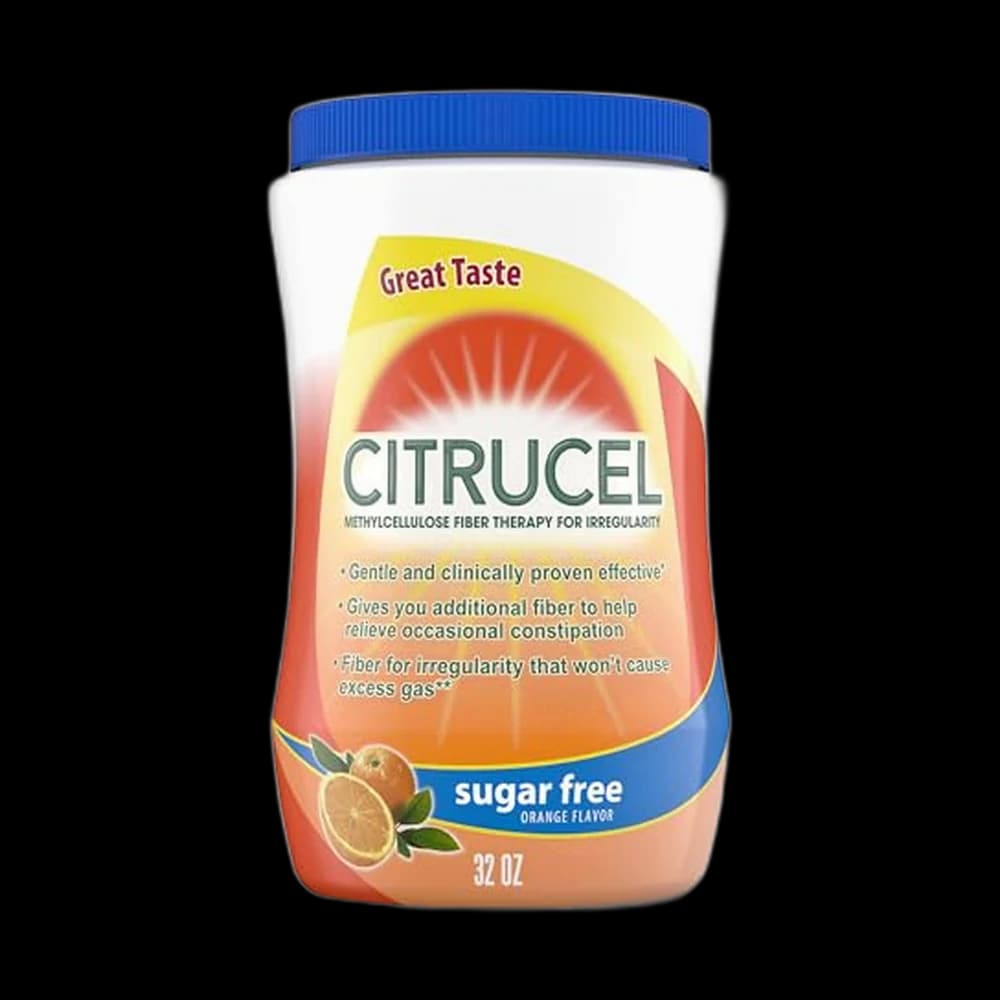 Citrucel Powder Fiber Therapy for Occasional Constipation Relief,… Citrucel Powder Fiber Therapy for Occasional Constipation Relief,… | Non-fermenting fiber, often gentler on gas. | ★ 4.7 | $39.30 | — | 75 | Buy on Amazon |
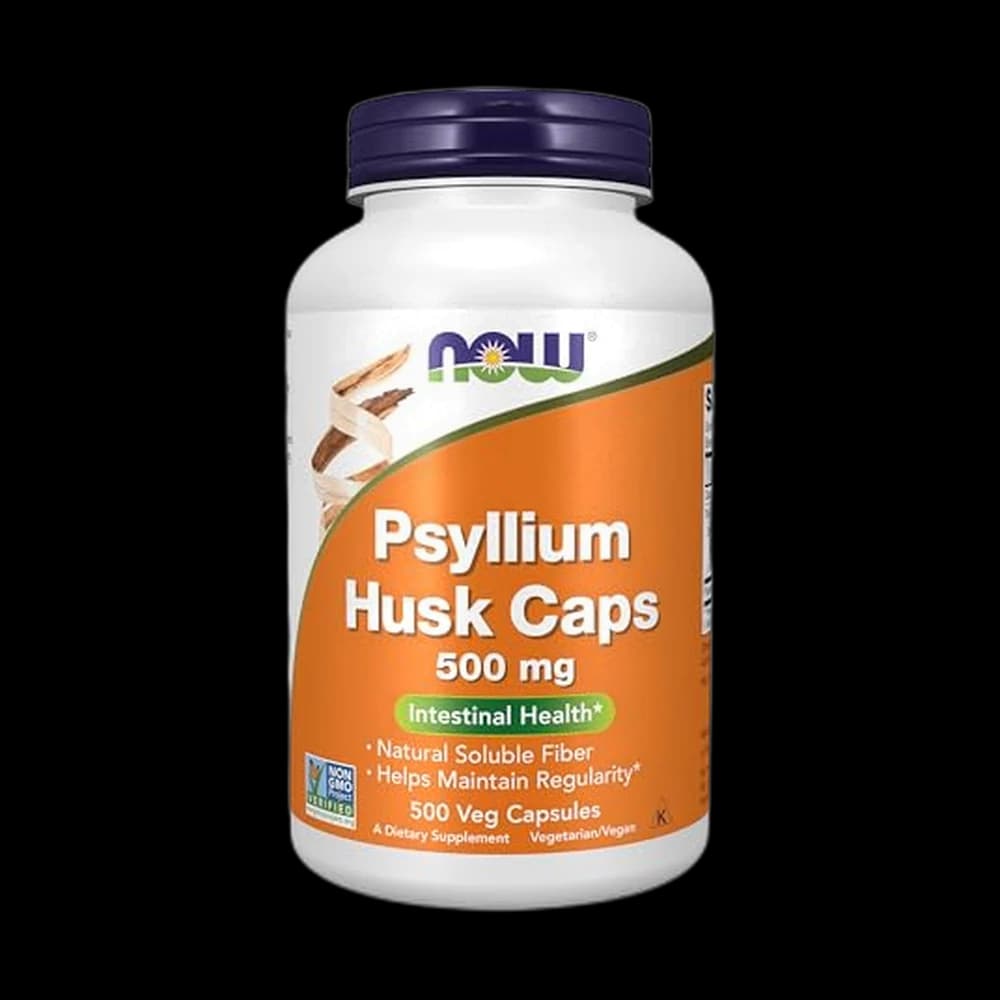 NOW Foods Supplements, Psyllium Husk Caps 500 mg, Non-GMO Project… NOW Foods Supplements, Psyllium Husk Caps 500 mg, Non-GMO Project… | Capsules for people who cannot face another gritty glass. | ★ 4.6 | $23.09 | $0.05 / serving | 85 | Buy on Amazon |
Appetite drops, food volume drops, and fiber drops with it — usually further than anyone expects, because the foods that go first tend to be the bulky plant ones. That is the gap a fiber supplement is filling. It is a gap-filler with a specific, understandable job, and it works best when you treat it that way.
Read the picks against the fiber type, not the brand
| Pick | Fiber type | Form | Best for |
|---|---|---|---|
| Metamucil psyllium powder | Psyllium husk | Powder, orange | The most-studied fiber, in the tub every pharmacy stocks |
| Konsyl daily psyllium | Psyllium husk | Powder, unflavored | One ingredient, no flavour — it can go into food |
| Benefiber original | Wheat dextrin | Powder, unflavored | Dissolving clear into coffee or soup |
| Sunfiber PHGG | Partially hydrolysed guar gum | Powder | Clear-dissolving powder; suitability is a pharmacist question |
| Citrucel powder | Methylcellulose | Powder, orange | Methylcellulose option; check ingredients and directions |
| NOW psyllium husk caps | Psyllium husk | Capsules | Anyone who cannot face another gritty glass |
Full specs, ratings and the breakdown live on the fiber supplements category page.
What the NIDDK page actually says
It is worth reading the primary source rather than a summary of a summary. NIDDK's diet and nutrition page for constipation makes three points, and all three matter more than the brand you pick:
- A target. "Depending on your age and sex, adults should get 22 to 34 grams of fiber a day."
- A ramp. "Be sure to add fiber to your diet a little at a time so your body gets used to the change."
- A pairing. You should drink water and other liquids "to help the fiber work better."
It also says to ask a health care professional, such as a dietitian, to plan the right amount of fiber for you, and to ask about how much liquid you should be drinking given your own situation. That is the honest ceiling on what a shopping page can tell you.
Two numbers from the FDA sit alongside it. The Daily Value for dietary fiber on a Nutrition Facts label is 28 grams a day, and a serving is considered high at 20 percent DV or more and low at 5 percent DV or less. Most supplement doses land between 2 and 6 grams, which tells you honestly how much of the gap one scoop closes.
Rule of thumb: a fiber supplement is not the fiber plan. It is one line item in a plan whose other lines are food and fluid.
Bulk-forming or not — the fork in the road
This is the decision that actually changes how you feel, and it gets almost no attention in product marketing.
Bulk-forming fibers — is the archetype — absorb water and form a gel, adding physical volume. Psyllium husk is one of the isolated fibers the FDA has determined has a beneficial physiological effect, so it counts as dietary fiber on a label. It is cheap, widely studied, and the single most-named ingredient in the communities. Its downside is the same as its mechanism: it adds bulk to a stomach that is already emptying slowly.
Lower-bulk fibers dissolve clear and add far less volume. Guar gum and resistant maltodextrin (wheat dextrin's category) are also on the FDA's recognised list, so a clear-dissolving powder is not a lesser fiber — it is a different texture doing a similar job. Partially hydrolysed guar gum ferments slowly; wheat dextrin disappears into coffee without changing it.
Methylcellulose is the third path, used by people who find fermentable fibers produce gas they cannot tolerate.
The fiber type and mixing texture are useful label differences, but they do not tell us which product is appropriate for your symptoms. Ask your pharmacist or prescriber whether a supplement fits your situation, particularly if fullness, pain or constipation is persistent. A clear-dissolving powder is not evidence of better tolerance for you.
Ramp slowly. Always with fluid. One product at a time
What actually helps:
- Ask your pharmacist or prescriber how to introduce a fiber supplement, and follow the specific product instructions.
- Check its mixing and fluid directions against any fluid restrictions your care team has set.
- Add one product at a time. A fiber bar, a fortified cereal and a scoop of powder in the same week leaves you unable to tell which one you are reacting to.
- Ask your prescriber when to reassess persistent constipation rather than using this page to set a waiting period.
What people try that tends to backfire:
- Jumping straight to a full label dose because the constipation is already miserable.
- Stacking a bulk-forming powder on top of an appetite that already stops at three bites.
- Buying a "cleansing" or "detoxifying" blend. A fiber supplement that promises to fix a medication side effect is making a claim it is not allowed to make.
- Treating gummies as a gap-filler. They usually carry a couple of grams per serving at the highest price per gram on the shelf. Fine as a habit; poor as a plan.
What the communities keep circling back to
Paraphrasing the recurring themes in r/Mounjaro and r/Zepbound rather than quoting anyone: constipation comes up constantly, often from people who had never had it before, and new users are routinely told to plan for it rather than wait for it. Plain psyllium is the most-recommended single ingredient, almost always attached to an instruction to drink far more water than expected and to start smaller than the label says.
The counterpoint is just as consistent and worth taking seriously: a substantial group reports that bulk fiber made things worse for them, on the reasoning that the problem is slowed transit rather than missing bulk. Several people also describe switching away from sugar-free fiber gummies because of gas, blaming the sweeteners rather than the fiber.
That split is exactly why this page refuses to name one winner for everyone.
Format: powder, capsule or nothing
Powder gives you dose control and the best cost per gram, and it is the only format where a quarter-dose ramp is easy. Capsules are convenient and travel well, but check the panel — several capsules can be needed to equal one powder scoop, so read the number before assuming they are equivalent. Whichever you choose, the fluid instruction does not change.
And if food is still realistic for you, food is the route both NIDDK and the FDA lead with. On a small appetite that is often not realistic, which is the whole reason this category exists — but it is worth checking before you buy, not after.
Where this sits in the Path
Constipation tends to show up in the Starting and Adjusting stages, at the same time as the fluid habit is being built. The two are related: fiber and fluid are a pair, so it is worth reading this alongside the water bottle guide rather than in isolation. If nausea is the bigger problem right now, the ginger and comfort category is the neighbouring page — with the same caveat about red flags going to your prescriber first.
Your next step
Fiber only works with fluid, and fluid is easier with the right bottle.
Frequently asked
The questions that keep coming up
Which fiber type should I start with if I already feel full all the time?
Fiber type and mixing texture are label differences, not a reliable way to select a product for persistent fullness or constipation. Ask your pharmacist or prescriber whether a supplement is appropriate for your symptoms and which instructions to follow. Clear dissolving does not establish better tolerance for you.
How much fiber am I aiming for?
NIDDK says adults should get 22 to 34 grams a day depending on age and sex, and the FDA's Daily Value used on Nutrition Facts labels is 28 grams. Most supplement doses supply 2 to 6 grams, so a scoop is a partial gap-filler rather than the whole target.
Do I really need to drink extra water with fiber?
NIDDK pairs the two explicitly: drink water and other liquids to help the fiber work better. Taking a fiber supplement without enough liquid is the most common way it causes discomfort. How much liquid is right for you is a question for your clinician.
Are capsules as good as powder?
Compare the fiber type and serving amount on the actual product label. Several capsules may supply a different amount than a powder scoop; the form alone does not establish equivalent servings or suitability. Your pharmacist can help compare the instructions.
Should I take fiber at the same time as my other supplements?
That is a question for a pharmacist or your prescriber, not for a shopping page. Fiber can affect how other things move through the gut, and the sensible move is to ask someone who can see your full list.
Sources & further reading
We research from primary and authoritative sources. Where our guidance rests on a fact, here's where it comes from.
- NIDDK — Eating, Diet, and Nutrition for Constipation — Source for the 22 to 34 grams a day figure, the instruction to add fiber a little at a time, and the pairing of fiber with liquids.
- FDA — Interactive Nutrition Facts Label: Dietary Fiber (October 2021) — Source for the 28 gram Daily Value, the 5 percent and 20 percent DV thresholds, and the list of isolated fibers the FDA recognises, which includes psyllium husk and guar gum.
- FDA — Questions and Answers on Dietary Supplements — Background on how dietary supplements are defined and regulated, including that they are not reviewed as medicines are.
LeanFed is not medical advice and is not a substitute for your prescriber, pharmacist or dietitian. We do not test products hands-on — we compare labels, specifications and owner reviews. Prices and LeanScores reflect our most recent research and refresh on a cycle; confirm the current price and read the product's own label before buying. We may earn a commission from affiliate retailers — it never changes our recommendations. See how we score.