Fiber SupplementsDeep dive7 min
The Food-First Constipation Kit for GLP-1 Days
TL;DR
LeanFed may earn a commission from links on this page; it never changes a ranking. Full disclosure.
Call your prescriber todayBefore any product on this page
This part first, every time: severe or persistent abdominal pain, repeated vomiting, blood in the stool, or several days without a bowel movement alongside worsening pain or bloating are reasons to contact your prescriber today or go to urgent care — not reasons to buy something. NIDDK also says to see a health care professional if self-care has not worked, or if you have been taking laxatives for a long time and cannot go without them.
The short answer

Our pick
Benefiber Prebiotic Fiber Supplement Powder, Unflavored, 250 Teaspoons- Stirring into coffee or soup without changing how it tastes or looks.
- You avoid wheat — this is wheat dextrin.
Fluid, fiber ramped slowly, movement and a routine — the four things NIDDK actually names, in the order to try them, with the red flags that come first.
Key takeaways
- The red flags come first. Severe or persistent abdominal pain, repeated vomiting, blood in the stool, or days without a bowel movement alongside worsening pain go to your prescriber today.
- Fiber and fluid travel together. NIDDK's instruction is to drink water and other liquids to help the fiber work better — fiber without fluid is the most common way this gets worse rather than better.
- Ramp, do not arrive. Adults should get 22 to 34 grams of fiber a day, and NIDDK says to add it a little at a time so your body gets used to the change. FDA's Daily Value is 28 grams.
- Two free items people skip: regular physical activity, and a routine — NIDDK suggests trying at the same time each day, 15 to 45 minutes after breakfast.
- A supplement is the fifth step, not the first, and this page is deliberately not a laxative roundup. Laxatives, softeners and anything prescription are your prescriber's call.
Pick by your situation
| If your situation is… | Pick | Why |
|---|---|---|
| You have not changed fluid or food yet | Start with the first four items, not a product | Fluid with the fiber, a slow ramp, movement and a routine are what NIDDK actually names. A supplement closes whatever gap is left afterwards. |
| Fullness is already your limiting symptom | A low-bulk fiber such as Sunfiber PHGG | Bulk-forming fiber adds physical volume by design, and volume is the resource you are short of. |
| You cannot face another gritty glass | Benefiber original, or unflavoured psyllium stirred into food | Wheat dextrin dissolves clear into coffee or soup; Konsyl is one unflavoured ingredient that can go into yogurt or oats. |
| Fermentable fibers give you gas | Citrucel methylcellulose | Methylcellulose does not ferment, which usually means less gas — at the cost of the prebiotic effect. |
| You have been relying on a laxative to go at all | Your prescriber, today | NIDDK names exactly this as a reason to see a health care professional. It is not a shopping decision. |
Each pick is one of the products compared below — a shortcut by situation, not a separate recommendation.
Fiber Supplements: our picks
| Pick | Best for | Rating | Price | Cost per serving | LeanScore | Buy |
|---|---|---|---|---|---|---|
| №1Benefiber Prebiotic Fiber Supplement Powder, Unflavored, 250 Teaspoons | Wheat dextrin that dissolves clear into any drink. | ★ 4.7 | $22.98 | $0.09 / serving | 91 | Buy on Amazon |
 Tomorrow's Nutrition Sunfiber GI Prebiotic Fiber, 30-Day Supply Tomorrow's Nutrition Sunfiber GI Prebiotic Fiber, 30-Day Supply | Partially hydrolyzed guar gum, the low-bulk option. | ★ 4.6 | $29.99 | — | 81 | Buy on Amazon |
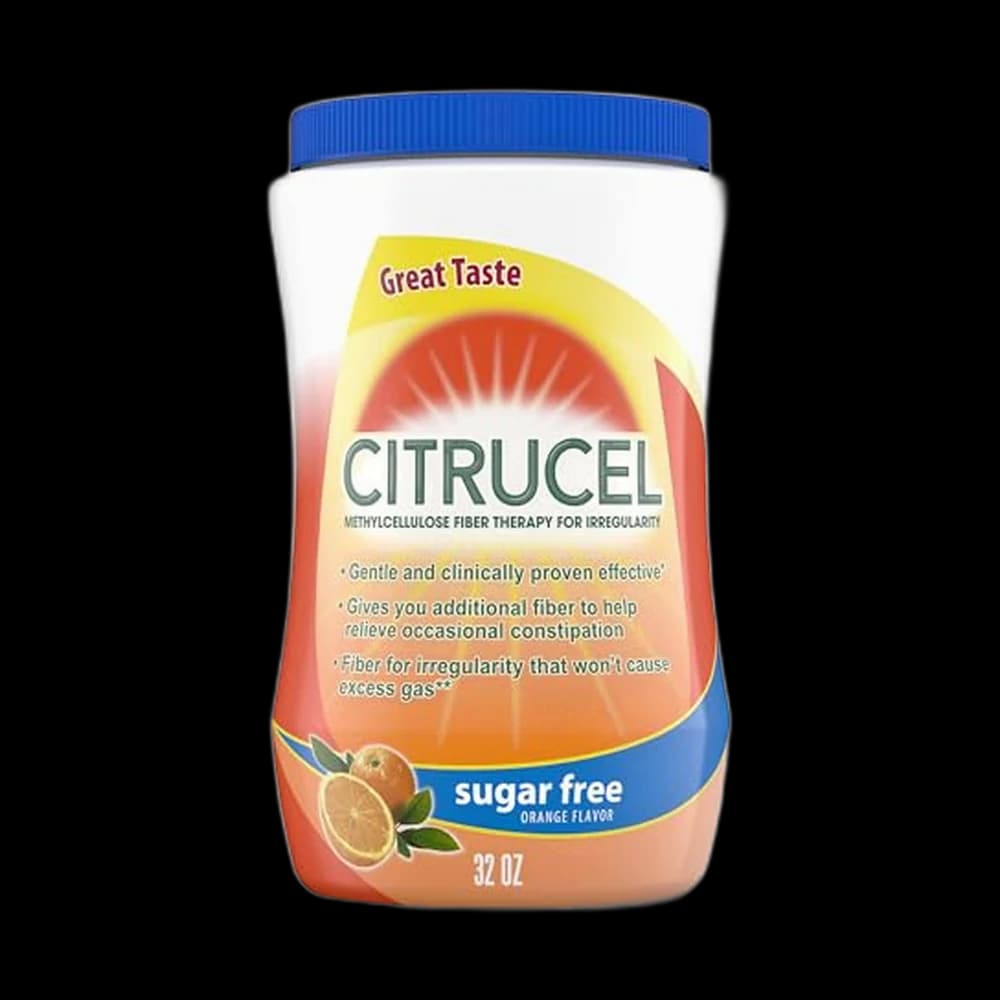 Citrucel Powder Fiber Therapy for Occasional Constipation Relief,… Citrucel Powder Fiber Therapy for Occasional Constipation Relief,… | Non-fermenting fiber, often gentler on gas. | ★ 4.7 | $39.30 | — | 75 | Buy on Amazon |
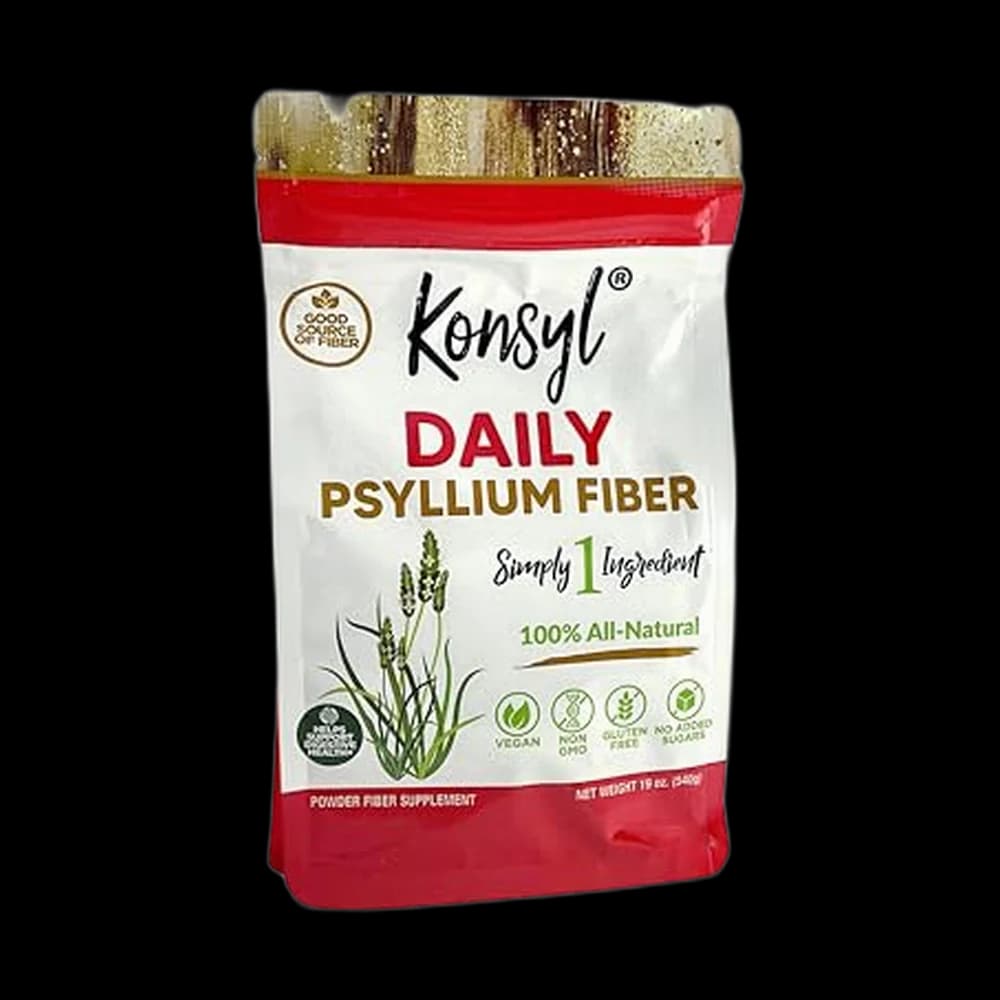 Konsyl Daily Psyllium Fiber Powder Konsyl Daily Psyllium Fiber Powder | Unflavored psyllium with nothing else in the jar. | ★ 4.5 | $25.99 | $0.29 / serving | 71 | Buy on Amazon |
Constipation is one of the most common things people run into on these medications, and the first instinct is almost always to buy a product. That instinct is not wrong so much as out of order. The things that move the needle are cheap, unglamorous and mostly already in your kitchen, and a supplement works better once they are in place.
So this page is a kit, not a shopping list. Four items, in order, and then a fifth.
What the kit is, in order
- Fluid, in the amount your clinician gave you, spread across the day.
- Fiber, added a little at a time, and always with liquid.
- Movement, regularly, at whatever scale is realistic this week.
- A routine — the same time each day, and NIDDK suggests 15 to 45 minutes after breakfast.
- Only then, a fiber supplement, to close a gap the food is not closing.
Every one of the first four comes straight off NIDDK's own pages, which is deliberate. This is not a set of tips assembled from wellness blogs; the niche is saturated with invented statistics and we are not adding to them.
Fluid comes with the fiber, not after it
NIDDK's phrasing on the diet page is specific: drink water and other liquids, such as naturally sweetened fruit and vegetable juices and clear soups, to help the fiber work better. On the treatment page it is put the other way round — drink plenty of water and other liquids if you eat more fiber or take a fiber supplement.
Both sentences describe the same pairing, and the pairing is the point. Fiber without fluid is the single most common way this gets uncomfortable rather than better, and it is exactly the mistake that is easiest to make when appetite is down and total intake is small.
How much liquid is not a number this site will give you. NIDDK says to ask a health care professional how much you should drink each day based on your size, health, activity level and where you live. Once you have that figure, our sip schedule tool spreads it across a day in amounts a small stomach can take.
Ramping fiber: the sentence everybody skips
Two lines from NIDDK, both short, both load-bearing:
- Depending on your age and sex, adults should get 22 to 34 grams of fiber a day.
- Be sure to add fiber to your diet a little at a time so your body gets used to the change.
FDA's Daily Value for dietary fiber is 28 grams a day, based on a 2,000-calorie diet, with the same caveat you meet everywhere on this site: your own value may be higher or lower depending on your calorie needs. FDA's thresholds are useful for reading a label quickly — 5 per cent of the Daily Value or less per serving is low, 20 per cent or more is high.
"A little at a time" is the instruction that gets read and then ignored. In practice it means going up by a couple of grams every few days rather than arriving at the target on a Monday, and it means holding a level for several days before moving again. On a small appetite there is a second reason to go slowly: fiber is filling, and filling competes directly with protein for the volume you have.
Movement and a routine
NIDDK's treatment page gives two more items that cost nothing.
The first is that getting regular physical activity may help relieve your symptoms. Nothing here is about exercise as a weight strategy — it is a walk, at whatever length is realistic this week. Our walking pad guide exists for people whose realistic version is indoors and in ten-minute pieces.
The second is a routine, and it is the one people are most surprised by. NIDDK says your doctor may suggest that you try to train yourself to have a bowel movement at the same time each day, and that trying 15 to 45 minutes after breakfast may help. It is an unglamorous suggestion from a very unglamorous source, and it costs nothing to try.
The order matters more than the products. Fluid and fiber together, movement, a routine — then a supplement to close whatever gap is left. Reversing that order is how people end up taking several grams of a day and feeling worse.
Food first, when food volume is the constraint
Here is the tension nobody names. The standard advice is to eat more fiber-rich food, and the reason fiber dropped in the first place is that food volume dropped — bulky plant foods are usually the first thing to go.
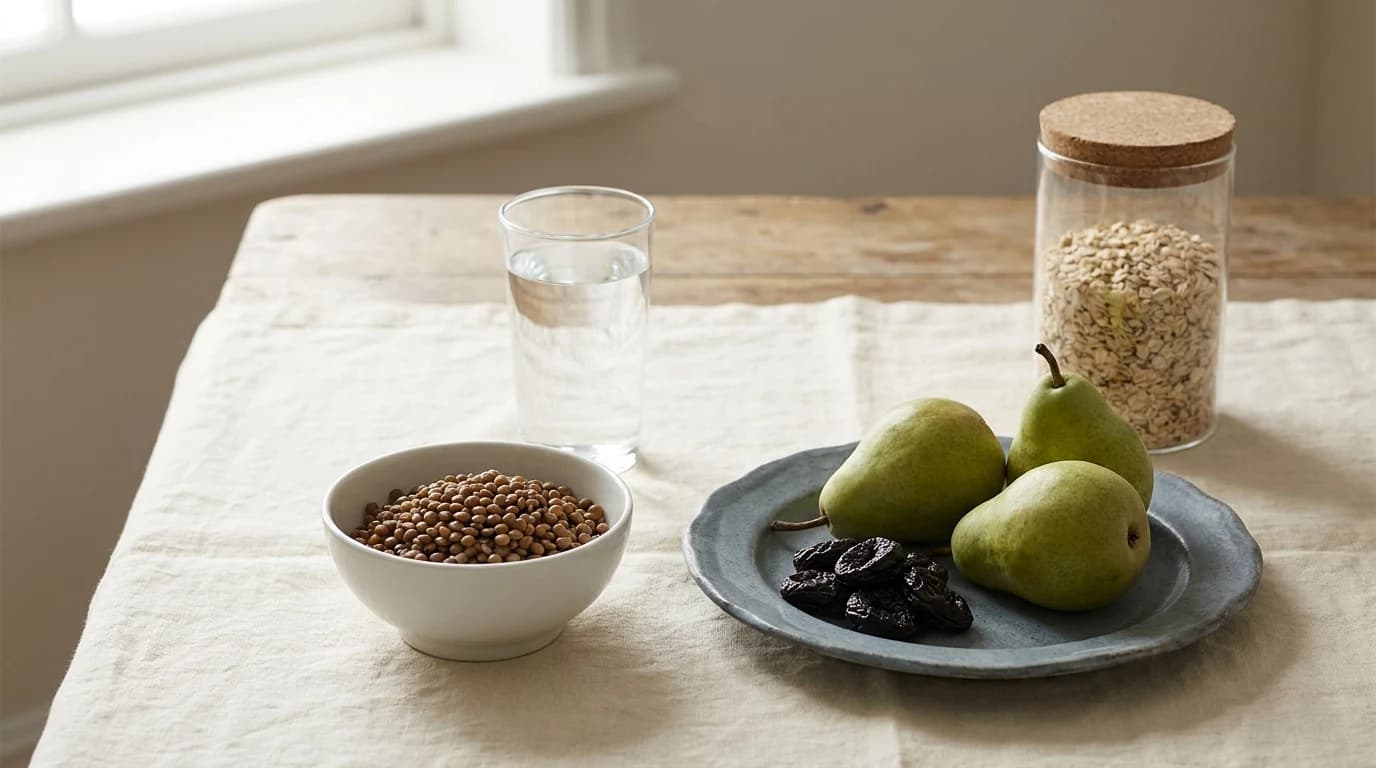
FDA lists where naturally occurring dietary fiber is found: beans, peas and lentils; fruits; nuts; seeds; vegetables; wheat bran; and whole grains such as whole oats, brown rice, popcorn and quinoa. On a small appetite the useful move is to pick from that list by density rather than by volume — a few tablespoons of lentils folded into something you were eating anyway does more than a salad you will not finish.
That is most of the thinking behind our recipe library: twelve small-volume recipes with the protein and the finished volume printed on every card, including half-cup lentil and black bean freezer cubes that reheat one portion at a time.
The fiber line item
When food is not closing the gap, a supplement is a reasonable fifth step. The decision that actually changes how you feel is the fiber type, not the brand.
| Pick | Fiber type | Fiber per serving | Why it is on this list |
|---|---|---|---|
| Benefiber original | Wheat dextrin | 3 g | Dissolves clear, so it can go into coffee or soup rather than a glass |
| Sunfiber PHGG | Partially hydrolysed guar gum | 5 g | The low-bulk option when fullness is already the limiting symptom |
| Citrucel powder | Methylcellulose | 2 g per rounded tablespoon | A non-fermenting fiber, which usually means less gas |
| Konsyl daily psyllium | Psyllium husk | 5 g per scoop | One ingredient, unflavoured, so it can be stirred into food |
Psyllium husk, guar gum and resistant maltodextrin — the category wheat dextrin belongs to — are all on FDA's list of isolated or synthetic non-digestible carbohydrates it has determined have beneficial physiological effects, which is why they count as dietary fiber on a label.
If you want the full comparison — six products, all six fiber types, and the bulk-forming versus low-bulk fork in the road — that is the job of our fiber supplement guide. This page is about the four things that come before it.
What this page deliberately is not
It is not a laxative roundup, and that is a choice rather than an oversight.
Stimulant laxatives, osmotic laxatives, stool softeners and anything prescription are decisions for your prescriber or pharmacist, who know your medication, your other medications and your history. NIDDK specifically names long-term laxative use — not being able to have a bowel movement without them — as a reason to see a health care professional, which is exactly the situation a shopping page would make worse.
Fiber is a nutrient. A fiber supplement closes a nutrient gap. That is the whole of what this category does, and it is not a treatment for a medical problem.
When to call
The block at the top of this page is the short version, and it is worth repeating at the bottom because that is where people are when they have tried everything on the list.
Severe or persistent abdominal pain, repeated vomiting, blood in the stool, or several days without a bowel movement alongside worsening pain or bloating go to your prescriber today. So does the situation where none of the self-care above has worked, and so does depending on a laxative to go at all.
If you want to arrive at that appointment with the right questions written down, our clinician questions tool builds a one-page sheet you can print. Everything on it is a question. The answers are your clinician's.
Your next step
A warm broth can make both fluid and a small serving easier to approach.
Frequently asked
The questions that keep coming up
How much fiber should I be getting?
NIDDK puts it at 22 to 34 grams a day for adults depending on age and sex, and FDA's Daily Value on a Nutrition Facts label is 28 grams based on a 2,000-calorie diet — with the note that your own value may be higher or lower depending on your calorie needs. NIDDK also suggests asking a dietitian to plan the right amount for you.
Should I start with food or with a supplement?
Food, fluid, movement and a routine first — all four come off NIDDK's own pages. A supplement is a gap-filler, and it works better once the other four are in place. On a small appetite, pick fiber-rich foods by density rather than volume: a few tablespoons of lentils folded into something beats a salad you will not finish.
Why does adding fiber sometimes make things feel worse?
Usually one of two reasons. Not enough liquid with it, which is the pairing NIDDK spells out. Or too much too quickly — the instruction is to add fiber a little at a time so your body gets used to the change, which in practice means a couple of grams every few days rather than reaching the target in one go.
Is bulk-forming fiber a problem when I already feel full?
It can be. Psyllium is bulk-forming by design — it absorbs water and adds physical volume — and volume is the scarce resource here. A lower-bulk fiber such as partially hydrolysed guar gum or wheat dextrin adds much less. Our fiber supplement guide walks through that fork in the road properly.
What about laxatives?
Not on this site. Stimulant and osmotic laxatives, stool softeners and anything prescription are decisions for your prescriber or pharmacist. NIDDK specifically names long-term laxative use, where you cannot have a bowel movement without them, as a reason to see a health care professional — which is the opposite of something to settle from a product page.
Sources & further reading
We research from primary and authoritative sources. Where our guidance rests on a fact, here's where it comes from.
- NIDDK — Eating, Diet, and Nutrition for Constipation — Source for the 22 to 34 grams a day figure, the instruction to add fiber a little at a time, the pairing of fiber with water and other liquids, and the advice to ask a health care professional how much liquid you should drink.
- NIDDK — Treatment for Constipation — Source for regular physical activity, the same-time-each-day routine and the 15 to 45 minutes after breakfast suggestion, and for the reasons to see a health care professional including long-term laxative reliance.
- FDA — Interactive Nutrition Facts Label: Dietary Fiber (October 2021) — Source for the 28 gram Daily Value, the 5 per cent low and 20 per cent high thresholds, the list of foods where naturally occurring fiber is found, and the isolated fibers FDA recognises — which include psyllium husk, guar gum and resistant maltodextrin.
LeanFed is not medical advice and is not a substitute for your prescriber, pharmacist or dietitian. We do not test products hands-on — we compare labels, specifications and owner reviews. Prices and LeanScores reflect our most recent research and refresh on a cycle; confirm the current price and read the product's own label before buying. We may earn a commission from affiliate retailers — it never changes our recommendations. See how we score.