High-Protein BreakfastsGuide6 min
High-Protein Breakfast for Small Appetites, by the Bite
TL;DR
LeanFed may earn a commission from links on this page; it never changes a ranking. Full disclosure.
Call your prescriber todayBefore any product on this page
Call your care team, not a recipe: if vomiting will not stop, you cannot keep fluids down, or you have severe stomach pain that does not go away, breakfast is no longer the question.
The short answer
Our pick
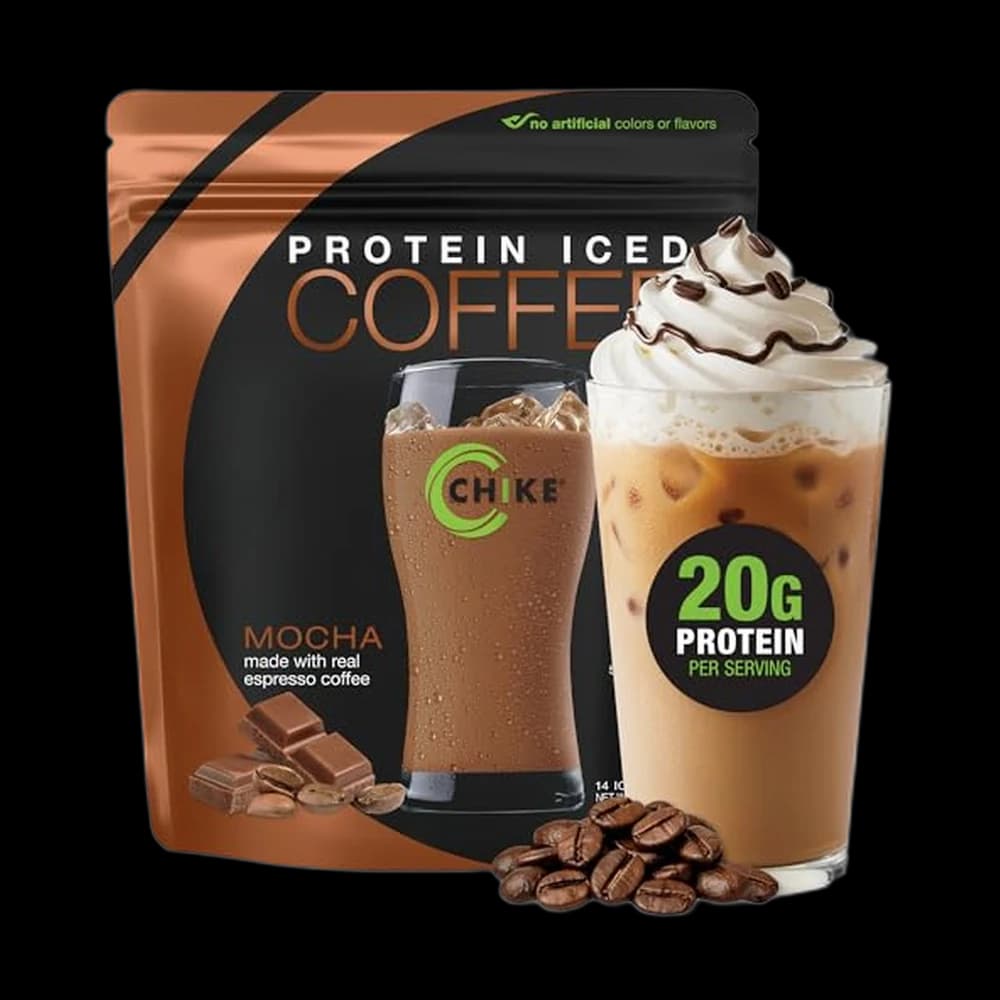
Chike Mocha High Protein Iced Coffee, 20 G Protein, 2 Shots…- People whose only reliable morning habit is coffee.
- You are limiting caffeine — this carries about 150 mg a serving.
Ten breakfast foods compared by protein per 100 g and per 100 calories using USDA records, so a small appetite can still get a useful amount of protein.
Key takeaways
- Serving size hides the real comparison. Looking at protein per 100 g and per 100 calories together shows which foods fit a small appetite.
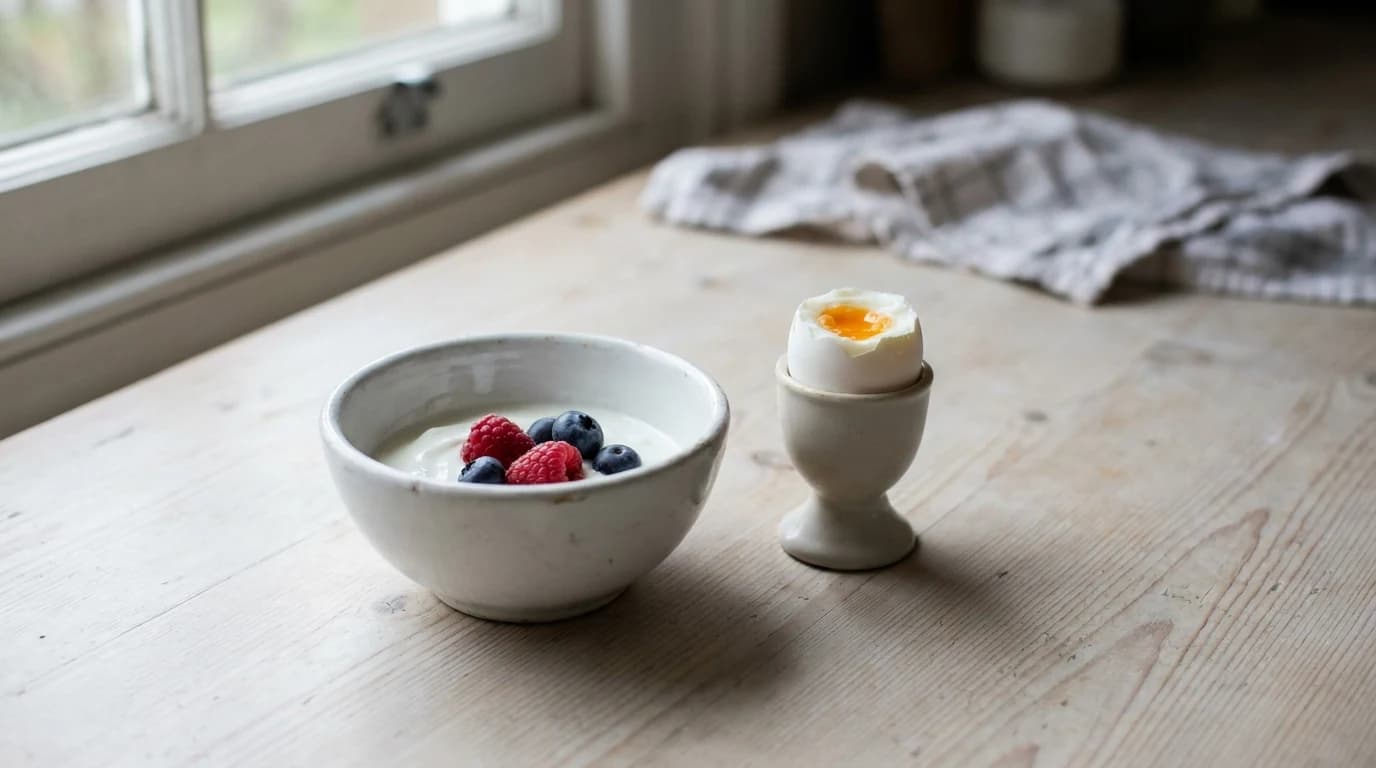
- Greek yogurt is the easy default. A 156 g container of plain nonfat has about 16 g of protein and 92 calories in the USDA record, with no cooking.
- Peanut butter wins per bite and loses per calorie. That can suit a very low-intake day, but it is not an efficient lean protein.
- Targets are individual. A 2026 review reports 25–35 g per eating occasion as generally sufficient, but the evidence is indirect and your clinician sets your number.
Pick by your situation
| If your situation is… | Pick | Why |
|---|---|---|
| You can eat, but only a few bites | Canned tuna, smoked salmon or firm tofu | These lead the whole-food rows on protein per 100 g, apart from calorie-heavy peanut butter. |
| No cooking and little time | Plain nonfat Greek yogurt | About 16 g in a 156 g container, straight from the fridge. |
| Intake has been very low and calories are welcome | Whole eggs or a little peanut butter | They bring more energy per bite; ask your clinician if low intake is persisting. |
| Chewing is the barrier this morning | A protein coffee or shake, sipped slowly | The listed labels give 20 g to 30 g of protein in a drink you can split. |
Each pick is one of the products compared below — a shortcut by situation, not a separate recommendation.
High-Protein Breakfasts: our picks
| Pick | Best for | Rating | Price | Cost per 20 g protein | LeanScore | Buy |
|---|---|---|---|---|---|---|
| №1Chike Mocha High Protein Iced Coffee, 20 G Protein, 2 Shots… | Coffee and 20 g of protein in the same cup. | ★ 4.5 | $39.99 | — | 74 | Buy on Amazon |
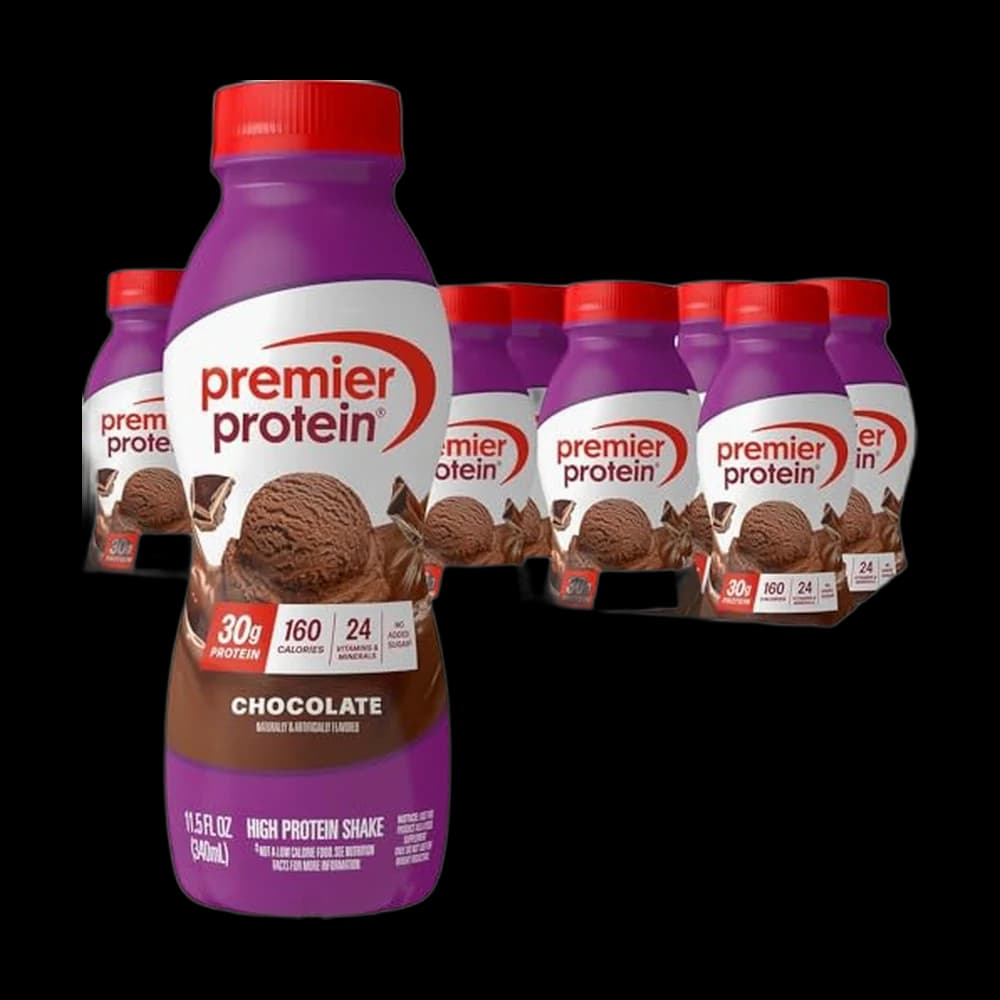 Premier Protein 30g High Protein Shake, Chocolate, 12 Pack | The volume-to-protein workhorse most people start with. | ★ 4.6 | $19.99 | $1.11 / 20 g | 79 | Buy on Amazon |
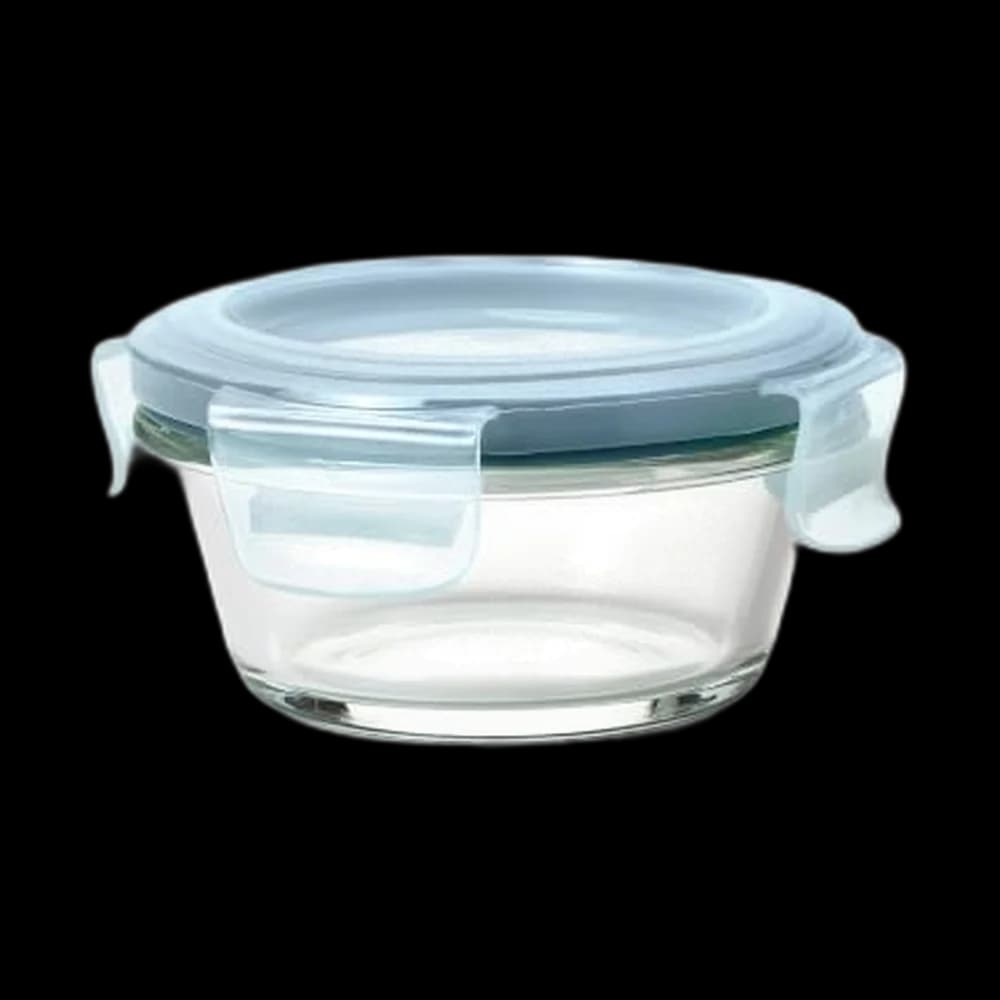 OXO Good Grips Smart Seal 1-Cup Glass Container, Arctic Blue | A one-cup glass round that seals properly and stacks. | ★ 4.5 | $10.23 | — | 79 | Buy on Amazon |
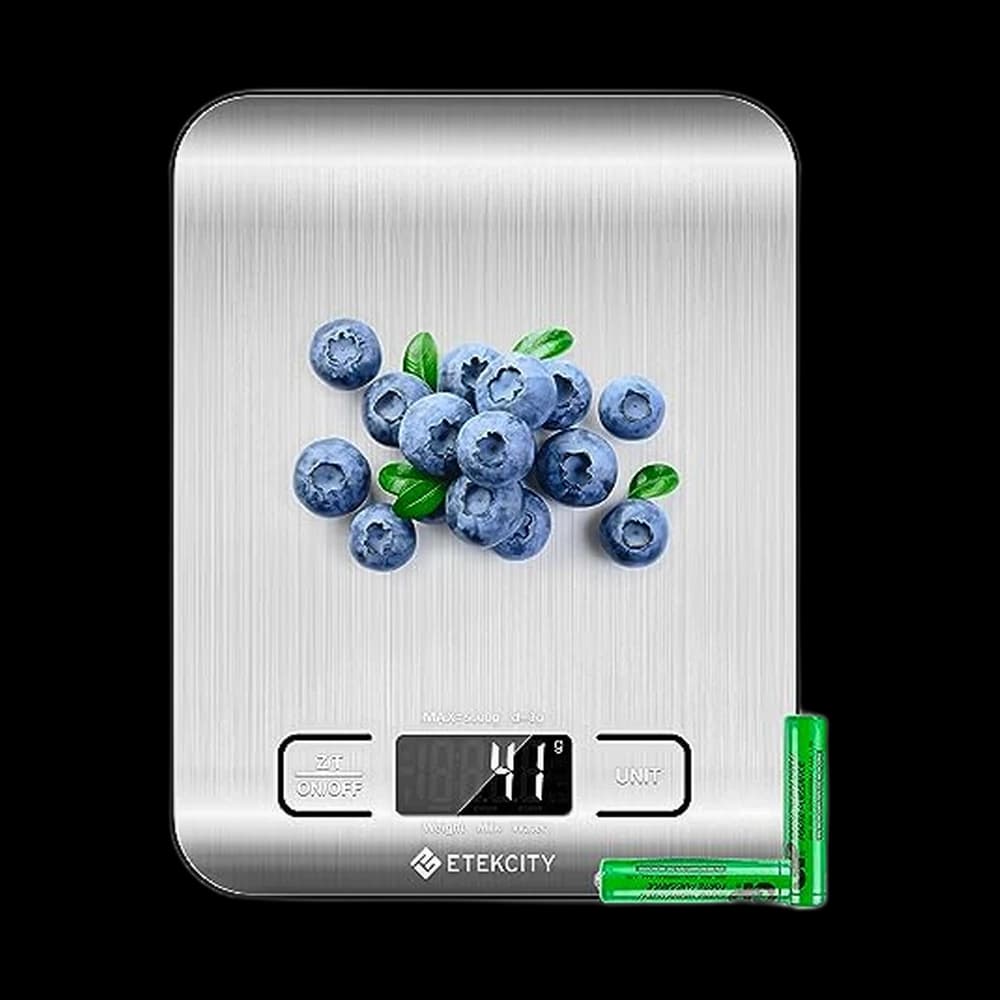 Etekcity Food Kitchen Scale, Digital Grams and Ounces, 11lb | The cheap one that is accurate enough for portions. | ★ 4.6 | $10.99 | — | 83 | Buy on Amazon |
The best high-protein breakfast on a small appetite is the one that packs the most protein into the few bites you will actually eat. That usually means nonfat Greek yogurt, cottage cheese, eggs or canned tuna, not a big plate. Two numbers help you choose: protein per bite and protein per calorie. They do not always agree.
Two rulers, and why a single ranking misleads
Most breakfast lists stop at grams per serving, which hides the size of the serving. Compare foods two ways instead:
- Protein per 100 g is the room-in-your-stomach ruler. It rewards foods that deliver a lot in a small weight.
- Protein per 100 calories is the lean ruler. It rewards foods that spend little energy to get there.
Peanut butter shows the difference. It leads this table per 100 g and sits near the bottom per 100 calories. Whether that is a flaw depends on your morning.
The numbers, side by side
Every figure below is calculated from the linked USDA FoodData Central record. Those pages block automated fetchers, so we read the same records through FoodData Central's own data feed on October 30, 2026 and did the arithmetic. Sorted by protein per 100 calories.
| Food and serving | Protein | Calories | Protein per 100 g | Protein per 100 calories |
|---|---|---|---|---|
| Canned light tuna in water, drained, 85 g | 16.2 g | 72 | 19 g | 22.4 g |
| Egg whites, 3 large (99 g) | 10.8 g | 51 | 10.9 g | 21 g |
| Plain nonfat Greek yogurt, 156 g container | 16.1 g | 92 | 10.3 g | 17.5 g |
| Smoked chinook salmon, 2 oz (57 g) | 10.4 g | 66 | 18.3 g | 15.6 g |
| Cottage cheese, 2%, ½ cup (110 g) | 12.1 g | 90 | 11 g | 13.4 g |
| Firm tofu, calcium sulfate, ¼ block (81 g) | 14 g | 117 | 17.3 g | 12 g |
| Edamame, prepared, ½ cup (78 g) | 9.2 g | 94 | 11.9 g | 9.8 g |
| Hard-boiled eggs, 2 large (100 g) | 12.6 g | 155 | 12.6 g | 8.1 g |
| Smooth peanut butter, 2 tbsp (32 g) | 7.1 g | 191 | 22.2 g | 3.7 g |
| Oats, dry, ⅓ cup (27 g) | 3.6 g | 102 | 13.2 g | 3.5 g |
Reading the table: these are reference values, not your carton. The egg white record is for raw whites, so it assumes you cook them without added fat. The oats are weighed dry and swell with water, so their per-100 g figure flatters them. Brands vary; your label wins.
What the table actually says
Three things stand out once the serving size stops hiding the math.
- Yogurt earns its reputation. A single small container reaches about 16 g, and it needs no cooking at all.
- Whole eggs are not the most efficient choice, and that can be fine. Two eggs cost more than three times the calories of three whites for only slightly more protein, but on a very low-intake day those extra calories may be welcome.
- Sodium is the hidden cost of two rows. The same records list about 381 mg for the salmon serving and 353 mg for the cottage cheese. If you have a sodium limit, compare those against it.
How much protein breakfast needs to carry
There is no universal number. A 2026 review in Nutrients on nutrition during incretin therapy reports about 1.2–1.6 g/kg/day, adjusted for age, kidney function and other conditions, and roughly 25–35 g of high-quality protein per eating occasion as generally sufficient for most adults. The same review is candid that these targets rest mainly on indirect evidence from weight-loss, exercise and aging research, not trials.
Your target is your clinician's call: kidney disease in particular changes the answer. The protein range tool shows the published range without assigning you a figure, and our dietitian appointment guide lists what to ask.
So treat 25–35 g as context, not a morning pass mark. A breakfast that falls short simply leaves more for later meals.
Small plates that add up
These are arithmetic examples from the table, not prescribed meals. Eat what suits you and stop when you are full; the same review lists stopping at among its strategies for meal-related symptoms.
| Combination | Protein | Calories | Texture |
|---|---|---|---|
| Greek yogurt container + 1 tbsp peanut butter | 19.6 g | 188 | Cold, spoonable |
| ½ cup cottage cheese + 2 oz smoked salmon | 22.5 g | 156 | Cold, savory, about 734 mg sodium |
| 1 hard-boiled egg + 3 egg whites, scrambled | 17.1 g | 129 | Warm, soft |
| ¼ block tofu + ¼ cup edamame | 18.6 g | 164 | Warm or cold, plant-based |
For full recipes with finished volumes on every card, see our small-appetite recipes.
Mornings when you cannot face a fork
The review also lists cold or room-temperature foods and moderate fat per meal among its options for nausea-prone meals. On those mornings, try this order:
- Start cold. Yogurt or cottage cheese from the fridge, or a chilled drink.
- Sip if chewing is the barrier. Chike Mocha Iced Coffee lists 20 g of protein in a 10 oz mix, and Premier Protein's chocolate shake lists 30 g and 160 calories in a bottle you can split across the morning, though its page also says to use it as a food supplement and not for weight reduction, so raise it with your care team if a shake is replacing meals.
- Save a portion rather than finishing it. A 1-cup OXO glass container makes half a serving easy to return to.
Making the numbers yours
For a packaged product we did not list, use the protein per dollar tool: enter the label and it returns protein per 100 calories on the same ruler as the table. If you want the serving to match the math, a gram scale such as the Etekcity food scale settles what a "½ cup" really was.
Prefer a product that does the work? Our high-protein breakfast comparison covers cereals, oat cups, pancake mixes and nut butters by protein as prepared. For the rest of the day, the protein-first eating guide and seven-day small-appetite meal plan pick up where this leaves off.
Your next step
Where most people go from here
Frequently asked
The questions that keep coming up
What is the highest-protein breakfast food on this list?
It depends on the ruler. Per 100 calories, canned light tuna and egg whites lead. Per 100 g, peanut butter leads, followed by tuna and smoked salmon, but peanut butter is far higher in calories.
How much protein should a GLP-1 breakfast have?
There is no universal figure. A 2026 Nutrients review reports roughly 25 to 35 g per eating occasion as generally sufficient for most adults, based mainly on indirect evidence. Ask your clinician for your target, especially with kidney disease.
Is it a problem if breakfast has less than 25 g of protein?
Not on its own. The figure is context rather than a pass mark, and a smaller breakfast leaves more for later meals. Your total plan is a conversation for your clinician or dietitian.
Are these numbers exact for the brand I buy?
No. They are USDA reference values for generic foods. Use your package label when it differs, and weigh the food if you need a closer figure.
Sources & further reading
We research from primary and authoritative sources. Where our guidance rests on a fact, here's where it comes from.
- Nutrients (2026) — Nutrition-First Support for GLP-1 and Dual Incretin Therapy in Obesity — Source for 1.2–1.6 g/kg/day, 25–35 g per eating occasion, the indirect-evidence caveat, and the tolerance strategies.
- USDA FoodData Central — Yogurt, Greek, plain, nonfat (record 330137) — Read through FoodData Central's data feed on 2026-10-30, using the record's Atwater General energy.
- USDA FoodData Central — Fish, tuna, light, canned in water, drained solids (record 334194) — Protein, Atwater General energy and sodium for the table.
- USDA FoodData Central — Cheese, cottage, lowfat, 2% milkfat (record 328841) — Protein, Atwater General energy and sodium for the table.
- Chike — High Protein Iced Coffee, Mocha — Manufacturer protein and mixing directions.
- Premier Protein — Chocolate Protein Shake — Manufacturer protein and calorie figures.
LeanFed is not medical advice and is not a substitute for your prescriber, pharmacist or dietitian. We do not test products hands-on — we compare labels, specifications and owner reviews. Prices and LeanScores reflect our most recent research and refresh on a cycle; confirm the current price and read the product's own label before buying. We may earn a commission from affiliate retailers — it never changes our recommendations. See how we score.