Ready-to-Drink Protein ShakesGuide6 min
Nurri Protein Shake: What the Label Actually Says
TL;DR
LeanFed may earn a commission from links on this page; it never changes a ranking. Full disclosure.
Call your prescriber todayBefore any product on this page
Before the picks: severe or persistent abdominal pain, vomiting that stops you keeping fluids down, signs of dehydration, allergic symptoms, vision changes, or pain that wraps around to your back are never a shopping problem. Call your prescriber or seek urgent care. Nothing here is medical advice, and no drink replaces or potentiates a prescription medication.
The short answer
Our pick
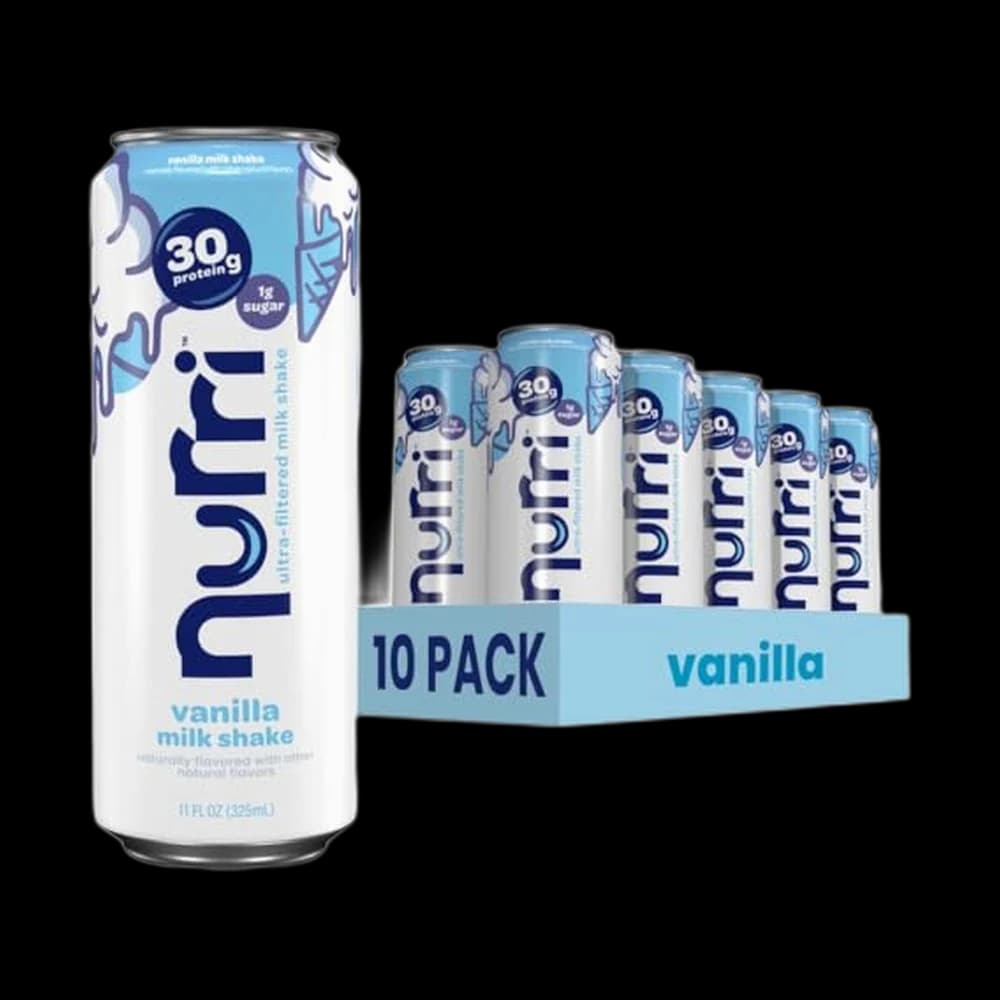
Nurri 30g Protein Ultra Filtered Milk Shake- Readers who keep seeing the brand named and want the label put beside the mainstream bottles.
- You want the most reviewed, most widely stocked option — this is a newer, smaller brand.
Nurri protein shake review from the label: 30 g of lactose-free milk protein and 150 calories in an 11 fl oz can, set against Premier and Core Power.
Key takeaways
- The label is competitive, not exotic: 30 g of ultra-filtered milk protein in 11 fl oz, about 21.8 g per 8 oz.
- 150 calories is the lowest here for a 30 g bottle — good if a shake rides alongside food, thin if it is standing in for a meal.
- Lactose free by ultra-filtration, the same mechanism Core Power Elite uses. Not dairy free.
- Cans come 10 to a pack where the mainstream bottles come 12 — check the count before comparing packs.
- No star rating had accumulated on the listing we pulled, so our score for it is provisional. We researched the label and owner reviews; we did not taste it.
Pick by your situation
| If your situation is… | Pick | Why |
|---|---|---|
| Your comfortable ceiling is about eight ounces | Nurri | 30 g inside 11 fl oz, so about 21.8 g lands in the first eight ounces. |
| You want the longest rating history behind your case | Premier Protein | Tens of thousands of ratings against a listing that carried none when we pulled it. |
| One bottle has to stand in for a meal | Core Power Elite | 42 g per bottle; Nurri's 150 calories are thin for meal replacement. |
| Dairy itself is the problem | OWYN Pro Elite | Nurri is lactose free but still milk protein; OWYN is plant and top-9 allergen friendly. |
| You split every bottle across two sittings | Premier Protein | A screw-cap bottle reseals; a can does not. |
| You want low sugar and low calories alongside food | Nurri | 1 g of sugar and 150 calories, the lowest calorie figure stated among the 30 g options here. |
Each pick is one of the products compared below — a shortcut by situation, not a separate recommendation.
Ready-to-Drink Protein Shakes: our picks
| Pick | Best for | Rating | Price | Cost per 20 g protein | LeanScore | Buy |
|---|---|---|---|---|---|---|
| №1Nurri 30g Protein Ultra Filtered Milk Shake | A newer shake marketed straight at the GLP-1 audience. | — | $17.07 | $1.14 / 20 g | 68 | Buy on Amazon |
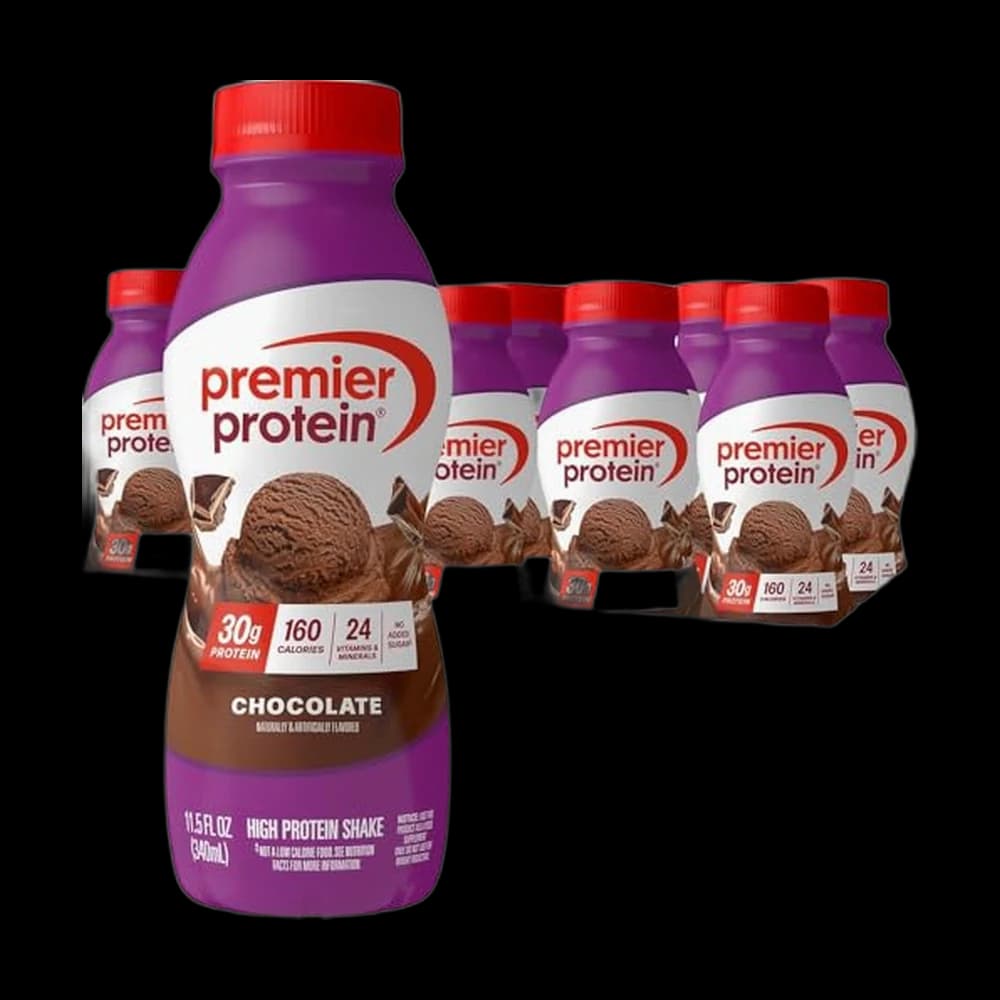 Premier Protein 30g High Protein Shake, Chocolate, 12 Pack Premier Protein 30g High Protein Shake, Chocolate, 12 Pack | The volume-to-protein workhorse most people start with. | ★ 4.6 | $25.07 | $1.39 / 20 g | 79 | Buy on Amazon |
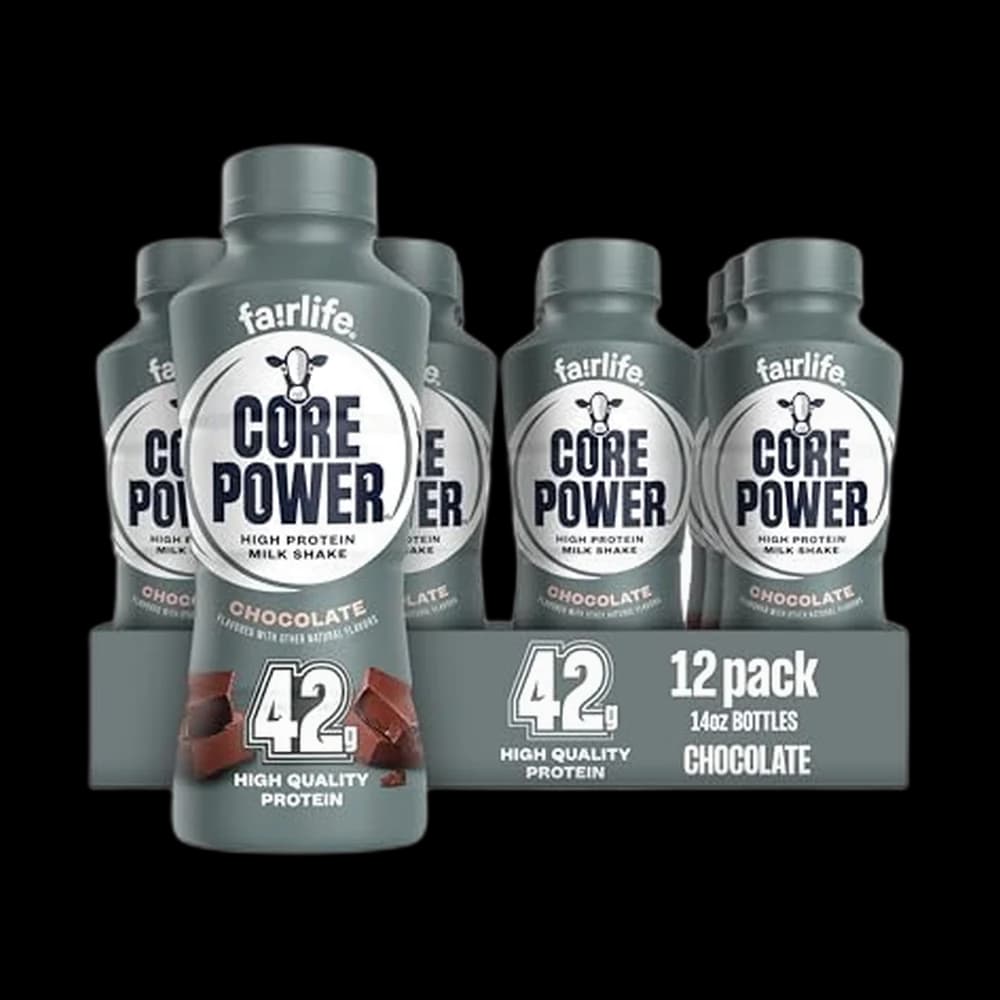 Core Power Elite High Protein Shake, Chocolate, 42g Bottle, 14oz,… Core Power Elite High Protein Shake, Chocolate, 42g Bottle, 14oz,… | The most protein per bottle in a normal grocery aisle. | ★ 4.6 | $47.98 | $1.90 / 20 g | 75 | Buy on Amazon |
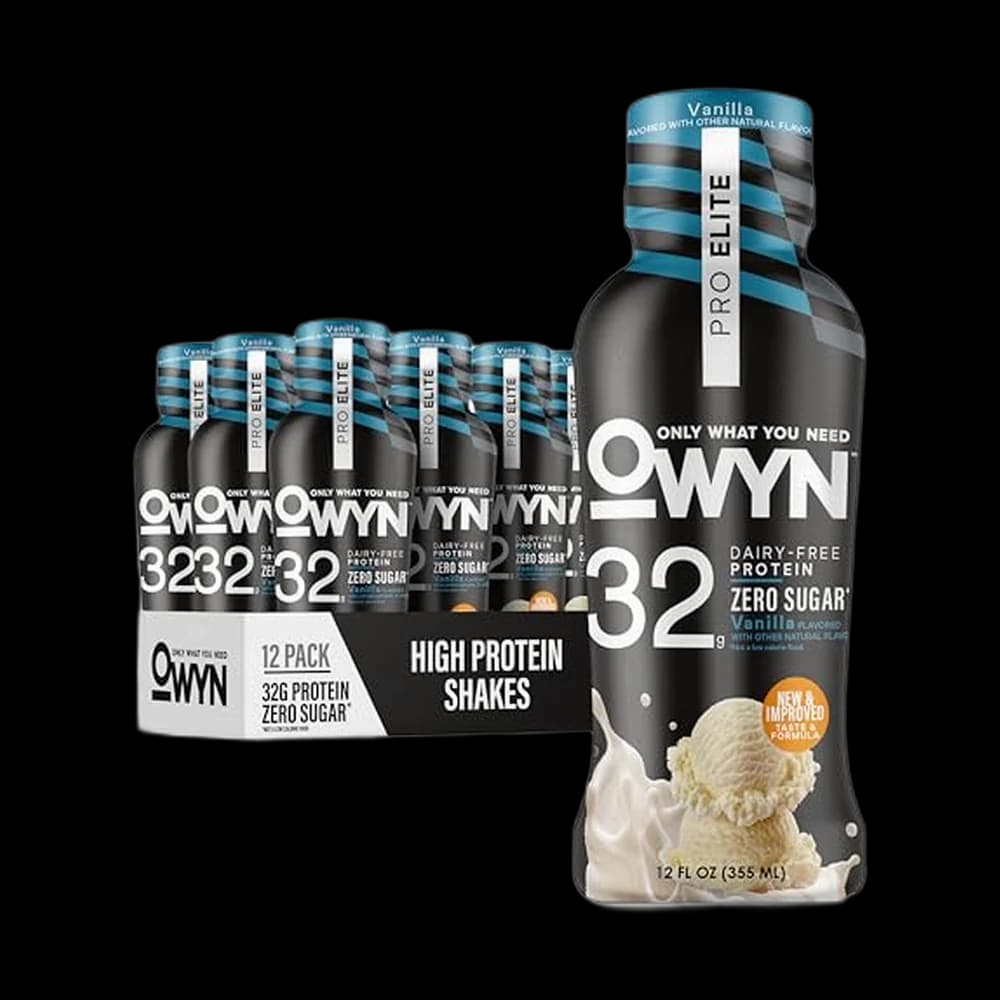 OWYN Only What You Need 32g Pro Elite Vanilla Flavored Protein… OWYN Only What You Need 32g Pro Elite Vanilla Flavored Protein… | Allergen-friendly plant shake with added fiber. | ★ 4 | $49.99 | $2.60 / 20 g | 62 | Buy on Amazon |
Nurri is a newer brand that has done something the incumbents mostly have not: it talks directly to people whose appetite has changed on medication. That marketing works — the brand gets searched by name thousands of times a month. The question worth answering is whether the label behind the marketing is different from what is already on the shelf.
What we can and cannot tell you
We do not taste products. Everything below is read from the label copy on the live listing and from what owners report, and where the label says nothing, we say nothing. That is the honest ceiling on this page.
One more disclosure specific to Nurri: when we pulled the retailer listing's data, it carried no star rating and no review count. Our blends owner satisfaction with value, so a product with no ratings gets a neutral placeholder for the satisfaction half rather than evidence. Its score is provisional and will move once real ratings land. The older bottles below have tens of thousands of ratings behind theirs.
Nurri against three siblings
The fourth column is derived from the first two; no label prints it.
| Shake | Protein | Bottle size | Protein per 8 fl oz | Base | Calories |
|---|---|---|---|---|---|
| Nurri | 30 g | 11 fl oz | About 21.8 g | Ultra-filtered milk, lactose free | 150 |
| Premier Protein | 30 g | 11.5 fl oz | About 20.9 g | Milk protein | — |
| Core Power Elite | 42 g | 14 fl oz | About 24.0 g | Ultra-filtered milk, lactose free | — |
| OWYN Pro Elite | 32 g | 12 fl oz | About 21.3 g | Plant protein, top-9 allergen friendly | — |
The empty calorie cells are empty because those listings do not state a figure we can quote. An empty cell here means we do not know, never that the number is low.
Reading the label
Nurri's listing states 30 g of ultra-filtered milk protein, 1 g of sugar, 150 calories, no lactose, ten essential vitamins and minerals including vitamin D, calcium, iron, potassium, vitamin A, magnesium, zinc and selenium, and a shelf-stable aluminum can. It describes itself as made with lactose-free kosher-certified dairy sourced from midwestern farms.
Three things in that stand out for a small appetite.
The density is genuinely good. Thirty grams inside 11 fl oz works out at about 21.8 g per 8 fl oz — the same density as Ensure Max Protein, slightly ahead of Premier, and behind only the much larger Core Power Elite bottle. If your ceiling is roughly eight ounces, this is the right end of the table to be at.
150 calories is the lowest 30 g bottle here, and that cuts both ways. If the shake is riding alongside food you did manage to eat, low calories are a feature. If the shake is replacing a meal you could not face, 150 calories is thin — and on the days that happens repeatedly, that is worth mentioning to your prescriber or dietitian rather than solving with a bigger case of shakes.
Lactose free is not dairy free. Ultra-filtration is the same mechanism Core Power Elite uses: it concentrates protein and removes lactose, but the protein is still milk protein. If dairy itself is what your body objects to, this is not your bottle and the plant options are.
The format difference nobody mentions
Nurri ships in aluminum cans, ten to a pack. Every mainstream bottle we compared it against ships twelve. That matters in two small, practical ways: pack-to-pack comparisons are not like-for-like unless you divide by count first, and a can behaves differently from a bottle once opened — there is no screw cap, so splitting one across two sittings means decanting it or covering it in the fridge.
For a lot of people that is the whole ballgame. Splitting a bottle across two sittings is one of the most common habits described in r/Zepbound and r/WegovyWeightLoss shake threads, and a resealable bottle makes it trivial. If you are a splitter, a screw cap is a real feature.
Is a GLP-1-marketed shake different?
Not in the panel. A shake aimed at this audience and a shake aimed at gym-goers are the same category of food, and nothing in a protein drink acts on the medication you are taking. What brands in this space can legitimately do is choose the specifications that suit a smaller appetite: less volume per gram, lactose removed, low sugar, a shelf-stable format. Nurri has picked most of those. That is a product decision, not a pharmacological one, and it is worth buying on its own terms rather than on the framing around it.
Which also means you can ignore the framing entirely and compare it as what it is: a dense, low-sugar, lactose-free milk-protein can that reads well against the incumbents and has not yet been rated by many people.
Who should try it, and who should not
Try it if your is around eight ounces, lactose is the specific problem, and you want something in the drawer that does not need a fridge. Skip it, for now, if you want the safety of a product with a long rating history, if you routinely split a bottle across two sittings, or if a shake is genuinely standing in for meals — in which case a higher-calorie bottle does more of the job.
And if premixed shakes never work for you at all, that is a real and recurring pattern. In r/WegovyWeightLoss the advice from that group is not to try another brand; it is to move to small portions of cooked whole-food protein. This category is not compulsory.
Your next step
One bottle is rarely the whole day. Here is what fills the gaps.
Frequently asked
The questions that keep coming up
Have you tried Nurri?
No. We do not taste or test products. This page is researched from the product label on the live listing and from what owners report, and where the label states nothing we say nothing.
How much protein is in a Nurri shake?
The label states 30 grams in an 11 fluid ounce can, which works out at about 21.8 grams per 8 fluid ounces. That matches Ensure Max Protein and is slightly ahead of Premier Protein, whose bottle is half an ounce larger for the same 30 grams.
Is Nurri dairy free?
No. It is lactose free by ultra-filtration, which is a different thing. The protein is still milk protein, so it suits lactose intolerance but not a milk allergy or a plant-based diet.
Is Nurri better because it is marketed for GLP-1 users?
The marketing does not change the panel. What it does reflect is a set of specification choices that suit a smaller appetite — less volume per gram, lactose removed, low sugar, shelf stable. Judge it on those, not on the framing.
Why is your score for Nurri lower than its label suggests?
Because our score is 72 percent owner satisfaction, and the listing carried no star rating or review count when we pulled it. A product with no ratings gets a neutral placeholder rather than evidence, so the score is provisional and will move as real ratings accumulate.
Sources & further reading
We research from primary and authoritative sources. Where our guidance rests on a fact, here's where it comes from.
- FDA — Serving Size on the Nutrition Facts Label — Source for nutrition information being listed per serving, which is why a per-ounce comparison is needed across cans and bottles of different sizes.
- NIDDK — Definition & Facts for Lactose Intolerance — Source for lactose intolerance being caused by lactose malabsorption and being distinct from a milk allergy, which is why a lactose-free dairy product is not a dairy-free product.
- NIDDK — Eating, Diet, and Nutrition for Gastroparesis — Source for liquid nutrition meals and five or six small meals a day being recommended when solid food is hard to manage.
LeanFed is not medical advice and is not a substitute for your prescriber, pharmacist or dietitian. We do not test products hands-on — we compare labels, specifications and owner reviews. Prices and LeanScores reflect our most recent research and refresh on a cycle; confirm the current price and read the product's own label before buying. We may earn a commission from affiliate retailers — it never changes our recommendations. See how we score.