High-Protein SnacksGuide6 min
Best High-Protein Snacks for a GLP-1 Appetite
TL;DR
LeanFed may earn a commission from links on this page; it never changes a ranking. Full disclosure.
Call your prescriber todayBefore any product on this page
Before the picks: Some symptoms are never a shopping problem. Severe or persistent abdominal pain, vomiting that stops you keeping fluids down, signs of dehydration, allergic symptoms, vision changes, or pain that wraps around to your back all mean stop reading and call your prescriber or seek urgent care. Nothing below is medical advice, and nothing below is a substitute for the plan your clinician gave you.
The short answer
Our pick
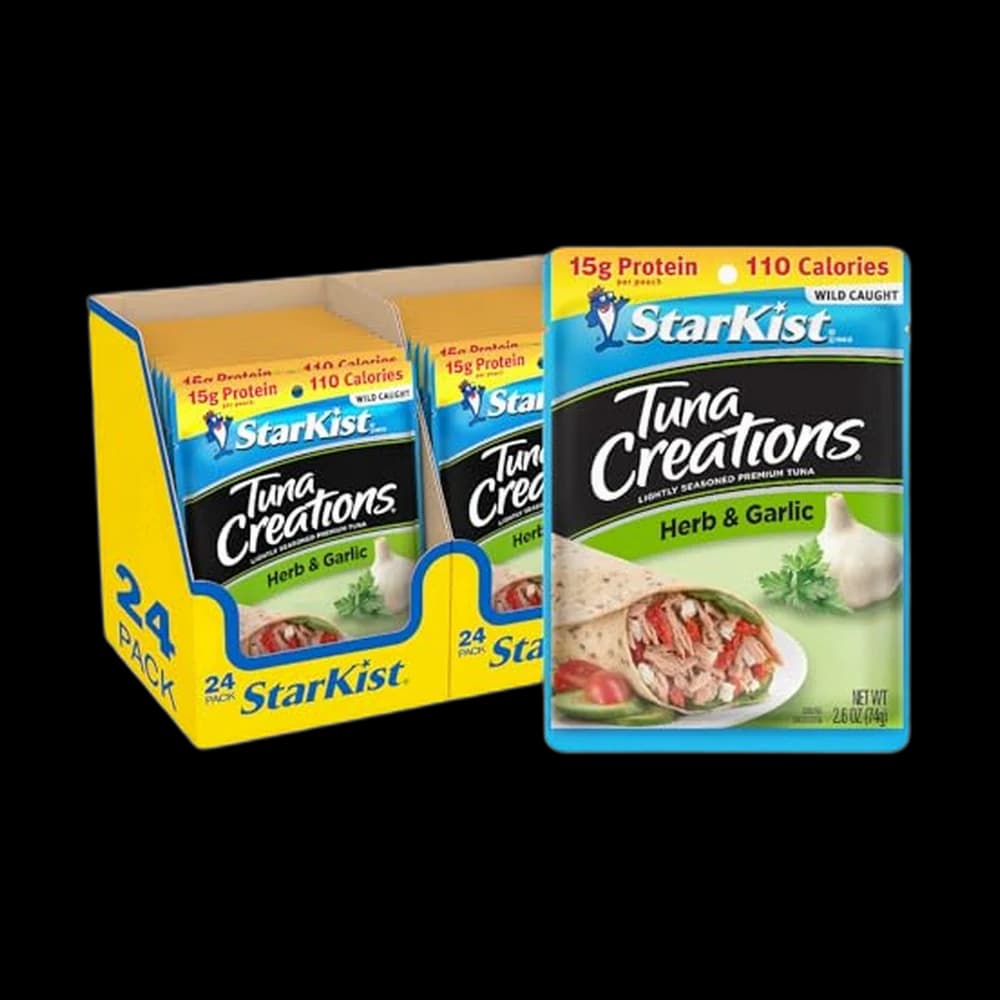
StarKist Tuna Creations Herb and Garlic, 2.6oz Pouch, 24-Pack- Turning a salad or a bowl of rice into an actual meal in ten seconds, no draining.
- Fish smell is one of your trigger aversions right now.
Pouches, meat sticks, roasted legumes and bars compared on protein per 100 calories, with the sugar alcohol and sodium caveats spelled out.
Key takeaways
- Screen snacks by protein per 100 calories. At or above 10 g is a protein snack; below that it is a snack that happens to contain protein.
- A tuna pouch is the density winner on our spec sheet at about 13.6 g of protein per 100 calories.
- Sugar alcohols can cause gas, bloating and diarrhea in some people, and a bar is not required to print a gram figure unless the package makes a sugar claim — read the ingredient list.
- Jerky is the sodium outlier. Over 70 percent of dietary sodium comes from packaged foods, and savory snacks are named among the biggest contributors.
- Savory beats sweet once taste changes — which is worth knowing before you buy a case of chocolate bars.
Pick by your situation
| If your situation is… | Pick | Why |
|---|---|---|
| Nothing sounds good and cooking smells are a trigger | StarKist Tuna Creations pouch | Eaten straight from the packet with no draining and no cooking odour, at about 13.6 g of protein per 100 calories. |
| You need protein in a bag, a car or a desk drawer | Chomps beef sticks | No plate, no fridge and no appetite required, though at 4 g a stick you are eating several. |
| The craving is salty and crunchy | The Only Bean roasted edamame | 14 g of plant protein with real fiber attached, which chickpeas do not match on our sheet. |
| Sugar alcohols upset your stomach | A bar whose spec sheet records none, such as Barebells or RXBAR | FDA notes sugar alcohols are fermented in the large intestine and can cause gas, bloating and diarrhea in some people. |
| You have been told to watch sodium | Roasted edamame or a low-sodium pouch over jerky | Jerky is the saltiest option here, and over 70 percent of dietary sodium already comes from packaged foods. |
Each pick is one of the products compared below — a shortcut by situation, not a separate recommendation.
High-Protein Snacks: our picks
| Pick | Best for | Rating | Price | Cost per 20 g protein | LeanScore | Buy |
|---|---|---|---|---|---|---|
| №1StarKist Tuna Creations Herb and Garlic, 2.6oz Pouch, 24-Pack | A no-drain pouch that turns any salad into a meal. | ★ 4.6 | $21.80 | $1.21 / 20 g | 80 | Buy on Amazon |
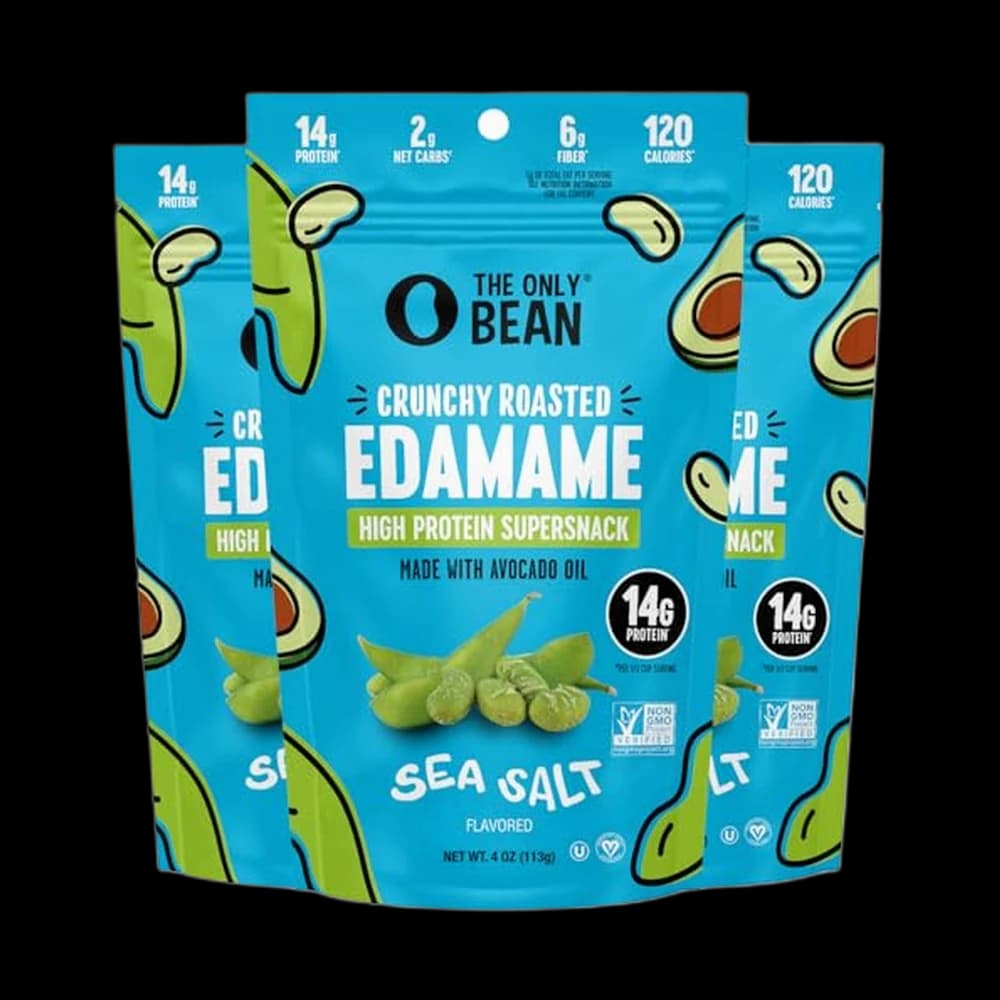 The Only Bean Crunchy Roasted Edamame Beans (Sea Salt) The Only Bean Crunchy Roasted Edamame Beans (Sea Salt) | Crunchy plant protein with real fiber attached. | ★ 4.5 | $13.97 | — | 85 | Buy on Amazon |
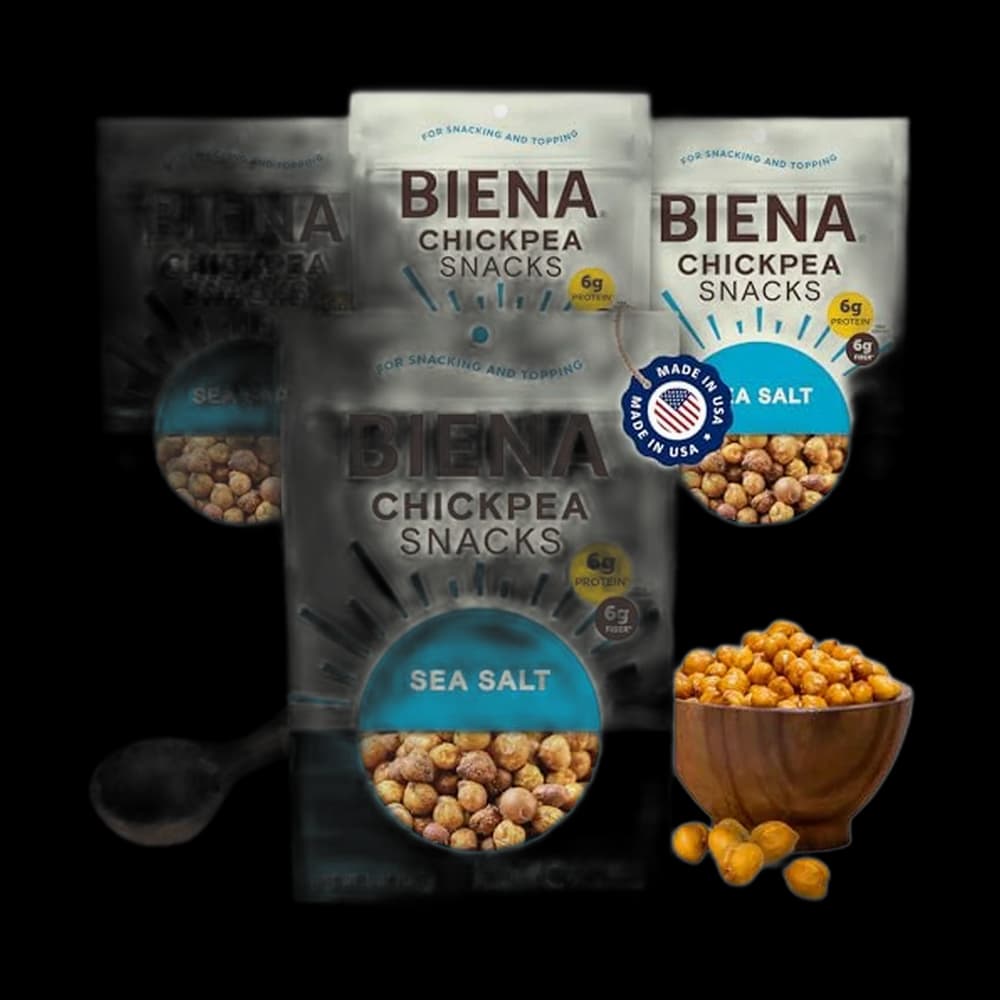 BIENA Chickpea Snacks Crunchy Roasted Chickpeas BIENA Chickpea Snacks Crunchy Roasted Chickpeas | The salty-crunchy craving, answered with legumes. | ★ 4.4 | $14.27 | — | 78 | Buy on Amazon |
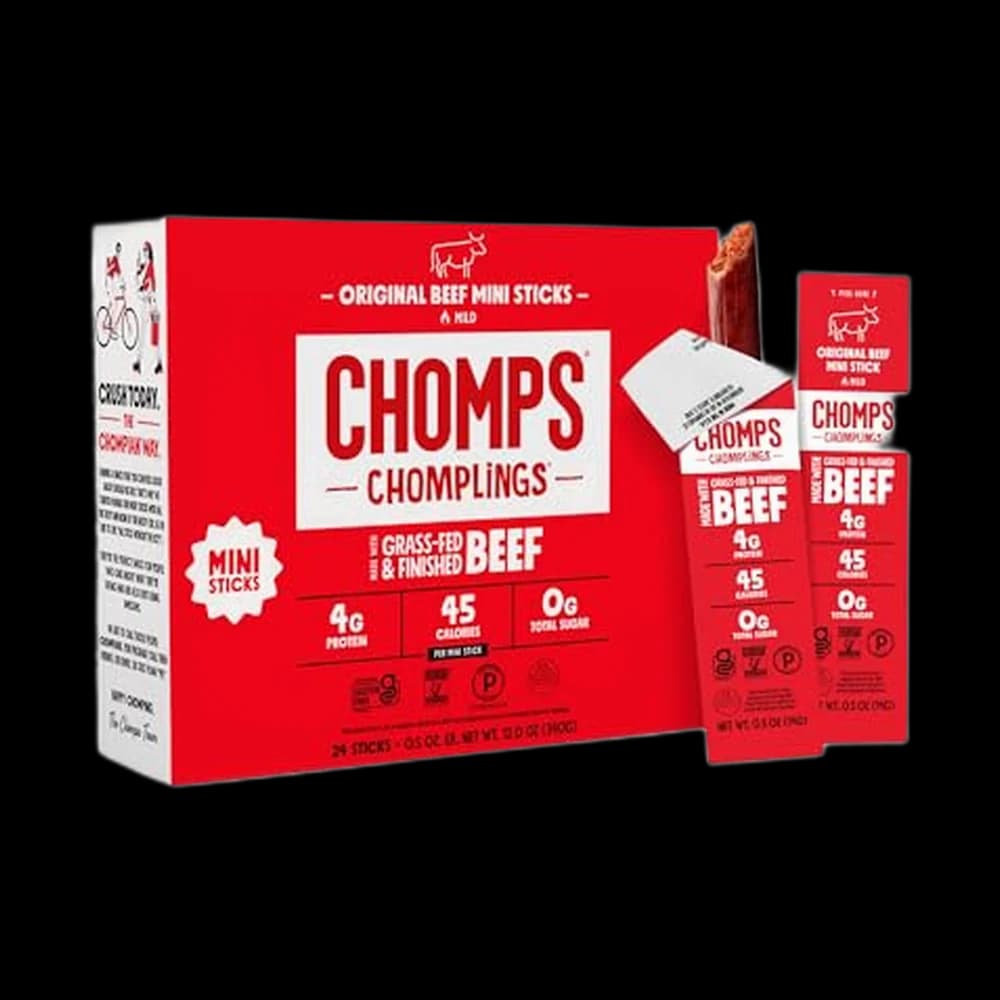 Chomps Original Beef Chomplings, Grass-Fed & Finished, 24ct,… Chomps Original Beef Chomplings, Grass-Fed & Finished, 24ct,… | Shelf-stable protein that needs no plate and no appetite. | ★ 4.6 | $26.58 | $5.54 / 20 g | 76 | Buy on Amazon |
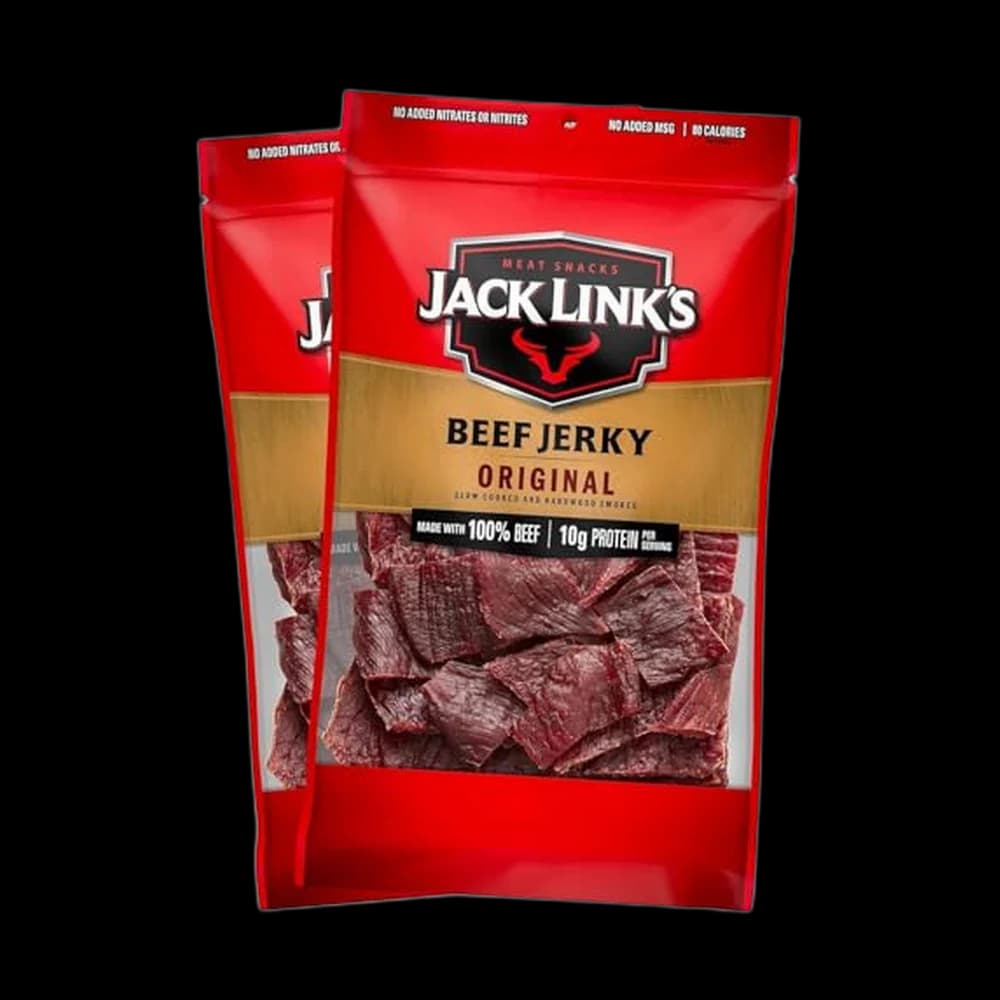 Jack Link's Original Beef Jerky Multipack Jack Link's Original Beef Jerky Multipack | Widely stocked jerky; watch the sodium column. | ★ 4.6 | $24.93 | — | 76 | Buy on Amazon |
A snack drawer is the least glamorous piece of infrastructure in this whole project, and probably the most load-bearing. Meals are negotiable when appetite is low. A bite of protein that needs no plate, no cooking smell and no decision is what actually closes the gap between the target your clinician set and what you managed.
Sugar alcohols deserve a specific flag here, and it appears again below the table.
The comparison
Protein per 100 calories is one way to compare snacks with different serving sizes. It is not the only useful measure: protein in the amount you can comfortably finish also matters. We can only print that column where our spec sheet carries both numbers. Where it does not, the cell is an em-dash — we are not going to estimate a calorie count off a product photo.
| Snack | Format | Protein | Calories | Protein per 100 kcal | Portion |
|---|---|---|---|---|---|
| StarKist Tuna Creations | Seafood pouch | 15 g | 110 | About 13.6 g | 2.6 oz pouch |
| Chomps beef sticks | Meat stick | 4 g | 45 | About 8.9 g | 0.5 oz stick |
| The Only Bean roasted edamame | Roasted legume | 14 g | — | — | Per label serving |
| Jack Link's Original jerky | Jerky | 10 g | — | — | Per label serving |
| BIENA roasted chickpeas | Roasted legume | 6 g | — | — | Per label serving |
How we compare: divide protein grams by calories and multiply by 100. This is label arithmetic, not a threshold for deciding whether a food counts. A lower-density snack still contributes its labeled protein to your intake.
Bars, and the sugar alcohol problem
Bars are the backstop format: the thing you eat when the day is ending and the number is not met. They live in their own category, and they carry the one genuine gastrointestinal caveat in this whole post.
FDA's consumer material is direct about it. Sugar alcohols are slowly and incompletely absorbed from the small intestine, and because they are fermented by bacteria in the large intestine they can produce abdominal gas, bloating and diarrhea in some people. Foods containing sorbitol or mannitol specifically are required to carry a label statement that excess consumption may have a laxative effect.
Two further label facts matter and almost nobody knows them:
- Manufacturers may list sugar alcohols voluntarily under Total Carbohydrate, but are only required to list them when the package makes a claim about sugars or sugar alcohols. A bar can contain them and show no gram figure at all.
- The ingredient list is your fallback. Erythritol, isomalt, lactitol, maltitol, mannitol, sorbitol and xylitol are the names to look for, and ingredients are listed in descending order by weight.
Sugar alcohols are one ingredient to check when comparing bars; forum reports cannot establish the cause of an individual reader’s symptoms. If this is you, Barebells and RXBAR are the two bars on our shelf whose spec sheet records no sugar alcohols — dates and egg white in the RXBAR case, at 12 g of protein rather than 20.
None of that means a bar treats or causes anything. It means read the ingredient list, and if symptoms are persistent or severe, that is a clinician conversation.
Sodium, which is the other column to watch
Savory snacks are where a protein drawer quietly becomes a sodium problem. FDA puts the Daily Value for sodium at less than 2,300 mg a day, notes that the Dietary Guidelines recommend adults limit intake to under that figure, and points out that over 70 percent of dietary sodium comes from packaged and prepared foods rather than the salt shaker. Savory snacks are named among the categories contributing the largest share.
Check the sodium and storage instructions on each jerky package. This table does not include comparable sodium or price data, so it cannot establish the saltiest or cheapest option. After opening, follow the package instructions rather than assuming a hot glovebox is suitable storage. Roasted legumes and a low-sodium pouch are the counterweights; our spec sheet carries no sodium figure for most of these products, so the panel on the bag is the thing to read rather than anything we can print for you.
If you have been told to watch sodium for blood pressure, heart or kidney reasons, that guidance outranks anything on this page.
Pouches, sticks and legumes
Seafood and chicken pouches are the highest-density option here and the one people in r/Mounjaro describe keeping specifically for aversion days, because there is no cooking smell involved. Cooking odours come up repeatedly as a trigger. A pouch turns a bowl of rice or a handful of crackers into an actual meal in about ten seconds, with no draining.
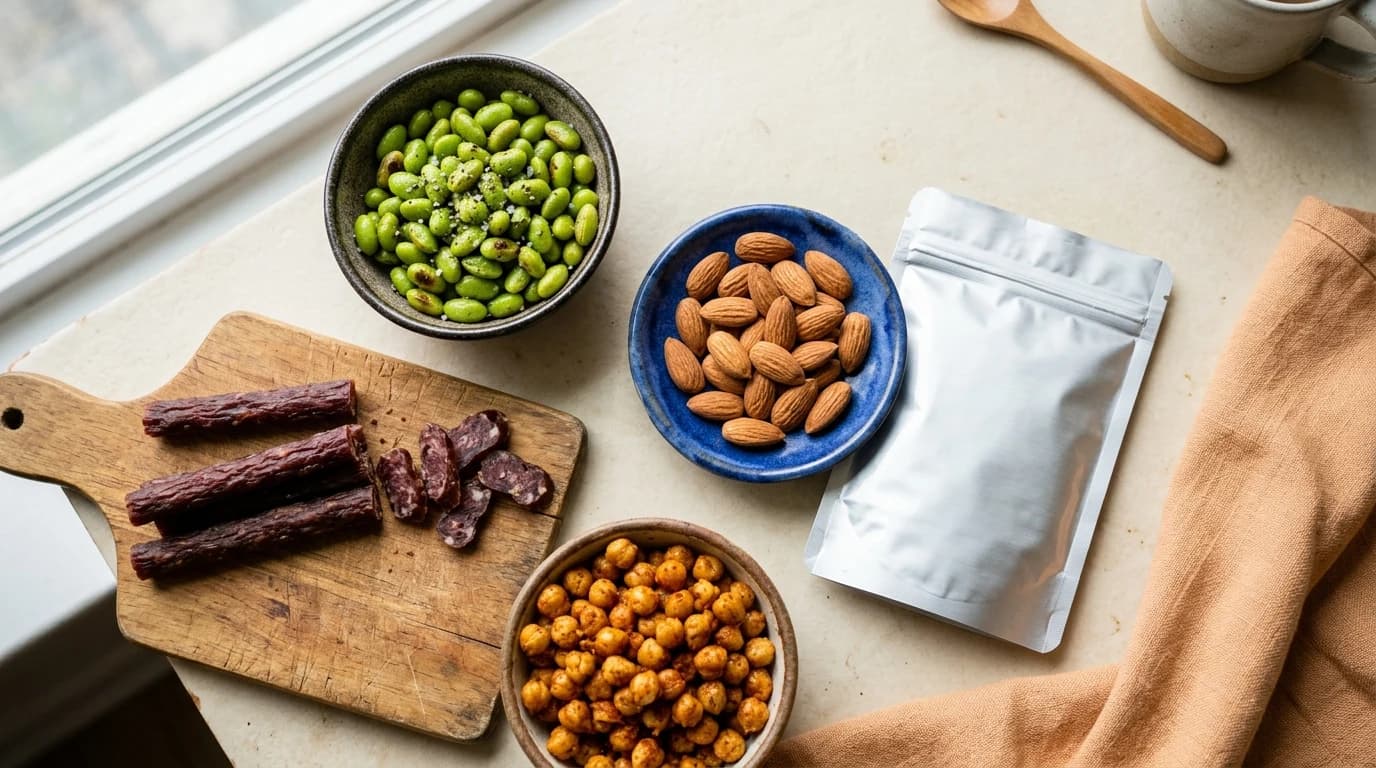
Meat sticks trade density for convenience. At 4 g a stick you are eating several to make a dent, but a stick needs no plate, no fridge and functionally no appetite — which on some days is the only spec that matters.
Roasted legumes are the crunchy-salty answer with fiber attached, and the honest caveat is the one posters raise themselves: the protein per pouch is modest, and a whole bag is a large fiber jump at once if you are increasing fiber gradually. Edamame carries more protein than chickpeas on our sheet, 14 g against 6 g.
Portioned nuts are mostly fat and fiber, and a single-serve pack is portion control built into the wrapper. They are a genuinely good thing to have in a bag; they are not a protein play, and they should not be the thing you are counting on to reach a target.
What the subs actually keep in the drawer
Snack formats to consider include jerky, cheese sticks, hard-boiled eggs, cottage cheese and yogurt. Check each food’s label, storage needs and suitability for your dietary restrictions. This guide does not measure how frequently those foods appear in community discussions.
The other consistent theme is that savory beats sweet once taste changes. Pickles, olives, sardines and deli meat are what people reach for when dessert-flavoured protein snacks stop being tolerable — which is worth knowing before you buy twelve chocolate bars.
Build the drawer accordingly: two shelf-stable savory options, one crunchy one, one bar for the backstop, and something in the fridge. Then use it to reach the target your clinician set, and ask your care team how food and physical activity fit your plan.
Your next step
Snacks work better portioned. Here is what to put them in.
Frequently asked
The questions that keep coming up
What is a good protein-to-calorie ratio for a snack?
There is no universal protein-to-calorie cutoff for a snack. To compare labels, divide protein grams by calories and multiply by 100. Also check the protein in the amount you actually eat, sodium, allergens and any limits your clinician has set. Foods below a preferred comparison ratio still contribute protein.
Why do protein bars upset my stomach?
Sugar alcohols are a common suspect. FDA notes they are slowly and incompletely absorbed and are fermented by bacteria in the large intestine, which can produce abdominal gas, bloating and diarrhea in some individuals. Foods with sorbitol or mannitol must carry a statement that excess consumption may have a laxative effect. Persistent symptoms are worth raising with your clinician.
How do I tell whether a bar contains sugar alcohols?
Check the ingredient list rather than the panel. Manufacturers only have to list sugar alcohol grams when the package makes a claim about sugars or sugar alcohols. Look for erythritol, isomalt, lactitol, maltitol, mannitol, sorbitol and xylitol, and remember ingredients are listed in descending order by weight.
Is jerky a good GLP-1 snack?
Jerky can be a convenient source of protein if its ingredients, sodium and texture fit your needs. Compare the actual label and follow its storage instructions, including after opening. If your clinician has set a sodium limit, use that limit when comparing packages. This guide does not have enough comparable sodium data to rank all the snacks.
What do people on these medications actually snack on?
Snack formats to consider include cheese sticks, hard-boiled eggs, cottage cheese, yogurt and shelf-stable pouches. Compare the protein in the portion you eat, ingredients, storage instructions and any clinician-set restrictions. This guide does not measure what most people on these medications eat.
Sources & further reading
We research from primary and authoritative sources. Where our guidance rests on a fact, here's where it comes from.
- FDA — Interactive Nutrition Facts Label: Sugar Alcohols (October 2021) — Source for sugar alcohols being incompletely absorbed and fermented in the large intestine, for the gas, bloating and diarrhea note, for the sorbitol and mannitol laxative-effect label statement, and for when listing is voluntary versus required.
- FDA — Sodium in Your Diet — Source for the sodium Daily Value of less than 2,300 mg per day and the Dietary Guidelines limit for adults.
- FDA — Interactive Nutrition Facts Label: Sodium (October 2021) — Source for over 70 percent of dietary sodium coming from packaged and prepared foods, with savory snacks named among the largest contributors.
- FDA — Interactive Nutrition Facts Label: Protein (October 2021) — Source for protein being reported in grams per serving on the Nutrition Facts label and for the complete versus incomplete protein distinction.
LeanFed is not medical advice and is not a substitute for your prescriber, pharmacist or dietitian. We do not test products hands-on — we compare labels, specifications and owner reviews. Prices and LeanScores reflect our most recent research and refresh on a cycle; confirm the current price and read the product's own label before buying. We may earn a commission from affiliate retailers — it never changes our recommendations. See how we score.