High-Protein BreakfastsGuide5 min
How Much Protein Is in an Egg? Grams by Size and Part
TL;DR
LeanFed may earn a commission from links on this page; it never changes a ranking. Full disclosure.
The short answer
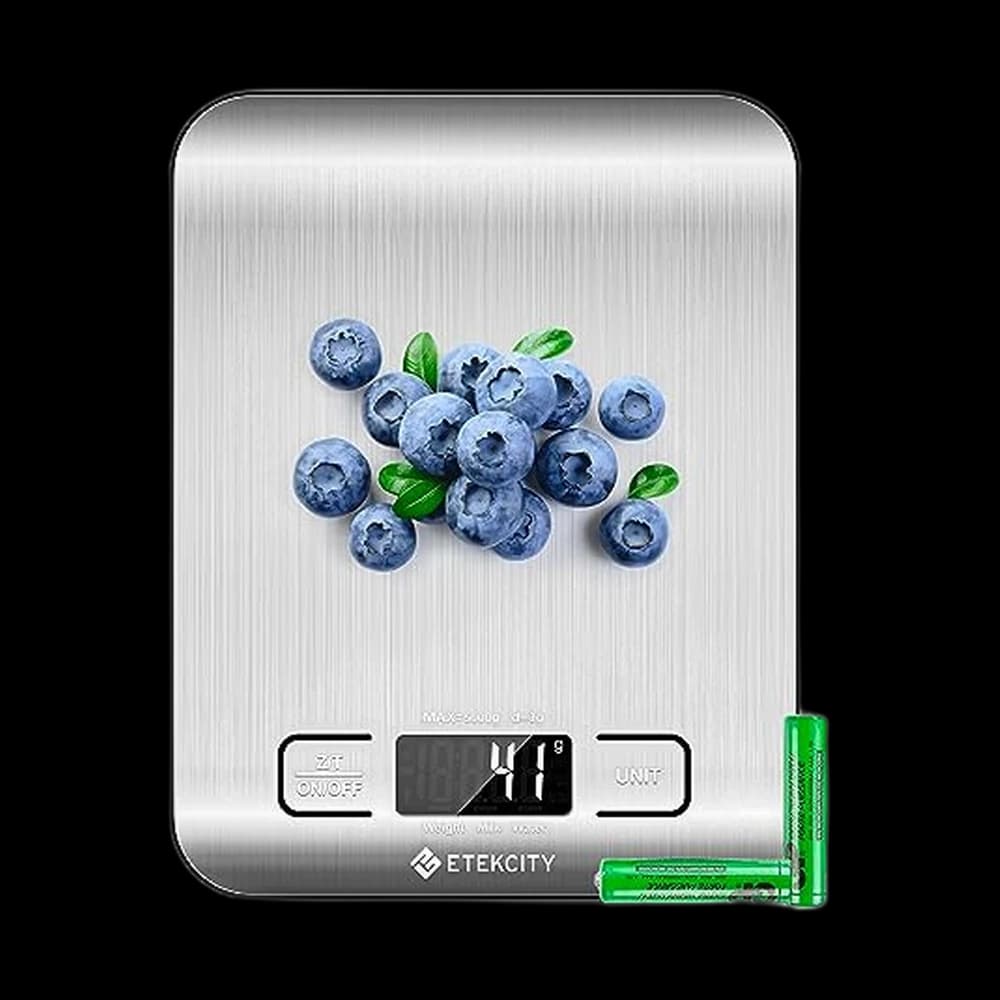
Our pick
Etekcity Food Kitchen Scale, Digital Grams and Ounces, 11lb- Accurate enough for portions at a price that makes it a non-decision.
- You weigh heavy batches — 11 lb is the ceiling.
A large egg has about 6.3 g of protein. USDA numbers for every egg size, white vs yolk, and how many eggs it takes to reach a 25 g breakfast.

Key takeaways
- A large egg has about 6.3 g of protein. That is the USDA reference value for a 50 g edible portion; a medium has about 5.5 g and a jumbo about 7.9 g.
- The white carries a little more than half. In a large egg, the white holds about 3.6 g and the yolk about 2.7 g, so the white is roughly 57% of the protein.
- Per bite, the yolk is denser. Per calorie, the white wins. Gram for gram the yolk has more protein, but it costs about three times the calories of the white for less total protein.
- Reaching 25 g takes about four large eggs. For a small appetite, pairing one or two eggs with Greek yogurt or cottage cheese gets there in less volume.
Pick by your situation
| If your situation is… | Pick | Why |
|---|---|---|
| You want the most protein in the fewest bites | Whole eggs, the biggest size you buy | The yolk is the most protein-dense part by weight, so whole eggs beat whites per bite. |
| You want the most protein per calorie | Egg whites, or whole eggs stretched with whites | A large white gives about 3.6 g for roughly 17 calories, about 21 g per 100 calories. |
| Four eggs is too much food this morning | One or two eggs plus Greek yogurt or cottage cheese | Each pairing below crosses 25 g of protein with less volume than eggs alone. |
| Your eggs are not graded large | Use the size row, or weigh the edible egg | Protein scales with weight, and grade sizes are set per dozen, not per egg. |
Each pick is one of the products compared below — a shortcut by situation, not a separate recommendation.
High-Protein Breakfasts: our picks
| Pick | Best for | Rating | Price | LeanScore | Buy |
|---|---|---|---|---|---|
| №1Etekcity Food Kitchen Scale, Digital Grams and Ounces, 11lb | The cheap one that is accurate enough for portions. | ★ 4.6 | $9.99 | 83 | Buy on Amazon |
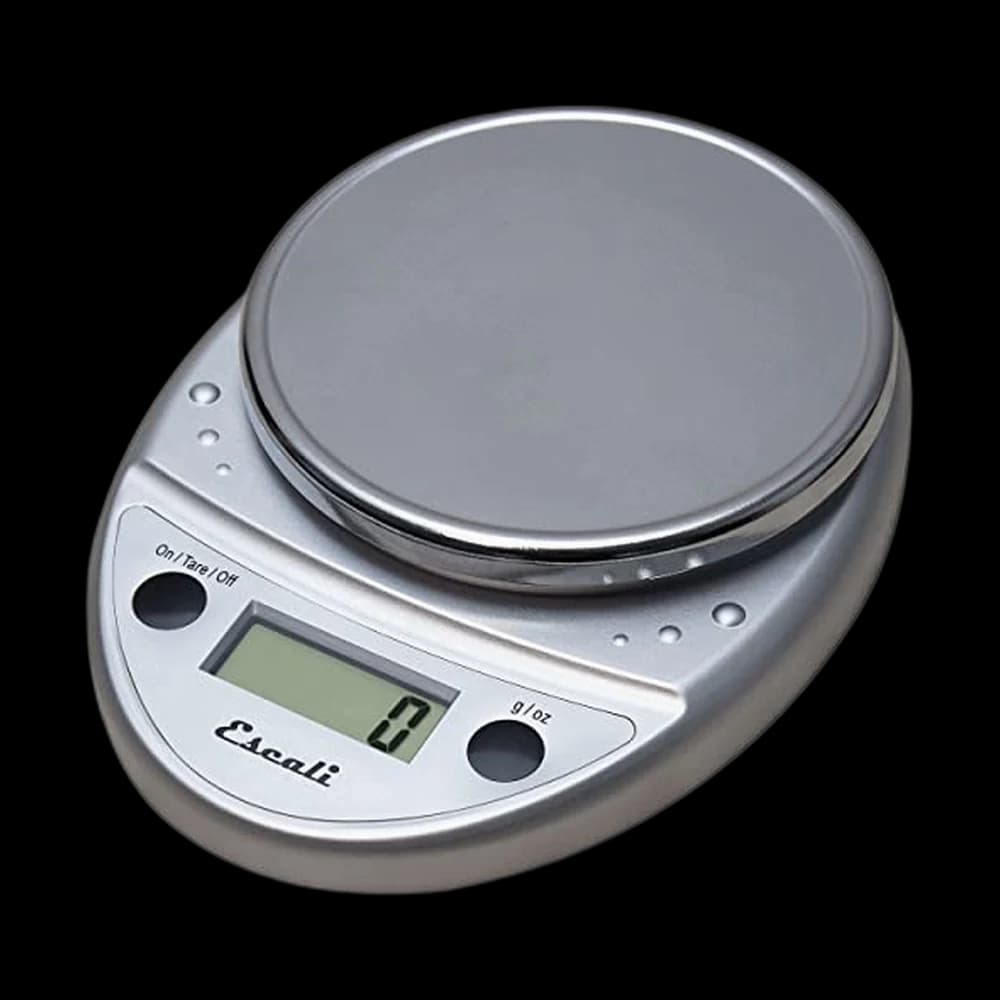 Escali Primo Digital Food Scale Multi-Functional Kitchen Scale and… | A kitchen-standard scale with a long warranty. | ★ 4.6 | $24.99 | 84 | Buy on Amazon |
A large egg has about 6.3 g of protein. A medium egg has about 5.5 g, an extra-large about 7 g and a jumbo about 7.9 g. Those figures come from USDA FoodData Central's whole-egg record, which lists 12.56 g of protein per 100 g of egg and a weight for every size. Boiling, scrambling or frying does not change the total.
The more useful questions on a small appetite come next: which part of the egg carries the protein, and how many eggs it really takes to make a meaningful breakfast.
Protein by egg size
The USDA record gives an edible weight for each size class. Multiply by 12.56 g per 100 g and the protein follows.
| Size | Grade minimum per dozen, shell on | Edible weight per egg | Protein | Calories |
|---|---|---|---|---|
| Small | 18 oz | 38 g | 4.8 g | 54 |
| Medium | 21 oz | 44 g | 5.5 g | 63 |
| Large | 24 oz | 50 g | 6.3 g | 72 |
| Extra-large | 27 oz | 56 g | 7.0 g | 80 |
| Jumbo | 30 oz | 63 g | 7.9 g | 90 |
Why your egg may not match the row: the USDA shell egg weight classes set a minimum weight for a dozen, shell included, not for each egg. Individual eggs in a large carton vary, so treat each row as an average.
Stepping up one size adds roughly 0.7 to 0.9 g per egg. Across three eggs, jumbo over medium is a difference of about 7 g, more than a large egg's worth.
White or yolk: where the 6.3 g sits
The white is not the whole story. Split a large egg using the USDA egg white and egg yolk records and the numbers look like this.
| Part of a large egg | Weight | Protein | Calories | Protein per 100 g | Protein per 100 calories |
|---|---|---|---|---|---|
| Whole egg | 50 g | 6.3 g | 72 | 12.6 g | 8.8 g |
| White | 33 g | 3.6 g | 17 | 10.9 g | 21.0 g |
| Yolk | 17 g | 2.7 g | 55 | 15.9 g | 4.9 g |
Three things follow from that table:
- The white holds slightly more than half. About 3.6 of the 6.3 g, or roughly 57%.
- The yolk is the denser part. Gram for gram it has more protein than the white, so a whole egg packs more into a bite than whites alone.
- The yolk costs most of the calories. About 55 of the 72, which is why whites lead every protein-per-calorie list.
Neither is the right answer on its own. If small portions are the problem, the yolk earns its place. If calories are tight, whites stretch a breakfast further.
Does cooking change it?
No, not in a way that matters. The USDA hard-boiled egg record lists 12.58 g of protein per 100 g against 12.56 g raw, and the same 50 g for a large egg. Fat added in the pan changes the calories, not the protein.
Cook them through: the FDA advises cooking eggs until both the yolk and the white are firm, and says scrambled eggs should not be runny. The raw records here are reference weights, not a suggestion to eat eggs raw.
How many eggs make a 25 g breakfast
A 2026 review in Nutrients on nutrition during incretin therapy reports that roughly 25–35 g of high-quality protein per eating occasion is generally sufficient for most adults, and it names eggs among those sources. The same review says these per-meal figures rest mainly on indirect evidence rather than trials. Using the low end of that range, here is the egg arithmetic:
- Large eggs: four give about 25.1 g, for 286 calories and 200 g of food.
- Jumbo eggs: three give about 23.7 g, for 270 calories.
- Large whites only: seven give about 25.2 g, for 120 calories, but that is 231 g of food.
Four eggs is a lot to finish when your appetite is small. That is where pairing helps.
Three plates that cross 25 g
These are arithmetic examples built from the USDA records, not prescribed meals. Stop when you are full.
| Plate | Protein | Calories |
|---|---|---|
| 2 large eggs + 1 container (156 g) plain nonfat Greek yogurt | 28.7 g | 238 |
| 1 large egg + 2 large whites + ½ cup 2% cottage cheese | 25.6 g | 198 |
| 2 extra-large eggs + ½ cup 2% cottage cheese | 26.2 g | 252 |
The yogurt plate needs no extra cooking if you boil the eggs ahead. For more no-fork options ranked by protein per bite, see our high-protein breakfast guide for small appetites.
Your number is your clinician's call: 25 g is context, not a pass mark. Kidney disease in particular changes the answer, and our dietitian appointment guide lists what to ask.
Getting a closer number than the carton
If you track protein closely, the size label is the weakest link. A quick routine:
- Crack the egg into a bowl on a scale and note the edible weight in grams.
- Multiply by 0.126 for whole egg, 0.109 for white or 0.159 for yolk.
- Use your carton's label if it differs; brands and feed change the numbers slightly.
A basic gram scale such as the Etekcity Food Kitchen Scale handles this (what to look for in a food scale), and our raw-or-cooked weighing guide covers the rest of the plate.
Your next step
Where most people go from here
Frequently asked
The questions that keep coming up
How much protein is in one large egg?
About 6.3 g. USDA FoodData Central lists 12.56 g of protein per 100 g of raw whole egg and 50 g as the edible weight of a large egg.
Is there more protein in the white or the yolk?
The white holds more in total, about 3.6 g in a large egg against about 2.7 g in the yolk. Gram for gram, though, the yolk is denser, with 15.9 g per 100 g against 10.9 g for the white.
Does cooking an egg change its protein?
Not meaningfully. USDA lists 12.56 g per 100 g for raw whole egg and 12.58 g for hard-boiled, and the same 50 g weight for a large egg. Cook eggs until the yolk and white are firm, as the FDA advises.
How many eggs do I need for 25 g of protein?
About four large eggs, or three jumbo eggs for just under 24 g. Whether 25 g is right for you is a question for your clinician; it is a published per-meal range, not a personal target.
Sources & further reading
We research from primary and authoritative sources. Where our guidance rests on a fact, here's where it comes from.
- USDA FoodData Central — Egg, whole, raw, fresh (record 171287) — Read through FoodData Central's data feed on 2026-11-13. Source for protein and energy per 100 g and the edible weights of small, medium, large, extra-large and jumbo eggs.
- USDA FoodData Central — Egg, white, raw, fresh (record 172183) — Protein, energy and the 33 g weight of one large egg white.
- USDA FoodData Central — Egg, yolk, raw, fresh (record 172184) — Protein, energy and the 17 g weight of one large egg yolk.
- USDA FoodData Central — Egg, whole, cooked, hard-boiled (record 173424) — Protein per 100 g after cooking, compared with the raw record.
- USDA FoodData Central — Yogurt, Greek, plain, nonfat (record 330137) — Protein and energy for the 156 g container used in the pairings.
- USDA FoodData Central — Cheese, cottage, lowfat, 2% milkfat (record 328841) — Protein and energy for the half-cup (110 g) portion used in the pairings.
- USDA AMS — United States Standards, Grades, and Weight Classes for Shell Eggs (AMS 56) — Minimum net weight per dozen for each size class, shell included.
- FDA — What You Need to Know About Egg Safety — Cook eggs until both the yolk and the white are firm.
- Nutrients (2026) — Nutrition-First Support for GLP-1 and Dual Incretin Therapy in Obesity — Source for roughly 25–35 g of high-quality protein per eating occasion, eggs among the listed sources, and the indirect-evidence caveat.
LeanFed is not medical advice and is not a substitute for your prescriber, pharmacist or dietitian. We do not test products hands-on — we compare labels, specifications and owner reviews. Prices and LeanScores reflect our most recent research and refresh on a cycle; confirm the current price and read the product's own label before buying. We may earn a commission from affiliate retailers — it never changes our recommendations. See how we score.