Small-Meal ContainersGuide6 min
Small Meal Containers: A 4 to 8 oz System That Works
TL;DR
LeanFed may earn a commission from links on this page; it never changes a ranking. Full disclosure.
The short answer
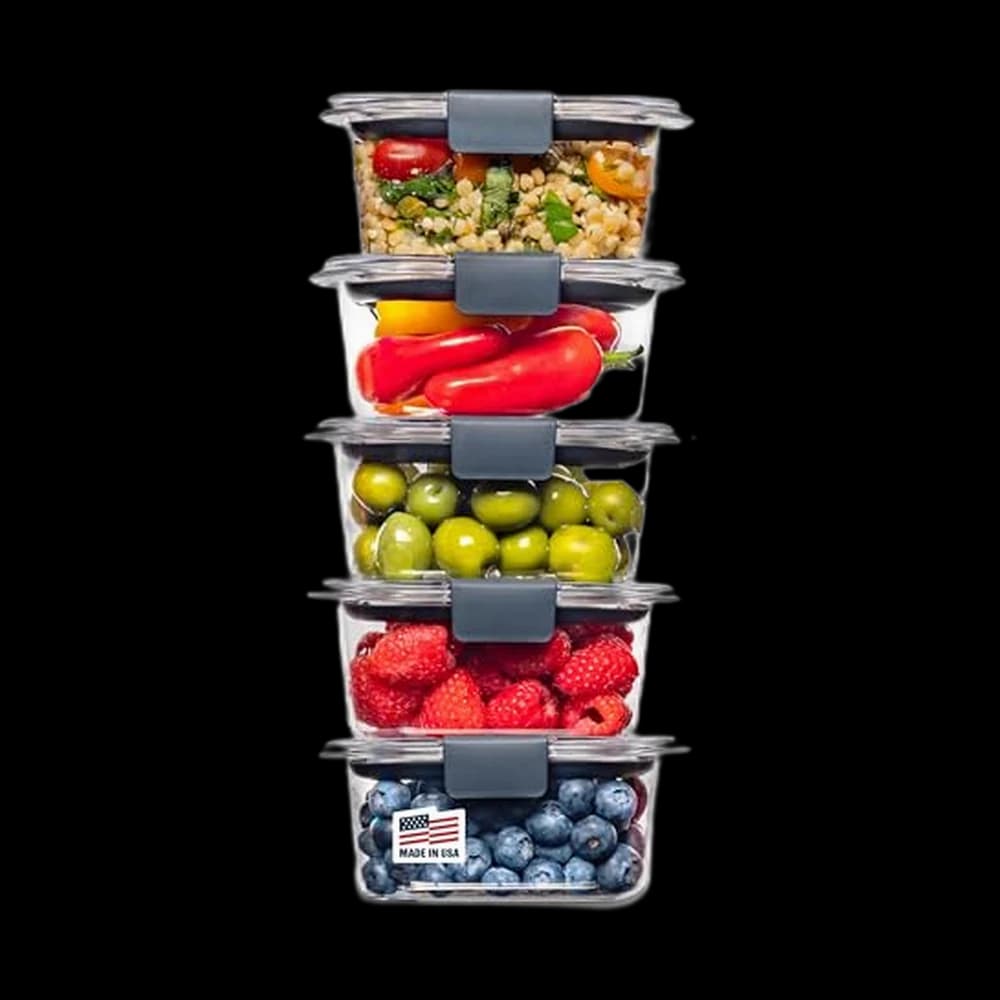
Our pick
Rubbermaid Brilliance BPA-Free Food Storage Containers Multi Pack,…- The everyday snack-sized box: clear, latching and genuinely leak-proof.
- You want glass you can put in the oven.
Stated capacity is a ceiling, not a portion. How to size 4 to 8 oz containers, what actually seals, and a day of small meals laid out end to end.
Key takeaways
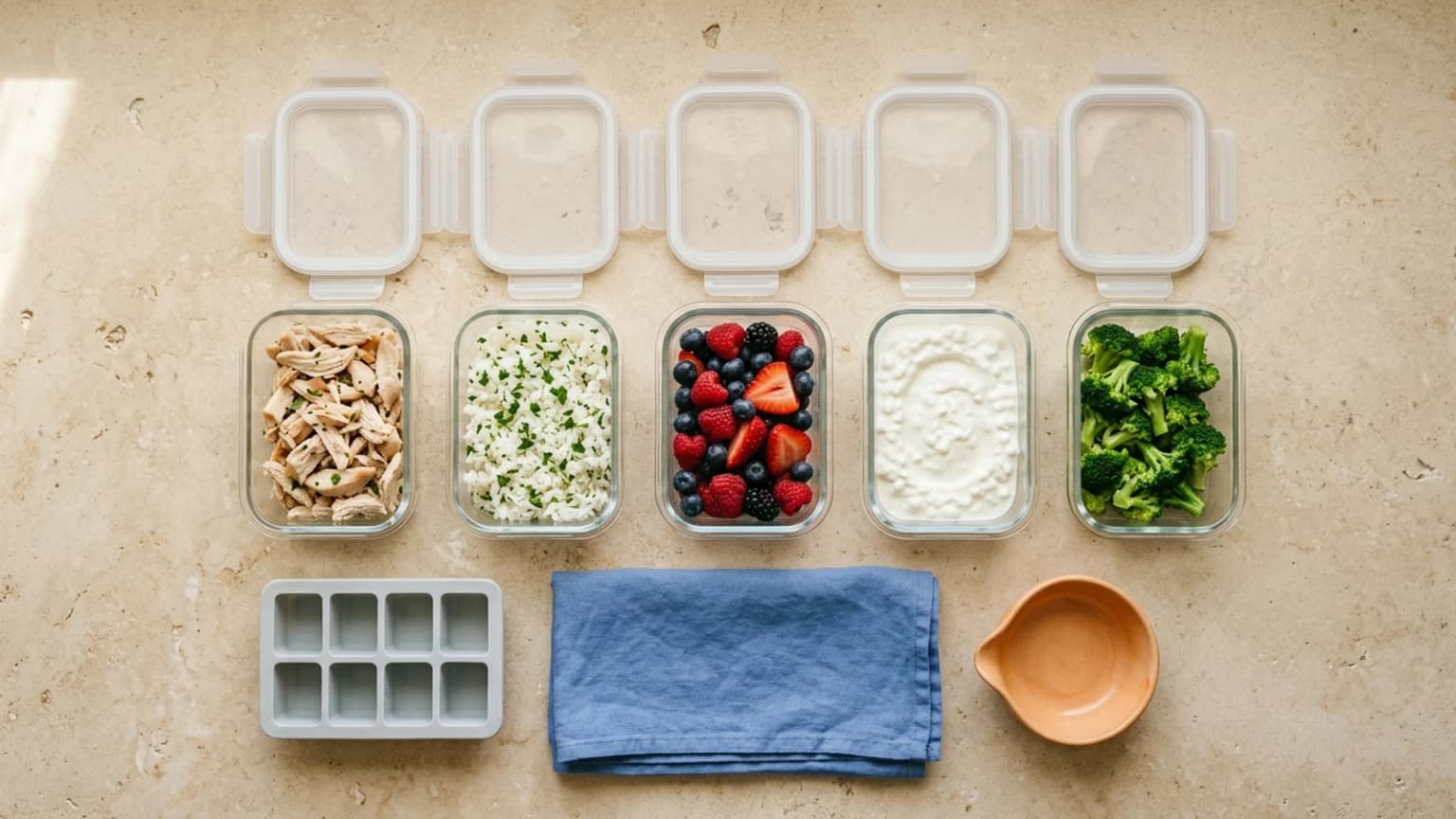
- Measure your real portion before buying. Tip a meal you finish comfortably into a measuring cup, then buy one size up from that number.
- Stated capacity is the brim, not the usable volume. A box sold as 8 oz often closes and carries closer to 6.
- Lid and base carry separate ratings. Manufacturers routinely rate the base for freezer and microwave and the lid for neither.
- Portion off the plate before you start eating. It is the most-repeated tactic in the GLP-1 communities, because it removes the decision at the moment appetite disappears.
- Food safety does not scale down. Refrigerate within two hours, three to four days in the fridge, three to four months frozen — however small the portion.
Pick by your situation
| If your situation is… | Pick | Why |
|---|---|---|
| You want one set that does most things | Rubbermaid Brilliance mini | Clear, latching and genuinely leak-proof at roughly 10 fl oz, which suits most small meals with room for the lid. |
| You reheat almost everything | Pyrex 1-cup glass | Exactly the 8 fl oz portion this page is about, in glass that reheats evenly and does not stain. |
| You need it airtight in a bag | OXO Smart Seal 1 cup | Four locking tabs and an airtight seal, in borosilicate glass rated for the freezer and the oven. |
| You eat protein plus a vegetable in one sitting | Bentgo Kids snack box | Two compartments at bag size, with a silicone seal and a single latch. |
| You cook normally and freeze the rest | Souper Cubes half-cup tray | Freezes leftovers in half-cup wells, so a future meal is already the right size. |
| Containers keep getting left at work | Ziploc Twist N Loc small | Cheap and stackable in a nine-count pack, so losing one is not an event. |
Each pick is one of the products compared below — a shortcut by situation, not a separate recommendation.
Small-Meal Containers: our picks
| Pick | Best for | Rating | Price | LeanScore | Buy |
|---|---|---|---|---|---|
| №1Rubbermaid Brilliance BPA-Free Food Storage Containers Multi Pack,… | Leakproof, crystal-clear, and genuinely snack-sized. | ★ 4.7 | $18.99 | 85 | Buy on Amazon |
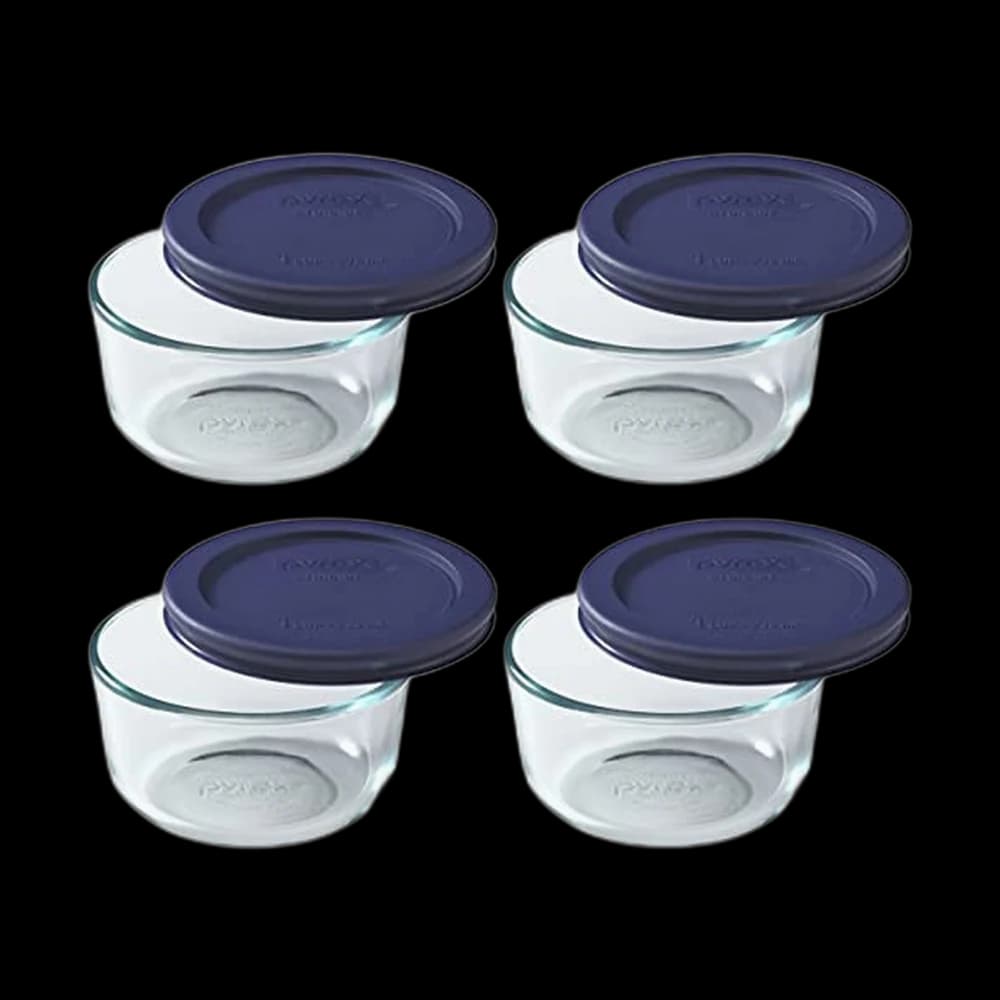 Pyrex 7202 (1-Cup) Glass Bowl with Dark Blue Lid (4-Pack) Pyrex 7202 (1-Cup) Glass Bowl with Dark Blue Lid (4-Pack) | Glass you can reheat without thinking about it. | ★ 4.8 | $26.99 | 81 | Buy on Amazon |
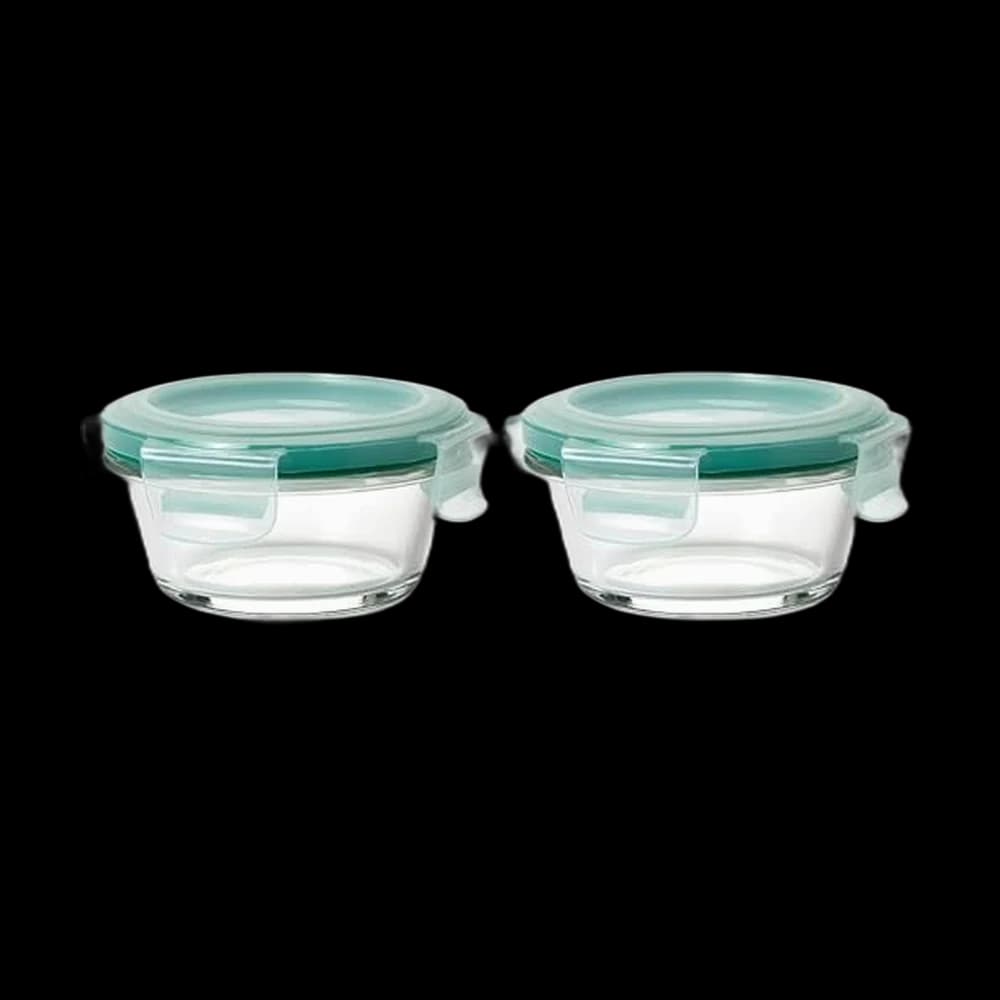 OXO Good Grips 1 Cup Smart Seal Glass Round Food Storage Container… OXO Good Grips 1 Cup Smart Seal Glass Round Food Storage Container… | A one-cup glass round that seals properly and stacks. | ★ 4.8 | $23.90 | 71 | Buy on Amazon |
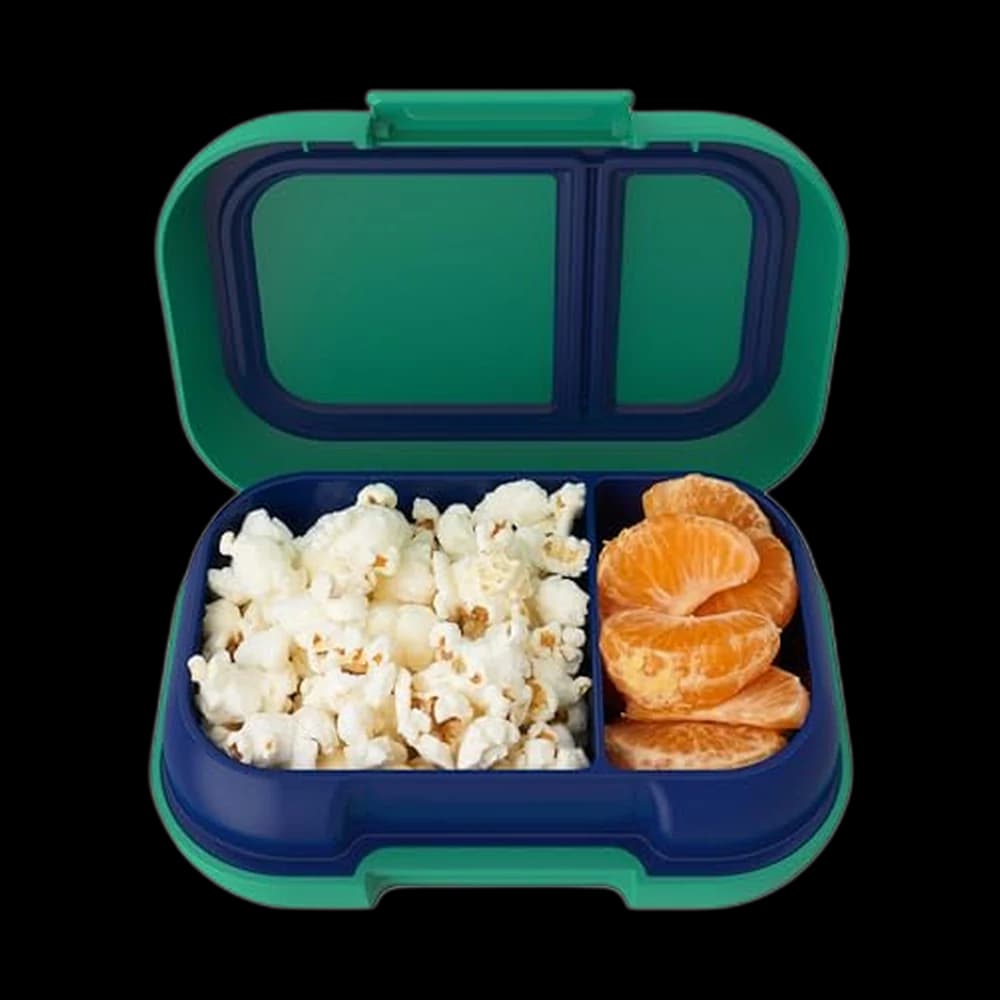 Bentgo Kids Snack Leak-Proof 2 Compartment Bento-Style Container Bentgo Kids Snack Leak-Proof 2 Compartment Bento-Style Container | Sold for lunchboxes, but the two-compartment size is exactly right for an adult snack portion. | ★ 4.3 | $19.99 | 72 | Buy on Amazon |
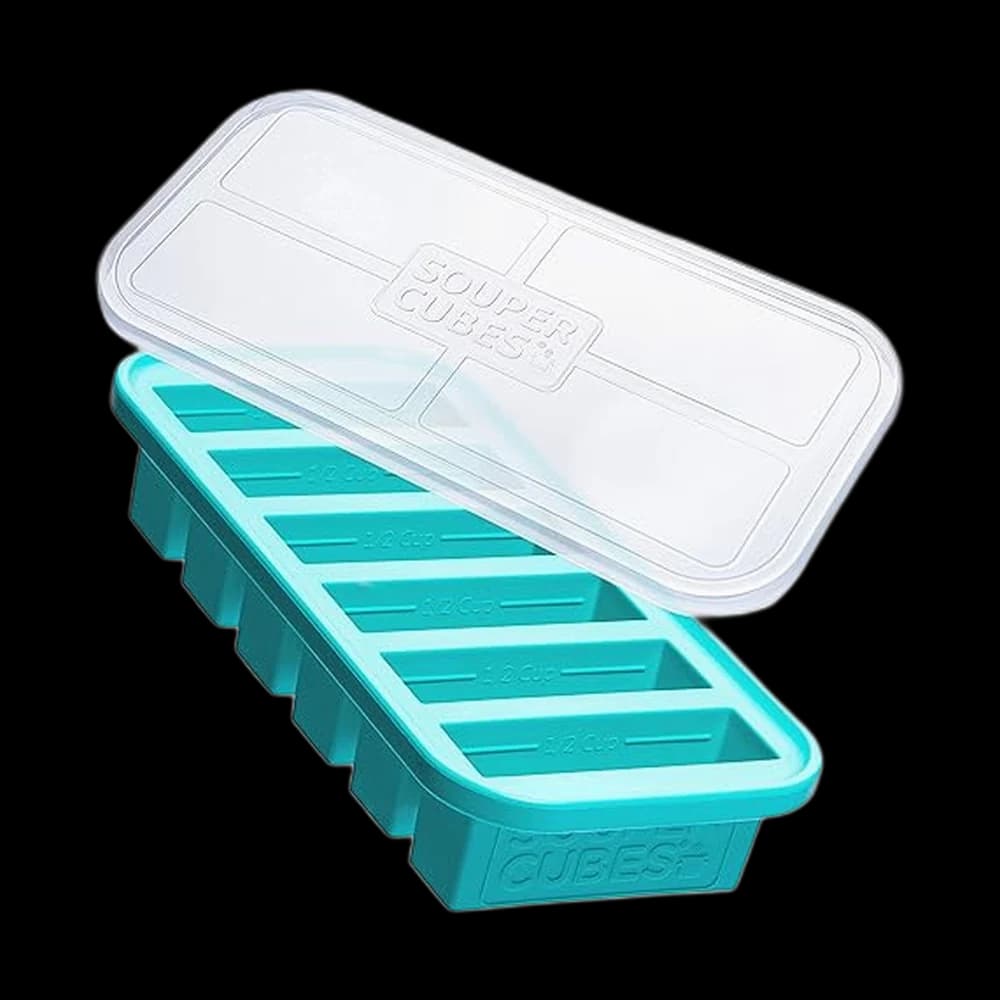 Souper Cubes 1/2 Cup Silicone Freezer Mold with Lid, Aqua, 1-Pack Souper Cubes 1/2 Cup Silicone Freezer Mold with Lid, Aqua, 1-Pack | Freeze leftovers in the portion you can finish. | ★ 4.8 | $21.99 | 88 | Buy on Amazon |
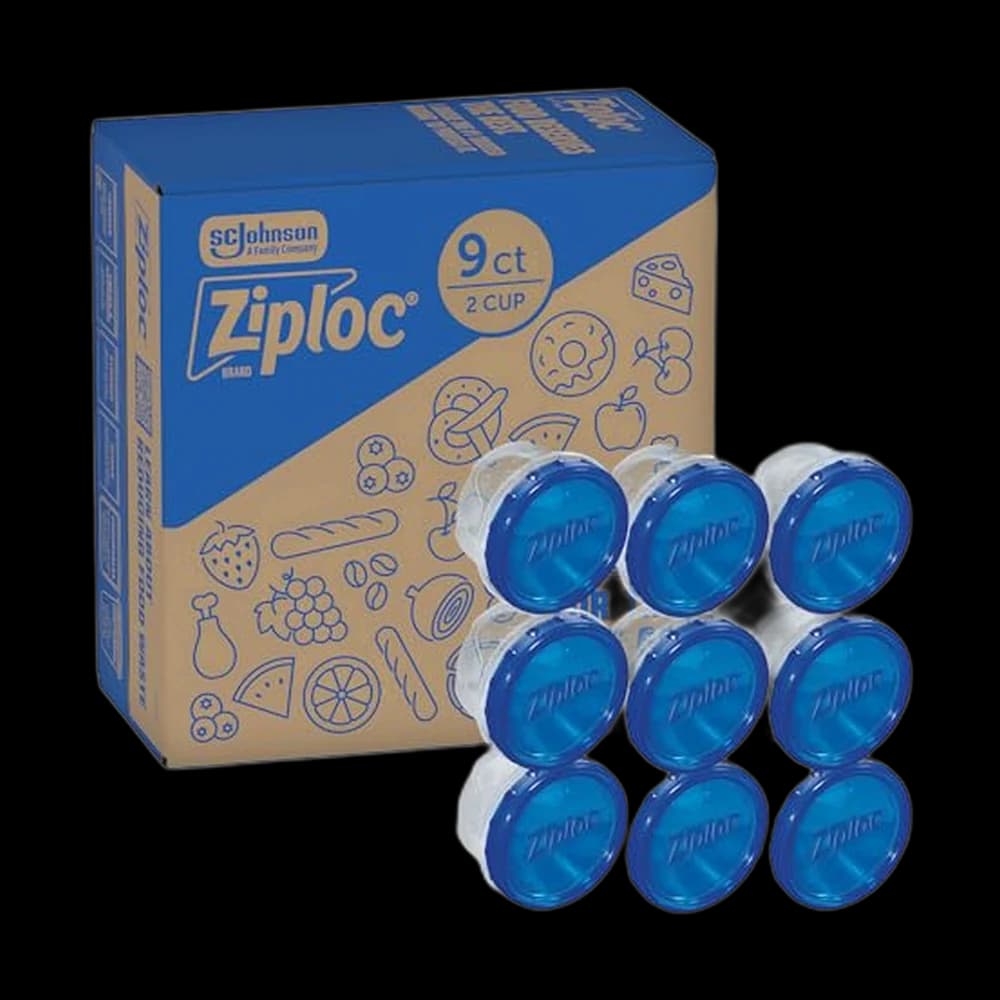 Ziploc Twist N Loc Leak-Proof Food Storage Containers, Small, 9 Count Ziploc Twist N Loc Leak-Proof Food Storage Containers, Small, 9 Count | Cheap, stackable, and no tragedy if one gets left at work. | ★ 4.4 | $16.49 | 85 | Buy on Amazon |
Appetite goes first, and the kitchen has to catch up. The plate you have always used is now three times the size of the meal you finish, the fridge fills with half-eaten portions in mismatched tubs, and food starts going in the bin — which is its own kind of stress. A container system is a small, boring fix for a genuinely annoying problem: it makes stopping when you are full a normal act instead of a decision about waste.
The picks
| Pick | True capacity | Material | Best for |
|---|---|---|---|
| Rubbermaid Brilliance mini | 1.3 cup, about 10 fl oz | Tritan plastic | The everyday snack box: clear, latching, genuinely leak-proof |
| Pyrex 1-cup glass | 1 cup, 8 fl oz | Tempered glass | Exactly the portion this page is about, in glass you can reheat |
| OXO Smart Seal 1 cup | 1 cup, 8 fl oz | Borosilicate glass | A glass round that seals with locking tabs and stacks |
| Bentgo Kids snack box | 1.5 cup total, split 1 cup + half cup | BPA-free plastic | Protein on one side, produce on the other, in a bag |
| Souper Cubes half-cup tray | Half-cup wells | Silicone with steel rim | Freezing leftovers in a portion you can actually finish |
| Ziploc Twist N Loc small | Small, per pack label | BPA-free plastic | Cheap and stackable, so nothing is lost at the office |
The full comparison, with ratings and the scoring breakdown, is on the small meal containers category page.
Stated capacity is a ceiling, not a portion
The number printed on the box is the volume to the brim. The volume you can actually close a lid over, carry in a bag and reheat without a spill is smaller — often noticeably. So the rule is simple: measure the portion you actually finish, then buy one size up.
Do it once, properly. Next time you eat a meal you finish comfortably, tip the equivalent into a measuring cup before you eat it. For a lot of people on a that lands somewhere between four and eight ounces. That measurement, not a review, is what should decide the set you buy.
Rule of thumb: buy a four-pack before you buy a twenty-pack. Portion size moves as dose changes, and the size that suits you this month may not be the one that suits you in three.
The four specifications that decide whether you keep using them
- Leak resistance, tested against liquid. Small containers end up holding soup, broth, yogurt and cottage cheese. A lid that seals dry food perfectly will still weep broth in a bag. Latching lids with a gasket seal best, screw-tops are close behind, plain snap-on lids are the weakest of the three.
- Temperature ratings, base and lid separately. Manufacturers routinely rate the base for freezer and microwave and the lid for neither. Read both lines and follow the manufacturer's own reheating instruction rather than assuming the lid is fine.
- Stacking geometry. Small containers only reduce fridge chaos if they stack. Flat-sided sets with a shared footprint beat a drawer of mixed shapes by a wide margin, which is why matched sets are worth more than the same money spread across three brands.
- Material, chosen by job. Glass reheats evenly and does not stain from tomato or turmeric, and it is heavy. Plastic is light, survives a bag, and will eventually stain. Silicone trays exist for one job — freezing a fixed portion — and are excellent at it and useless at the others.
Divided boxes: only if you eat assembled meals
A two-compartment box is genuinely useful if your pattern is "a little protein, a little vegetable, a little carbohydrate, in one sitting." If your pattern is "three bites of one thing and then nothing," the dividers are wasted volume and a plain small container serves you better. Buy for the pattern you actually have this month.
A day of small meals, laid out
This is a shape, not a prescription — the protein target is the one your clinician set, and this simply shows how the containers carry it.
| When | What goes in it | Container |
|---|---|---|
| Morning | Yogurt or cottage cheese, a spoon of fruit | 1 cup glass, reheated or straight from the fridge |
| Mid-morning | A meat stick or a small pouch of tuna | Snack box, or nothing to wash at all |
| Lunch | Protein plus one vegetable, portioned off a bigger cook | 1 cup glass or the divided box |
| Afternoon | Whatever you did not finish at lunch | The same container, lid back on |
| Evening | A half-cup of something cooked earlier and frozen | Half-cup silicone well, reheated |
The point of the layout is not five meals. It is that each of them already exists, portioned, before you are hungry — because on a small appetite the window in which you feel like eating and the window in which you feel like cooking rarely overlap.
What the communities actually do
Paraphrasing recurring themes in r/Zepbound, r/Mounjaro and r/Ozempic: the most-repeated tactic is portioning off the plate before starting to eat, and asking for the takeout box at the same time as the food rather than at the end of the meal. The framing people use is that it removes the decision at the exact moment appetite disappears, when deciding is hardest. Several posters mention that asking up front stopped feeling awkward within a few weeks.
Meal-prep threads treat small containers as an assumed part of the routine rather than a purchase to justify, with cooking unchanged and the result simply divided into more, smaller portions than before.
There is a real counterpoint, too. A minority deliberately avoid the whole system, arguing that pre-portioning turns eating into tracking, and prefer to eat until they stop and store whatever remains in whatever is to hand. Small frozen meals come up as the bought version of the same idea, usually with the caveat people raise themselves that the protein in many of them is low for the calories.
Food safety does not scale down with the portion
Small portions cool faster; the rules do not change.
- Refrigerate leftovers within two hours of cooking, or within one hour if it is above 90 degrees Fahrenheit.
- Refrigerated leftovers keep three to four days. Frozen, three to four months with some loss of moisture and flavour.
- Perishable food left out longer than that window gets thrown away, however little of it there is.
Writing the date on the lid takes five seconds and removes the guessing on a day when you do not feel like guessing.
One label note while you are reading panels: the FDA is explicit that a serving size on a Nutrition Facts label "is not a recommendation of how much to eat or drink." It reflects what people typically consume, which on a GLP-1 is no longer you. Read the per-serving numbers, then read how many servings you are actually eating.
Where this sits in the Path
Containers show up early — they are on the Considering loadout before anything else is — and they stay useful through Keeping. If the problem you are solving is getting enough protein into a small volume rather than storing it, start with protein-first eating instead.
Your next step
Once the portion is right, the next question is what is in it.
Frequently asked
The questions that keep coming up
What size container should I actually buy?
Measure rather than guess. Put a portion you finish comfortably into a measuring cup — for many people on a GLP-1 that lands between four and eight ounces — and buy containers that hold that with room for the lid. Start with a four-pack, because portion size moves as dose changes.
Glass or plastic?
Different jobs. Glass reheats evenly and does not stain from tomato or turmeric, and it is heavy to carry. Plastic is light and survives a bag and will eventually stain. If the container mostly lives between fridge and microwave, glass; if it commutes, plastic.
Are divided bento boxes worth it?
Only if you eat assembled meals. If your pattern is a little protein plus a little vegetable in one sitting, the compartments help. If your pattern is a few bites of one thing and then nothing, the dividers are wasted volume.
How long do leftovers keep in a small container?
The same as in a big one. USDA FSIS says leftovers keep three to four days refrigerated, or three to four months frozen with some loss of quality, and that food should be refrigerated within two hours of cooking — one hour if it is above 90 degrees Fahrenheit.
Can I put the lid in the microwave?
Check the specific product. Manufacturers commonly rate the base and the lid differently, and several of the picks here list a vented lid position for reheating. Follow the manufacturer's instruction rather than assuming.
Sources & further reading
We research from primary and authoritative sources. Where our guidance rests on a fact, here's where it comes from.
- USDA FSIS — Leftovers and Food Safety — Source for refrigerating within two hours (one hour above 90 degrees Fahrenheit), and for leftovers keeping three to four days refrigerated or three to four months frozen.
- FDA — Serving Size on the Nutrition Facts Label — Source for the statement that a serving size is not a recommendation of how much to eat or drink, and that serving sizes reflect what people typically consume.
- NIDDK — Eating, Diet, and Nutrition for Gastroparesis — Context for small, frequent meals as a clinician-directed approach for delayed stomach emptying. It is guidance for a diagnosed condition, not general advice.
LeanFed is not medical advice and is not a substitute for your prescriber, pharmacist or dietitian. We do not test products hands-on — we compare labels, specifications and owner reviews. Prices and LeanScores reflect our most recent research and refresh on a cycle; confirm the current price and read the product's own label before buying. We may earn a commission from affiliate retailers — it never changes our recommendations. See how we score.